Many patients ask whether they should book osteopathy or massage therapy for pain relief. Both involve hands on care. Both help with muscle tension. The depth of assessment, treatment goals, and clinical scope differ.
At Mississauga Osteopathy Clinic, we focus on identifying and correcting mechanical restrictions that drive pain, especially during acute flare-ups.
What Is Osteopathy? – Chronic Pain
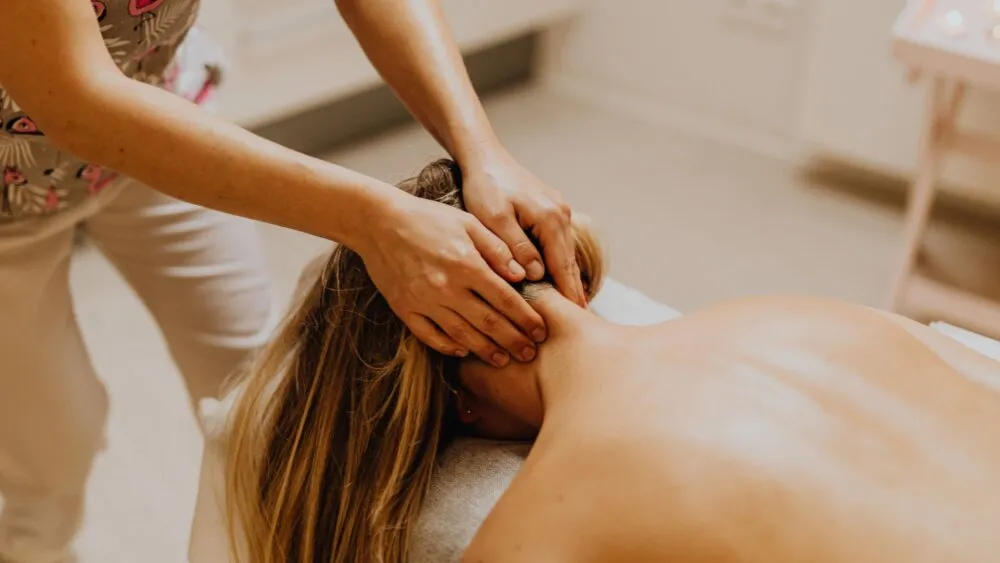
Osteopathy is a manual therapy that evaluates the entire musculoskeletal system. We assess joints, muscles, fascia, ligaments, posture, and movement patterns during every visit.
Pain often develops when a joint loses normal motion. Surrounding muscles tighten to protect the area. This tension increases pressure and inflammation. Nerve irritation may follow.
Our goal is to restore joint mobility and reduce tissue restriction. When movement improves, pain often decreases.
Osteopathic treatment often includes:
• Joint mobilization
• Soft tissue release
• Myofascial techniques
• Muscle energy techniques
• Gentle craniosacral work when indicated
Each session begins with a detailed assessment to determine the root mechanical cause of your symptoms.
What Is Massage Therapy?
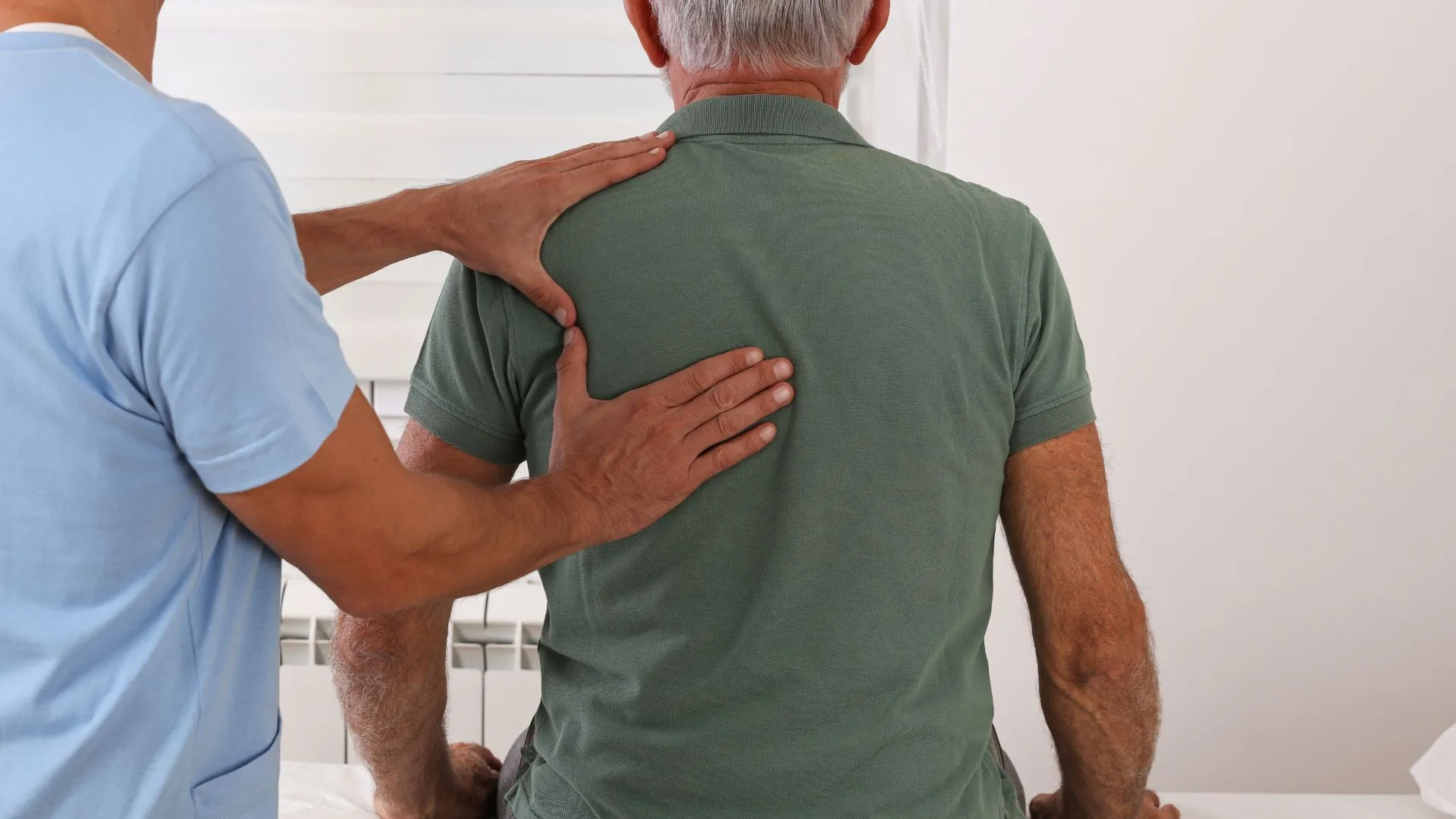
Massage therapy focuses on soft tissue manipulation. Registered Massage Therapists work on muscles, tendons, and fascia to reduce tension and improve circulation.
Common massage techniques include:
• Swedish massage
• Deep tissue massage
• Trigger point therapy
• Relaxation massage
Massage therapy supports stress reduction, muscle relaxation, and improved circulation. Many patients book massage for general tension, recovery after workouts, or stress management.
Differences In Assessment
One of the key differences lies in the clinical assessment.
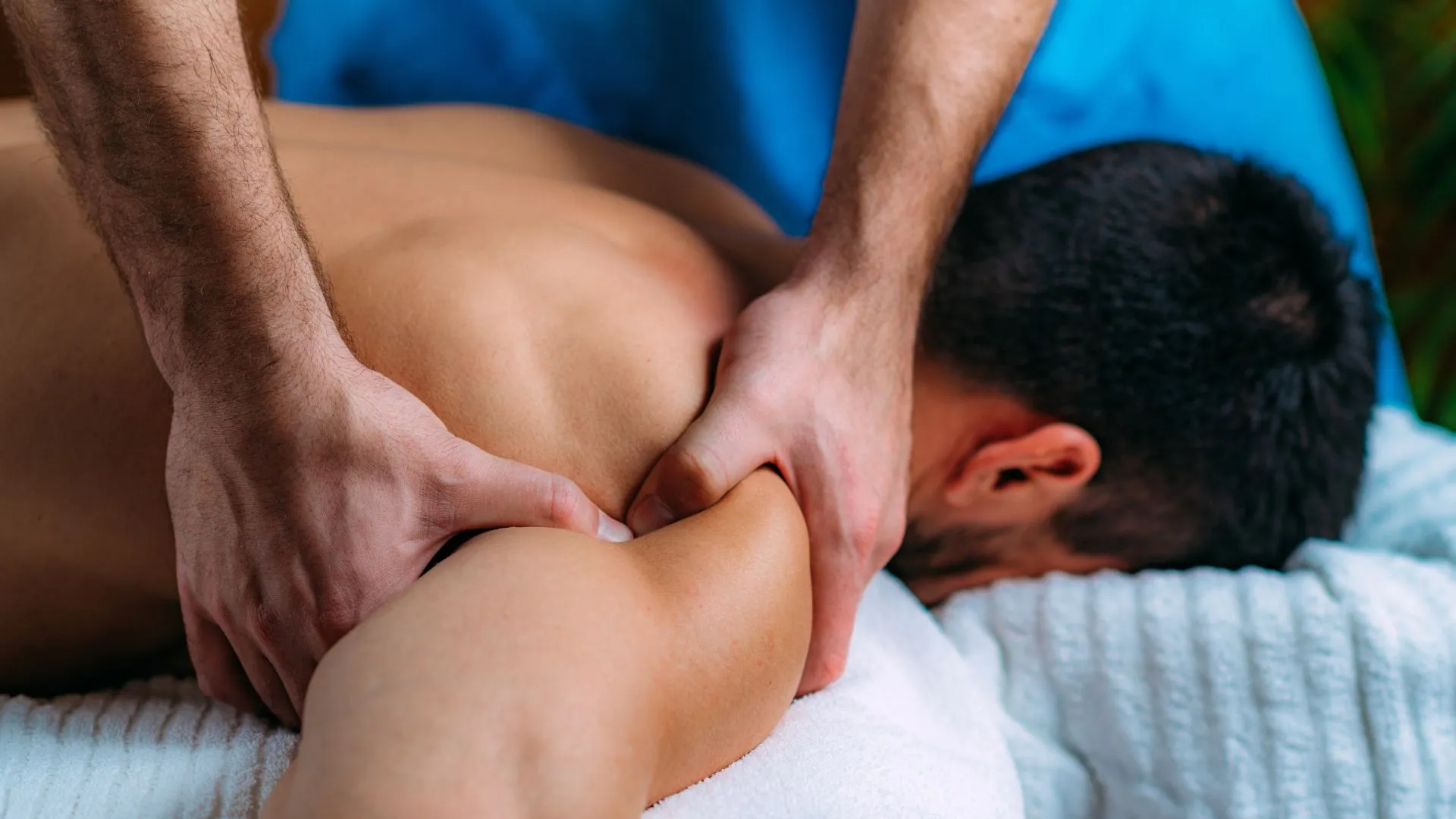
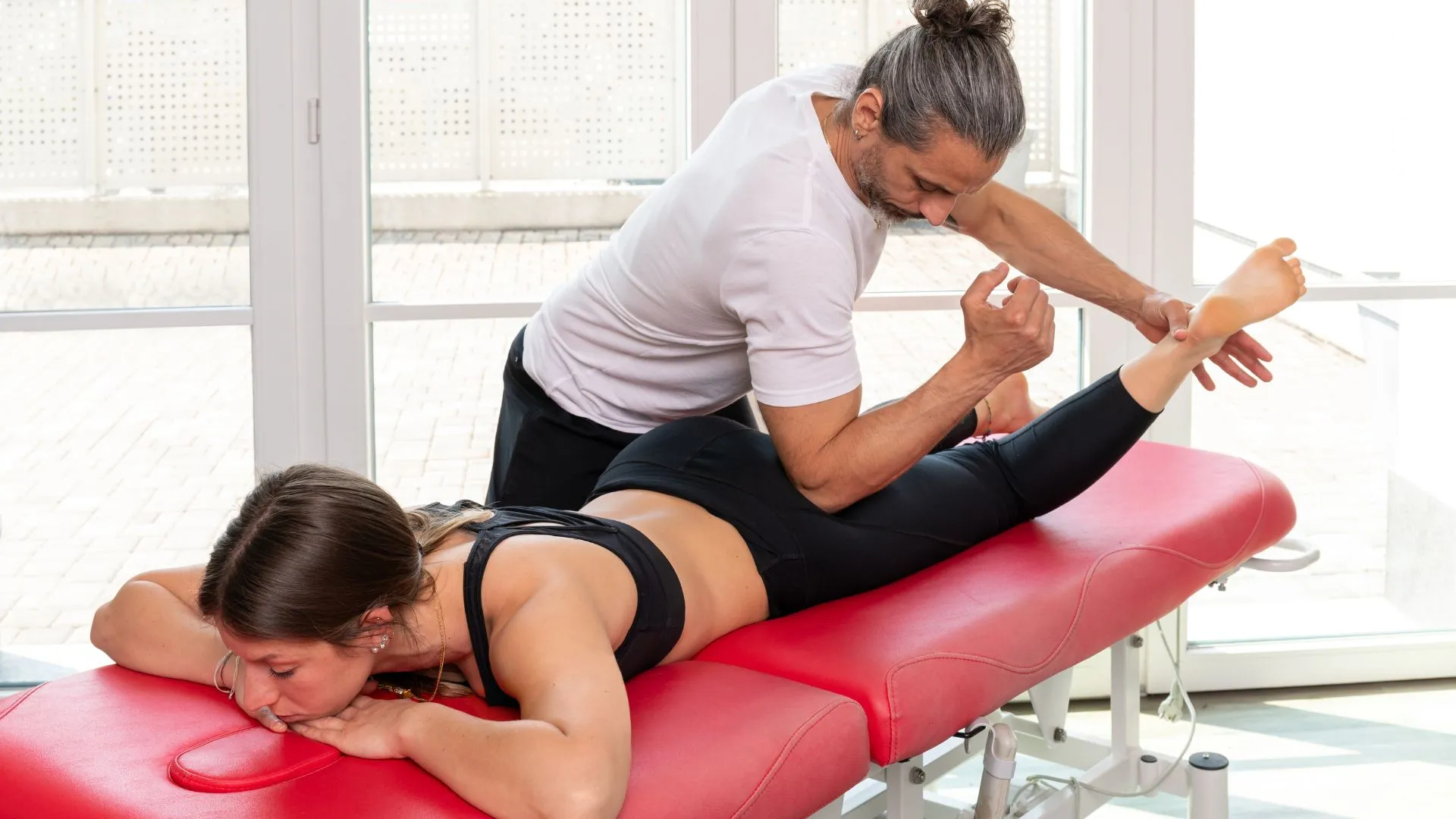
In osteopathy, we perform a structured evaluation of joint mobility, alignment, and movement mechanics. We examine how the spine, pelvis, ribs, and extremities interact. We assess gait, posture, and range of motion.
Massage therapy assessments focus mainly on muscle tension and soft tissue quality in the painful area.
If your shoulder hurts, massage therapy often concentrates on shoulder muscles. In osteopathy, we assess the shoulder, upper back, ribs, neck, and even pelvic alignment to understand why that shoulder strain developed.
Why Osteopathy Often Provides Deeper Pain Relief
Massage therapy reduces muscle tension effectively. Relief often feels immediate. In many cases, muscle tightness returns if underlying joint restriction remains.
Osteopathy addresses both soft tissue and joint mechanics. When a joint remains restricted, muscles continue to compensate. Releasing muscle alone may provide temporary relief.
By restoring joint motion and releasing surrounding fascia, osteopathy reduces mechanical stress at its source. Research on manual therapy for low back pain shows improved short term pain reduction and mobility when joint mobilization combines with soft tissue techniques.
Patients with acute pain often need correction of joint dysfunction, not only muscle relaxation.
Osteopathy For Acute Neck And Back Pain
Acute neck and back pain often involve spinal joint fixation and protective muscle guarding.
During treatment, we:
• Mobilize restricted spinal segments
• Release deep paraspinal muscles
• Improve rib cage movement
• Address pelvic imbalance
This integrated approach reduces pressure on irritated tissues. Patients often report improved range of motion and reduced stiffness within the first few sessions.
Massage therapy may reduce surface tension. Osteopathy targets the structural driver of the pain episode.
Osteopathy For Sciatica And Joint Pain
Sciatica often involves lumbar and pelvic joint dysfunction along with tight hip musculature. Knee and shoulder pain frequently link to altered joint mechanics.
Massage therapy reduces muscle tightness around these areas. Osteopathy evaluates the entire kinetic chain.
For example, ankle restriction may alter walking mechanics and increase knee stress. Treating only the thigh muscles does not correct the joint restriction. Osteopathy addresses both components.
Relaxation vs Structural Correction
Massage therapy excels in relaxation and stress reduction. Many patients book sessions to reduce daily tension and improve overall well being.
Osteopathy focuses on structural correction and pain management. We aim to restore optimal joint mechanics so the body moves with less strain.
If your goal involves acute pain relief, improved mobility, and correction of recurring dysfunction, osteopathy often provides a more comprehensive solution.
When Massage Therapy Is Appropriate
Massage therapy works well for:
• General muscle tension
• Stress related tightness
• Post workout soreness
• Circulation support
• Relaxation sessions
Many patients benefit from combining both services at different stages of care.
Choosing Osteopathy At Mississauga Osteopathy Clinic
Choose osteopathy if you want:
• Full body mechanical assessment
• Joint mobilization combined with soft tissue release
• Focused care for acute flare ups
• Treatment for recurring pain patterns
• Support for long term structural balance
At Mississauga Osteopathy Clinic, we focus on restoring motion, reducing inflammation, and improving functional movement.
If neck pain, back pain, sciatica, or joint stiffness limit your daily life, osteopathic care provides targeted intervention designed to reduce pain at its mechanical source and support lasting recovery.
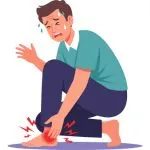
Ankle pain and foot injury disrupt walking, balance, and daily movement. Osteopathy addresses joint restriction, tissue tension, and movement imbalance to restore mobility and support stable, pain free function.
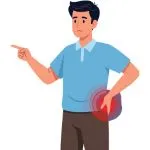
Hip pain and knee injury affect walking, sitting, and daily movement. Osteopathy focuses on joint mobility, muscle balance, and movement control to reduce strain and support long term function.
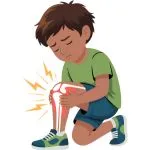
Infants/Children and Youth Injuries
Infants, children, and youth injuries affect movement, posture, and development. Osteopathy focuses on gentle hands on care to address tissue tension, joint restriction, and movement imbalance for healthy growth and function.

Migraines and headaches disrupt focus, sleep, and daily function. Osteopathy focuses on reducing tension, improving circulation, and restoring movement balance to support consistent relief and long term comfort.
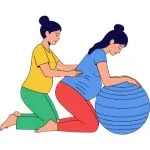
Pregnancy places increased demand on the body, affecting posture, joints, and movement. Osteopathy offers gentle hands on care to support comfort, mobility, and physical balance throughout maternity.
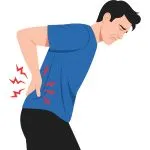
Upper and Lower Back Pain Injury
Upper and lower back pain injury affects movement, posture, and daily activity. Osteopathy focuses on joint mobility, tissue tension, and movement balance to reduce strain and restore functional comfort.
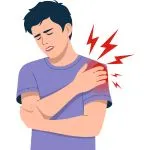
Shoulder pain injury limits arm movement and daily tasks. Osteopathy addresses joint restriction, tissue tension, and movement imbalance to restore mobility and support stable shoulder function.
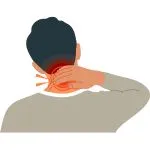
Neck pain injuries restrict movement and strain daily activity. Osteopathy focuses on joint mobility, muscle tension, and movement balance to support comfort and functional stability.
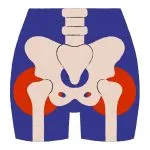
Women pelvic health wellness requires clear guidance and focused care. At Mississauga Osteopathy Clinic, you receive structured osteopathic support designed to improve pelvic function, movement, and daily comfort.
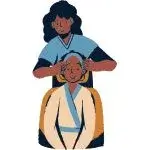
Our Mississauga osteopathy clinic offers Craniosacral Therapy, a gentle hands-on approach that supports natural movement of the skull and sacrum. Using light touch, your osteopath helps release restrictions, improve nervous system balance, and enhance overall body function.