Mississauga Osteopathy Clinic | An Osteopathy approach for Pain Management
- Home
- About
- About Us
- Mission
- Vision
- History
- Our Osteos Team
- Case Studies
- FAQs
- Frequently Asked Questions
- What is Osteopathy?
- Potential Risks And Side Effects
- What Conditions Can Be Treated With Osteopathy?
- Osteopathy And Other Medical Approaches
- The Evidence Base For Osteopathy
- What Training And Qualifications Do Osteopaths Need?
- Who Should Avoid Osteopathic Treatment?
- Preventative Measure and Effective For Treating Existing Conditions
- How Does An Osteopath Diagnose A Patient’s Condition?
- How Does Osteopathy Integrate With Other Medication Or Surgery?
- How Many Sessions Are Typically Required?
- Social Wall
- Testimonials and Ratings
- Contact Us
- Blog
- Services
- Osteopathic Services
- Ankle Pain and Foot Injury
- Craniosacral Therapy
- Hand and Wrist Pain
- Hip Pain and Knee Injury
- Infants/Children and Youth Injury
- Lymphatic Drainage Massage
- Maternity and Pregnancy
- Migraines and Headaches
- Neck Pain Injury
- Respiratory Illness
- Shoulder Pain Injury
- Upper and Lower Back Pain Injury
- Women Pelvic Health Wellness
- What We Treat
-
- Nerve Chart
- Home
- About
- About Us
- Mission
- Vision
- History
- Our Osteos Team
- Case Studies
- FAQs
- Frequently Asked Questions
- What is Osteopathy?
- Potential Risks And Side Effects
- What Conditions Can Be Treated With Osteopathy?
- Osteopathy And Other Medical Approaches
- The Evidence Base For Osteopathy
- What Training And Qualifications Do Osteopaths Need?
- Who Should Avoid Osteopathic Treatment?
- Preventative Measure and Effective For Treating Existing Conditions
- How Does An Osteopath Diagnose A Patient’s Condition?
- How Does Osteopathy Integrate With Other Medication Or Surgery?
- How Many Sessions Are Typically Required?
- Social Wall
- Testimonials and Ratings
- Contact Us
- Services
- Osteopathic Services
- Ankle Pain and Foot Injury
- Hand and Wrist Pain
- Upper and Lower Back Pain Injury
- Shoulder Pain Injury
- Craniosacral Therapy
- Hip Pain and Knee Injury
- Infants/Children and Youth Injury
- Maternity and Pregnancy
- Migraines and Headaches
- Neck Pain Injury
- Respiratory Illness
- Women Pelvic Health Wellness
- What We Treat
-
- Nerve Chart
- Blog
- Book Online
Osteopathic Care for Lymphatic Drainage Massage
Lymphatic Drainage Massage, Mississauga
We provide personalized osteopathic care with gentle hands-on techniques that may support healthy lymph flow and ease areas of swelling or fluid retention. Our practitioners consider your overall movement and body function when providing lymphatic drainage massage in Mississauga.
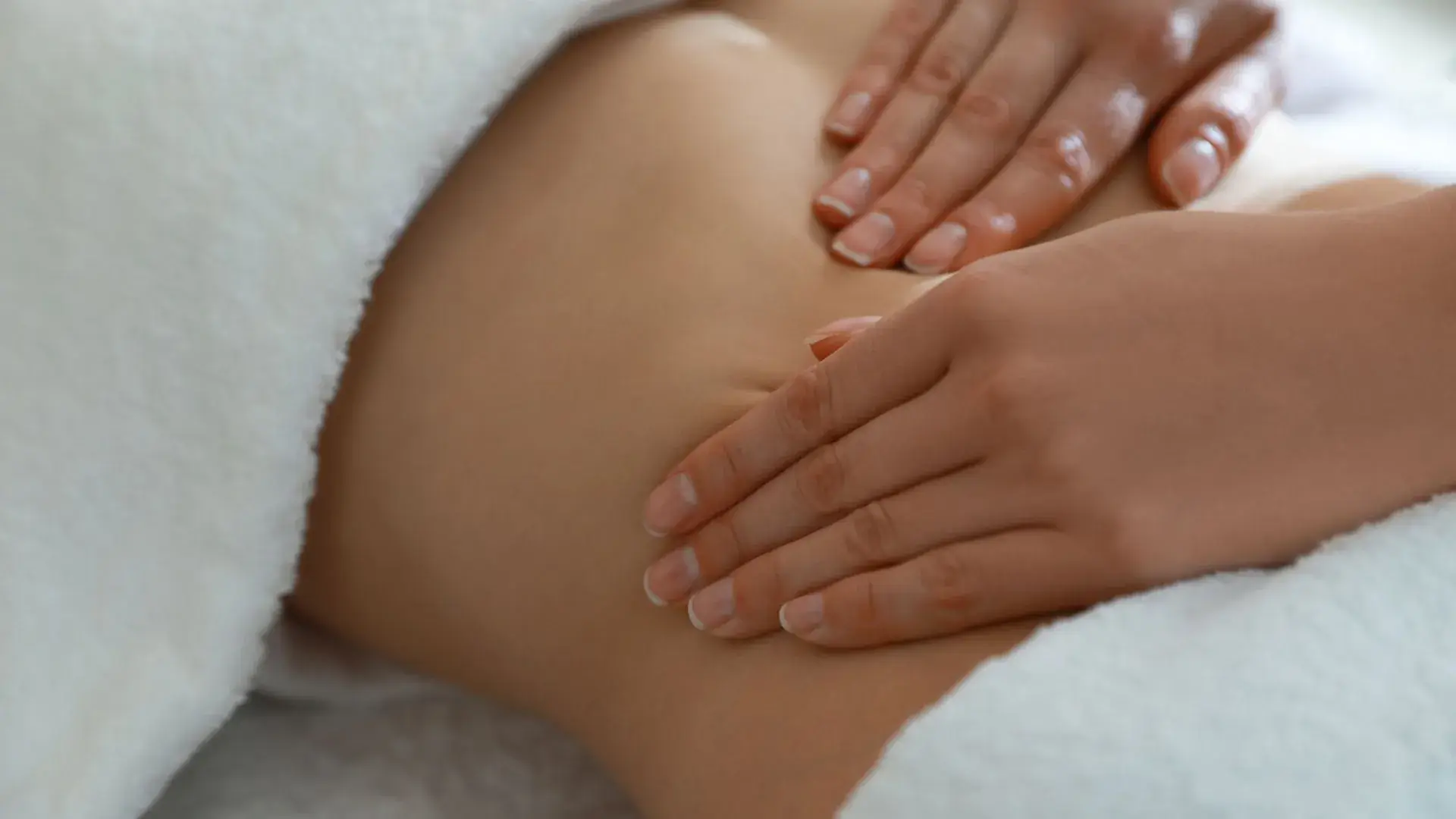
Osteopathy prioritizes your physical well-being, fostering mobility, pain relief, vitality, and overall happiness in Mississauga.

At Mississauga Osteopathy Clinic, we provide gentle, hands-on osteopathic care designed to support the body’s natural movement and function. Lymphatic drainage techniques may be incorporated into osteopathic treatment to encourage healthy lymph flow, address areas of restriction and support people experiencing swelling, heaviness or fluid retention.
Our approach is personalized to each patient. Rather than focusing only on the area where symptoms are present, our osteopathic practitioners consider how different structures and systems throughout the body may be influencing movement, circulation and lymphatic drainage.
If you are looking for lymphatic drainage massage in Mississauga, our clinic provides individualized care in a comfortable and supportive environment.
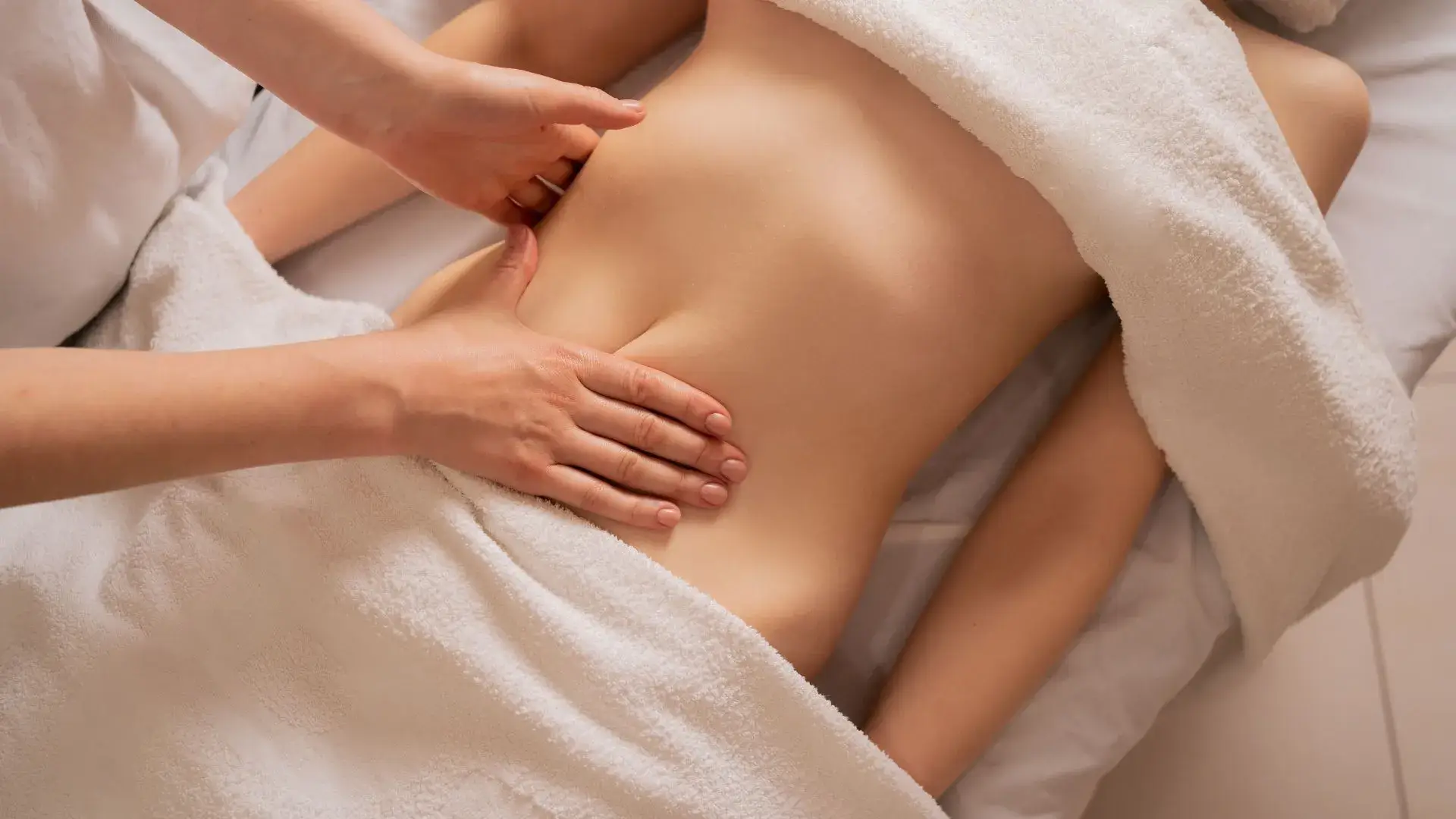
Lymphatic drainage massage, sometimes referred to as manual lymphatic drainage (MLD), is a gentle hands-on technique intended to support the movement of lymphatic fluid through the body.
The lymphatic system is an important part of the body’s circulatory and immune systems. It consists of lymphatic vessels, lymph nodes and other tissues that help transport lymph fluid and return excess fluid from tissues to the bloodstream.
Unlike deep tissue massage, lymphatic drainage typically involves light, controlled and rhythmic movements. The goal is not to apply strong pressure to muscles. Instead, gentle techniques are used to encourage fluid movement and support normal lymphatic circulation.
At Mississauga Osteopathy Clinic, lymphatic techniques can be considered within a broader osteopathic assessment and treatment plan based on your symptoms, medical history and individual needs.
The lymphatic system is a network of vessels and lymph nodes located throughout the body. One of its important functions is collecting excess fluid from tissues and helping return it to the circulatory system.
Unlike blood circulation, which is driven by the heart, lymphatic flow relies significantly on factors such as muscle movement, breathing and changes in pressure throughout the body.
Restrictions in mobility, periods of inactivity and certain injuries, surgeries or health conditions may affect normal fluid movement.
An osteopathic approach considers not only the lymphatic system itself but also surrounding muscles, fascia, joints and other structures that may influence mobility and circulation.
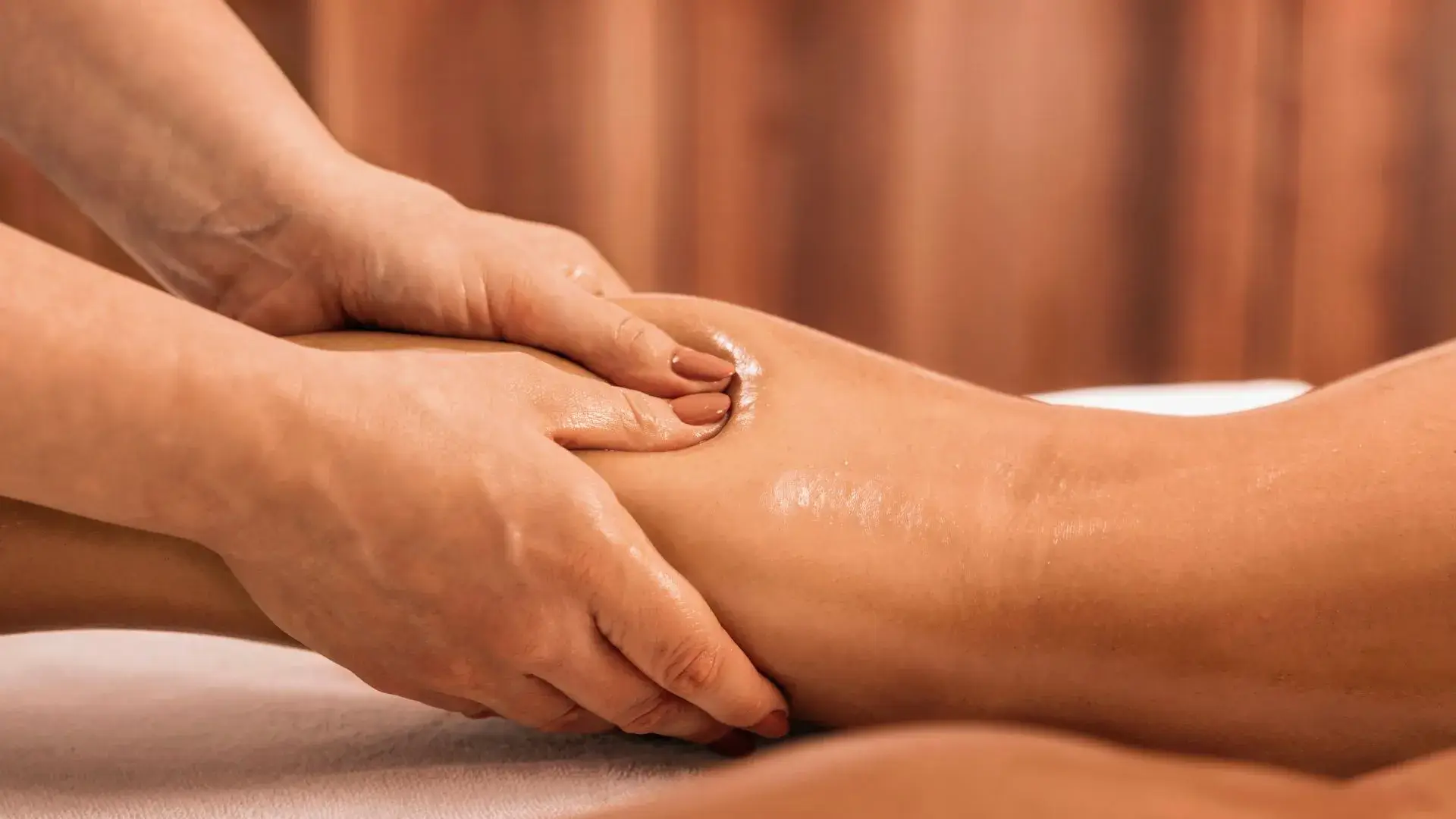
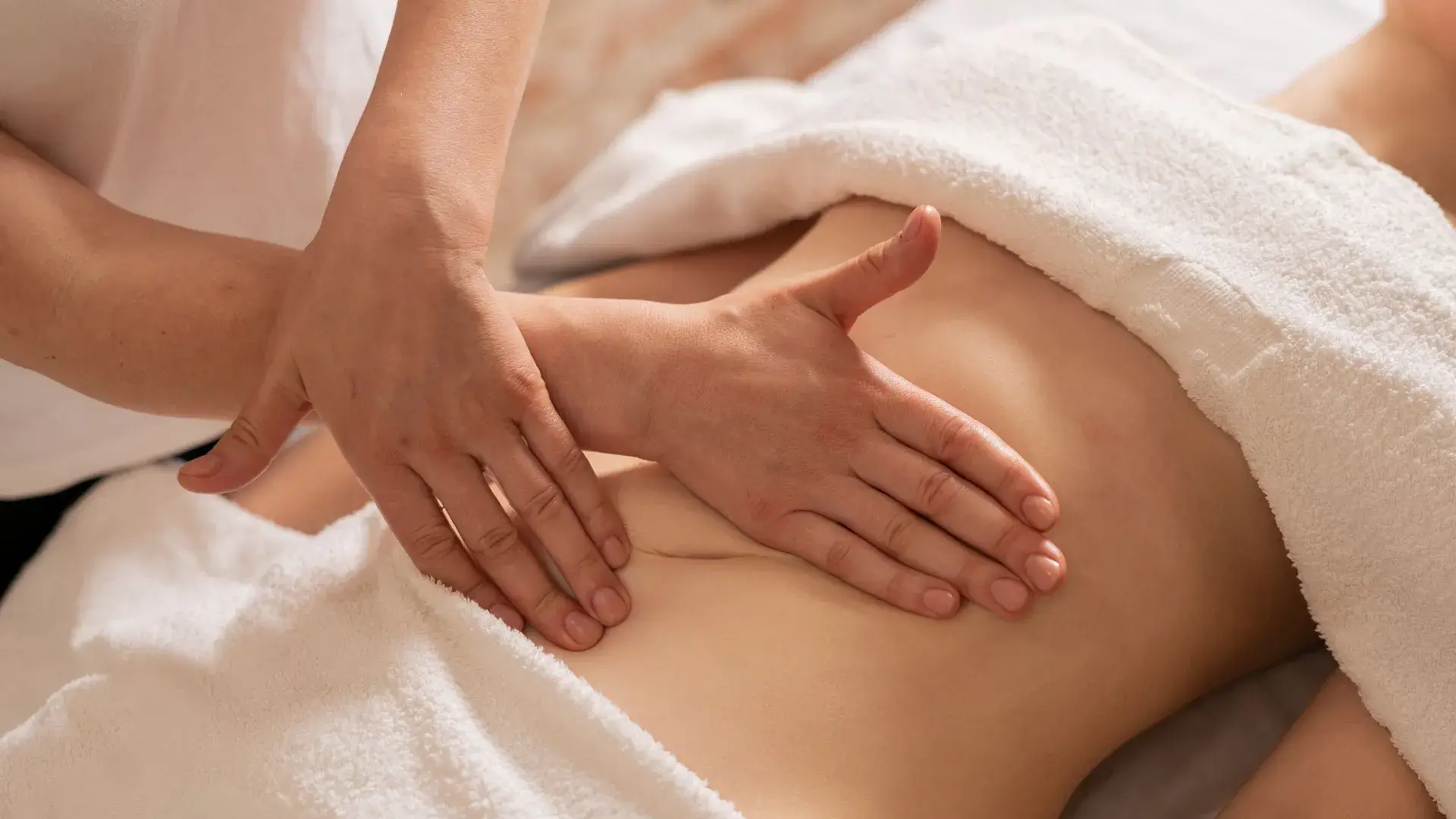
People may consider lymphatic drainage for several different reasons. Some experience a feeling of puffiness, swelling or heaviness, while others are looking for supportive care following periods of reduced activity or as part of a broader healthcare plan.
Depending on the individual and whether treatment is appropriate, people may seek lymphatic drainage techniques for:
- Swelling or puffiness
- Fluid retention
- A feeling of heaviness in the arms or legs
- Tissue tightness or restriction
- Reduced mobility associated with swelling
- Support for healthy lymphatic circulation
- Recovery following certain injuries
- Post-surgical swelling when treatment has been medically cleared
- Lymphedema as part of an appropriate healthcare plan
- General support for mobility and physical well-being
Because swelling can have many different causes, lymphatic drainage is not appropriate for every person or every condition. Persistent, unexplained or sudden swelling should be medically evaluated before manual treatment.
Osteopathy looks at the body as an interconnected system. This makes lymphatic care more than simply working on the location where swelling is noticeable.
During an osteopathic assessment, your practitioner may consider mobility and restrictions in different areas of the body that could potentially influence overall movement and fluid circulation.
Treatment may involve gentle hands-on techniques directed toward soft tissues, fascia and other areas of restriction. Depending on your assessment, lymphatic techniques may also be combined with other appropriate osteopathic methods.
The treatment plan is individualized rather than following the same routine for every patient.
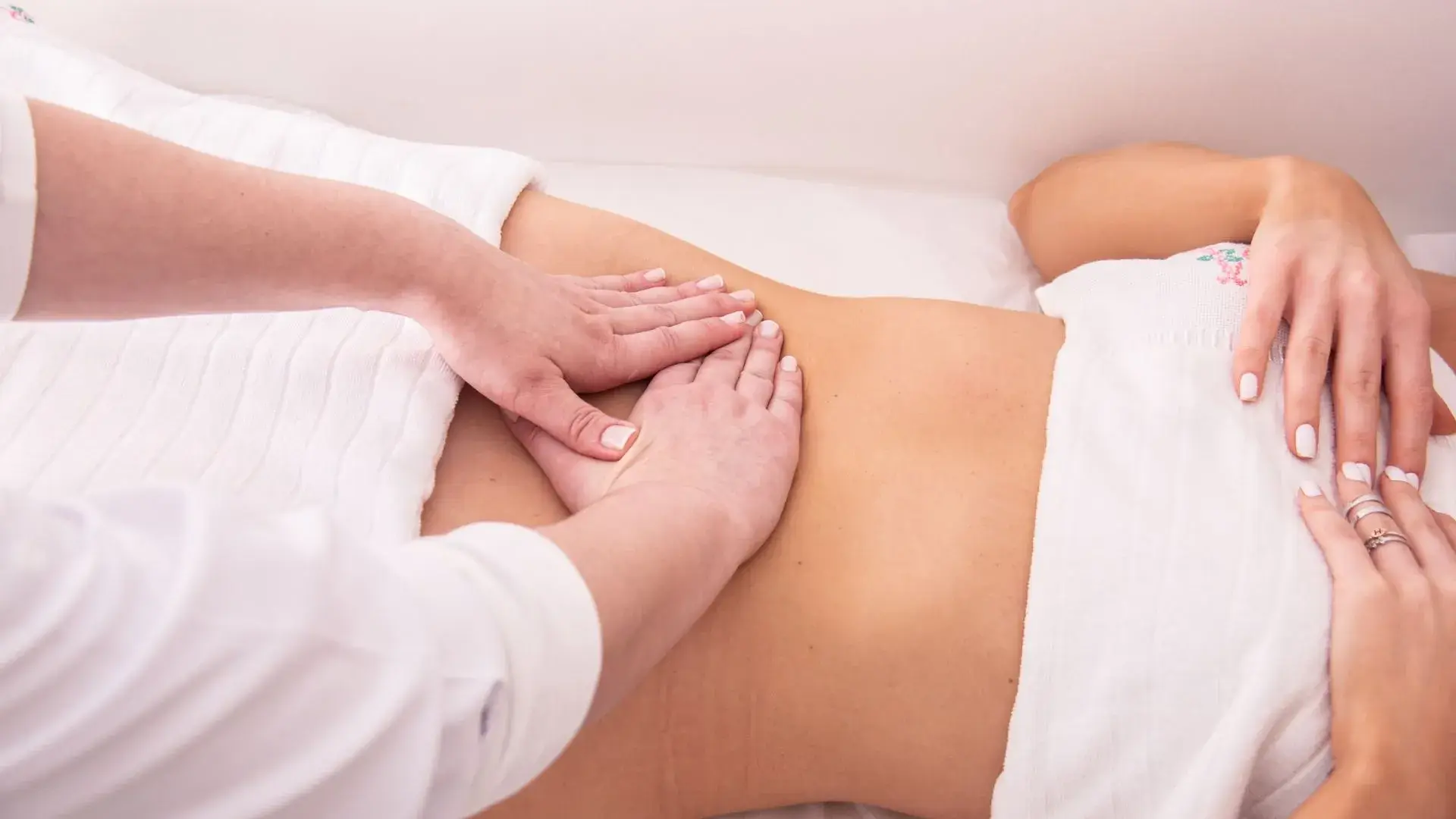
When clinically appropriate, gentle lymphatic drainage techniques may help support lymphatic circulation and improve comfort associated with fluid accumulation.
Potential goals of treatment may include:
- Supporting normal lymph flow
- Helping manage mild swelling or fluid retention
- Reducing feelings of heaviness or tightness
- Supporting comfortable movement
- Addressing restrictions in surrounding soft tissues
- Supporting recovery as part of an appropriate care plan
- Promoting relaxation through gentle manual treatment
Individual responses to treatment vary. Lymphatic drainage should be viewed as supportive care rather than a cure for an underlying medical condition.
Swelling occurs when fluid accumulates within body tissues. There are many possible reasons this can happen, ranging from temporary changes related to activity or injury to underlying medical conditions.
This is why determining the possible cause of swelling is important before beginning treatment.
When manual treatment is appropriate, gentle lymphatic techniques may be used to encourage fluid movement while other osteopathic techniques address mobility and tissue restrictions.
If swelling develops suddenly, is unexplained, is severe or is associated with symptoms such as redness, significant pain, fever, chest pain or difficulty breathing, seek medical attention rather than booking manual lymphatic treatment.
Lymphedema occurs when lymphatic fluid accumulates in tissues because the lymphatic system cannot adequately transport it. It commonly affects an arm or leg, although other areas can also be involved.
Lymphedema may occur following lymph node removal, cancer treatment, radiation or other conditions affecting the lymphatic system.
Management of lymphedema can require a coordinated healthcare approach. Depending on the individual, this may involve professionally recommended compression, exercise, movement, skin care, education and specialized lymphatic treatment.
If you have diagnosed or suspected lymphedema, speak with your physician or appropriate healthcare provider to determine whether manual lymphatic drainage is suitable for you.
Swelling can occur following some surgical procedures as part of the body’s healing response.
Some patients therefore investigate manual lymphatic drainage as part of their recovery. However, post-surgical treatment should only begin when it is appropriate for the procedure performed and your stage of healing.
Before providing treatment, our practitioners will consider your medical history, type and timing of surgery, current symptoms and any recommendations or restrictions provided by your surgeon or healthcare team.
We may request medical clearance when necessary.
Your first appointment begins with a discussion about your health history, current concerns and goals.
Your osteopathic practitioner may ask about:
- Where and when swelling occurs
- Previous injuries or surgeries
- Current or previous medical conditions
- Medications
- Changes in mobility
- Previous treatments
- Relevant cancer treatment or lymph node procedures
- Your current symptoms and treatment goals
An osteopathic assessment may then be performed to better understand movement and areas of restriction throughout the body.
If lymphatic drainage techniques are appropriate, treatment generally uses gentle, controlled movements rather than the strong pressure commonly associated with deep tissue massage.
Your treatment plan and recommendations will depend on your individual findings.
Lymphatic drainage techniques are generally gentle.
Because lymphatic vessels are located close to the surface of the body, excessive pressure is not necessarily beneficial. Treatment typically uses light, rhythmic movements intended to support fluid movement without aggressively compressing the tissues.
Your comfort is important throughout the session. Let your practitioner know if you experience discomfort or have concerns during treatment.
There is no single number of sessions appropriate for everyone.
The frequency and duration of treatment depend on factors such as why you are seeking care, the severity and cause of your symptoms, your overall health and how your body responds.
Some people seek care for temporary concerns, while others have conditions requiring a longer-term, multidisciplinary management strategy.
Following your assessment, your practitioner can discuss an appropriate treatment plan and whether continued sessions are recommended.
Lymphatic drainage is not appropriate in every situation.
Tell your practitioner about all significant health conditions before treatment. Extra caution or medical clearance may be necessary for people with certain cardiovascular, kidney, vascular, infectious or other medical conditions.
You should seek prompt medical assessment for sudden or unexplained swelling, particularly when accompanied by significant pain, redness, warmth, fever, shortness of breath or chest pain.
Our priority is to determine whether osteopathic manual care is appropriate for you. When another healthcare professional should evaluate your symptoms first, we will recommend that you seek appropriate medical care.
Mississauga Osteopathy Clinic provides one-on-one, hands-on osteopathic care with treatment plans developed around each patient’s individual needs.
Our approach considers the relationship between mobility, soft tissues and different areas of the body rather than focusing exclusively on one symptom.
Patients choose our clinic for:
- Personalized one-on-one osteopathic sessions
- Gentle hands-on manual treatment
- Individualized assessment and care
- Experienced osteopathic manual practitioners
- A holistic approach to mobility and physical well-being
- Convenient Lakeshore Road West location
- Care for patients from Mississauga and surrounding communities
Frequently Asked Questions - FAQs
Frequently Asked Questions provide clear guidance on osteopathy care, treatment methods, safety, and expected outcomes. Each answer helps you understand how hands on treatment supports movement, pain relief, and long term physical balance. Content supports informed decisions and confident care planning.
- What Training And Qualifications Do Osteopaths Need?
- Who Should Avoid Osteopathic Treatment?
- Preventative Measure and Effective For Treating Existing Conditions
- How Does An Osteopath Diagnose A Patient’s Condition?
- How Does Osteopathy Integrate With Other Medication Or Surgery?
- How Many Sessions Are Typically Required?
Our osteopathy services in Mississauga focuses on hands on care to restore movement, reduce pain, and improve physical function. Each session includes a full assessment of posture, mobility, and injury history to guide precise treatment. Care targets joint restriction, muscle tension, and circulation limits to support faster recovery and daily comfort. Services support injury recovery, chronic pain relief, postural correction, and long term physical balance.
Ankle pain and foot injury disrupt walking, balance, and daily movement. Osteopathy addresses joint restriction, tissue tension, and movement imbalance to restore mobility and support stable, pain free function.
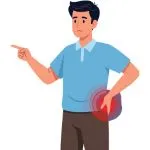
Hip pain and knee injury affect walking, sitting, and daily movement. Osteopathy focuses on joint mobility, muscle balance, and movement control to reduce strain and support long term function.
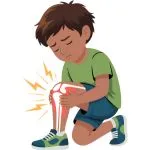
Infants/Children and Youth Injuries
Infants, children, and youth injuries affect movement, posture, and development. Osteopathy focuses on gentle hands on care to address tissue tension, joint restriction, and movement imbalance for healthy growth and function.

Migraines and headaches disrupt focus, sleep, and daily function. Osteopathy focuses on reducing tension, improving circulation, and restoring movement balance to support consistent relief and long term comfort.
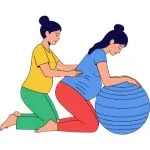
Pregnancy places increased demand on the body, affecting posture, joints, and movement. Osteopathy offers gentle hands on care to support comfort, mobility, and physical balance throughout maternity.
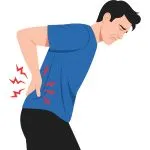
Upper and Lower Back Pain Injury
Upper and lower back pain injury affects movement, posture, and daily activity. Osteopathy focuses on joint mobility, tissue tension, and movement balance to reduce strain and restore functional comfort.
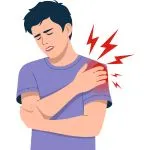
Shoulder pain injury limits arm movement and daily tasks. Osteopathy addresses joint restriction, tissue tension, and movement imbalance to restore mobility and support stable shoulder function.
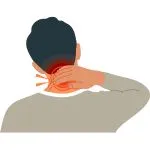
Neck pain injuries restrict movement and strain daily activity. Osteopathy focuses on joint mobility, muscle tension, and movement balance to support comfort and functional stability.
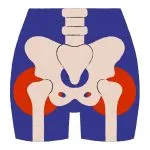
Women pelvic health wellness requires clear guidance and focused care. At Mississauga Osteopathy Clinic, you receive structured osteopathic support designed to improve pelvic function, movement, and daily comfort.
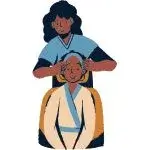
Our Mississauga osteopathy clinic offers Craniosacral Therapy, a gentle hands-on approach that supports natural movement of the skull and sacrum. Using light touch, your osteopath helps release restrictions, improve nervous system balance, and enhance overall body function.
What We Treat
Ankle Conditions
Back Pain Injury
Knee Conditions
Shoulder Conditions
Hip Injury
Elbow Conditions
About City Of Mississauga Ontario
Mississauga, Ontario, is a thriving city located along the shores of Lake Ontario, just west of Toronto. As one of Canada’s largest and fastest-growing cities, it is home to a diverse and multicultural population. With Pearson International Airport, the country’s busiest airport, and major corporate headquarters, Mississauga has established itself as a key business and economic hub in Canada. The city’s modern skyline, featuring high-rise condominiums and commercial developments, is complemented by green spaces, waterfront parks, and vibrant cultural attractions.
One of Mississauga’s most notable landmarks is Square One Shopping Centre, one of the largest malls in Canada, attracting millions of visitors each year. The downtown core is rapidly evolving, with new residential and commercial projects reshaping the city’s landscape. Meanwhile, neighborhoods like Port Credit offer a charming, lakefront lifestyle with boutique shops, cafes, and marinas, making it a popular destination for both residents and tourists. Historic Streetsville, with its small-town charm, provides a glimpse into Mississauga’s past while offering modern amenities.
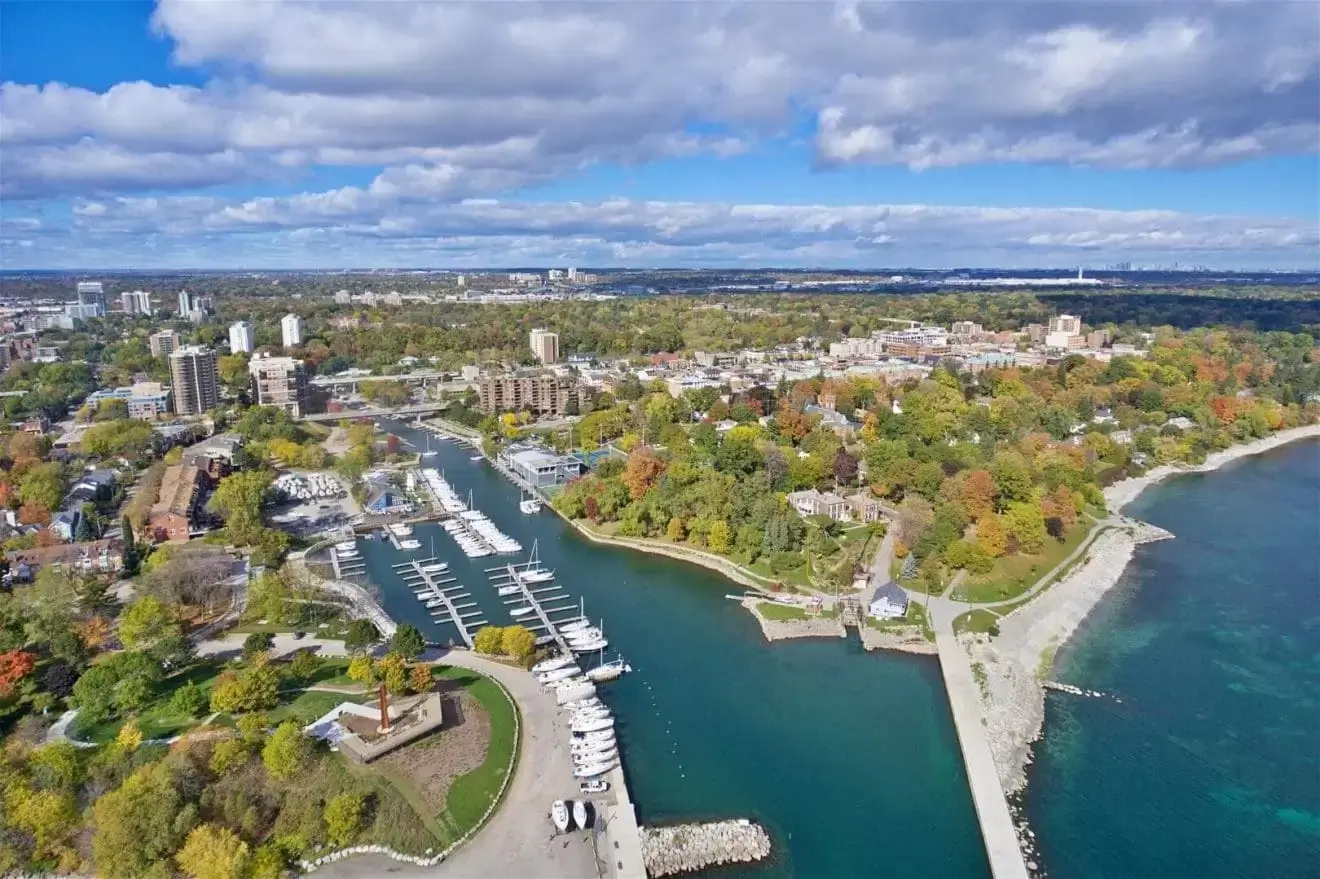

Mississauga is also a city committed to education and innovation, with top-rated schools, colleges, and easy access to leading universities in the Greater Toronto Area. The city’s public transit system is expanding, with new LRT and GO Transit projects aiming to enhance connectivity and reduce congestion. With a strong focus on community development and sustainability, Mississauga continues to improve its infrastructure, recreational spaces, and public services to meet the needs of its growing population.
Beyond its economic success, Mississauga is a welcoming and family-friendly city with a strong sense of community. The city hosts numerous cultural festivals, outdoor events, and recreational activities, celebrating its diverse population. Whether enjoying waterfront trails in Lakeview, exploring Erin Mills and Meadowvale’s parks, or experiencing arts and performances at the Living Arts Centre, Mississauga offers something for everyone. With its blend of urban convenience and suburban comfort, it remains a top choice for those looking to live, work, and thrive in a dynamic and inclusive environment.
- Hurontario St
- Dundas St
- Eglinton Ave
- Burnhamthorpe Rd
- Lakeshore Rd
- Britannia Rd
- Matheson Blvd
- Mavis Rd
- Dixie Rd
- Winston Churchill Blvd
- Queensway
- Cawthra Rd
- Erin Mills Pkwy
- Derry Rd
Central Mississauga
- L4Z,
- L5B,
- L5C
North Mississauga
- L5N
- L5M
- L5V
- L4Z
- L5R
West Mississauga
- L5L
- L5M
East Mississauga
- L4W
- L4X
- L4Y
- L4Z
- L5A
South Mississauga
- L5G
- L5H
- L5J
- L5K
- L5E
References
Cleveland Clinic. (2024, April 25). Ankle pain. Cleveland Clinic. https://my.clevelandclinic.org/health/symptoms/15295-ankle-pain
Mayo Clinic. (2022, August 11). Sprained ankle: Symptoms and causes. Mayo Clinic. https://www.mayoclinic.org/diseases-conditions/sprained-ankle/symptoms-causes/syc-20353225
Government of Alberta. (n.d.). Foot pain. MyHealth.Alberta.ca. https://myhealth.alberta.ca/Health/pages/conditions.aspx?hwid=footi
OrthoNebraska. (n.d.). Pinpoint foot and ankle pain. OrthoNebraska. https://orthonebraska.com/pinpoint-foot-and-ankle-pain/
Book an Osteopath Appointment With Us