
Osteopathy prioritizes your physical well-being, fostering mobility, pain relief, vitality, and overall happiness in Mississauga.

Professional Osteopathy in Mississauga

We are proud to be recognized as the Best Osteopath Near Mississauga, offering expert care for conditions like intersection syndrome. Our approach focuses on identifying the root cause of your pain and delivering targeted, hands-on treatment.

With us, you receive personalized care designed to reduce inflammation, restore proper movement, and prevent future strain. We are committed to helping you regain strength, mobility, and confidence in your daily activities.

Intersection Syndrome - Mississauga Osteopathy Clinic

Top-Rated Mississauga Osteopathic Manual Practitioners

Amanpreet Kaur - Osteopathic Practitioner - CPMDQ Licensed Practitioner - ACMA Member
Amanpreet Kaur (CPMDQ), ACMA
Sharenpreet-Kaur-Osteopathy-in-Mississauga
Sharanpreet Kaur (D.O.M.P),

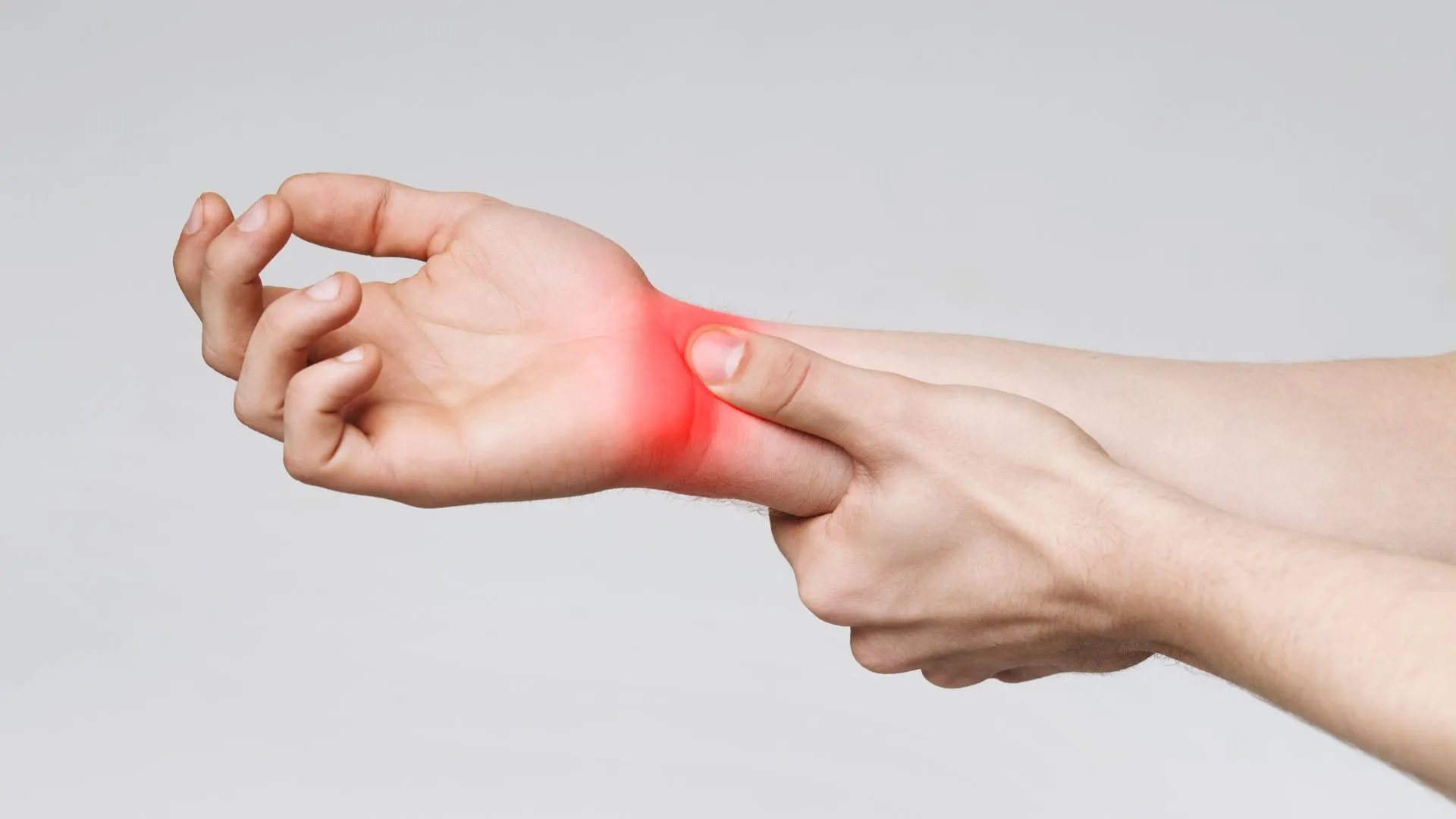
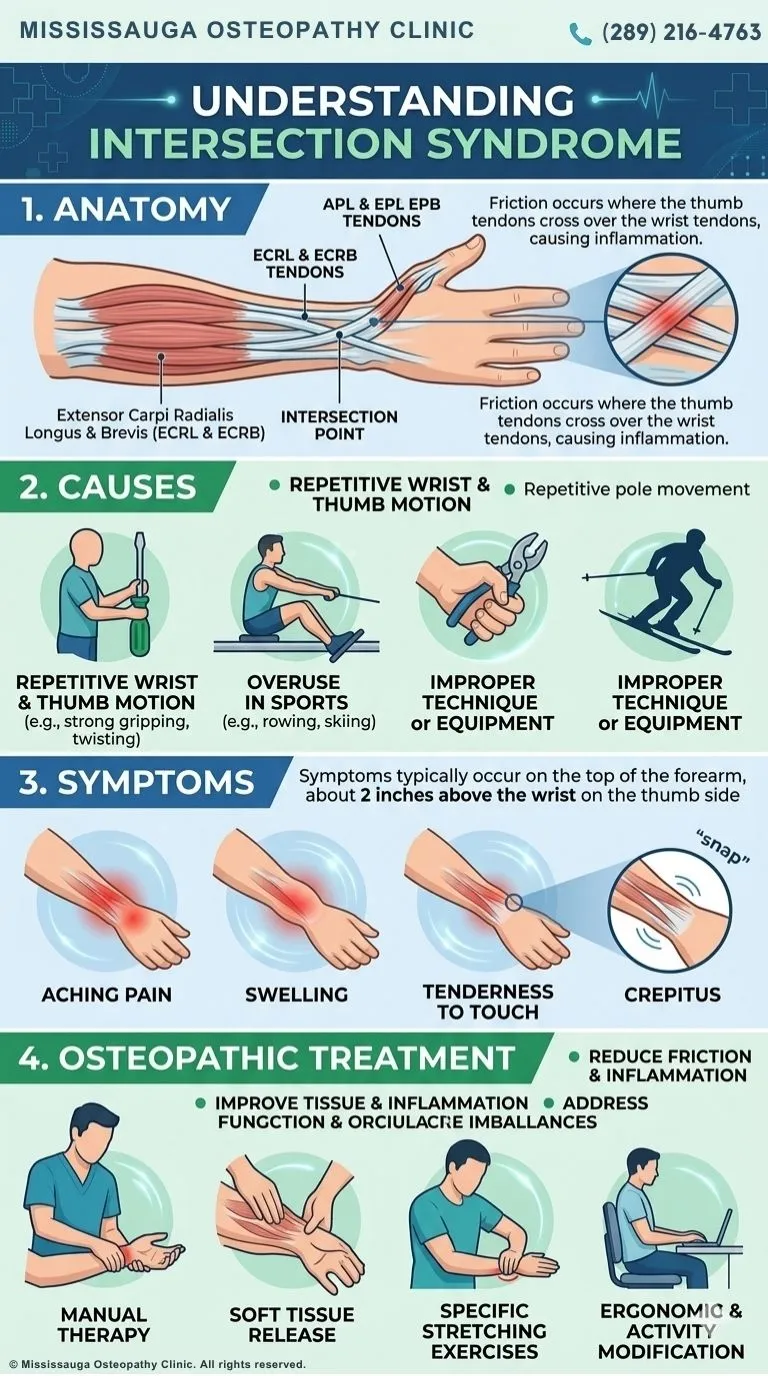
Intersection syndrome is a painful condition affecting the forearm and wrist, often seen in individuals who perform repetitive wrist movements. Activities such as weightlifting, skiing, canoeing, or even heavy yard work like raking and shoveling can contribute to its development.

This condition occurs when specific tendons in the forearm become irritated due to repeated friction, leading to inflammation and discomfort.

This guide explains the structures involved, the causes of the condition, and the most effective ways to relieve pain and restore function.
Anatomy

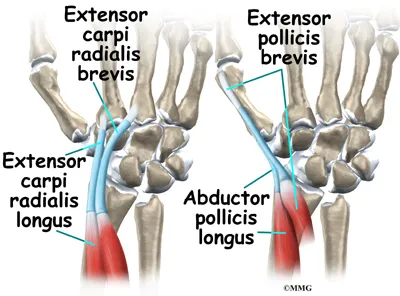
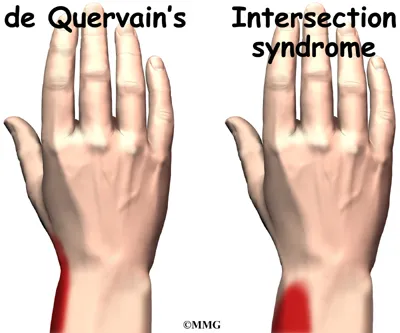
The discomfort associated with intersection syndrome is typically felt on the top of the forearm, approximately three inches above the wrist. This is the point where two thumb-related muscles cross over underlying wrist tendons.

The muscles involved—the abductor pollicis longus and extensor pollicis brevis—originate in the forearm and extend toward the thumb, allowing it to move outward and backward.

Beneath these muscles are the wrist extensor tendons, including the extensor carpi radialis longus and brevis, which help extend the wrist. These structures work together to produce smooth and coordinated hand movements.

Surrounding these tendons is a thin, lubricating layer called the tenosynovium. This tissue allows the tendons to glide effortlessly. When irritation occurs, this smooth movement is disrupted, leading to inflammation and pain.

Wrist Intersection Syndrome Anatomy

Causes

Intersection syndrome develops primarily due to repetitive strain on the wrist extensor tendons. Continuous friction between these tendons and the overlying thumb muscles leads to irritation of the tenosynovium.

As inflammation progresses, the tissue thickens and swelling occurs, making movement painful. Activities that involve repeated wrist flexion and extension—especially motions that bend the wrist downward and inward—are common contributors.

This repetitive motion creates a friction effect similar to two surfaces rubbing together, gradually increasing irritation. Sports like skiing, rowing, and racket sports, as well as occupational tasks involving gripping or twisting, can all place excessive strain on the wrist.

Symptoms

The most noticeable symptom is pain on the top of the forearm near the wrist. This discomfort may be accompanied by swelling and redness in the affected area.

A distinctive feature of this condition is a creaking or squeaking sensation during movement, known as crepitus. This occurs as the inflamed tendons rub against surrounding structures.

Pain may extend toward the thumb or travel up the forearm. In more advanced cases, everyday hand movements can become uncomfortable and limited.

Diagnosis

Diagnosis is typically made through a detailed physical examination. We assess the location of your pain and evaluate wrist and forearm movement to identify the affected structures.

A key part of the assessment involves distinguishing intersection syndrome from similar conditions such as de Quervain’s tenosynovitis. Although both involve tendon inflammation, the location of pain differs.

Careful evaluation helps pinpoint the exact source of discomfort, ensuring accurate diagnosis and appropriate treatment.

wrist intersection syndrome diagnosis01

Treatment

Nonsurgical Treatment

The first step in treatment is modifying or avoiding activities that trigger symptoms. Reducing repetitive strain allows the irritated tissues to recover.

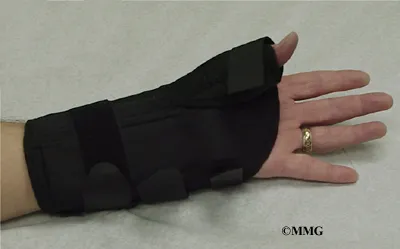
We guide you in maintaining proper wrist alignment and avoiding positions that increase stress on the tendons. A thumb-spica splint may be recommended to immobilize the wrist and thumb, providing the rest needed for healing.

Anti-inflammatory medications and ice therapy can help reduce swelling and relieve discomfort. If symptoms persist, corticosteroid injections may be considered to manage inflammation more effectively.

Therapeutic care plays a key role in recovery. We focus on improving movement patterns, correcting strain-inducing habits, and strengthening surrounding structures to support long-term healing.

wrist intersection syndrome treatment01

Surgery

Surgical intervention is rarely required and is reserved for severe or persistent cases. When necessary, the procedure involves removing the inflamed tissue surrounding the tendons to reduce friction.

This outpatient procedure is typically straightforward and designed to restore smooth tendon movement while relieving pressure.

Rehabilitation

Nonsurgical Rehabilitation

Most individuals respond well to conservative care and notice improvement within four to six weeks. Gradual return to activity is encouraged as pain decreases and mobility improves.

We emphasize proper movement techniques and preventive strategies to reduce the risk of recurrence.

After Surgery

Recovery following surgery involves a structured rehabilitation plan. Initially, the hand and wrist are protected while healing begins.

Gentle movements are introduced early to maintain flexibility, followed by progressive strengthening exercises. Therapy focuses on restoring full range of motion, improving coordination, and rebuilding strength in the wrist and thumb.

As recovery progresses, exercises become more functional, helping you safely return to work, sports, and daily activities.

Our osteopathy services in Mississauga focuses on hands on care to restore movement, reduce pain, and improve physical function. Each session includes a full assessment of posture, mobility, and injury history to guide precise treatment. Care targets joint restriction, muscle tension, and circulation limits to support faster recovery and daily comfort. Services support injury recovery, chronic pain relief, postural correction, and long term physical balance.

Ankle Pain and Foot Injury

Ankle Pain and Foot Injury

Ankle pain and foot injury disrupt walking, balance, and daily movement. Osteopathy addresses joint restriction, tissue tension, and movement imbalance to restore mobility and support stable, pain free function.

Hip Pain and Knee Injury

Hip Pain and Knee Injury

Hip pain and knee injury affect walking, sitting, and daily movement. Osteopathy focuses on joint mobility, muscle balance, and movement control to reduce strain and support long term function.

Children and Youth Injuries

Infants/Children and Youth Injuries

Infants, children, and youth injuries affect movement, posture, and development. Osteopathy focuses on gentle hands on care to address tissue tension, joint restriction, and movement imbalance for healthy growth and function.

Migraines and Headaches

Migraines and Headaches

Migraines and headaches disrupt focus, sleep, and daily function. Osteopathy focuses on reducing tension, improving circulation, and restoring movement balance to support consistent relief and long term comfort.

Maternity and Pregnancy

Maternity and Pregnancy

Pregnancy places increased demand on the body, affecting posture, joints, and movement. Osteopathy offers gentle hands on care to support comfort, mobility, and physical balance throughout maternity.

Upper and Lower Back Pain Injury 1

Upper and Lower Back Pain Injury

Upper and lower back pain injury affects movement, posture, and daily activity. Osteopathy focuses on joint mobility, tissue tension, and movement balance to reduce strain and restore functional comfort.

Shoulder Pain Injury

Shoulder Pain Injury

Shoulder pain injury limits arm movement and daily tasks. Osteopathy addresses joint restriction, tissue tension, and movement imbalance to restore mobility and support stable shoulder function.

Neck Pain Injury

Neck Pain Injury

Neck pain injuries restrict movement and strain daily activity. Osteopathy focuses on joint mobility, muscle tension, and movement balance to support comfort and functional stability.

Women Pelvic Health Wellness

Women Pelvic Health Wellness

Women pelvic health wellness requires clear guidance and focused care. At Mississauga Osteopathy Clinic, you receive structured osteopathic support designed to improve pelvic function, movement, and daily comfort.

Craniosacral Therapy

Craniosacral Therapy

Our Mississauga osteopathy clinic offers Craniosacral Therapy, a gentle hands-on approach that supports natural movement of the skull and sacrum. Using light touch, your osteopath helps release restrictions, improve nervous system balance, and enhance overall body function.

C Spinal Category

L Spinal Category

About City Of Mississauga Ontario

Mississauga, Ontario, is a thriving city located along the shores of Lake Ontario, just west of Toronto. As one of Canada’s largest and fastest-growing cities, it is home to a diverse and multicultural population. With Pearson International Airport, the country’s busiest airport, and major corporate headquarters, Mississauga has established itself as a key business and economic hub in Canada. The city’s modern skyline, featuring high-rise condominiums and commercial developments, is complemented by green spaces, waterfront parks, and vibrant cultural attractions.

One of Mississauga’s most notable landmarks is Square One Shopping Centre, one of the largest malls in Canada, attracting millions of visitors each year. The downtown core is rapidly evolving, with new residential and commercial projects reshaping the city’s landscape. Meanwhile, neighborhoods like Port Credit offer a charming, lakefront lifestyle with boutique shops, cafes, and marinas, making it a popular destination for both residents and tourists. Historic Streetsville, with its small-town charm, provides a glimpse into Mississauga’s past while offering modern amenities.

About Mississauga
mississauga ontario

Mississauga is also a city committed to education and innovation, with top-rated schools, colleges, and easy access to leading universities in the Greater Toronto Area. The city’s public transit system is expanding, with new LRT and GO Transit projects aiming to enhance connectivity and reduce congestion. With a strong focus on community development and sustainability, Mississauga continues to improve its infrastructure, recreational spaces, and public services to meet the needs of its growing population.

Beyond its economic success, Mississauga is a welcoming and family-friendly city with a strong sense of community. The city hosts numerous cultural festivals, outdoor events, and recreational activities, celebrating its diverse population. Whether enjoying waterfront trails in Lakeview, exploring Erin Mills and Meadowvale’s parks, or experiencing arts and performances at the Living Arts Centre, Mississauga offers something for everyone. With its blend of urban convenience and suburban comfort, it remains a top choice for those looking to live, work, and thrive in a dynamic and inclusive environment.

Major Street Intersections
Neighbourhoods
Postal Codes

Central Mississauga

  • L4Z,
  • L5B,
  • L5C

North Mississauga

  • L5N
  • L5M
  • L5V
  • L4Z
  • L5R

West Mississauga

  • L5L
  • L5M

East Mississauga

  • L4W
  • L4X
  • L4Y
  • L4Z
  • L5A

South Mississauga

  • L5G
  • L5H
  • L5J
  • L5K
  • L5E
Others

References

Orthobullets. (2023, February 7). Intersection syndrome. https://www.orthobullets.com/hand/6032/intersection-syndrome

Physiopedia. (n.d.). Intersection syndrome. https://www.physio-pedia.com/Intersection_Syndrome

Michols, N. J., & Kiel, J. (2025). Intersection syndrome. In StatPearls. StatPearls Publishing. https://www.ncbi.nlm.nih.gov/books/NBK430899/

Osteopaths New Zealand. (n.d.). What is osteopathy? https://www.osteopathsnz.co.nz/what-is-osteopathy/

Book an Osteopath Appointment With Us