Osteopathy prioritizes your physical well-being, fostering mobility, pain relief, vitality, and overall happiness in Mississauga.
Understanding the Sacral Plexus
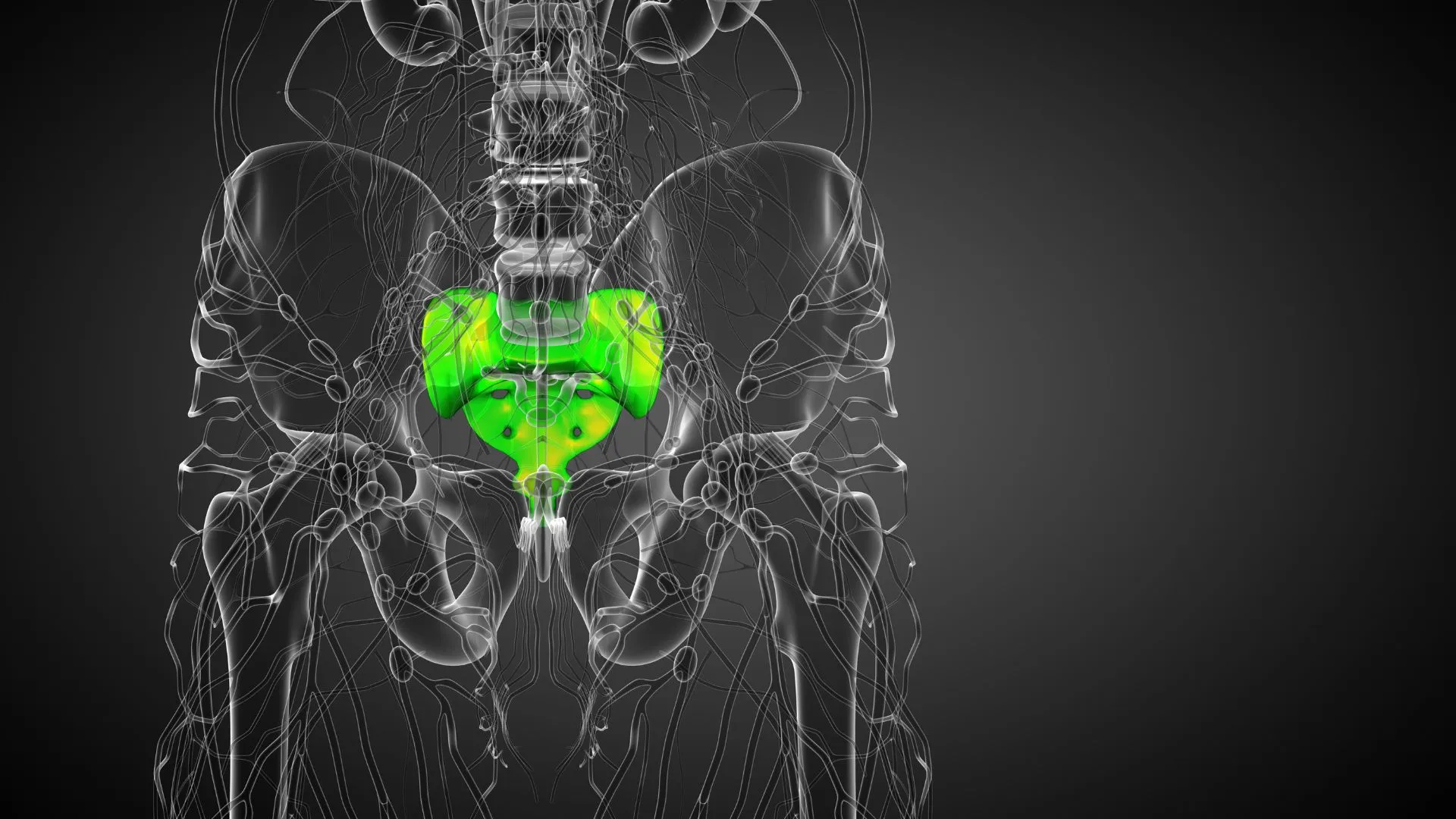
At our Osteopath By Mississauga, Ontario, the sacral plexus is recognized as a critical nerve network responsible for both movement and sensation in the lower body. Located along the back wall of the pelvis, it supplies the lower back, gluteal region, back of the thigh, and extends its influence down to the legs and feet.
Formation and Location
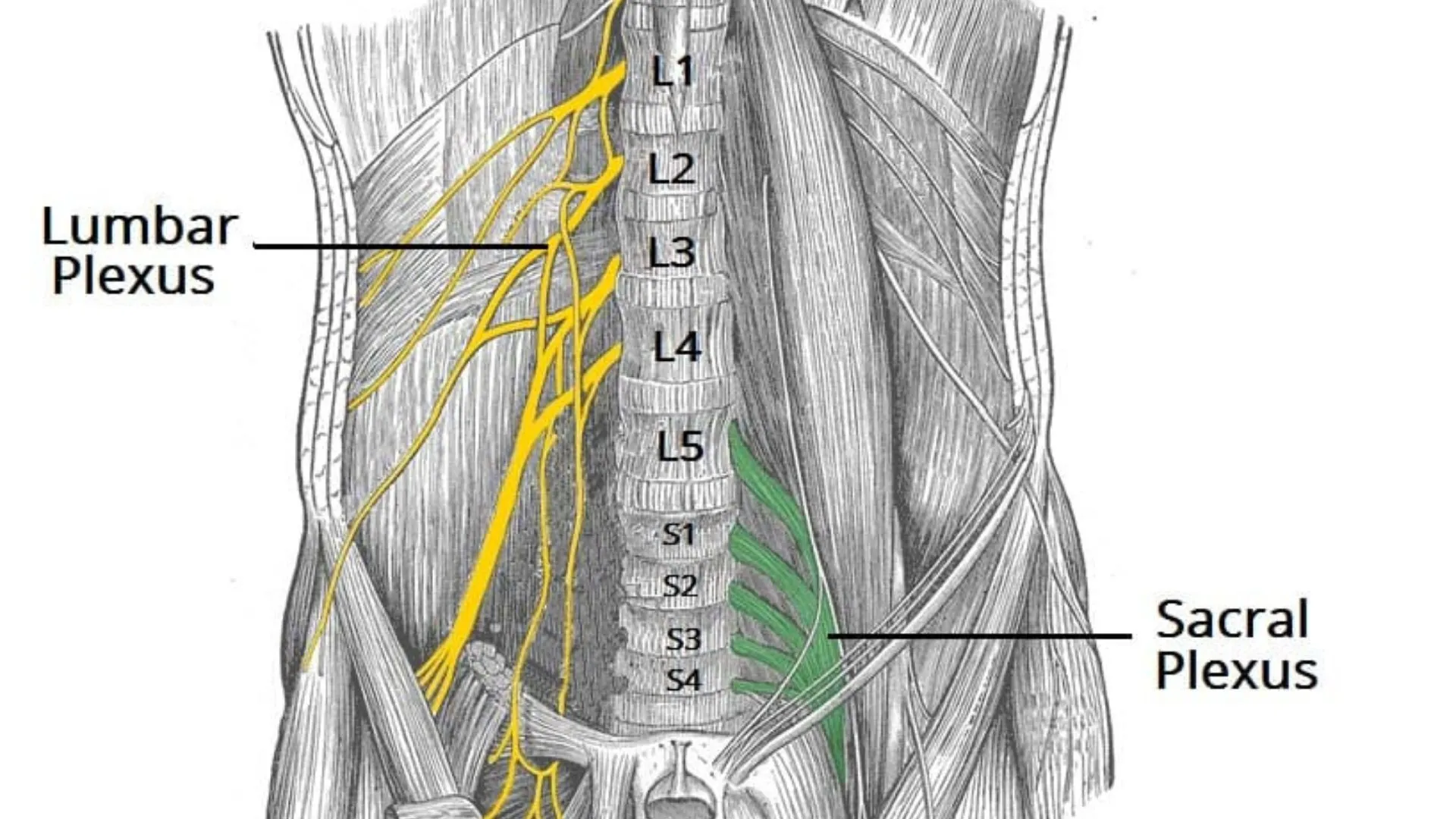
From our clinical perspective, the sacral plexus is formed by the anterior branches of spinal nerves from L4 through S4. The L4 and L5 nerves combine to form the lumbosacral trunk, which descends into the pelvis and integrates with the sacral nerves.
This network lies on the front surface of the piriformis muscle, positioning it in a key area where structural or muscular tension can easily affect nerve function.

Major Nerves and Their Functions
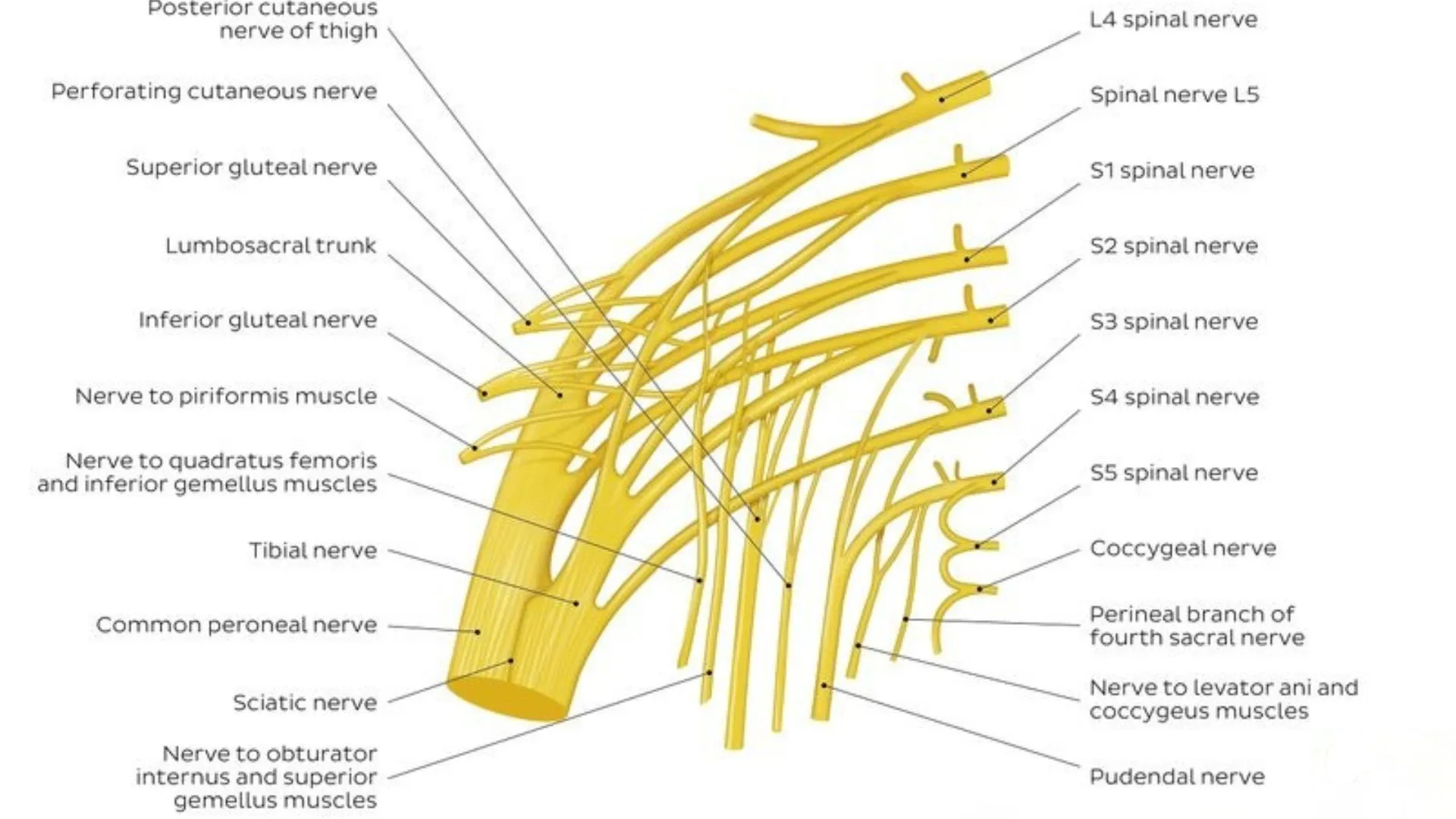
The sacral plexus gives rise to several important nerves that support lower body function. The sciatic nerve, the largest branch, plays a central role in controlling the posterior thigh and all structures below the knee, including the lower leg, ankle, and foot.
The pudendal nerve provides motor and sensory supply to the pelvic floor, including the external urinary and anal sphincters. Meanwhile, the superior and inferior gluteal nerves control the gluteal muscles, which are essential for stability and movement.
Additionally, the posterior femoral cutaneous nerve delivers sensation to the skin along the back of the thigh and portions of the lower leg.

Clinical Significance
We often see that dysfunction affecting the sacral plexus can lead to a wide range of symptoms. Conditions such as sacral plexopathy may result in significant pain, muscle weakness, or altered sensation in the lower limbs. In more severe cases, individuals may experience issues like foot drop or difficulty with coordinated movement.
These problems can arise from trauma, structural imbalances, or compression within the pelvic region, including factors such as injury or strain during childbirth.
Osteopathic Treatment for Sacral Plexus Dysfunction
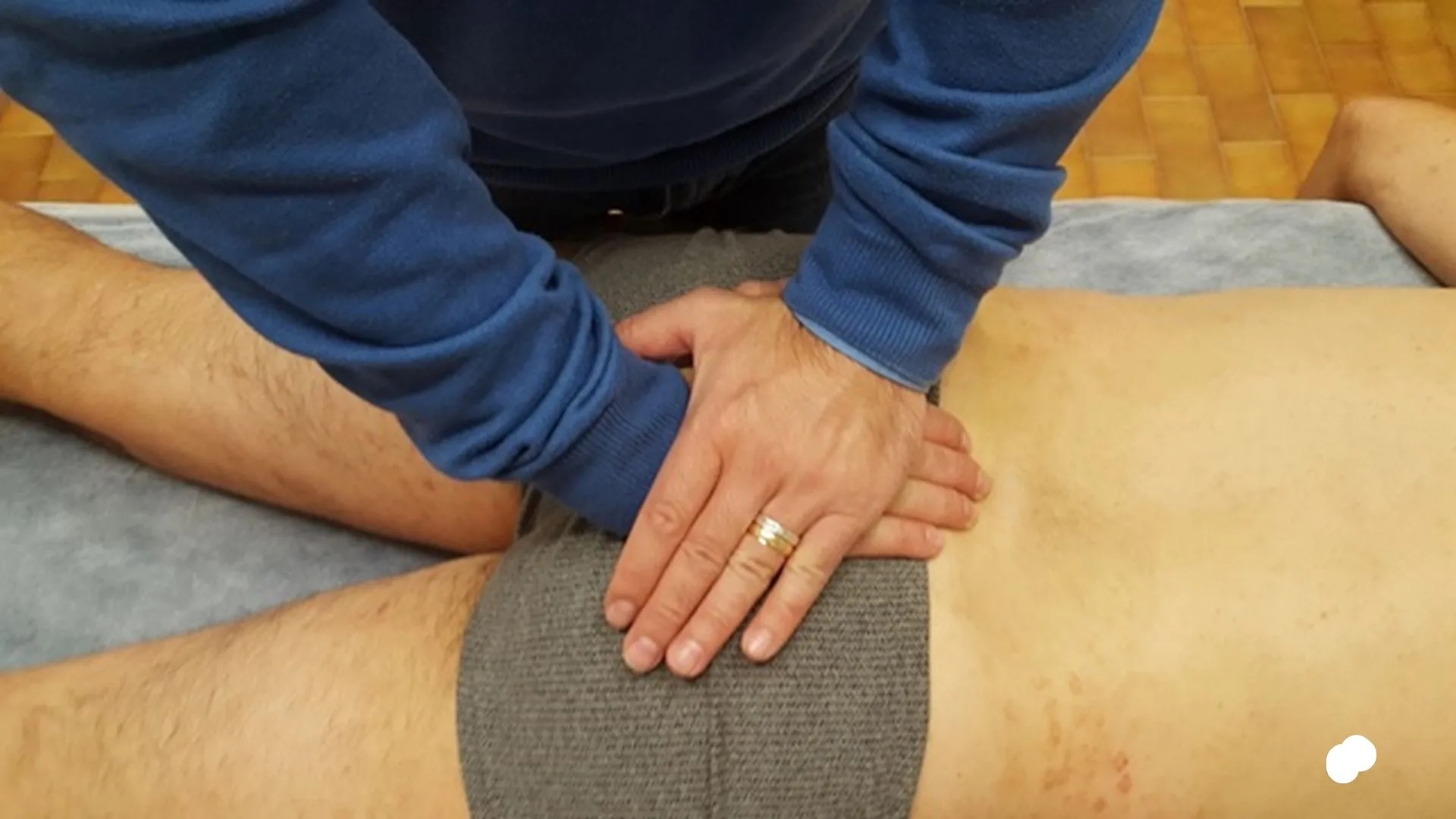
Our osteopathic treatment approach focuses on relieving pressure around the sacral nerves while restoring balance to the pelvis and surrounding structures. By addressing somatic dysfunctions in the sacrum, sacroiliac joints, and adjacent muscles, we aim to improve nerve mobility and reduce irritation.
Osteopathy treatment may include muscle energy techniques, where patients gently contract muscles against resistance to restore joint motion and reduce tension. Sacral articulation and rocking techniques are often used to enhance the natural movement of the sacrum and ease nerve-related restrictions.
We also incorporate myofascial release to reduce tightness in connective tissues, as well as craniosacral therapy to support the nervous system. When appropriate, precise high-velocity techniques may be applied to improve joint mechanics and restore mobility.

Conditions Commonly Addressed
Our osteopaths frequently provide osteopathic treatment for lower back and sacral pain linked to structural imbalances. We also address pelvic floor dysfunction, which may contribute to discomfort or impaired function in the pelvic region.
In addition, care may support individuals experiencing visceral concerns such as constipation or urinary issues, as well as those dealing with sciatic pain or radiating nerve symptoms originating from the lower spine.
Assessment and Treatment Process
We begin with a detailed evaluation of pelvic alignment and movement, including landmarks such as the sacral base and iliac crests. This allows us to identify areas of restriction or asymmetry.
Treatment typically combines soft tissue techniques to release muscular tension with targeted osteopathy treatment methods such as muscle energy or joint articulation to restore proper positioning and function.

Safety and Considerations
While osteopathic treatment is generally safe, certain situations require caution. Acute fractures, infections, tumors, or significant and progressive neurological deficits may require alternative or modified care approaches.
For individuals experiencing persistent or complex symptoms, seeking a professional assessment ensures that care is both appropriate and effective.
Our osteopathy services in Mississauga focuses on hands on care to restore movement, reduce pain, and improve physical function. Each session includes a full assessment of posture, mobility, and injury history to guide precise treatment. Care targets joint restriction, muscle tension, and circulation limits to support faster recovery and daily comfort. Services support injury recovery, chronic pain relief, postural correction, and long term physical balance.

Infants/Children and Youth Injuries
Infants, children, and youth injuries affect movement, posture, and development. Osteopathy focuses on gentle hands on care to address tissue tension, joint restriction, and movement imbalance for healthy growth and function.

Upper and Lower Back Pain Injury
Upper and lower back pain injury affects movement, posture, and daily activity. Osteopathy focuses on joint mobility, tissue tension, and movement balance to reduce strain and restore functional comfort.
Ankle Conditions
Back Pain Injury
Knee Conditions
Shoulder Conditions
Hip Injury
About City Of Mississauga Ontario
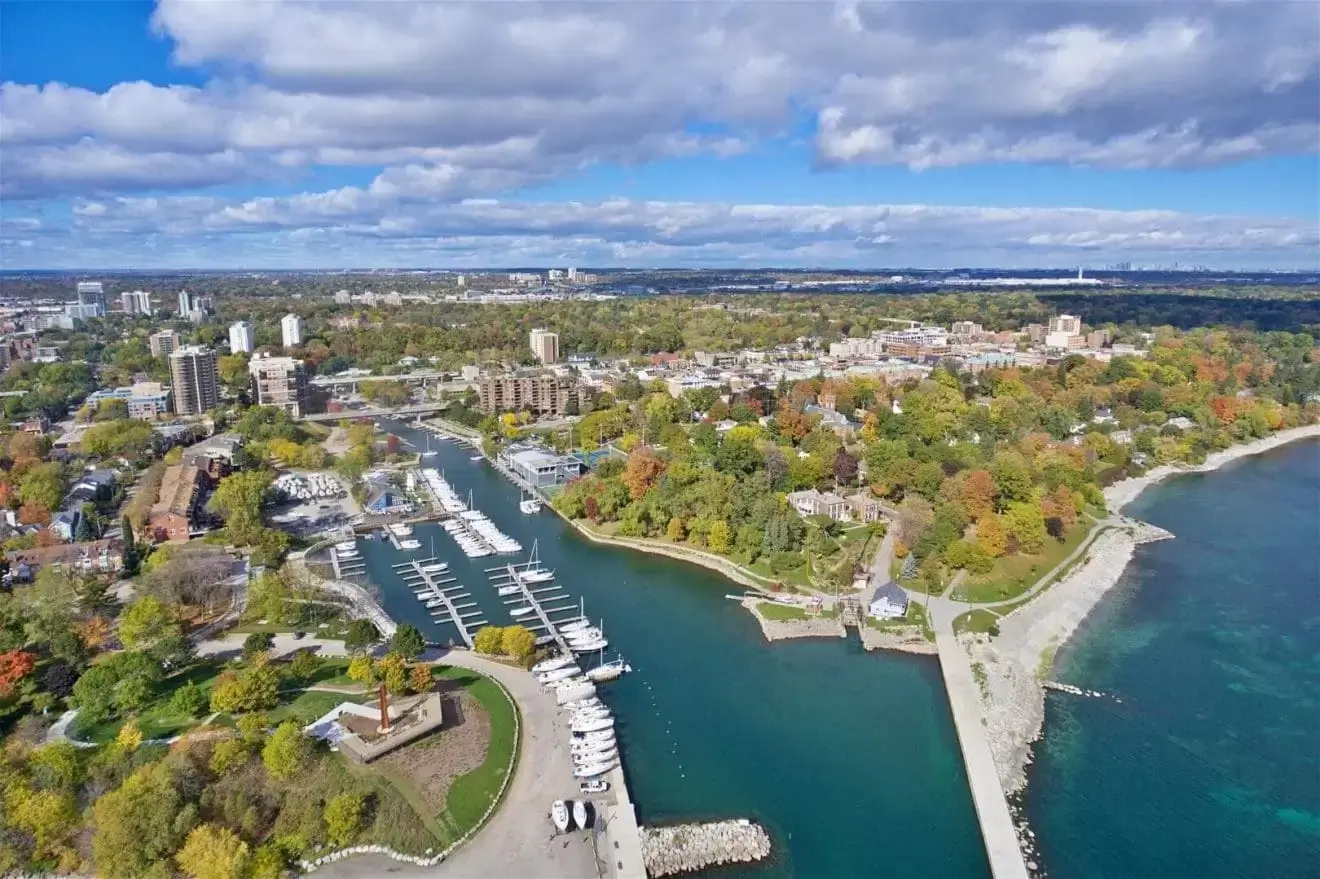
Mississauga, Ontario, is a thriving city located along the shores of Lake Ontario, just west of Toronto. As one of Canada’s largest and fastest-growing cities, it is home to a diverse and multicultural population. With Pearson International Airport, the country’s busiest airport, and major corporate headquarters, Mississauga has established itself as a key business and economic hub in Canada. The city’s modern skyline, featuring high-rise condominiums and commercial developments, is complemented by green spaces, waterfront parks, and vibrant cultural attractions.
One of Mississauga’s most notable landmarks is Square One Shopping Centre, one of the largest malls in Canada, attracting millions of visitors each year. The downtown core is rapidly evolving, with new residential and commercial projects reshaping the city’s landscape. Meanwhile, neighborhoods like Port Credit offer a charming, lakefront lifestyle with boutique shops, cafes, and marinas, making it a popular destination for both residents and tourists. Historic Streetsville, with its small-town charm, provides a glimpse into Mississauga’s past while offering modern amenities.


Mississauga is also a city committed to education and innovation, with top-rated schools, colleges, and easy access to leading universities in the Greater Toronto Area. The city’s public transit system is expanding, with new LRT and GO Transit projects aiming to enhance connectivity and reduce congestion. With a strong focus on community development and sustainability, Mississauga continues to improve its infrastructure, recreational spaces, and public services to meet the needs of its growing population.
Beyond its economic success, Mississauga is a welcoming and family-friendly city with a strong sense of community. The city hosts numerous cultural festivals, outdoor events, and recreational activities, celebrating its diverse population. Whether enjoying waterfront trails in Lakeview, exploring Erin Mills and Meadowvale’s parks, or experiencing arts and performances at the Living Arts Centre, Mississauga offers something for everyone. With its blend of urban convenience and suburban comfort, it remains a top choice for those looking to live, work, and thrive in a dynamic and inclusive environment.
- Hurontario St
- Dundas St
- Eglinton Ave
- Burnhamthorpe Rd
- Lakeshore Rd
- Britannia Rd
- Matheson Blvd
- Mavis Rd
- Dixie Rd
- Winston Churchill Blvd
- Queensway
- Cawthra Rd
- Erin Mills Pkwy
- Derry Rd
Central Mississauga
- L4Z,
- L5B,
- L5C
North Mississauga
- L5N
- L5M
- L5V
- L4Z
- L5R
West Mississauga
- L5L
- L5M
East Mississauga
- L4W
- L4X
- L4Y
- L4Z
- L5A
South Mississauga
- L5G
- L5H
- L5J
- L5K
- L5E
References
Mayo Clinic. (2022, August 4). De Quervain tenosynovitis: Symptoms and causes. https://www.mayoclinic.org/diseases-conditions/de-quervain-tenosynovitis/symptoms-causes/syc-20371332
American Academy of Orthopaedic Surgeons. (n.d.). De Quervain’s tendinosis. OrthoInfo. https://orthoinfo.aaos.org/en/diseases–conditions/de-quervains-tendinosis/
Cleveland Clinic. (2022, December 12). De Quervain’s tendinosis. https://my.clevelandclinic.org/health/diseases/10915-de-quervains-tendinosis
Satteson, E., & Tannan, S. C. (2023, November 22). De Quervain tenosynovitis. In StatPearls. StatPearls Publishing. https://www.ncbi.nlm.nih.gov/books/NBK442005/
American Osteopathic Association. (n.d.). What is osteopathic medicine? https://osteopathic.org/what-is-osteopathic-medicine/
Book an Osteopath Appointment With Us