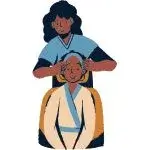
Osteopathy prioritizes your physical well-being, fostering mobility, pain relief, vitality, and overall happiness in Mississauga.
Understanding the Sacrum and Its Role in the Body
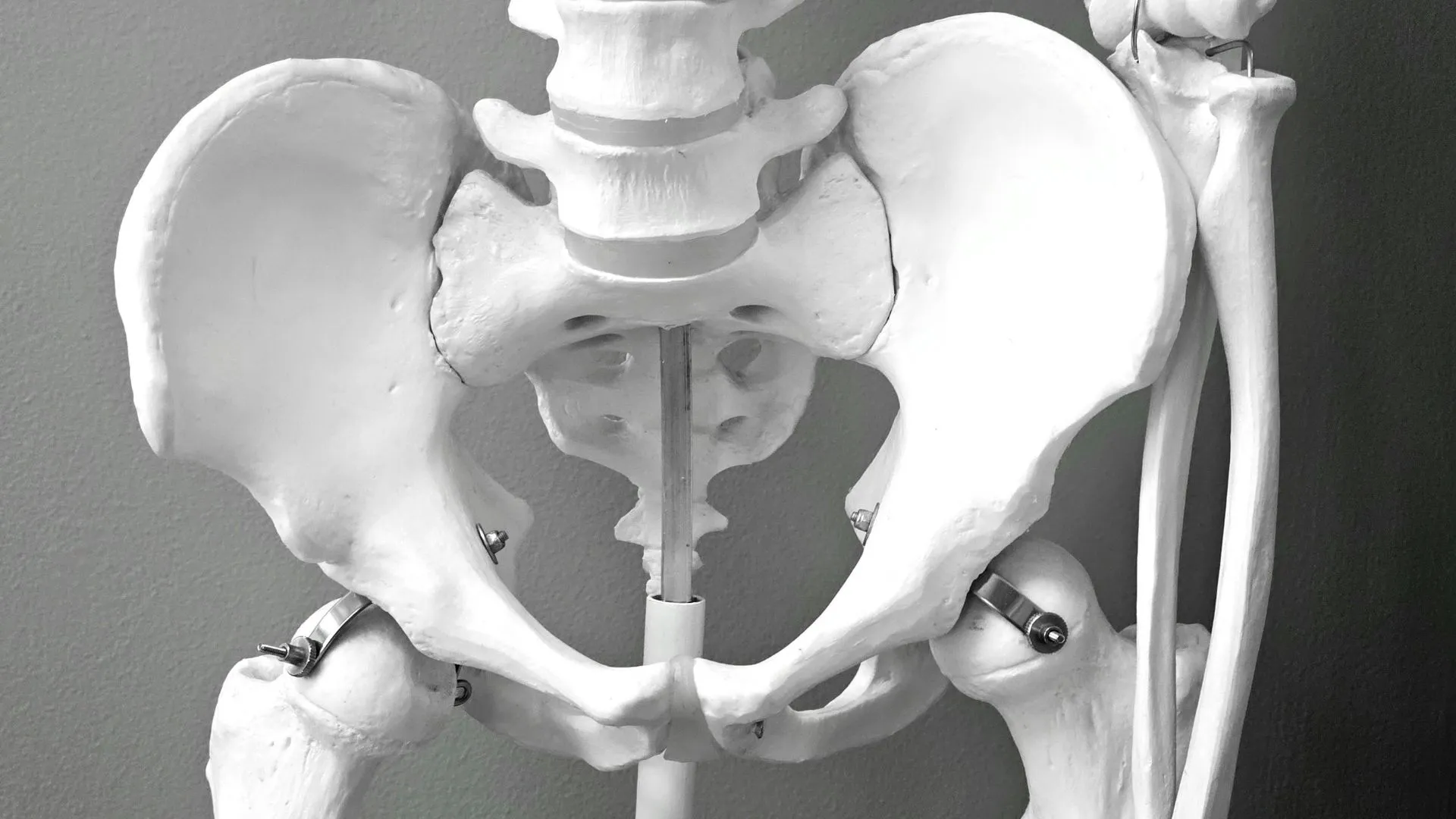
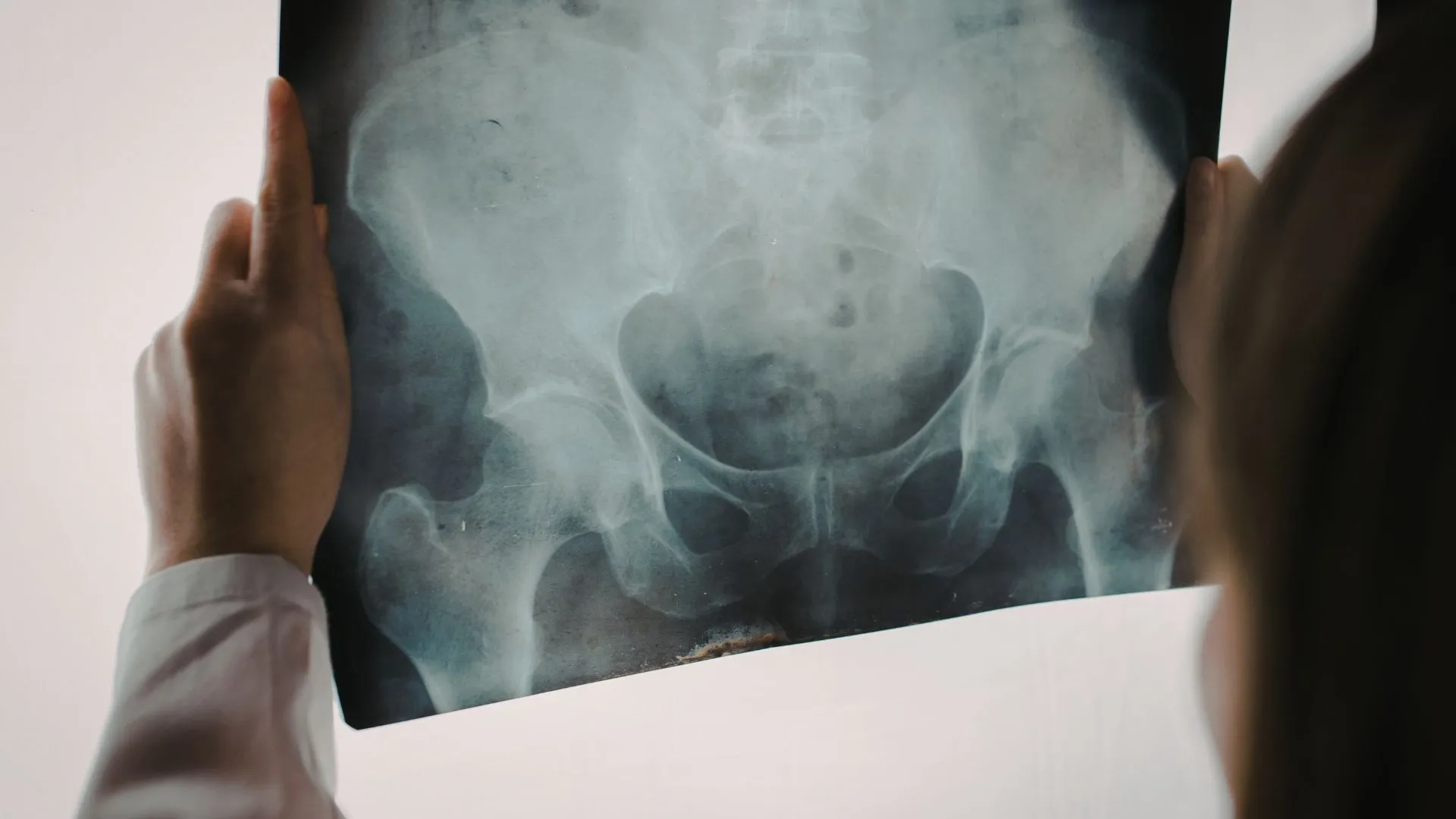
At our Top Osteopath in Mississauga, the sacrum is viewed as a foundational structure of the body. This broad, triangular bone sits at the base of the spine and forms the back portion of the pelvis. It functions as a key stabilizer, supporting the weight of the upper body while efficiently transferring that load into the lower limbs.
Anatomical Connections of the Sacrum
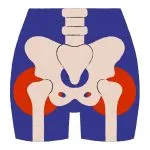
From our perspective, the sacrum has important structural relationships throughout the body. It connects with the hip bones (ilium) on each side to form the sacroiliac (SI) joints, which are reinforced by strong ligaments to maintain stability.
It also supports the gluteal region, where powerful muscles and nerves attach along its posterior surface. At the front, the rectum follows the natural curvature of the sacrum, while the urinary bladder sits just anterior to it. The ureters pass through this pelvic region, closely associated with these structures.
Additionally, the sacrum provides essential support for reproductive organs, including the uterus and vagina in females and the prostate in males, contributing to overall pelvic integrity.

Nerve Supply and Pelvic Floor Function
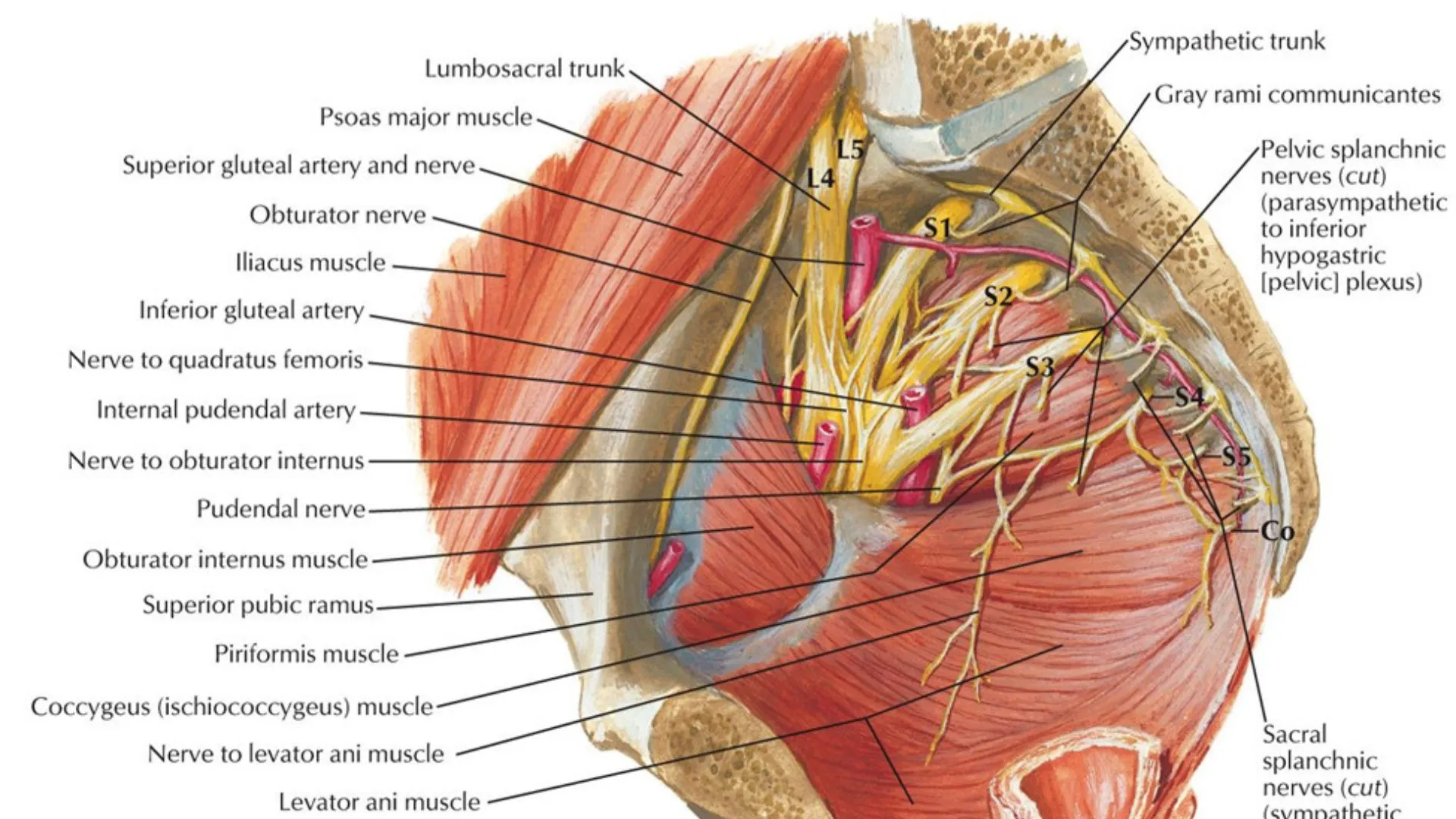
The sacrum plays a vital neurological role as well. It contains the sacral canal, where nerve roots from S1 to S4 exit through openings known as foramina. These nerves are responsible for both motor and sensory functions affecting the bladder, rectum, and reproductive organs.
Parasympathetic fibers from this region regulate critical processes such as bowel movements and bladder emptying. The pudendal nerve, arising from the sacral plexus, controls the external sphincters and contributes to genital function.
It also serves as an anchor point for pelvic floor muscles like the levator ani and coccygeus, which support internal organs and help maintain continence.

Clinical Importance of the Sacrum
We often assess the sacrum due to its wide clinical relevance. Its close relationship to pelvic organs allows for evaluations such as prostate assessment through rectal examination.
It is also involved in specialized treatments like sacral nerve stimulation, which can help manage bladder or bowel dysfunction. In addition, the sacrum plays a key role during childbirth, as its shape contributes to the structure of the birth canal.
Osteopathic Treatment for Sacral Dysfunction
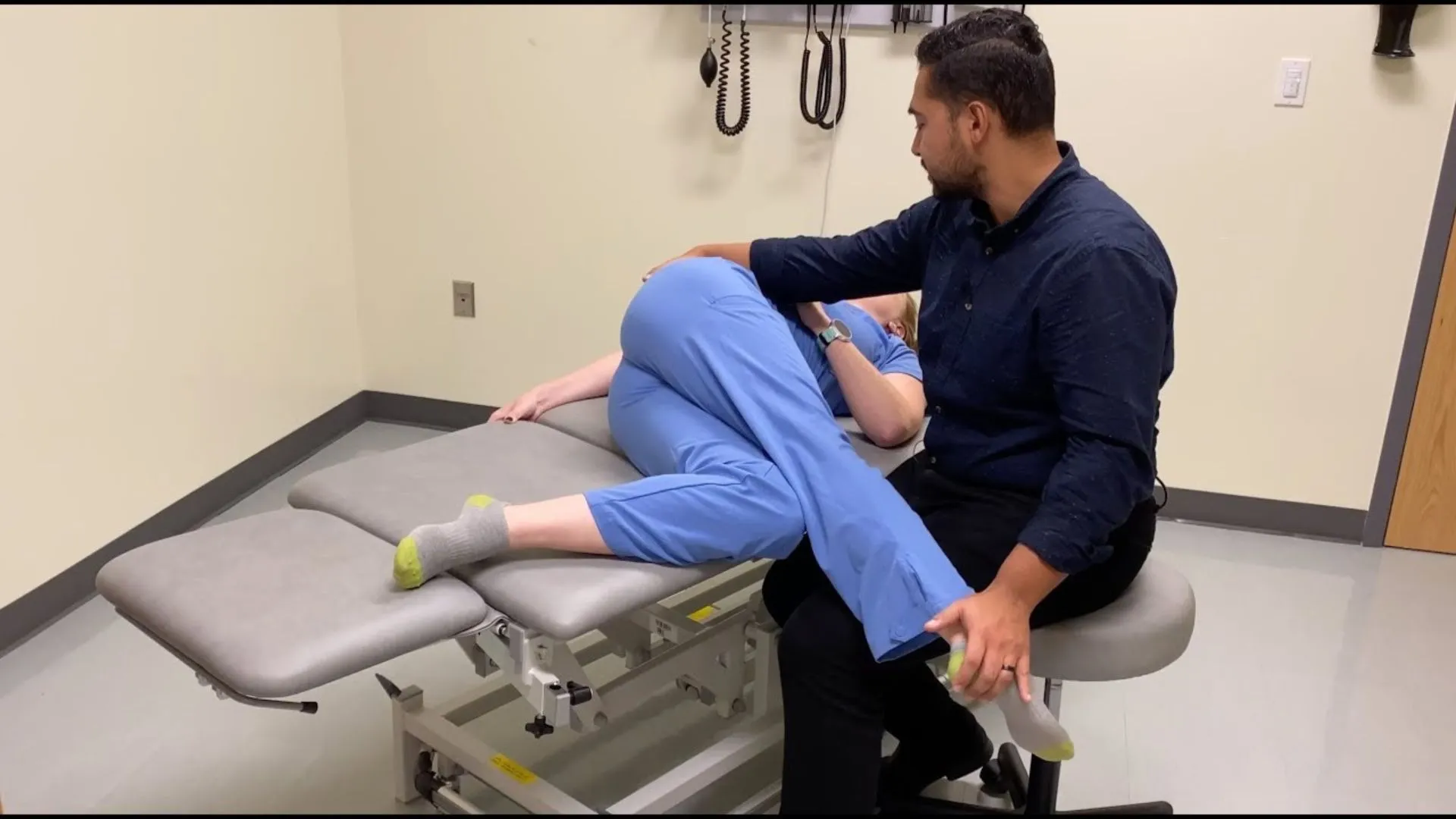
Our osteopathic treatment approach focuses on restoring proper alignment, mobility, and function to the sacrum and surrounding structures. Using hands-on techniques, we address sacroiliac joint dysfunction, sacral rotations, and mechanical imbalances that may contribute to lower back or pelvic pain.
Osteopathy treatment may include muscle energy techniques, where patients actively engage muscles to help correct restrictions, as well as gentle joint mobilization to improve movement. When appropriate, controlled high-velocity techniques may be used to restore joint mechanics, while myofascial release helps reduce tension in surrounding tissues.
Additional methods such as sacral rocking and ligament balancing are often incorporated to enhance circulation, improve mobility, and support the body’s natural healing ability.

Conditions Commonly Addressed
We frequently work with individuals experiencing sacroiliac joint dysfunction, sacral torsions, and postural imbalances. These issues may arise from injury, repetitive strain, or pregnancy-related changes.
Our osteopaths also provide osteopathic treatment for chronic lower back pain and pelvic discomfort by focusing on the root mechanical causes rather than just symptom relief.
Benefits of Osteopathic Care
Our approach emphasizes whole-body balance and long-term results. Osteopathy treatment helps reduce pain, improve mobility, and enhance pelvic stability. By addressing both structural and functional factors, many patients experience better posture, smoother movement, and improved overall well-being.
We also provide guidance on exercises, posture, and daily habits to help maintain results and reduce the likelihood of recurring sacral issues.
Our osteopathy services in Mississauga focuses on hands on care to restore movement, reduce pain, and improve physical function. Each session includes a full assessment of posture, mobility, and injury history to guide precise treatment. Care targets joint restriction, muscle tension, and circulation limits to support faster recovery and daily comfort. Services support injury recovery, chronic pain relief, postural correction, and long term physical balance.

Infants/Children and Youth Injuries
Infants, children, and youth injuries affect movement, posture, and development. Osteopathy focuses on gentle hands on care to address tissue tension, joint restriction, and movement imbalance for healthy growth and function.
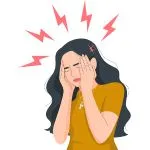
Upper and Lower Back Pain Injury
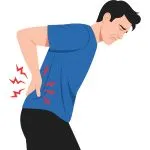
Upper and lower back pain injury affects movement, posture, and daily activity. Osteopathy focuses on joint mobility, tissue tension, and movement balance to reduce strain and restore functional comfort.
Ankle Conditions
Back Pain Injury
Knee Conditions
Shoulder Conditions
Hip Injury
About City Of Mississauga Ontario
Mississauga, Ontario, is a thriving city located along the shores of Lake Ontario, just west of Toronto. As one of Canada’s largest and fastest-growing cities, it is home to a diverse and multicultural population. With Pearson International Airport, the country’s busiest airport, and major corporate headquarters, Mississauga has established itself as a key business and economic hub in Canada. The city’s modern skyline, featuring high-rise condominiums and commercial developments, is complemented by green spaces, waterfront parks, and vibrant cultural attractions.
One of Mississauga’s most notable landmarks is Square One Shopping Centre, one of the largest malls in Canada, attracting millions of visitors each year. The downtown core is rapidly evolving, with new residential and commercial projects reshaping the city’s landscape. Meanwhile, neighborhoods like Port Credit offer a charming, lakefront lifestyle with boutique shops, cafes, and marinas, making it a popular destination for both residents and tourists. Historic Streetsville, with its small-town charm, provides a glimpse into Mississauga’s past while offering modern amenities.


Mississauga is also a city committed to education and innovation, with top-rated schools, colleges, and easy access to leading universities in the Greater Toronto Area. The city’s public transit system is expanding, with new LRT and GO Transit projects aiming to enhance connectivity and reduce congestion. With a strong focus on community development and sustainability, Mississauga continues to improve its infrastructure, recreational spaces, and public services to meet the needs of its growing population.
Beyond its economic success, Mississauga is a welcoming and family-friendly city with a strong sense of community. The city hosts numerous cultural festivals, outdoor events, and recreational activities, celebrating its diverse population. Whether enjoying waterfront trails in Lakeview, exploring Erin Mills and Meadowvale’s parks, or experiencing arts and performances at the Living Arts Centre, Mississauga offers something for everyone. With its blend of urban convenience and suburban comfort, it remains a top choice for those looking to live, work, and thrive in a dynamic and inclusive environment.
- Hurontario St
- Dundas St
- Eglinton Ave
- Burnhamthorpe Rd
- Lakeshore Rd
- Britannia Rd
- Matheson Blvd
- Mavis Rd
- Dixie Rd
- Winston Churchill Blvd
- Queensway
- Cawthra Rd
- Erin Mills Pkwy
- Derry Rd
Central Mississauga
- L4Z,
- L5B,
- L5C
North Mississauga
- L5N
- L5M
- L5V
- L4Z
- L5R
West Mississauga
- L5L
- L5M
East Mississauga
- L4W
- L4X
- L4Y
- L4Z
- L5A
South Mississauga
- L5G
- L5H
- L5J
- L5K
- L5E
References
Mayo Clinic. (2022, August 4). De Quervain tenosynovitis: Symptoms and causes. https://www.mayoclinic.org/diseases-conditions/de-quervain-tenosynovitis/symptoms-causes/syc-20371332
American Academy of Orthopaedic Surgeons. (n.d.). De Quervain’s tendinosis. OrthoInfo. https://orthoinfo.aaos.org/en/diseases–conditions/de-quervains-tendinosis/
Cleveland Clinic. (2022, December 12). De Quervain’s tendinosis. https://my.clevelandclinic.org/health/diseases/10915-de-quervains-tendinosis
Satteson, E., & Tannan, S. C. (2023, November 22). De Quervain tenosynovitis. In StatPearls. StatPearls Publishing. https://www.ncbi.nlm.nih.gov/books/NBK442005/
American Osteopathic Association. (n.d.). What is osteopathic medicine? https://osteopathic.org/what-is-osteopathic-medicine/
Book an Osteopath Appointment With Us