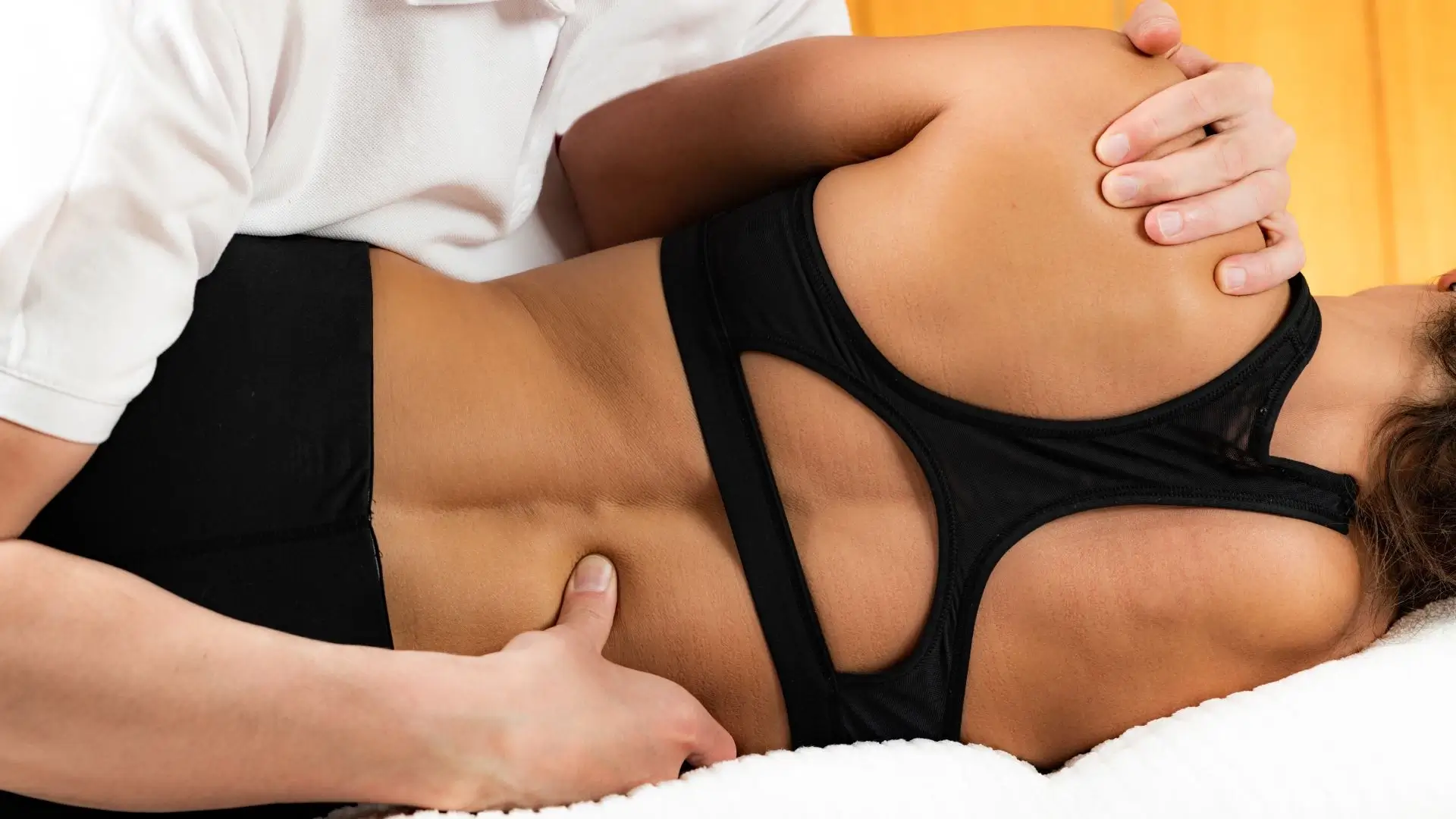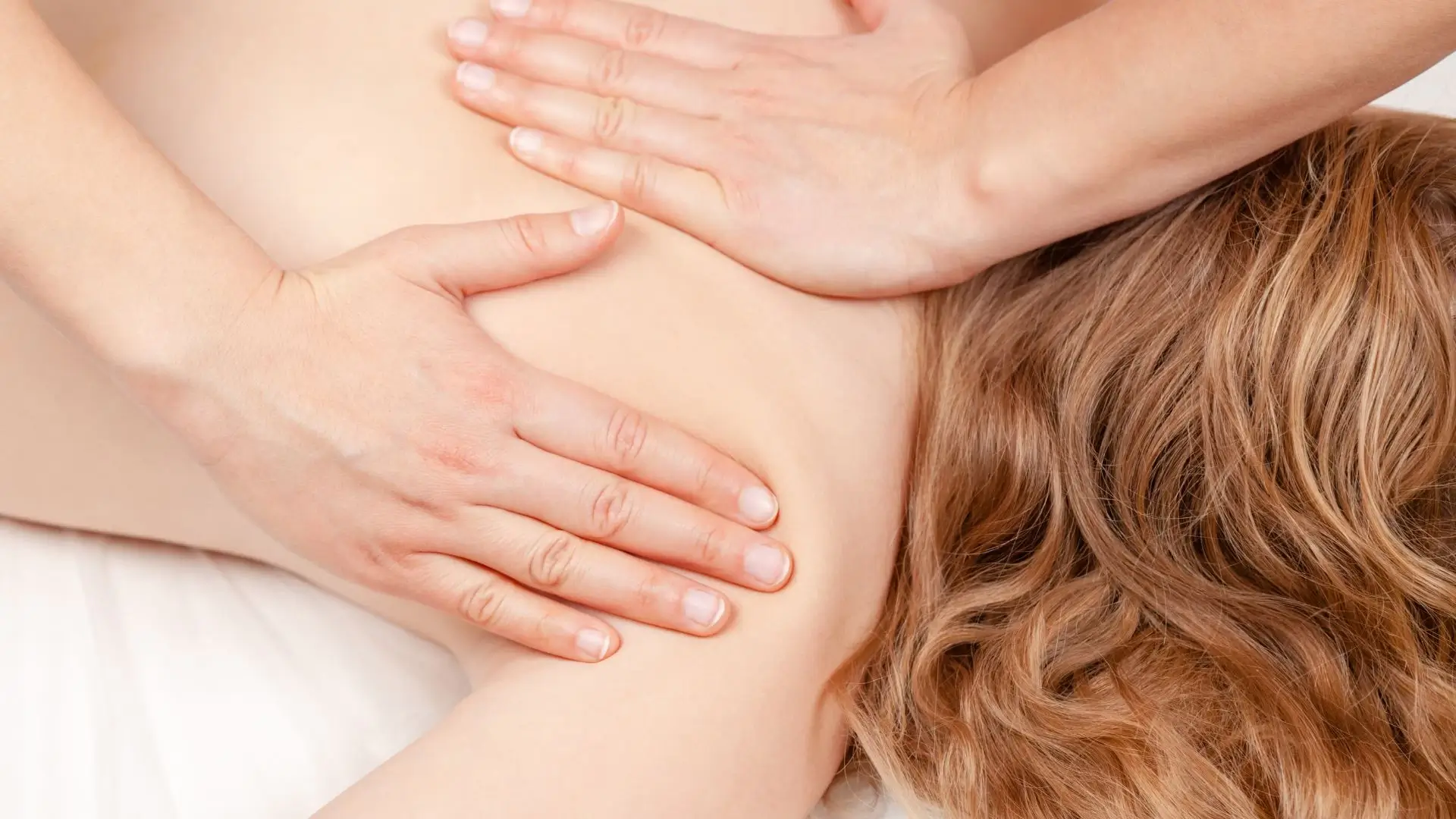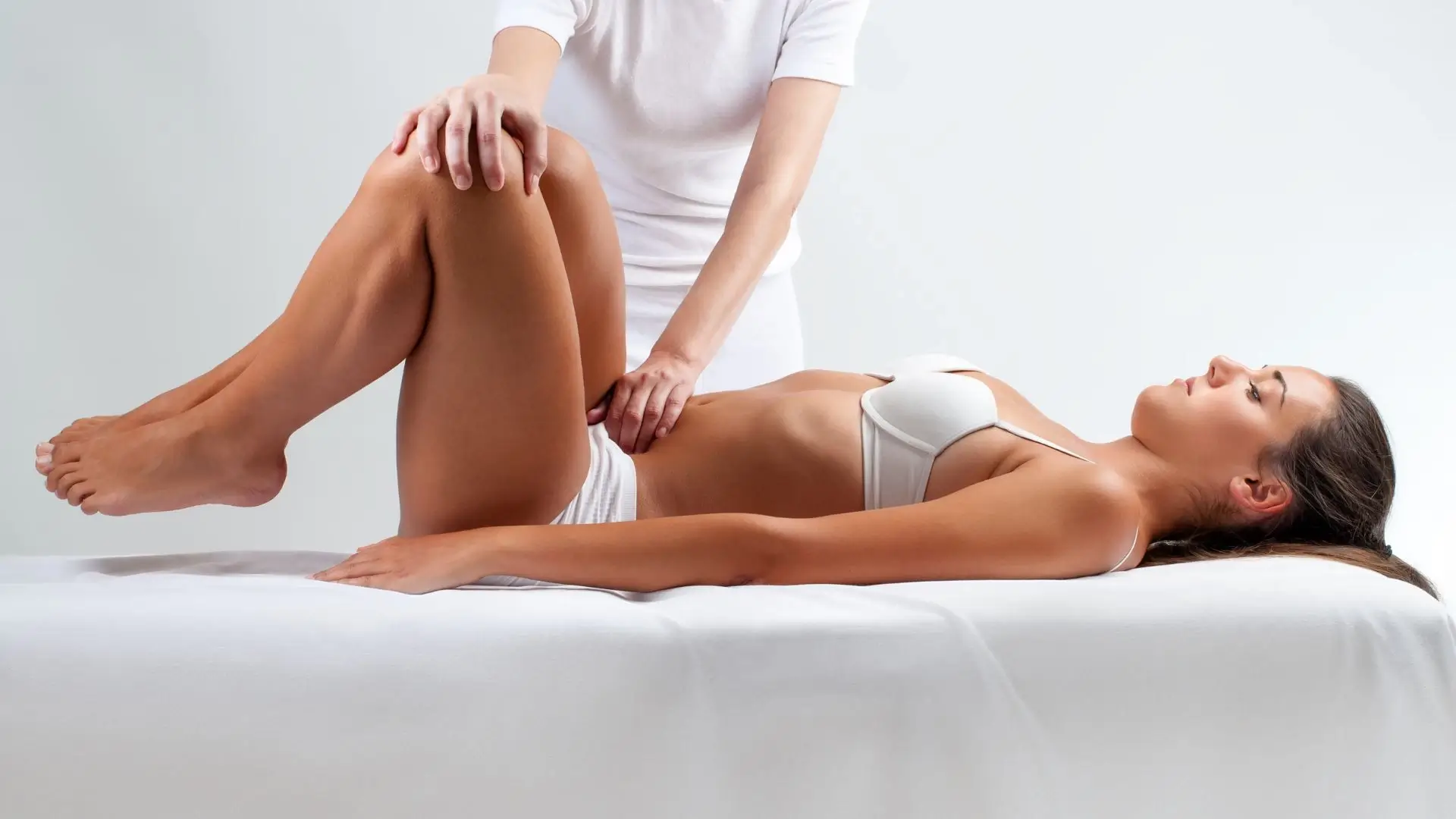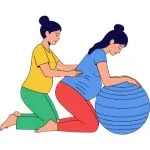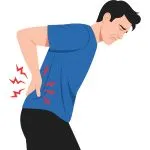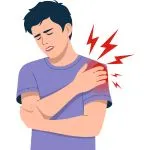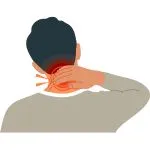

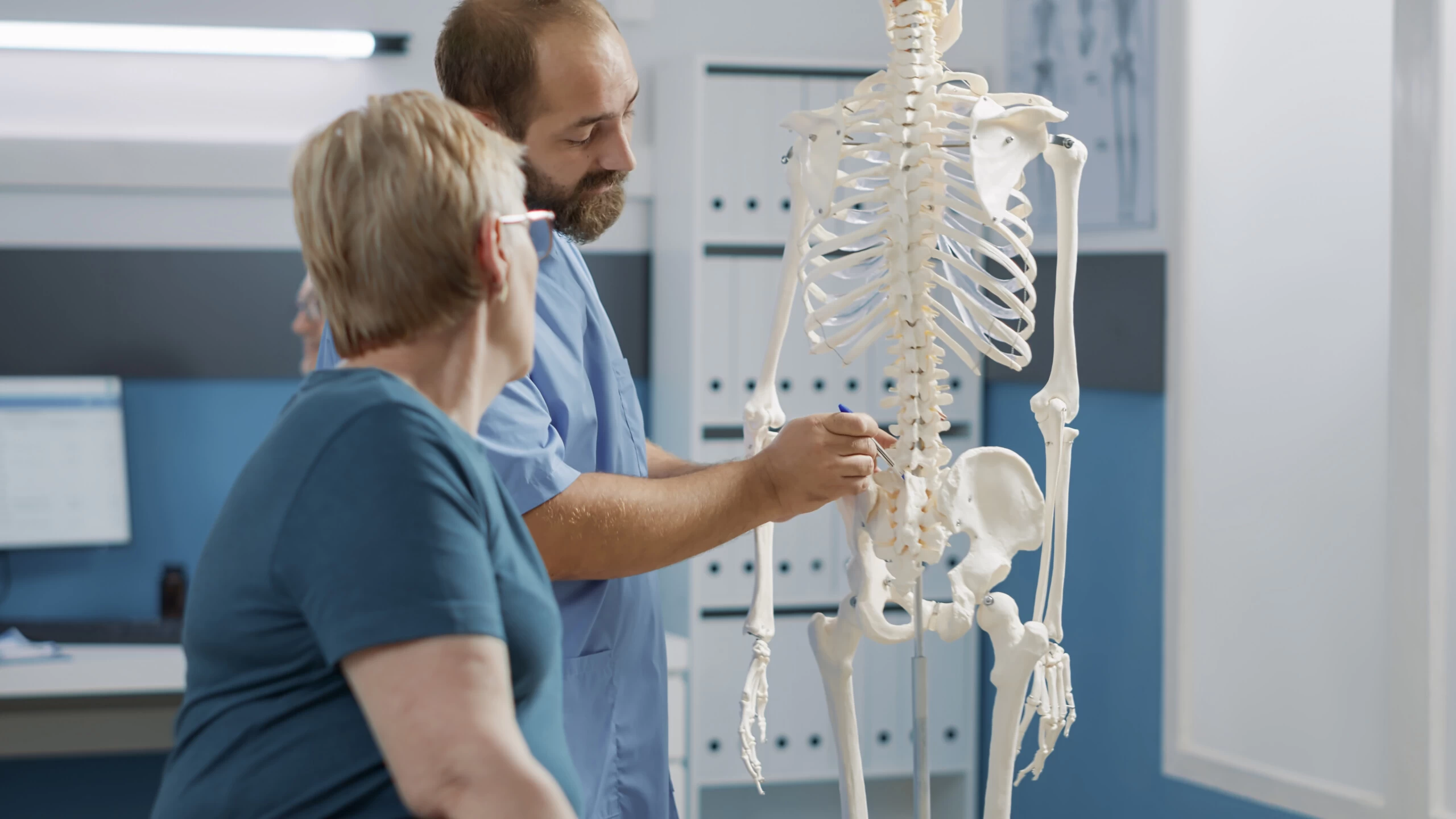
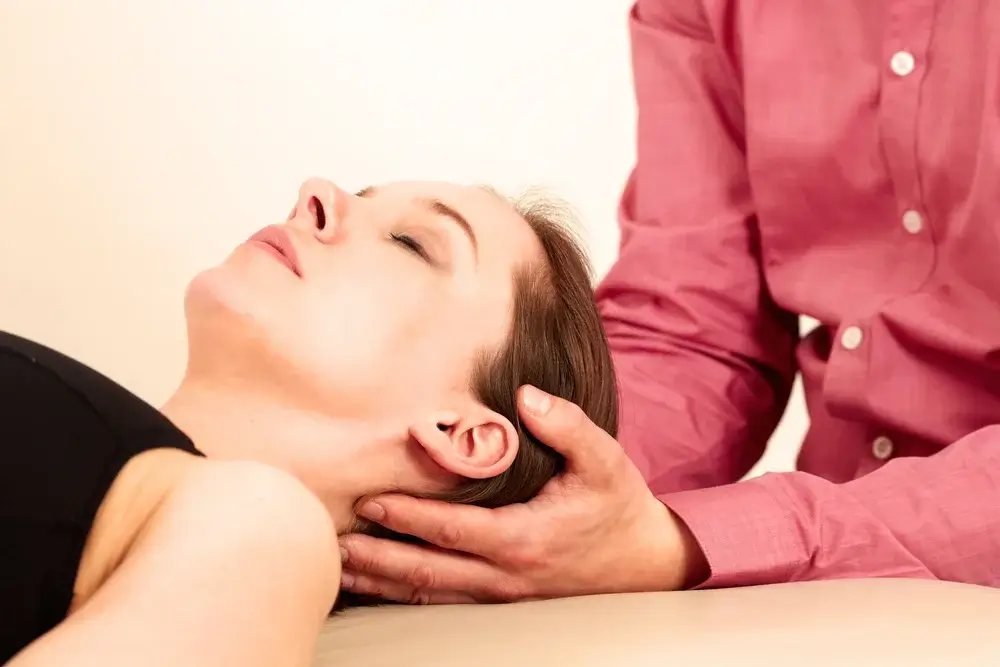
Osteopathy prioritizes your physical well-being, fostering mobility, pain relief, vitality, and overall happiness in Mississauga.
About Mississauga Osteopathy Clinic
Our clinic provides Top Rated Osteopathics in Mississauga for individuals experiencing neck pain, muscle spasms, and spinal discomfort. We focus on identifying the root causes of musculoskeletal problems and supporting natural healing through osteopathic care.
We take a whole-body approach to treatment because neck spasms often develop from imbalances in posture, muscle tension, or spinal mechanics. Our goal is to reduce pain, restore movement, and improve overall physical function.
Our team works closely with each patient to create personalized treatment plans designed to address the underlying factors contributing to neck pain. Through careful assessment and hands-on osteopathic techniques, we aim to help patients return to comfortable and active daily living.

Best Manual Osteopaths in Mississauga
A neck spasm refers to a sudden and involuntary contraction of the muscles in the neck. These contractions can occur without warning and may lead to sharp pain, stiffness, or difficulty moving the head. Neck spasms are a common musculoskeletal complaint and are often linked to irritation of the muscles, nerves, or structures of the cervical spine.
Although neck spasms are typically not considered a serious medical condition, they can sometimes indicate an underlying issue affecting the neck or spinal structures. In certain situations, repeated spasms may lead to ongoing discomfort or chronic neck pain.
When a neck muscle spasm occurs, movement of the head may become difficult. Turning the neck from side to side can trigger pain, and daily activities such as working, driving, or sleeping may become uncomfortable.
Pain caused by a neck spasm can last anywhere from a few days to several weeks depending on the severity of the muscle contraction. During recovery, avoiding movements that aggravate the affected muscles is important, since repeated irritation can prolong healing and increase discomfort.
Causes of Neck Spasm
Neck spasms can develop for many reasons. Muscle strain, poor posture, or repetitive movements often contribute to the problem.
Common triggers include:
• Poor posture such as slouching or keeping the head tilted forward
• Carrying heavy bags on one shoulder
• Lifting or carrying heavy objects
• Keeping the neck in an awkward position for long periods
• Holding a phone between the shoulder and ear
• Sleeping in an uncomfortable position
• Emotional stress and tension
• Muscle strain during exercise
• Overuse of already tight or injured neck muscles
• Headaches that involve the neck muscles
• Dehydration
• Degenerative conditions affecting the cervical spine
• Whiplash injuries
• Extended computer work
• Degenerative disc disease
• Herniated discs in the cervical spine
Cold or damp weather may also trigger spasms in people who have experienced them previously.

Symptoms of Neck Spasm
The sensations associated with a neck spasm can be sudden and intense. Each individual may experience symptoms differently depending on the cause and severity of the muscle contraction.
Common symptoms include:
• Muscle pain or tenderness in the neck
• Tightness or stiffness in the neck muscles
• Limited ability to turn or tilt the head
• Headaches that often begin at the base of the skull
• Pain that radiates into the shoulders or upper back
• Tingling or numbness in the arms
• Burning sensations or nerve-related discomfort
• Reduced range of motion in the neck
• Joint locking in certain positions
• Painful muscle knots caused by fluid build-up and tension
These symptoms can interfere with normal activities and make everyday movements difficult.

Self-Care for Neck Spasm
Most cases involving C7–T1 dysfunction are treated with conservative care. Non
Many neck spasms improve with simple self-care strategies that allow the muscles to relax and recover.
Rest
Giving the neck time to rest is often the first step in recovery. Because neck muscles support the weight of the head throughout the day, lying down for short periods may help reduce strain and discomfort.
Massage
Massage therapy can improve circulation to the affected muscles and reduce tension. Gentle massage combined with heat therapy may help loosen tight muscle fibers.
Ice Therapy
Applying an ice pack to the painful area can help reduce inflammation. Cold therapy causes blood vessels to contract initially and then expand, improving circulation and supporting healing.
-surgical treatments aim to reduce pain, restore mobility, and improve spinal stability.
Physical therapy is often recommended to strengthen the muscles that support the neck and upper back. Therapeutic exercises may help restore posture and improve movement patterns. Manual therapy techniques may also assist with relieving tension and improving joint mobility in the cervicothoracic region.
Osteopathic care may also support recovery by addressing mechanical imbalances within the spine and surrounding tissues.

Exercises for Neck Muscle Spasm
Gentle stretching and strengthening exercises may help restore flexibility and prevent future spasms.
Neck Rotation
While sitting upright, slowly rotate the head toward one shoulder and hold the stretch for about 30 seconds. Repeat on the opposite side.
Basic Neck Stretch
Place one hand on the top of the head and gently pull the head toward the chest on the same side. Repeat on both sides several times.
Scalene Stretch
Clasp one wrist behind the back and gently pull downward while tilting the head in the opposite direction to stretch the side of the neck.
Neck Curl and Head Lift
Lie on your back, tuck the chin toward the chest, and gently lift the head from the floor while keeping the shoulders relaxed.
Ear-to-Shoulder Stretch
Tilt the head toward one shoulder while keeping the shoulders relaxed. Hold briefly and repeat on the other side.
Chin Tucks
Place your fingers on the chin and gently push the head backward while keeping the gaze forward. This exercise helps strengthen the deep neck muscles.

Additional Treatment Options
Several treatment approaches may help relieve neck muscle spasms.
Topical Balms
Medicated balms containing ingredients such as menthol may create a warming sensation that relaxes muscles and reduces discomfort.
Herbal Remedies
Certain herbs including chamomile, valerian, and licorice may support muscle relaxation and reduce inflammation.
Anti-Inflammatory Medication
Over-the-counter medications such as ibuprofen or naproxen may help reduce inflammation and pain.
Muscle Relaxants
In more severe cases, physicians may prescribe medications that help relax the muscles.
Our osteopathy services in Mississauga focuses on hands on care to restore movement, reduce pain, and improve physical function. Each session includes a full assessment of posture, mobility, and injury history to guide precise treatment. Care targets joint restriction, muscle tension, and circulation limits to support faster recovery and daily comfort. Services support injury recovery, chronic pain relief, postural correction, and long term physical balance.

Infants/Children and Youth Injuries
Infants, children, and youth injuries affect movement, posture, and development. Osteopathy focuses on gentle hands on care to address tissue tension, joint restriction, and movement imbalance for healthy growth and function.

Upper and Lower Back Pain Injury
Upper and lower back pain injury affects movement, posture, and daily activity. Osteopathy focuses on joint mobility, tissue tension, and movement balance to reduce strain and restore functional comfort.
About City Of Mississauga Ontario
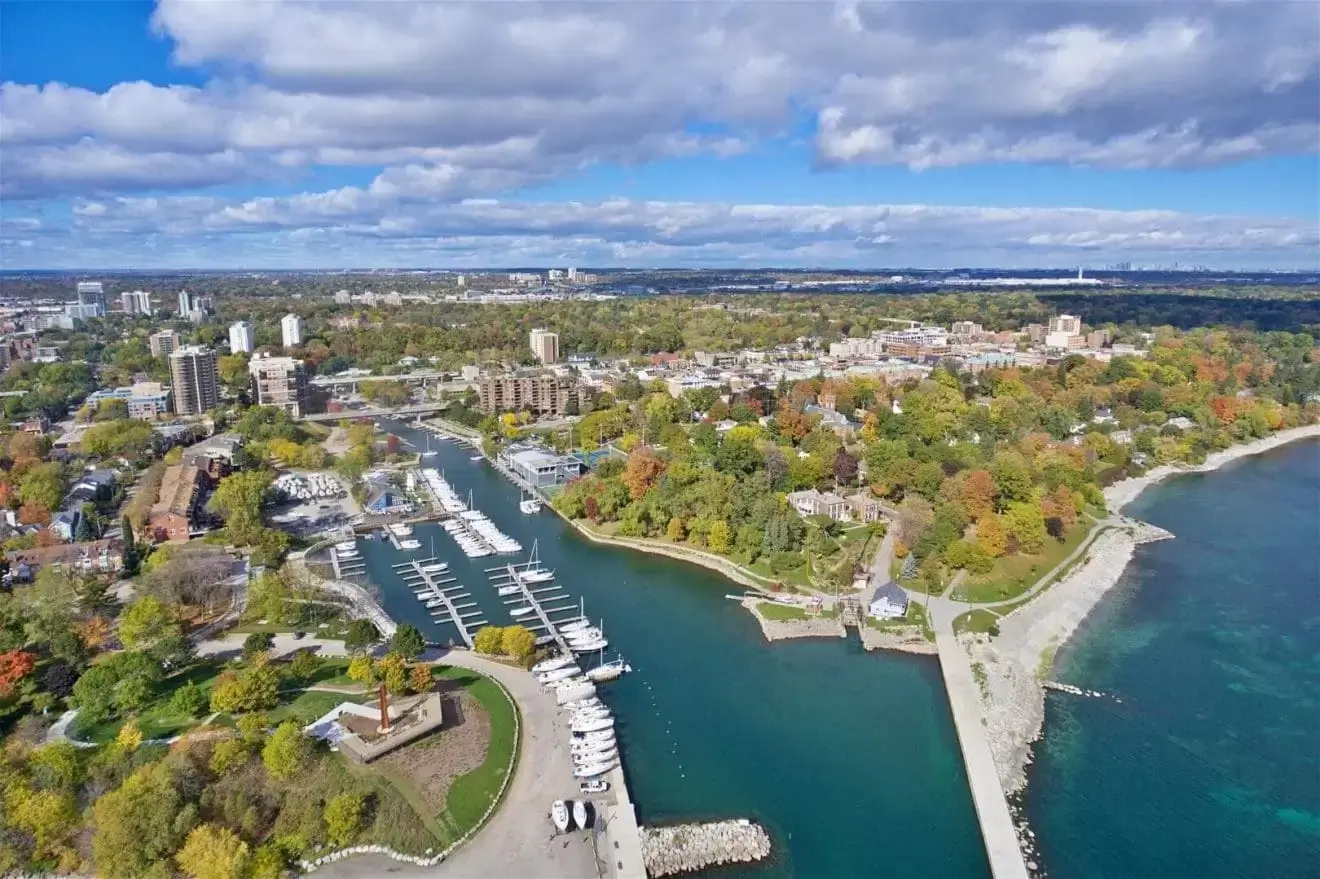
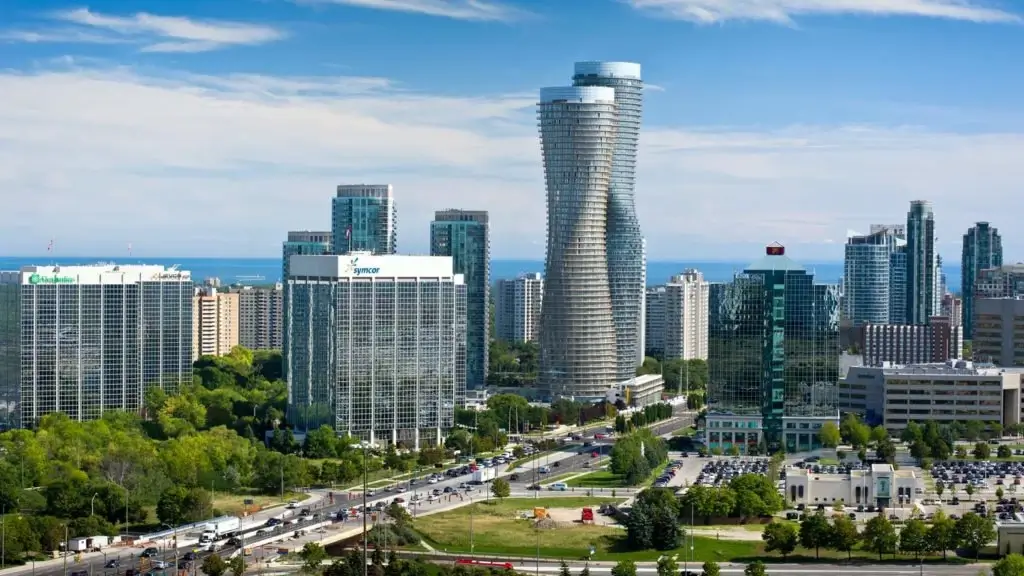
Mississauga, Ontario, is a thriving city located along the shores of Lake Ontario, just west of Toronto. As one of Canada’s largest and fastest-growing cities, it is home to a diverse and multicultural population. With Pearson International Airport, the country’s busiest airport, and major corporate headquarters, Mississauga has established itself as a key business and economic hub in Canada. The city’s modern skyline, featuring high-rise condominiums and commercial developments, is complemented by green spaces, waterfront parks, and vibrant cultural attractions.
One of Mississauga’s most notable landmarks is Square One Shopping Centre, one of the largest malls in Canada, attracting millions of visitors each year. The downtown core is rapidly evolving, with new residential and commercial projects reshaping the city’s landscape. Meanwhile, neighborhoods like Port Credit offer a charming, lakefront lifestyle with boutique shops, cafes, and marinas, making it a popular destination for both residents and tourists. Historic Streetsville, with its small-town charm, provides a glimpse into Mississauga’s past while offering modern amenities.


Mississauga is also a city committed to education and innovation, with top-rated schools, colleges, and easy access to leading universities in the Greater Toronto Area. The city’s public transit system is expanding, with new LRT and GO Transit projects aiming to enhance connectivity and reduce congestion. With a strong focus on community development and sustainability, Mississauga continues to improve its infrastructure, recreational spaces, and public services to meet the needs of its growing population.
Beyond its economic success, Mississauga is a welcoming and family-friendly city with a strong sense of community. The city hosts numerous cultural festivals, outdoor events, and recreational activities, celebrating its diverse population. Whether enjoying waterfront trails in Lakeview, exploring Erin Mills and Meadowvale’s parks, or experiencing arts and performances at the Living Arts Centre, Mississauga offers something for everyone. With its blend of urban convenience and suburban comfort, it remains a top choice for those looking to live, work, and thrive in a dynamic and inclusive environment.
- Hurontario St
- Dundas St
- Eglinton Ave
- Burnhamthorpe Rd
- Lakeshore Rd
- Britannia Rd
- Matheson Blvd
- Mavis Rd
- Dixie Rd
- Winston Churchill Blvd
- Queensway
- Cawthra Rd
- Erin Mills Pkwy
- Derry Rd
Central Mississauga
- L4Z,
- L5B,
- L5C
North Mississauga
- L5N
- L5M
- L5V
- L4Z
- L5R
West Mississauga
- L5L
- L5M
East Mississauga
- L4W
- L4X
- L4Y
- L4Z
- L5A
South Mississauga
- L5G
- L5H
- L5J
- L5K
- L5E
References
Cleveland Clinic – Neck Spasms https://my.clevelandclinic.org/health/diseases/24462-neck-spasms
MedlinePlus – Neck Pain or Spasms: Self-Care https://medlineplus.gov/ency/patientinstructions/000802.htm
Alberta Health Services – Neck Spasm: Care Instructions https://myhealth.alberta.ca/Health/aftercareinformation/pages/conditions.aspx?hwid=abr9925
BOOK AN APPOINTMENT WITH US