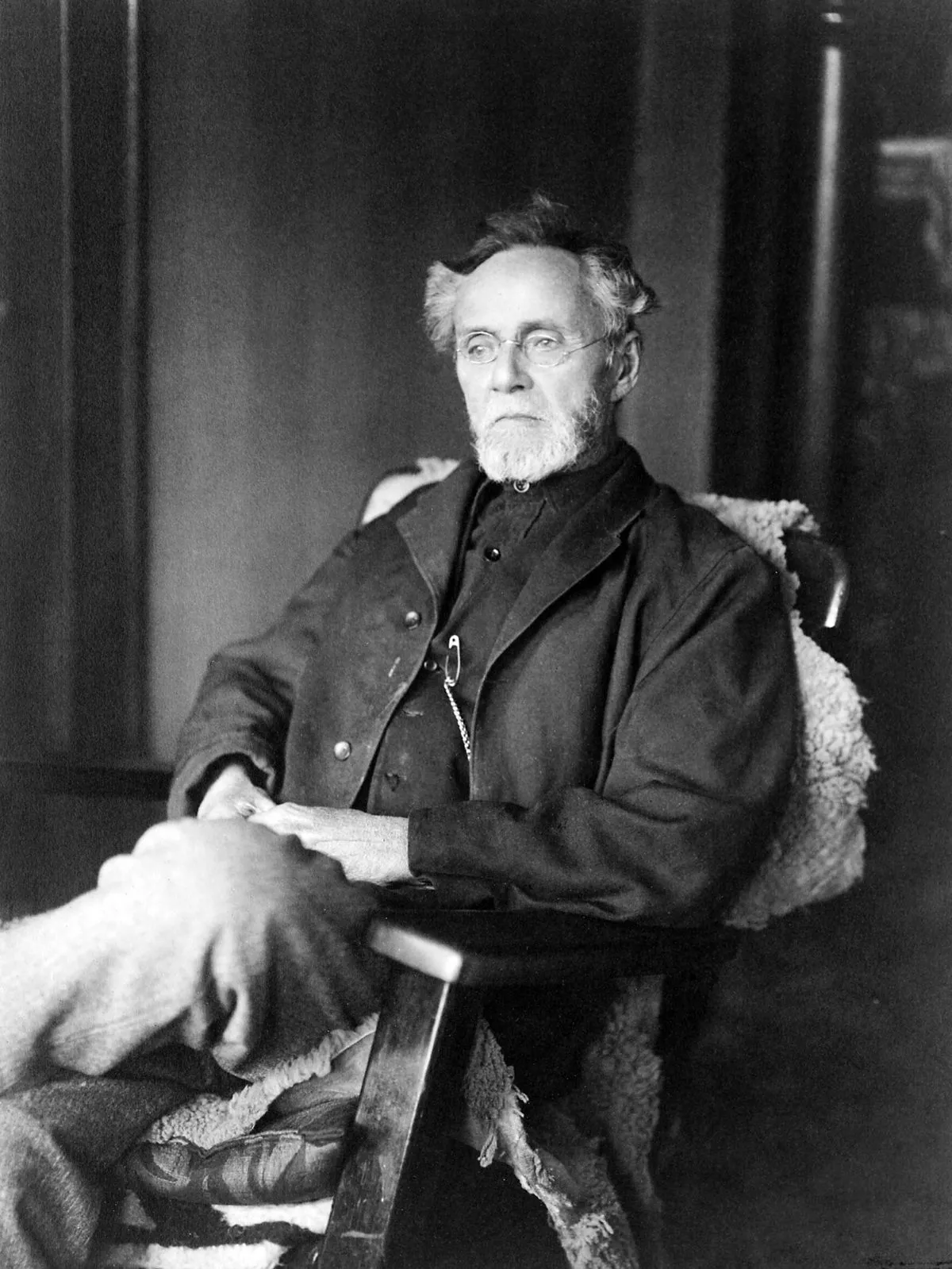

Andrew Taylor Still, M.D. founded osteopathy in the 1800s after losing faith in medical care of the time. Personal tragedy shaped his work. Infectious disease claimed his first wife and six children. Standard treatment failed his family and many others.
Army service as a surgeon revealed severe limits in medical knowledge. Common treatments relied on morphine, opium, alcohol, and mercury. These methods caused harm and delivered poor results.
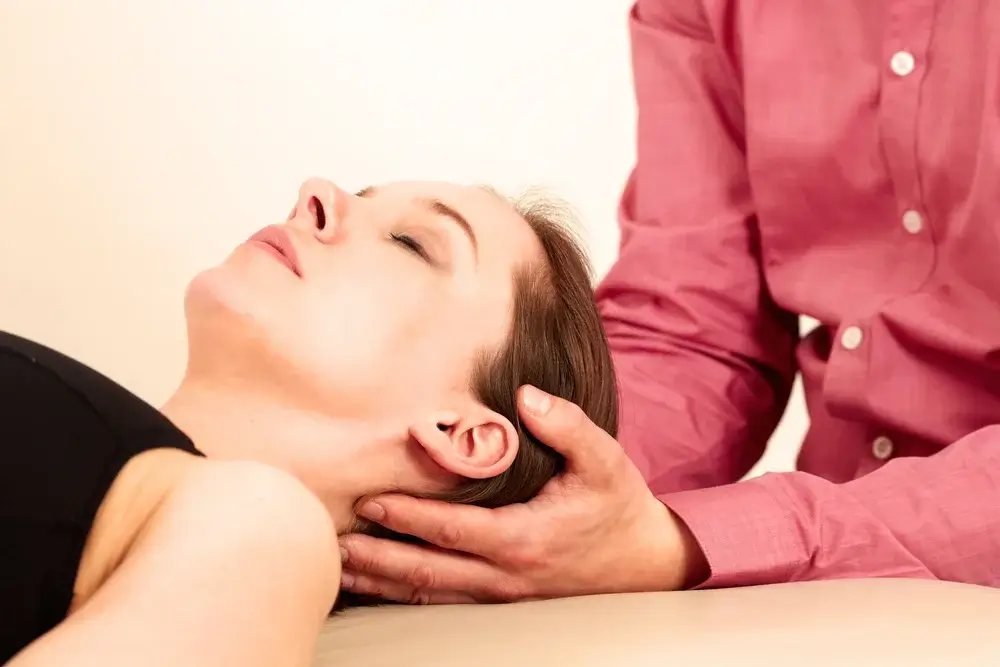
Still turned toward careful study of human anatomy. He developed a hands-on system focused on precise, gentle manipulation. This approach aimed to restore motion, improve circulation, and support natural recovery. Many considered his work unorthodox. Patient outcomes drove rapid growth in interest. People traveled across the United States for care.
In 1892, Still opened the American School of Osteopathy in Kirksville, Missouri. Graduates brought osteopathic care to towns and cities across the country. The profession expanded worldwide and gained recognition within holistic healthcare.
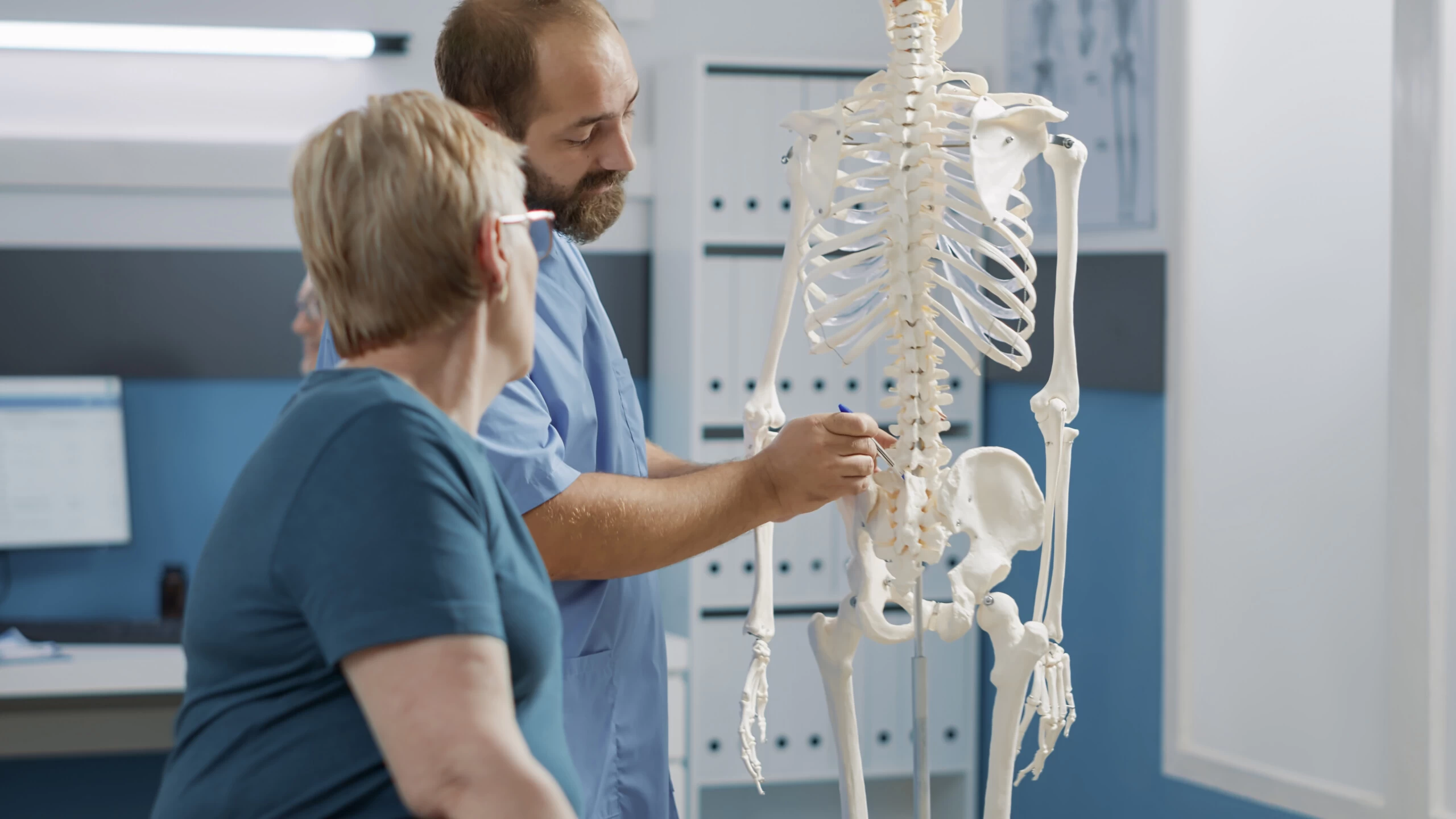
Our Mississauga Osteopathy Clinic continues this tradition. Care centers on detailed assessment, precise manual treatment, and patient-focused plans. Treatment supports mobility, comfort, and long-term function. You receive practical care grounded in anatomy, movement science, and clinical experience.