
Because our feet are constantly in use, tendon-related issues are quite common and can often lead to foot pain. One of the most frequently affected structures is the posterior tibial tendon, which plays a key role in foot stability and movement.
Mississauga Osteopathy Clinic | An Osteopathy approach for Pain Management

Osteopathy prioritizes your physical well-being, fostering mobility, pain relief, vitality, and overall happiness in Mississauga.
Our Top Rated Osteopathics in Mississauga provide comprehensive care for posterior tibial tendon conditions, focusing on reducing pain, restoring function, and preventing long-term complications such as flatfoot deformity. Our approach combines hands-on osteopathic treatment, rehabilitation strategies, and personalized care plans tailored to each individual. We are committed to helping you regain mobility, improve strength, and return to your daily activities with confidence.

Because our feet are constantly in use, tendon-related issues are quite common and can often lead to foot pain. One of the most frequently affected structures is the posterior tibial tendon, which plays a key role in foot stability and movement.
Anatomy
The posterior tibial tendon travels behind the inner ankle bone (medial malleolus), passes along the arch (instep), and attaches to structures on the underside of the foot. This tendon is essential for maintaining the arch and assisting in turning the foot inward during walking and movement.

Causes
Posterior tibial tendon problems often progress gradually. In the early stage, irritation occurs in the tendon’s outer covering, known as the paratenon, leading to inflammation called paratendonitis. This typically happens as the tendon passes through a confined space behind the inner ankle.
Over time, natural aging and repetitive stress can lead to degeneration of the tendon. The collagen fibers that make up the tendon begin to lose their organized structure, weakening its overall strength.
As the body attempts to repair this damage, scar tissue may form, causing the tendon to thicken. In more advanced cases, a nodular area or “knot” can develop within the tendon, a condition referred to as tendonosis. This weakened state increases the risk of inflammation and even tendon rupture if left untreated.

Symptoms
Common symptoms include pain along the inside of the foot and ankle, particularly in the arch area, along with visible swelling. As the condition progresses, the tendon may weaken or rupture, often resulting in a noticeable flattening of the arch (flatfoot deformity).
Diagnosis
Diagnosis is typically made through a detailed physical examination. In more complex cases, imaging such as an MRI may be recommended to assess tendon integrity or detect a possible rupture. MRI scans provide clear images of soft tissues like tendons and ligaments and are painless and non-invasive.
Treatment
Nonsurgical Treatment
Conservative care is typically the first step. Supportive footwear and firm arch supports are commonly recommended to reduce strain on the tendon and maintain proper alignment. Reducing time spent on your feet may also be necessary during the early stages of recovery.
Anti-inflammatory medications may help manage pain and swelling. While cortisone injections are often used in other conditions, they are generally avoided here due to the increased risk of tendon rupture. Instead, iontophoresis—a technique that uses a mild electrical current to deliver medication through the skin—may be used as a safer alternative.
Surgical Treatment
If conservative approaches do not provide relief, surgical intervention may be considered.
Tendon Debridement
This procedure involves removing thickened or inflamed tissue surrounding the tendon to reduce irritation and prevent further damage.
Tendon Repair
If the tendon is damaged but not fully torn, the surgeon may repair it by removing degenerated portions and suturing any tears. In some cases, reinforcement with a graft may be necessary.
Tendon Graft
When the tendon is severely degenerated or ruptured, a nearby tendon—commonly the flexor digitorum longus—is used to replace or support the damaged tendon.
Fusion (Arthrodesis)
In advanced cases with significant deformity, fusion of certain foot joints may be required. This procedure stabilizes the foot, relieves pain, and restores alignment when the supporting structures are no longer functional.
Rehabilitation
Nonsurgical Rehabilitation
Physical therapy may include four to six sessions to guide footwear choices and use of metatarsal pads. Simple adjustments often allow immediate walking but avoiding high-impact activities for several weeks is recommended to reduce inflammation. Ultrasound, moist heat, soft tissue massage, and iontophoresis may also be used to manage pain and swelling.
After Surgery
Post-surgical care may include crutches for a few days. The incision is bandaged for about one week, with stitches removed in 10–14 days unless dissolvable sutures are used. Swelling and tenderness are common for a short period as healing progresses.
Our osteopathy services in Mississauga focuses on hands on care to restore movement, reduce pain, and improve physical function. Each session includes a full assessment of posture, mobility, and injury history to guide precise treatment. Care targets joint restriction, muscle tension, and circulation limits to support faster recovery and daily comfort. Services support injury recovery, chronic pain relief, postural correction, and long term physical balance.

Infants/Children and Youth Injuries
Infants, children, and youth injuries affect movement, posture, and development. Osteopathy focuses on gentle hands on care to address tissue tension, joint restriction, and movement imbalance for healthy growth and function.

Upper and Lower Back Pain Injury
Upper and lower back pain injury affects movement, posture, and daily activity. Osteopathy focuses on joint mobility, tissue tension, and movement balance to reduce strain and restore functional comfort.
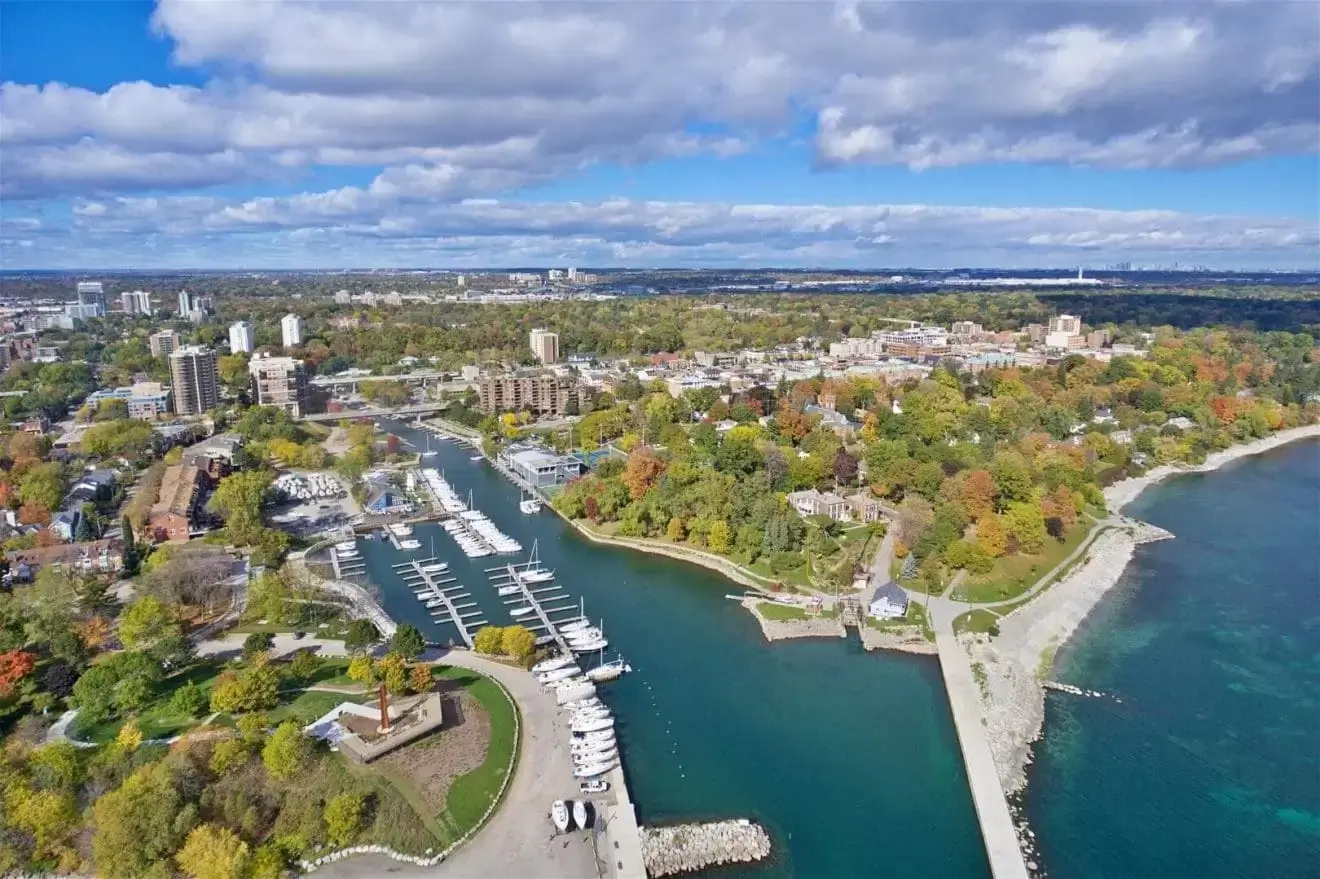
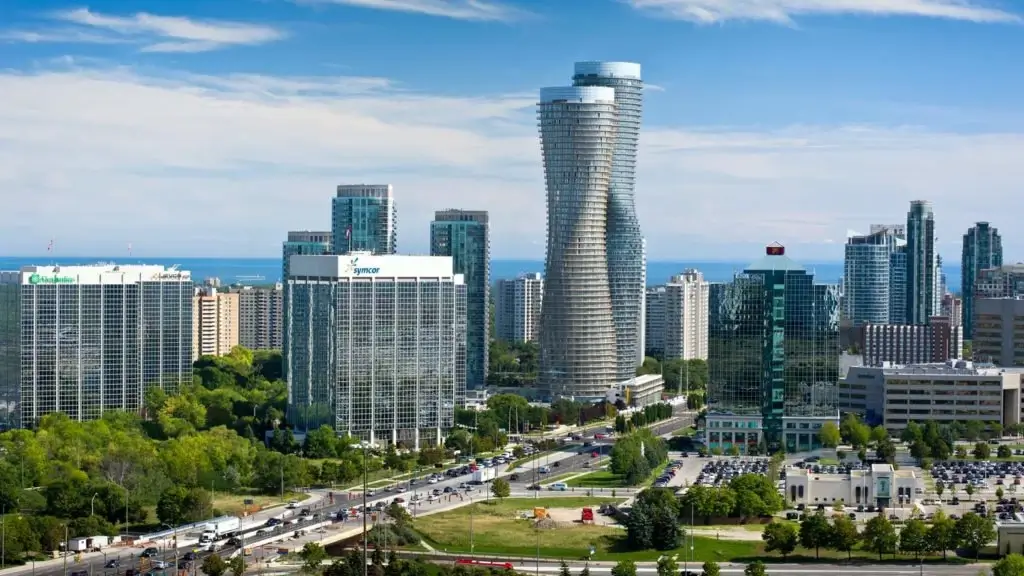
Mississauga, Ontario, is a thriving city located along the shores of Lake Ontario, just west of Toronto. As one of Canada’s largest and fastest-growing cities, it is home to a diverse and multicultural population. With Pearson International Airport, the country’s busiest airport, and major corporate headquarters, Mississauga has established itself as a key business and economic hub in Canada. The city’s modern skyline, featuring high-rise condominiums and commercial developments, is complemented by green spaces, waterfront parks, and vibrant cultural attractions.
One of Mississauga’s most notable landmarks is Square One Shopping Centre, one of the largest malls in Canada, attracting millions of visitors each year. The downtown core is rapidly evolving, with new residential and commercial projects reshaping the city’s landscape. Meanwhile, neighborhoods like Port Credit offer a charming, lakefront lifestyle with boutique shops, cafes, and marinas, making it a popular destination for both residents and tourists. Historic Streetsville, with its small-town charm, provides a glimpse into Mississauga’s past while offering modern amenities.


Mississauga is also a city committed to education and innovation, with top-rated schools, colleges, and easy access to leading universities in the Greater Toronto Area. The city’s public transit system is expanding, with new LRT and GO Transit projects aiming to enhance connectivity and reduce congestion. With a strong focus on community development and sustainability, Mississauga continues to improve its infrastructure, recreational spaces, and public services to meet the needs of its growing population.
Beyond its economic success, Mississauga is a welcoming and family-friendly city with a strong sense of community. The city hosts numerous cultural festivals, outdoor events, and recreational activities, celebrating its diverse population. Whether enjoying waterfront trails in Lakeview, exploring Erin Mills and Meadowvale’s parks, or experiencing arts and performances at the Living Arts Centre, Mississauga offers something for everyone. With its blend of urban convenience and suburban comfort, it remains a top choice for those looking to live, work, and thrive in a dynamic and inclusive environment.
Central Mississauga
North Mississauga
West Mississauga
East Mississauga
South Mississauga
References
Cleveland Clinic. (2025, January 19). Posterior tibial tendonitis and posterior tibial tendon dysfunction. https://my.clevelandclinic.org/health/diseases/posterior-tibial-tendonitis-posterior-tibial-tendon-dysfunction
Hospital for Special Surgery. (n.d.). Posterior tibial tendon dysfunction. https://www.hss.edu/health-library/conditions-and-treatments/posterior-tibial-tendon-dysfunction
Orthobullets. (n.d.). Posterior tibial tendon insufficiency (PTTI). https://www.orthobullets.com/foot-and-ankle/7020/posterior-tibial-tendon-insufficiency-ptti
Ace Sports Clinic. (n.d.). What is osteopathy treatment & how does it work? https://www.acesportsclinic.com.au/blog/what-is-osteopathy-treatment-how-does-it-work/
Book an Osteopath Appointment With Us