
Mississauga Osteopathy Clinic | An Osteopathy approach for Pain Management

Mississauga Osteopathy Clinic

Osteopathy prioritizes your physical well-being, fostering mobility, pain relief, vitality, and overall happiness in Mississauga.

Best Osteopathic in Mississauga

At our Top Rated Osteopathics in Mississauga, we provide comprehensive care for flat feet (pes planus) in both children and adults. Our approach focuses on improving foot alignment, supporting arch function, and addressing underlying biomechanical imbalances. With us, you receive personalized osteopathic care designed to reduce strain, enhance mobility, and support long-term foot health.

Flat Feet Mississauga Osteopathy Clinic
Top-Rated Mississauga Osteopathic Manual Practitioners
Amanpreet Kaur - Osteopathic Practitioner - CPMDQ Licensed Practitioner - ACMA Member
Amanpreet Kaur (CPMDQ), ACMA
Sharenpreet-Kaur-Osteopathy-in-Mississauga
Sharanpreet Kaur (D.O.M.P),

Flat feet, also known as pes planus, describe a condition where the arches of the foot are lowered or absent, causing the entire sole to make contact with the ground during standing and walking, often leading to foot pain with prolonged activity. This condition may affect one foot (unilateral) or both feet (bilateral).

Flat feet are often present from birth and are commonly seen in children as part of normal development. In many cases, the condition improves naturally over time, though some individuals continue to have flat arches into adulthood.

Anatomy

The foot is a highly complex structure made up of bones, ligaments, tendons, and muscles working together to support movement and balance. When any component is affected, it can influence the overall function of the foot.

The main bones of the foot include the talus, which connects with the tibia and fibula at the ankle joint, and the calcaneus, or heel bone. Together, these structures form the hindfoot and allow movement such as bending and side-to-side motion.

Below this area are the tarsal bones, which work together to create both stability and flexibility. These bones connect to the metatarsals and the phalanges, forming the structure of the midfoot and forefoot.

Ligaments and tendons play a key role in maintaining the arch. The posterior tibial tendon supports the inner arch, while the plantar fascia and spring ligament complex help stabilize the foot during weight-bearing activities. Weakness or dysfunction in these structures can contribute to the flattening of the arch.

Muscles in the lower leg and foot assist with movement, balance, and shock absorption. While smaller intrinsic foot muscles play a supportive role, the larger muscles of the lower leg provide most of the power for walking and running.

child flatfoot anat01

Causes

Flexible flatfoot is the most common type and occurs when the arch appears flattened during standing but returns when the foot is not bearing weight. This is a normal finding in many infants and young children, as their bones and soft tissues are still developing.

As children grow, the arches typically form naturally. However, in some individuals, the arch does not fully develop and flat feet persist into adulthood. Genetics can play a role, as flat feet often run in families.

Other contributing factors include:

  • Ligament laxity or looseness
  • Joint hypermobility
  • Muscle imbalances
  • Abnormal foot or ankle alignment
  • Weakness in the posterior tibial tendon

In some cases, structural abnormalities such as tarsal coalition—where bones in the foot fail to separate during development—can lead to a more rigid and sometimes painful flatfoot condition.

child flatfoot causes01

Symptoms

Most children with flexible flat feet experience no symptoms and are able to participate in normal activities without limitation.

In moderate cases, individuals may notice fatigue or aching in the feet after prolonged standing or walking. In more severe cases, symptoms may include:

  • Foot soreness or tiredness
  • Difficulty with prolonged activity
  • Development of calluses due to uneven pressure
  • Reduced shock absorption and stability

In rare cases, flat feet may contribute to issues higher up the body, including knee, hip, or alignment concerns.

When flatfoot is associated with structural abnormalities such as tarsal coalition, pain, stiffness, and reduced mobility may be present, especially after minor injuries.

Diagnosis

Diagnosis is typically made through a detailed history and physical examination. The foot is assessed for flexibility, alignment, and range of motion. Muscle strength and tightness are also evaluated.

Simple clinical tests help distinguish between flexible and rigid flatfoot. Observing walking patterns and examining shoe wear can provide additional insight.

Imaging such as X-rays, CT scans, or MRI may be used in more complex cases, particularly when structural abnormalities are suspected.

A basic “wet footprint” test can also be used to identify flat feet, as it shows the full imprint of the sole when the arch is absent.

Treatment

Nonsurgical Treatment

Many cases of flat feet do not require treatment, especially in children, as the condition often improves naturally. Encouraging barefoot activity on safe surfaces can help strengthen the foot and promote natural development.

For older children and adults experiencing discomfort, supportive footwear can make a significant difference. Shoes with proper arch support, a stable heel counter, and a flexible sole help reduce strain on the foot.

Prefabricated or custom orthotic inserts may be recommended to improve alignment and reduce stress on ligaments and tendons. While these supports do not create a permanent arch, they can improve comfort and function.

Stretching exercises, particularly for the Achilles tendon, can help maintain proper movement and reduce tension on the foot.

Surgical intervention is rarely necessary and is typically reserved for severe cases that do not respond to conservative care.

Surgery

In rare situations where symptoms are severe and persistent, surgical options may be considered. These procedures aim to restore alignment, reconstruct the arch, or address structural abnormalities.

Children with conditions such as tarsal coalition or accessory navicular bone may require specialized orthopedic evaluation and, in some cases, surgical correction.

Rehabilitation

Nonsurgical Rehabilitation

In young children, flat feet often improve naturally as the bones and soft tissues develop. Activities that promote balance and strength help support this process.

For older individuals, rehabilitation focuses on reducing discomfort and improving function. Strengthening and stretching exercises can help manage symptoms, even though they do not change the underlying structure of the arch.

Orthotic support and proper footwear continue to play an important role in long-term management.

After Surgery

Post-surgical recovery typically involves a period of immobilization followed by a structured rehabilitation program. Therapy focuses on restoring strength, mobility, and stability in the foot and ankle.

Full recovery may take time, especially in growing children, and additional procedures may occasionally be needed as development continues. The primary goals are pain relief, improved alignment, and restored function.

Our osteopathy services in Mississauga focuses on hands on care to restore movement, reduce pain, and improve physical function. Each session includes a full assessment of posture, mobility, and injury history to guide precise treatment. Care targets joint restriction, muscle tension, and circulation limits to support faster recovery and daily comfort. Services support injury recovery, chronic pain relief, postural correction, and long term physical balance.

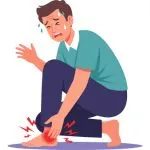
Ankle Pain and Foot Injury

Ankle Pain and Foot Injury

Ankle pain and foot injury disrupt walking, balance, and daily movement. Osteopathy addresses joint restriction, tissue tension, and movement imbalance to restore mobility and support stable, pain free function.

Hip Pain and Knee Injury

Hip Pain and Knee Injury

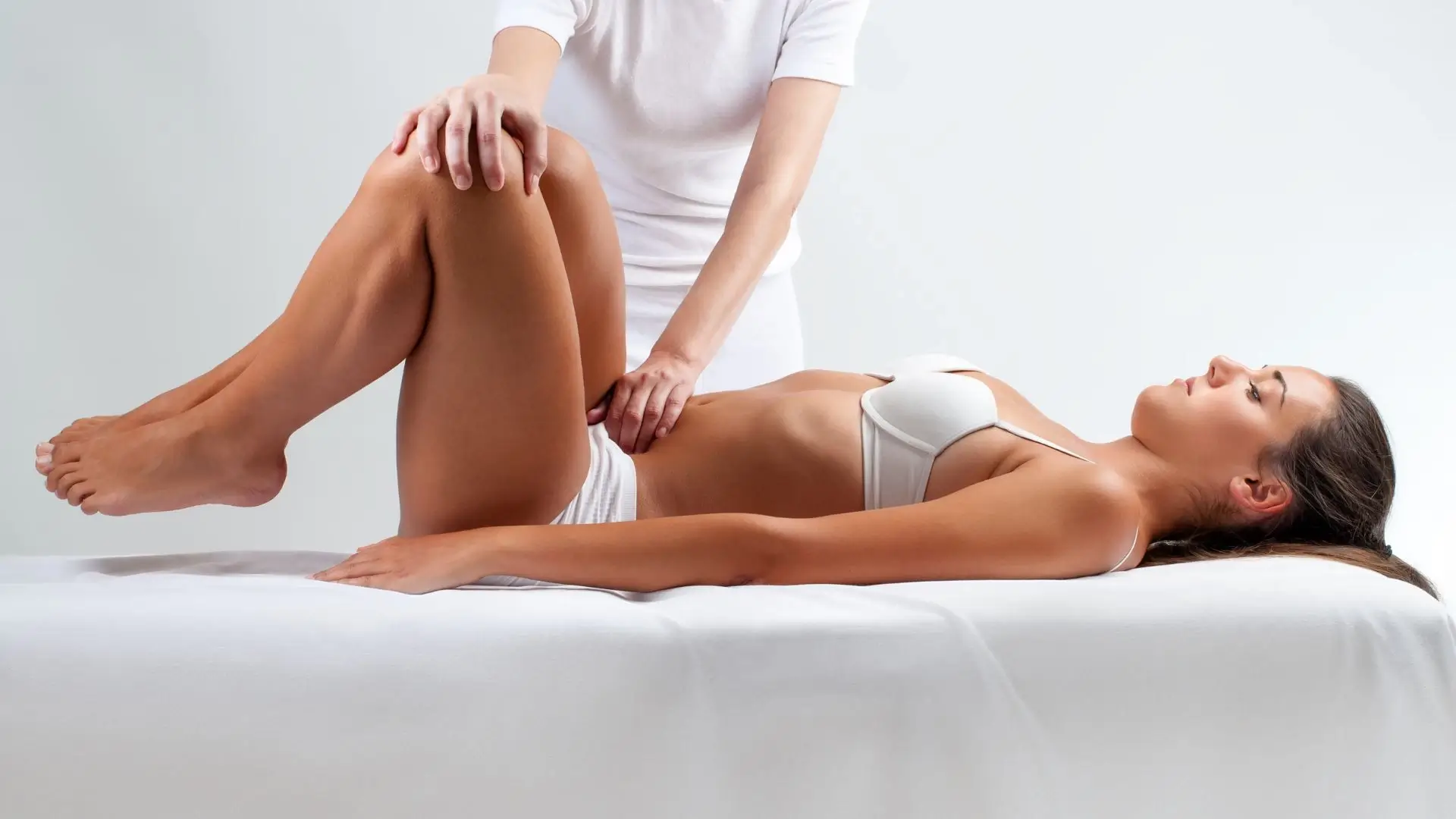
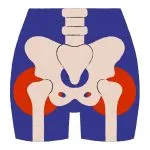
Hip pain and knee injury affect walking, sitting, and daily movement. Osteopathy focuses on joint mobility, muscle balance, and movement control to reduce strain and support long term function.

Children and Youth Injuries

Infants/Children and Youth Injuries

Infants, children, and youth injuries affect movement, posture, and development. Osteopathy focuses on gentle hands on care to address tissue tension, joint restriction, and movement imbalance for healthy growth and function.

Migraines and Headaches

Migraines and Headaches

Migraines and headaches disrupt focus, sleep, and daily function. Osteopathy focuses on reducing tension, improving circulation, and restoring movement balance to support consistent relief and long term comfort.

Maternity and Pregnancy

Maternity and Pregnancy

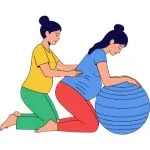
Pregnancy places increased demand on the body, affecting posture, joints, and movement. Osteopathy offers gentle hands on care to support comfort, mobility, and physical balance throughout maternity.

Upper and Lower Back Pain Injury 1

Upper and Lower Back Pain Injury

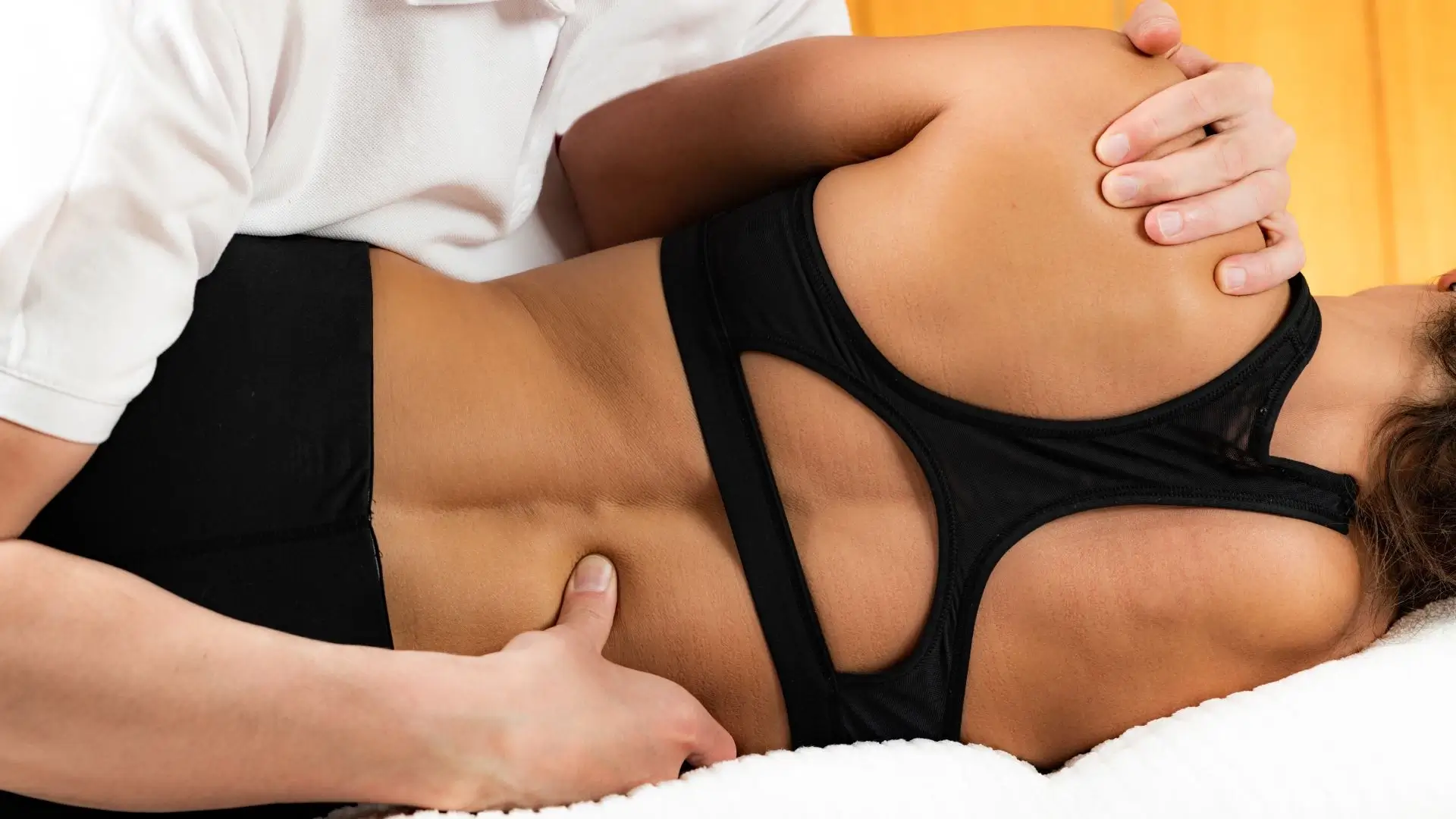
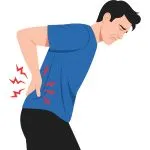
Upper and lower back pain injury affects movement, posture, and daily activity. Osteopathy focuses on joint mobility, tissue tension, and movement balance to reduce strain and restore functional comfort.

Shoulder Pain Injury

Shoulder Pain Injury

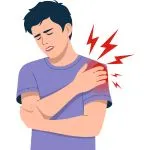
Shoulder pain injury limits arm movement and daily tasks. Osteopathy addresses joint restriction, tissue tension, and movement imbalance to restore mobility and support stable shoulder function.

Neck Pain Injury

Neck Pain Injury

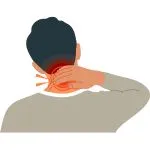
Neck pain injuries restrict movement and strain daily activity. Osteopathy focuses on joint mobility, muscle tension, and movement balance to support comfort and functional stability.

Women Pelvic Health Wellness

Women Pelvic Health Wellness

Women pelvic health wellness requires clear guidance and focused care. At Mississauga Osteopathy Clinic, you receive structured osteopathic support designed to improve pelvic function, movement, and daily comfort.

Craniosacral Therapy

Craniosacral Therapy

Our Mississauga osteopathy clinic offers Craniosacral Therapy, a gentle hands-on approach that supports natural movement of the skull and sacrum. Using light touch, your osteopath helps release restrictions, improve nervous system balance, and enhance overall body function.

About City Of Mississauga Ontario

Mississauga, Ontario, is a thriving city located along the shores of Lake Ontario, just west of Toronto. As one of Canada’s largest and fastest-growing cities, it is home to a diverse and multicultural population. With Pearson International Airport, the country’s busiest airport, and major corporate headquarters, Mississauga has established itself as a key business and economic hub in Canada. The city’s modern skyline, featuring high-rise condominiums and commercial developments, is complemented by green spaces, waterfront parks, and vibrant cultural attractions.

One of Mississauga’s most notable landmarks is Square One Shopping Centre, one of the largest malls in Canada, attracting millions of visitors each year. The downtown core is rapidly evolving, with new residential and commercial projects reshaping the city’s landscape. Meanwhile, neighborhoods like Port Credit offer a charming, lakefront lifestyle with boutique shops, cafes, and marinas, making it a popular destination for both residents and tourists. Historic Streetsville, with its small-town charm, provides a glimpse into Mississauga’s past while offering modern amenities.

About Mississauga
mississauga ontario

Mississauga is also a city committed to education and innovation, with top-rated schools, colleges, and easy access to leading universities in the Greater Toronto Area. The city’s public transit system is expanding, with new LRT and GO Transit projects aiming to enhance connectivity and reduce congestion. With a strong focus on community development and sustainability, Mississauga continues to improve its infrastructure, recreational spaces, and public services to meet the needs of its growing population.

Beyond its economic success, Mississauga is a welcoming and family-friendly city with a strong sense of community. The city hosts numerous cultural festivals, outdoor events, and recreational activities, celebrating its diverse population. Whether enjoying waterfront trails in Lakeview, exploring Erin Mills and Meadowvale’s parks, or experiencing arts and performances at the Living Arts Centre, Mississauga offers something for everyone. With its blend of urban convenience and suburban comfort, it remains a top choice for those looking to live, work, and thrive in a dynamic and inclusive environment.

Major Street Intersections
Neighbourhood
Postal Codes

Central Mississauga

  • L4Z,
  • L5B,
  • L5C

North Mississauga

  • L5N
  • L5M
  • L5V
  • L4Z
  • L5R

West Mississauga

  • L5L
  • L5M

East Mississauga

  • L4W
  • L4X
  • L4Y
  • L4Z
  • L5A

South Mississauga

  • L5G
  • L5H
  • L5J
  • L5K
  • L5E
Others

References

Cleveland Clinic. (2024, November 17). Flat feet (pes planus). https://my.clevelandclinic.org/health/diseases/flat-feet-pes-planus

Mayo Clinic. (2022, August 16). Flatfeet: Symptoms and causes. https://www.mayoclinic.org/diseases-conditions/flatfeet/symptoms-causes/syc-20372604

Canadian Osteopathic Association. (n.d.). Canadian Osteopathic Association. https://www.osteopathic.ca/

Book an Osteopath Appointment With Us