
Mississauga Osteopathy Clinic | An Osteopathy approach for Pain Management

Mississauga Osteopathy Clinic

Osteopathy prioritizes your physical well-being, fostering mobility, pain relief, vitality, and overall happiness in Mississauga.

Quality Osteopathy near Mississauga

Our Top Rated Osteopathics in Mississauga are committed to delivering individualized, hands-on care that addresses the root cause of peroneal tendon problems. Our approach focuses on restoring proper movement, reducing pain, and improving long-term joint stability. We provide a supportive and results-driven environment where your recovery and overall function remain our priority.

Peroneal Tendon Infographic Mississauga Osteopathy Clinic
Top-Rated Mississauga Osteopathic Manual Practitioners
Amanpreet Kaur - Osteopathic Practitioner - CPMDQ Licensed Practitioner - ACMA Member
Amanpreet Kaur (CPMDQ), ACMA
Sharenpreet-Kaur-Osteopathy-in-Mississauga
Sharanpreet Kaur (D.O.M.P),

Peroneal tendon issues commonly affect individuals who place repetitive stress on the ankle, particularly athletes, and are a frequent cause of ankle pain. These two tendons run behind the outer ankle bone and are essential for stability and movement. Problems often develop in the area where the tendons pass through a fibrous tunnel, making them vulnerable to irritation and injury.

This guide explains how peroneal tendon conditions develop, how they are assessed, and what treatment approaches can help restore function and reduce discomfort.

Anatomy

The peroneal muscles—peroneus longus and peroneus brevis—run along the outer side of the lower leg, attached to the fibula. Their tendons travel behind the lateral malleolus, the bony prominence on the outside of the ankle.

These tendons move within a groove and are held in place by a supportive band known as the retinaculum. This structure forms a tunnel that allows smooth gliding as the tendons function like a pulley system. When activated, the peroneal muscles help point the foot downward (plantarflexion) and turn it outward (eversion), contributing to ankle stability.

The peroneus brevis tendon attaches to the base of the fifth metatarsal along the outer foot. The peroneus longus travels further, wrapping underneath the foot and connecting near the base of the big toe. This tendon plays a key role in supporting the arch during walking and weight-bearing activities.

Ankle Peroneal Tendon Anatomy

Causes

Peroneal tendon problems often arise from irritation within the tendon sheath, a condition known as tenosynovitis. This irritation may develop from repetitive motion, overuse, or direct trauma such as an ankle sprain or impact to the outer ankle.

Sports that involve running, jumping, and rapid directional changes place repeated strain on these tendons. Structural factors, such as having a high arch, can also increase tension and contribute to dysfunction.

A common cause is an inversion ankle sprain, where the foot rolls inward. This motion not only affects the ligaments but can also overstretch the peroneal tendons, sometimes leading to small tears. In some cases, the tendons may slip out of their normal position, a condition referred to as subluxation.

In addition to inflammatory conditions, some individuals develop tendon degeneration, known as tendonosis. In this state, the tendon weakens due to changes in its internal structure. The collagen fibers lose their normal alignment, reducing strength and increasing the risk of tearing. Over time, scar tissue may build up, thickening the tendon but making it less resilient.

Ankle Peroneal Tendon Causes

Symptoms

Peroneal tendon problems typically present as pain along the outer ankle or just behind the lateral malleolus. This discomfort often increases with activity and improves with rest.

Swelling may develop in the same region, and the area can feel tender when touched. Some individuals also notice instability or weakness in the ankle, especially during movement or weight-bearing tasks.

Ankle Peroneal Tendon Symptoms

Diagnosis

Diagnosis begins with a detailed assessment of your symptoms and ankle function. Movement testing helps identify areas of irritation, weakness, or instability. Specific positions may be used to stress the tendons and reproduce symptoms.

Imaging may be recommended to rule out fractures or confirm tendon involvement. X-rays help assess bone structures, while MRI scans provide a clear view of soft tissues, including swelling, scar tissue, or tendon tears.

Treatment

Treatment typically begins with conservative care aimed at reducing pain and supporting healing. Rest and temporary protection of the ankle are often recommended. This may involve the use of a walking boot, brace, or supportive orthotics to reduce strain on the tendons.

We guide patients through structured rehabilitation programs designed to restore mobility, improve strength, and enhance coordination. Therapy may include hands-on techniques, targeted exercises, and modalities such as ultrasound to support recovery.

Anti-inflammatory medications may be used to manage symptoms. In select cases, injections may be considered, though these are approached cautiously due to the potential risk to tendon integrity.

Surgical Options

When symptoms persist despite conservative care, surgical intervention may be considered. The specific procedure depends on the nature of the tendon problem.

Tendon release surgery involves removing inflamed tissue surrounding the tendon to reduce irritation. For degenerative conditions, debridement may be performed to remove damaged tissue and promote healing.

If a tendon has developed a split tear, repair may be necessary. Smaller tears can be trimmed, while larger ones may require suturing to restore structure and function.

Rehabilitation

Recovery focuses on restoring ankle strength, stability, and movement. Even without surgery, rehabilitation plays a key role in long-term outcomes. Structured therapy helps improve coordination and reduces the risk of reinjury.

Following surgery, a period of immobilization is typically required, followed by gradual reintroduction of movement and strengthening exercises. Recovery timelines vary, but most individuals can expect several weeks to months of guided rehabilitation.

Our goal is to help you regain confidence in your ankle, improve functional performance, and return safely to your daily and athletic activities.

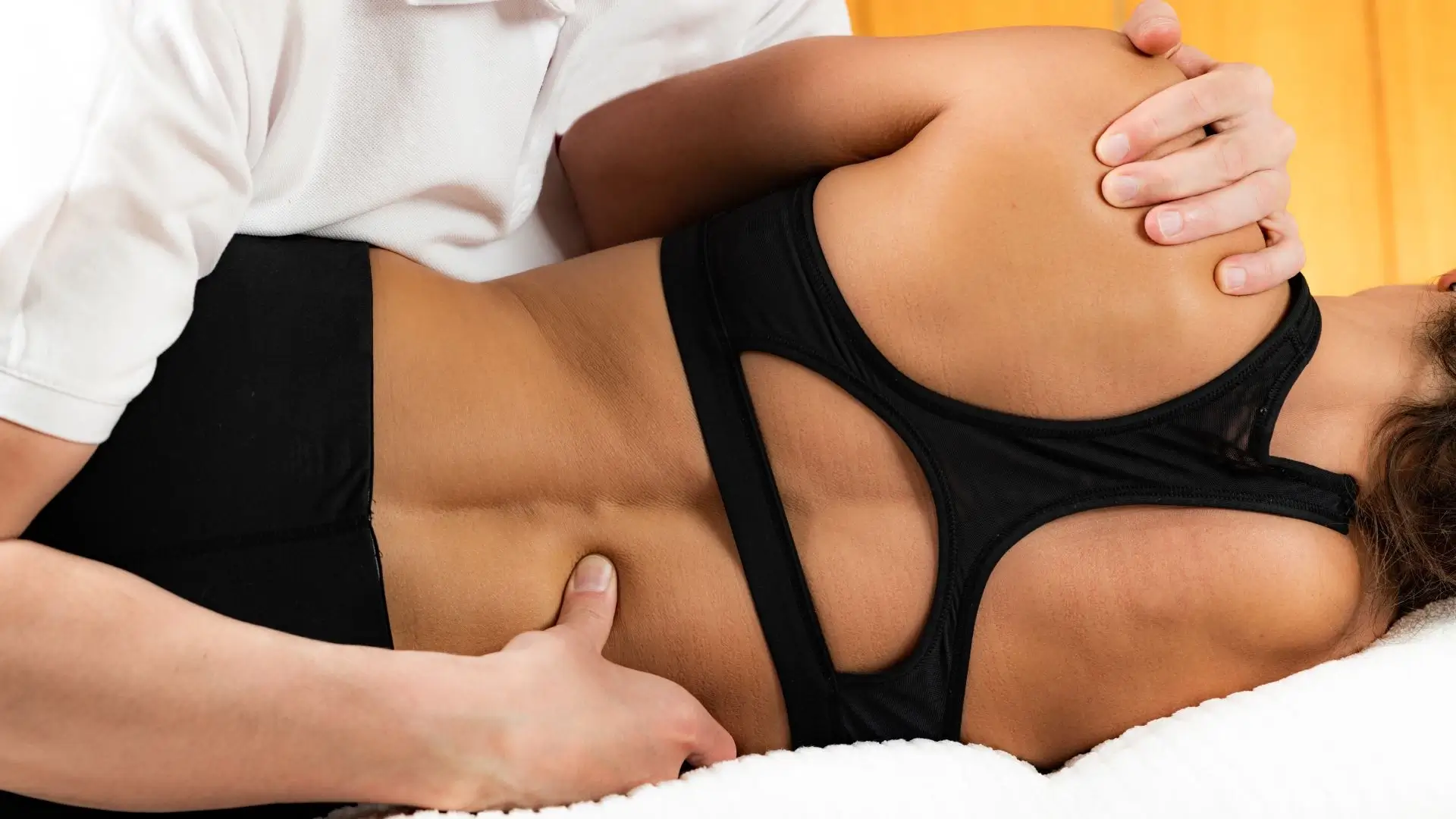
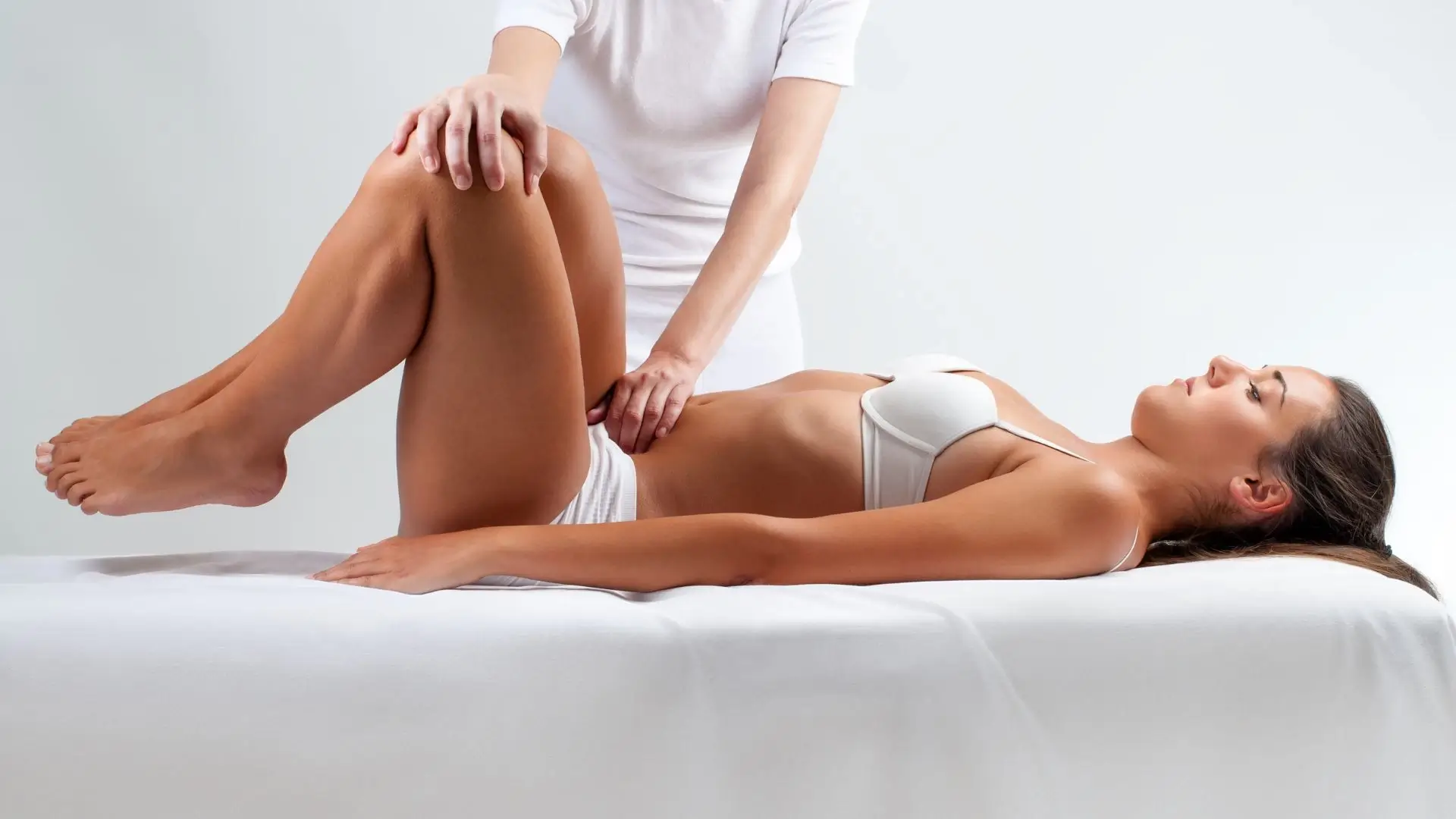
Our osteopathy services in Mississauga focuses on hands on care to restore movement, reduce pain, and improve physical function. Each session includes a full assessment of posture, mobility, and injury history to guide precise treatment. Care targets joint restriction, muscle tension, and circulation limits to support faster recovery and daily comfort. Services support injury recovery, chronic pain relief, postural correction, and long term physical balance.

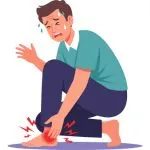
Ankle Pain and Foot Injury

Ankle Pain and Foot Injury

Ankle pain and foot injury disrupt walking, balance, and daily movement. Osteopathy addresses joint restriction, tissue tension, and movement imbalance to restore mobility and support stable, pain free function.

Hip Pain and Knee Injury

Hip Pain and Knee Injury

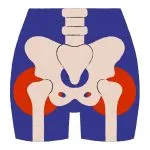
Hip pain and knee injury affect walking, sitting, and daily movement. Osteopathy focuses on joint mobility, muscle balance, and movement control to reduce strain and support long term function.

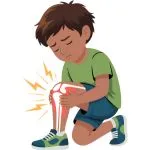
Children and Youth Injuries

Infants/Children and Youth Injuries

Infants, children, and youth injuries affect movement, posture, and development. Osteopathy focuses on gentle hands on care to address tissue tension, joint restriction, and movement imbalance for healthy growth and function.

Migraines and Headaches

Migraines and Headaches

Migraines and headaches disrupt focus, sleep, and daily function. Osteopathy focuses on reducing tension, improving circulation, and restoring movement balance to support consistent relief and long term comfort.

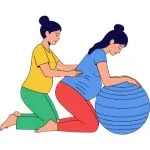
Maternity and Pregnancy

Maternity and Pregnancy

Pregnancy places increased demand on the body, affecting posture, joints, and movement. Osteopathy offers gentle hands on care to support comfort, mobility, and physical balance throughout maternity.

Upper and Lower Back Pain Injury 1

Upper and Lower Back Pain Injury

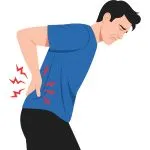
Upper and lower back pain injury affects movement, posture, and daily activity. Osteopathy focuses on joint mobility, tissue tension, and movement balance to reduce strain and restore functional comfort.

Shoulder Pain Injury

Shoulder Pain Injury

Shoulder pain injury limits arm movement and daily tasks. Osteopathy addresses joint restriction, tissue tension, and movement imbalance to restore mobility and support stable shoulder function.

Neck Pain Injury

Neck Pain Injury

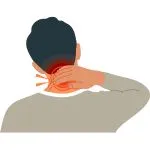
Neck pain injuries restrict movement and strain daily activity. Osteopathy focuses on joint mobility, muscle tension, and movement balance to support comfort and functional stability.

Women Pelvic Health Wellness

Women Pelvic Health Wellness

Women pelvic health wellness requires clear guidance and focused care. At Mississauga Osteopathy Clinic, you receive structured osteopathic support designed to improve pelvic function, movement, and daily comfort.

Craniosacral Therapy

Craniosacral Therapy

Our Mississauga osteopathy clinic offers Craniosacral Therapy, a gentle hands-on approach that supports natural movement of the skull and sacrum. Using light touch, your osteopath helps release restrictions, improve nervous system balance, and enhance overall body function.

About City Of Mississauga Ontario

Mississauga, Ontario, is a thriving city located along the shores of Lake Ontario, just west of Toronto. As one of Canada’s largest and fastest-growing cities, it is home to a diverse and multicultural population. With Pearson International Airport, the country’s busiest airport, and major corporate headquarters, Mississauga has established itself as a key business and economic hub in Canada. The city’s modern skyline, featuring high-rise condominiums and commercial developments, is complemented by green spaces, waterfront parks, and vibrant cultural attractions.

One of Mississauga’s most notable landmarks is Square One Shopping Centre, one of the largest malls in Canada, attracting millions of visitors each year. The downtown core is rapidly evolving, with new residential and commercial projects reshaping the city’s landscape. Meanwhile, neighborhoods like Port Credit offer a charming, lakefront lifestyle with boutique shops, cafes, and marinas, making it a popular destination for both residents and tourists. Historic Streetsville, with its small-town charm, provides a glimpse into Mississauga’s past while offering modern amenities.

About Mississauga
mississauga ontario

Mississauga is also a city committed to education and innovation, with top-rated schools, colleges, and easy access to leading universities in the Greater Toronto Area. The city’s public transit system is expanding, with new LRT and GO Transit projects aiming to enhance connectivity and reduce congestion. With a strong focus on community development and sustainability, Mississauga continues to improve its infrastructure, recreational spaces, and public services to meet the needs of its growing population.

Beyond its economic success, Mississauga is a welcoming and family-friendly city with a strong sense of community. The city hosts numerous cultural festivals, outdoor events, and recreational activities, celebrating its diverse population. Whether enjoying waterfront trails in Lakeview, exploring Erin Mills and Meadowvale’s parks, or experiencing arts and performances at the Living Arts Centre, Mississauga offers something for everyone. With its blend of urban convenience and suburban comfort, it remains a top choice for those looking to live, work, and thrive in a dynamic and inclusive environment.

Major Street Intersections
Neighbourhood
Postal Codes

Central Mississauga

  • L4Z,
  • L5B,
  • L5C

North Mississauga

  • L5N
  • L5M
  • L5V
  • L4Z
  • L5R

West Mississauga

  • L5L
  • L5M

East Mississauga

  • L4W
  • L4X
  • L4Y
  • L4Z
  • L5A

South Mississauga

  • L5G
  • L5H
  • L5J
  • L5K
  • L5E
Others

References

Cleveland Clinic. (2021, October 27). Peroneal tendonitis. https://my.clevelandclinic.org/health/diseases/22003-peroneal-tendonitis

American College of Foot and Ankle Surgeons. (n.d.). Peroneal tendon injuries. Foot Health Facts. https://www.foothealthfacts.org/conditions/peroneal-tendon-injuries

Walt, J., & Massey, P. (2023, May 23). Peroneal tendon syndromes. In StatPearls. StatPearls Publishing. https://www.ncbi.nlm.nih.gov/books/NBK544354/

National Council for Osteopathic Research. (n.d.). What is osteopathy? https://ncor.org.uk/what-is-osteopathy/

Book an Osteopath Appointment With Us