
Mississauga Osteopathy Clinic | An Osteopathy approach for Pain Management

Mississauga Osteopathy Clinic

Osteopathy prioritizes your physical well-being, fostering mobility, pain relief, vitality, and overall happiness in Mississauga.

Top Osteopath in Mississauga

Our Best Osteopath Near Mississauga, offering professional care for individuals experiencing hip pain, mobility limitations, and musculoskeletal injuries.

We focus on identifying the underlying causes of discomfort through detailed assessments of posture, joint function, and movement patterns. Our approach emphasizes personalized care designed to reduce pain, restore mobility, and improve overall physical function.

Through hands-on osteopathic techniques, movement guidance, and rehabilitation support, we help patients manage conditions such as hip stress fractures and related musculoskeletal concerns. Our goal is to support recovery while helping you return to daily activities safely and confidently.

STRESS FRACTURES OF THE HIP Infographic Mississauga Osteopathy Clinic 2

Top-Rated Mississauga Osteopathic Manual Practitioners

Amanpreet Kaur - Osteopathic Practitioner - CPMDQ Licensed Practitioner - ACMA Member

Amanpreet Kaur (CPMDQ), ACMA Manual Osteopathic Practitioner

Sharenpreet-Kaur-Osteopathy-in-Mississauga

Sharanpreet Kaur (D.O.M.P), Manual Osteopathic Practitioner

Stress fractures of the hip were once most commonly seen in military personnel who marched and trained daily. Today, they are frequently observed in athletes, particularly long-distance runners and individuals who participate in repetitive high-impact activities, and they can often lead to hip pain during movement or weight-bearing activities.

There are two primary types of stress fractures. Insufficiency fractures occur when weakened or abnormal bone breaks under normal levels of force. Fatigue fractures, on the other hand, occur when healthy bone is exposed to excessive and repetitive stress. Fatigue fractures often develop when someone begins a new and demanding physical activity such as distance running, intensive training, or repetitive marching.

Most hip stress fractures fall into the fatigue fracture category. These injuries begin as tiny hairline cracks in the bone and may worsen if the stress on the bone continues without proper rest or treatment.

Anatomy of the Hip

The femur, or thigh bone, is the longest and strongest bone in the body. The rounded top of the femur forms the femoral head, which fits into a socket in the pelvis called the acetabulum, creating the hip joint.

Stress fractures of the hip most commonly occur in the femoral neck, a narrow section of bone that connects the femoral head to the shaft of the femur. Because this region is relatively thin and carries significant body weight, it is particularly vulnerable to repetitive stress.

Even during simple activities such as standing, the femoral neck experiences considerable force. Muscle contractions during walking increase this stress, and running can multiply the load on the femoral neck several times over.

Orthopedic specialists generally classify fatigue fractures of the femoral neck into three categories:

  • Compression fractures, which occur on the underside of the femoral neck

  • Tension fractures, which occur on the upper side of the femoral neck and often pose greater risks

  • Displaced fractures, where the bone breaks completely and the fragments no longer align properly

Displaced fractures are particularly serious, especially in younger individuals, because they may disrupt the blood supply to the femoral head. This complication can lead to avascular necrosis (AVN), a condition in which bone tissue dies due to a lack of blood flow.

In addition to fractures, individuals with hip stress fractures may also experience associated muscle strain, tendon irritation, and inflammation of the synovial lining of the hip joint.

Stress fractures may also develop in other parts of the femur, including the shaft of the bone, the greater trochanter, and even the pelvic bones. The greater trochanter is a prominent bony structure below the femoral neck that serves as an attachment point for the muscles of the buttock.

2 300x300 1

Causes

Stress fractures occur when bones are repeatedly exposed to forces that exceed their ability to repair and adapt. A helpful comparison is bending a metal paper clip back and forth repeatedly. Over time, the metal weakens and eventually breaks.

Bones naturally adapt to repeated stress. This process allows the body to strengthen areas where muscles and tendons apply force. However, when stress is applied too frequently or too intensely, the bone’s ability to adapt may become overwhelmed, resulting in small cracks known as stress fractures.

These injuries often occur when individuals suddenly increase their physical activity level. Activities such as distance running, high-intensity training, or repetitive marching place significant stress on the hip.

Research indicates that many athletes who develop stress fractures have been training intensely for extended periods, often exercising several times per week. Rapid increases in distance, intensity, or frequency of exercise significantly raise the risk of injury.

Women appear to develop fatigue fractures more often than men. Hormonal influences may play a role, as hormonal changes can affect bone density. Additionally, eating disorders—which are more common among female athletes—can contribute to reduced bone strength and increased fracture risk.

Age may also increase the likelihood of stress fractures, partly due to gradual changes in physical conditioning and bone strength over time.

Symptoms

The most common symptom of a hip stress fracture is pain in the front of the groin or hip during movement or weight-bearing activities.

Individuals may notice discomfort when standing, walking, running, or climbing stairs. The pain often improves with rest but returns when activity resumes.

As the injury progresses, people may develop a noticeable limp due to pain or weakness. Activities that place additional stress on the hip joint may become increasingly difficult or impossible to perform.

5 300x300 1

Diagnosis

Diagnosing a stress fracture of the hip begins with a detailed medical history and physical examination. A healthcare provider will ask about your exercise habits, activity levels, and the onset of symptoms.

During the physical examination, the hip joint will be assessed for tenderness, range of motion, and signs of weakness or instability. The main goal is to determine whether the pain originates from a stress fracture or from other structures such as muscles, tendons, or ligaments.

An X-ray is often recommended as an initial imaging test. However, early stress fractures may not be visible on X-rays.

Additional imaging tests are often more effective in detecting stress fractures, including:

  • Bone scans, which use special tracers injected into the bloodstream to highlight areas of increased bone activity

  • Magnetic resonance imaging (MRI), which can identify stress fractures and distinguish them from other injuries affecting the hip

MRI scans are increasingly used because they provide detailed images of both bone and soft tissue structures.

Nonsurgical Treatment

Most compression-type stress fractures of the hip can be treated without surgery.

Treatment typically involves resting the affected leg and avoiding weight-bearing activities for several weeks. Crutches may be recommended to reduce stress on the hip while standing or walking.

Pain relief may be achieved through a combination of rest, cold and heat therapy, and medications. When properly managed, many stress fractures heal naturally over time.

Treatment decisions for tension fractures vary depending on the risk of the fracture worsening. If the fracture appears stable, healthcare providers may recommend crutches and careful monitoring with regular imaging to ensure proper healing.

If the fracture shows signs of displacement or instability, surgery may be recommended to prevent complications such as avascular necrosis.

Surgical Treatment

Surgery may be necessary if imaging reveals an unstable stress fracture or if the bone fragments have shifted out of alignment.

The most common surgical procedure involves inserting metal screws through the femoral neck to stabilize the fracture while the bone heals.

During the procedure, a small incision is made on the side of the upper thigh. Surgeons use a specialized imaging device called a fluoroscope to guide the placement of the screws while viewing real-time X-ray images.

In cases where the fracture has significantly displaced the bone, surgical decisions may vary depending on the patient’s age and activity level.

Younger and more active individuals may undergo procedures designed to preserve the femoral head and maintain natural hip function.

For older or less active individuals, surgeons may recommend joint replacement procedures. These may include:

  • Hemiarthroplasty, which replaces the ball portion of the hip joint

  • Total hip arthroplasty, which replaces both the ball and socket with artificial components

6 300x300 1

Nonsurgical Rehabilitation

Recovery from a hip stress fracture requires careful rehabilitation to restore strength, flexibility, and normal movement.

During the early stages of healing, individuals must avoid placing weight on the injured leg. Some patients may be allowed to lightly touch the ground with their toes while using crutches, while others may need to completely avoid weight-bearing activities.

Regular imaging tests may be performed during recovery to confirm that the bone is healing correctly.

Once healing progresses, gradual weight-bearing activities may be introduced. Rehabilitation exercises focus on strengthening the hip muscles, improving flexibility, and restoring a normal walking pattern.

Physical therapy can also help ensure a safe return to regular activities while reducing the risk of future injuries.

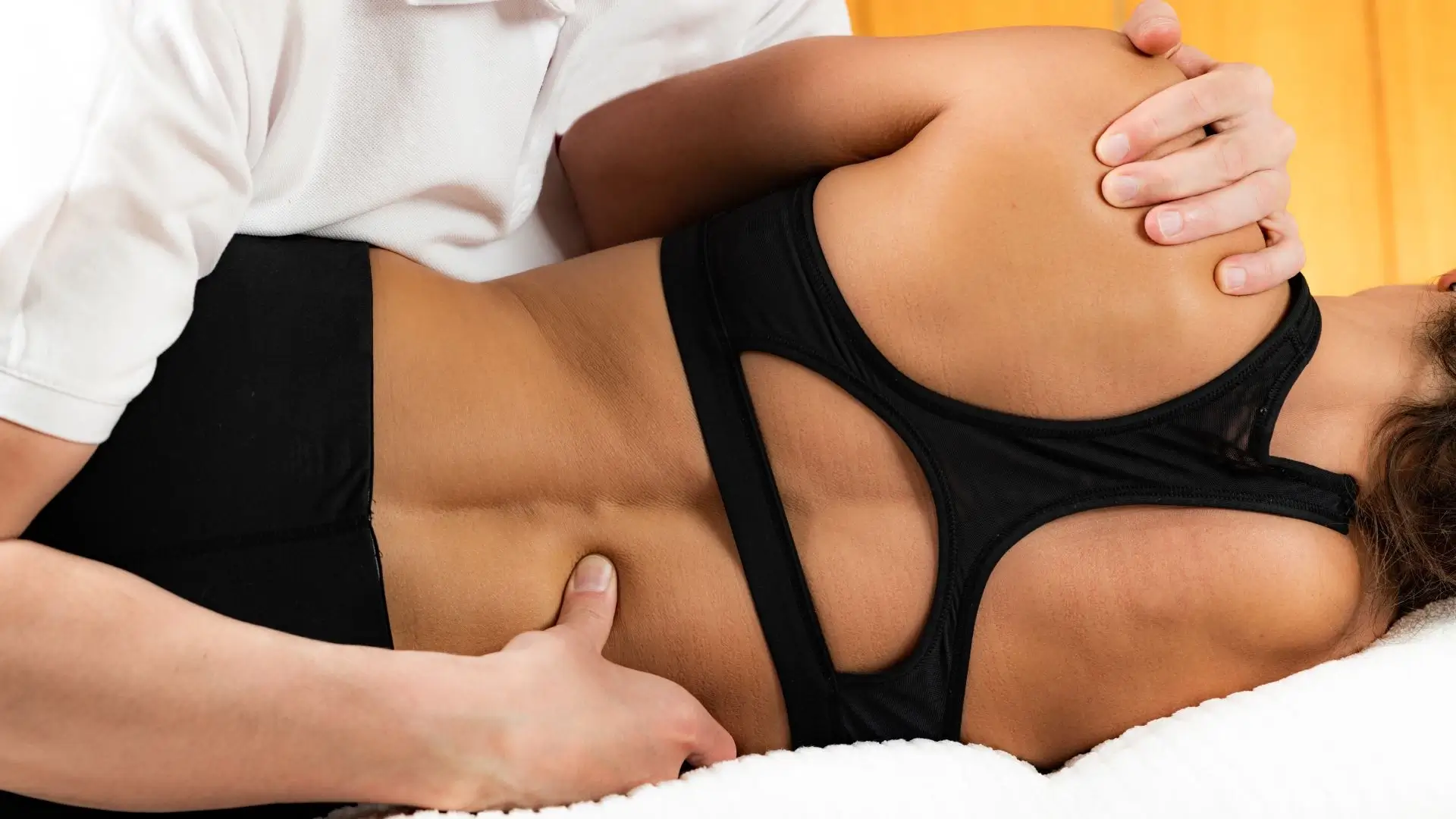
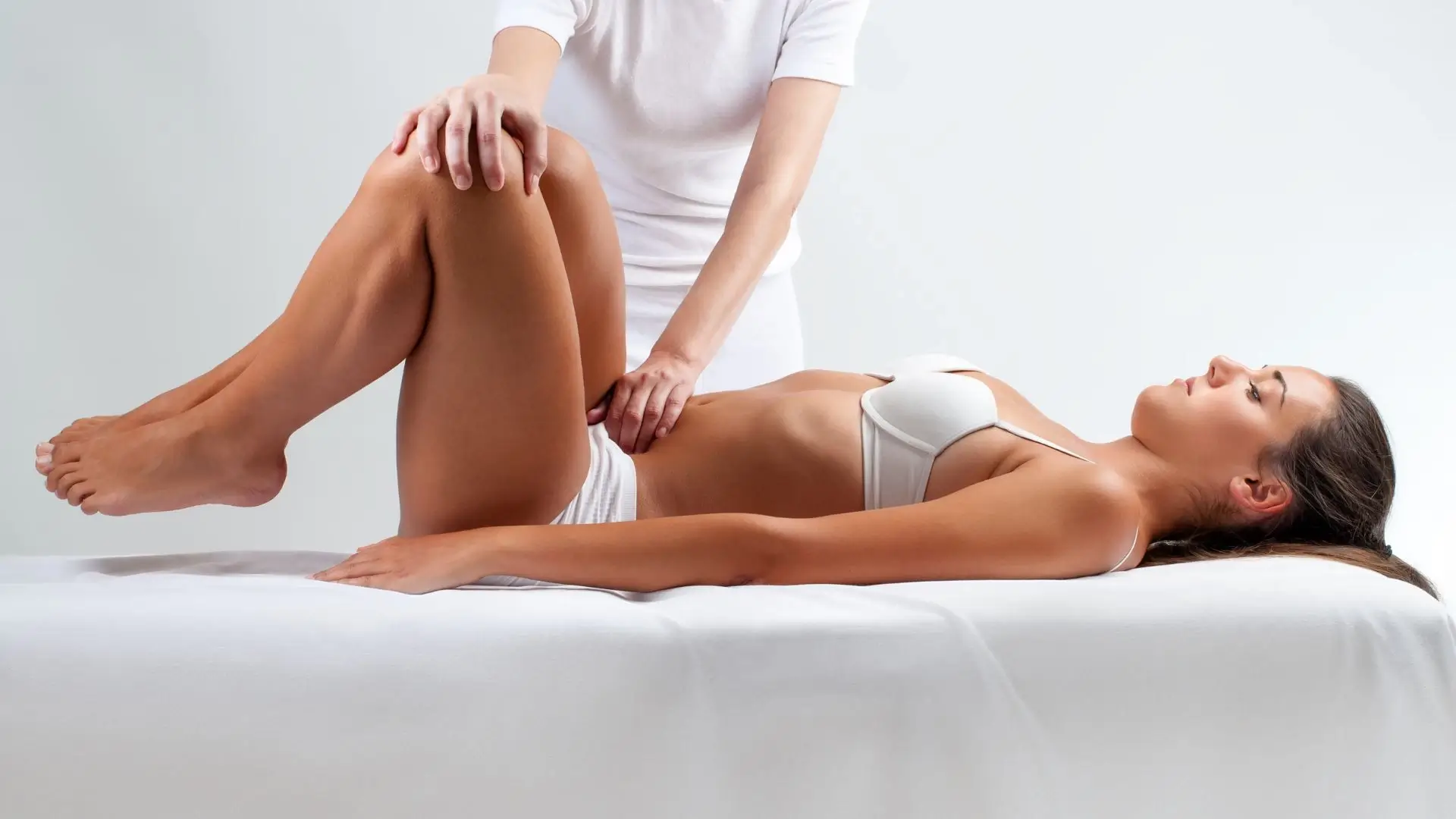
Our osteopathy services in Mississauga focuses on hands on care to restore movement, reduce pain, and improve physical function. Each session includes a full assessment of posture, mobility, and injury history to guide precise treatment. Care targets joint restriction, muscle tension, and circulation limits to support faster recovery and daily comfort. Services support injury recovery, chronic pain relief, postural correction, and long term physical balance.

Ankle Pain and Foot Injury

Ankle Pain and Foot Injury

Ankle pain and foot injury disrupt walking, balance, and daily movement. Osteopathy addresses joint restriction, tissue tension, and movement imbalance to restore mobility and support stable, pain free function.

Hip Pain and Knee Injury

Hip Pain and Knee Injury

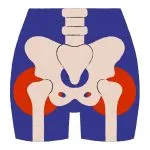
Hip pain and knee injury affect walking, sitting, and daily movement. Osteopathy focuses on joint mobility, muscle balance, and movement control to reduce strain and support long term function.

Children and Youth Injuries

Infants/Children and Youth Injuries

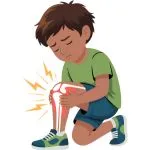
Infants, children, and youth injuries affect movement, posture, and development. Osteopathy focuses on gentle hands on care to address tissue tension, joint restriction, and movement imbalance for healthy growth and function.

Migraines and Headaches

Migraines and Headaches

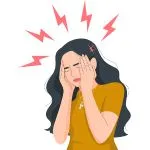
Migraines and headaches disrupt focus, sleep, and daily function. Osteopathy focuses on reducing tension, improving circulation, and restoring movement balance to support consistent relief and long term comfort.

Maternity and Pregnancy

Maternity and Pregnancy

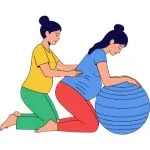
Pregnancy places increased demand on the body, affecting posture, joints, and movement. Osteopathy offers gentle hands on care to support comfort, mobility, and physical balance throughout maternity.

Upper and Lower Back Pain Injury 1

Upper and Lower Back Pain Injury

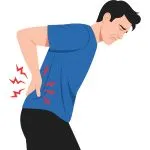
Upper and lower back pain injury affects movement, posture, and daily activity. Osteopathy focuses on joint mobility, tissue tension, and movement balance to reduce strain and restore functional comfort.

Shoulder Pain Injury

Shoulder Pain Injury

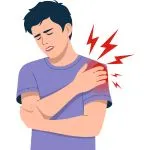
Shoulder pain injury limits arm movement and daily tasks. Osteopathy addresses joint restriction, tissue tension, and movement imbalance to restore mobility and support stable shoulder function.

Neck Pain Injury

Neck Pain Injury

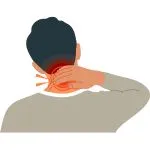
Neck pain injuries restrict movement and strain daily activity. Osteopathy focuses on joint mobility, muscle tension, and movement balance to support comfort and functional stability.

Women Pelvic Health Wellness

Women Pelvic Health Wellness

Women pelvic health wellness requires clear guidance and focused care. At Mississauga Osteopathy Clinic, you receive structured osteopathic support designed to improve pelvic function, movement, and daily comfort.

Craniosacral Therapy

Craniosacral Therapy

Our Mississauga osteopathy clinic offers Craniosacral Therapy, a gentle hands-on approach that supports natural movement of the skull and sacrum. Using light touch, your osteopath helps release restrictions, improve nervous system balance, and enhance overall body function.

About City Of Mississauga Ontario

Mississauga, Ontario, is a thriving city located along the shores of Lake Ontario, just west of Toronto. As one of Canada’s largest and fastest-growing cities, it is home to a diverse and multicultural population. With Pearson International Airport, the country’s busiest airport, and major corporate headquarters, Mississauga has established itself as a key business and economic hub in Canada. The city’s modern skyline, featuring high-rise condominiums and commercial developments, is complemented by green spaces, waterfront parks, and vibrant cultural attractions.

One of Mississauga’s most notable landmarks is Square One Shopping Centre, one of the largest malls in Canada, attracting millions of visitors each year. The downtown core is rapidly evolving, with new residential and commercial projects reshaping the city’s landscape. Meanwhile, neighborhoods like Port Credit offer a charming, lakefront lifestyle with boutique shops, cafes, and marinas, making it a popular destination for both residents and tourists. Historic Streetsville, with its small-town charm, provides a glimpse into Mississauga’s past while offering modern amenities.

About Mississauga
mississauga ontario

Mississauga is also a city committed to education and innovation, with top-rated schools, colleges, and easy access to leading universities in the Greater Toronto Area. The city’s public transit system is expanding, with new LRT and GO Transit projects aiming to enhance connectivity and reduce congestion. With a strong focus on community development and sustainability, Mississauga continues to improve its infrastructure, recreational spaces, and public services to meet the needs of its growing population.

Beyond its economic success, Mississauga is a welcoming and family-friendly city with a strong sense of community. The city hosts numerous cultural festivals, outdoor events, and recreational activities, celebrating its diverse population. Whether enjoying waterfront trails in Lakeview, exploring Erin Mills and Meadowvale’s parks, or experiencing arts and performances at the Living Arts Centre, Mississauga offers something for everyone. With its blend of urban convenience and suburban comfort, it remains a top choice for those looking to live, work, and thrive in a dynamic and inclusive environment.

Major Street Intersections
Neighbourhood
Postal Codes

Central Mississauga

  • L4Z,
  • L5B,
  • L5C

North Mississauga

  • L5N
  • L5M
  • L5V
  • L4Z
  • L5R

West Mississauga

  • L5L
  • L5M

East Mississauga

  • L4W
  • L4X
  • L4Y
  • L4Z
  • L5A

South Mississauga

  • L5G
  • L5H
  • L5J
  • L5K
  • L5E
Others

References

Howard, P. (2025). Understanding hip stress fractures: Causes, symptoms, and treatment options. https://peterhowardmd.com/understanding-hip-stress-fractures-causes-symptoms-and-treatment-options/

Scott, J. (n.d.). Hip stress fracture. Verywell Health. https://www.verywellhealth.com/hip-stress-fracture-2549478

French, M. H. (n.d.). Stress fractures of the hip. https://www.doctorfrenchortho.com/stress-fractures-of-the-hip-orthopaedic-surgeon-temecula-ca/

U.S. National Library of Medicine. (n.d.). Stress fractures. MedlinePlus Medical Encyclopedia. https://medlineplus.gov/ency/article/002020.htm

BOOK AN APPOINTMENT WITH US