
Mississauga Osteopathy Clinic | An Osteopathy approach for Pain Management

Mississauga Osteopathy Clinic

Osteopathy prioritizes your physical well-being, fostering mobility, pain relief, vitality, and overall happiness in Mississauga.

Osteopathic Care near Mississauga

Finding our Best Osteopath Near Mississauga can make a meaningful difference when managing hip conditions such as trochanteric bursitis. Our clinic focuses on identifying the underlying causes of pain and movement limitations rather than only addressing symptoms.

We take a comprehensive approach to musculoskeletal health, carefully assessing joint mechanics, muscle balance, and movement patterns. This allows us to develop treatment plans that support the body’s natural ability to heal and restore proper function.

Our goal is to help improve hip mobility, reduce inflammation, and support long-term recovery. Through personalized care, manual osteopathic techniques, and guidance on movement and rehabilitation, we work with you to promote lasting relief and better overall mobility.

Trochanteric Bursitis Infographic Mississauga Osteopathy Clinic 2

Top-Rated Mississauga Osteopathic Manual Practitioners

Amanpreet Kaur - Osteopathic Practitioner - CPMDQ Licensed Practitioner - ACMA Member

Amanpreet Kaur (CPMDQ), ACMA Manual Osteopathic Practitioner

Sharenpreet-Kaur-Osteopathy-in-Mississauga

Sharanpreet Kaur (D.O.M.P), Manual Osteopathic Practitioner

Trochanteric bursitis is a common source of hip pain on the outer side of the hip. The discomfort usually develops around the bony point on the side of the hip known as the greater trochanter. A large tendon travels over this area, and between the tendon and the bone sits a protective fluid-filled sac called a bursa. When this bursa becomes irritated or inflamed, the condition is referred to as trochanteric bursitis.

This condition is frequently seen in older adults, though it can also affect younger individuals who engage in repetitive physical activities such as walking, running, or cycling. The repeated movement of the hip joint can increase friction around the bursa, leading to irritation and inflammation over time.

Anatomy of the Hip

The hip joint is a classic ball-and-socket joint. The rounded top of the thigh bone, known as the femoral head, fits into a deep socket in the pelvis called the acetabulum. This structure allows the hip to move smoothly in multiple directions while supporting the weight of the body.

Strong muscles surround the hip joint. Thick muscles at the back of the hip and buttock, along with muscles at the front of the thigh, work together to support movement and stability.

On the outside of the upper femur is a prominent bony point called the greater trochanter. This structure serves as an attachment point for several important hip muscles, including parts of the gluteal muscle group. These muscles help move and stabilize the hip during activities such as walking, climbing, and standing.

Where tendons and muscles glide across bones, the body often places a bursa to reduce friction. A bursa is a thin sac filled with lubricating fluid that cushions the surrounding structures. In some cases, the body can even develop a new bursa in response to repeated friction.

tb2 300x225 1

Causes of Trochanteric Bursitis

Trochanteric bursitis develops when the bursa becomes irritated or inflamed. This irritation usually occurs because of excessive friction between the tendon and the greater trochanter or as a result of trauma to the area.

One common contributing factor is tightness in the long tendon running along the outer thigh. This tendon connects with the gluteus maximus, a large muscle responsible for hip extension and stability. During walking, this tendon moves repeatedly over the greater trochanter. If it becomes tight, it can rub against the bursa with each step, creating friction and irritation.

Other contributing factors may include weakness in the gluteus medius, differences in leg length, or running on sloped or uneven surfaces. These factors can alter the mechanics of the hip joint and increase stress on the bursa.

In many individuals, trochanteric bursitis develops gradually without a clear injury. However, it may also occur after hip replacement surgery or other procedures involving the hip joint. Changes in alignment, joint mechanics, or scar tissue formation after surgery may contribute to irritation in the area.

Direct trauma can also cause this condition. A fall onto the side of the hip may lead to bleeding into the bursa, creating a hematoma. Although the bleeding itself is typically not dangerous, it can irritate the bursa and trigger inflammation. Over time, repeated irritation can cause the bursa to thicken and become chronically inflamed.

tb4 300x300 1

Symptoms

The earliest and most common symptom of trochanteric bursitis is pain on the outer side of the hip, particularly over the greater trochanter. The discomfort may initially appear only during activity but can gradually worsen over time.

As the condition progresses, pain may spread down the outer thigh. Many individuals notice increased discomfort when walking, climbing stairs, or lying on the affected side. A limp may develop due to pain and stiffness in the hip.

In more persistent cases, the pain can continue even at rest and may interfere with sleep. Pressure placed on the hip while lying down often aggravates symptoms.

tb6 300x300 1

Diagnosis

Diagnosis of trochanteric bursitis usually begins with a detailed medical history and physical examination. A healthcare professional will ask about the onset of symptoms, activities that worsen the pain, and any recent injuries or changes in physical activity.

During the physical examination, hip movement, flexibility, and gait are assessed. Pressure applied directly over the greater trochanter may reproduce the pain associated with the condition.

Imaging studies may be recommended to rule out other potential causes of hip pain. X-rays are commonly used to evaluate the bones and joint structure. Although X-rays typically do not show bursitis itself, they can help identify other issues such as arthritis or structural abnormalities in the hip.

In some cases, a diagnostic injection may be performed. A small amount of local anesthetic is injected into the bursa. If the pain improves immediately after the injection, it strongly suggests that trochanteric bursitis is the source of the symptoms. Physicians often include a corticosteroid medication in the injection to help reduce inflammation at the same time.

Treatment

Treatment for trochanteric bursitis usually begins with conservative approaches. Most individuals experience significant improvement without the need for surgery.

Initial management often focuses on reducing inflammation and avoiding activities that worsen the symptoms. Modifying exercise routines, resting the affected hip, and using anti-inflammatory medications when appropriate can help reduce irritation in the bursa.

Nonsurgical Treatment

Many cases respond well to conservative care. Individuals who develop trochanteric bursitis from overuse may benefit from temporarily reducing physical activity or adjusting their exercise routines.

Stretching and strengthening exercises are commonly recommended to improve flexibility and restore balance in the hip muscles. Strengthening the gluteal muscles and improving hip stability can reduce the mechanical stress that contributes to irritation of the bursa.

Physical therapy may also be recommended. Therapists may use treatments such as heat, ice, and manual therapy to reduce inflammation and improve joint mobility. Stretching and strengthening exercises help restore proper hip function and reduce friction in the affected area.

Therapy programs typically last four to six weeks before significant improvement in motion and strength occurs.

If symptoms persist despite conservative treatment, a corticosteroid injection into the bursa may provide temporary relief. Cortisone is a strong anti-inflammatory medication that can significantly reduce swelling and pain when delivered directly to the affected area. While the injection may not permanently resolve the condition, it can provide relief for several months.

tb7 300x300 1

Surgical Treatment

Surgery for trochanteric bursitis is rarely required. It is usually considered only when conservative treatments fail and pain continues to significantly affect daily activities.

Surgical procedures focus on removing the inflamed or thickened bursa and correcting any structural factors contributing to friction in the area. Surgeons may also remove bone spurs from the greater trochanter or adjust the tension in the tendon that passes over it.

Some surgical approaches involve lengthening the tendon slightly, while others remove a small section of the tendon that repeatedly rubs against the bone. Both approaches aim to reduce friction and relieve persistent symptoms.

Nonsurgical Rehabilitation

Even when surgery is not necessary, rehabilitation plays an important role in recovery. A structured program designed by a healthcare professional or physical therapist can help restore flexibility, strength, and balance in the hip.

Rehabilitation programs typically include stretching exercises to improve muscle flexibility and strengthening exercises to support the hip joint. Maintaining a proper balance between flexibility and strength is essential for long-term hip health.

Most individuals gradually transition to a home exercise program after several weeks of guided therapy. With consistent rehabilitation, many people regain normal movement and return to daily activities with significantly reduced discomfort.

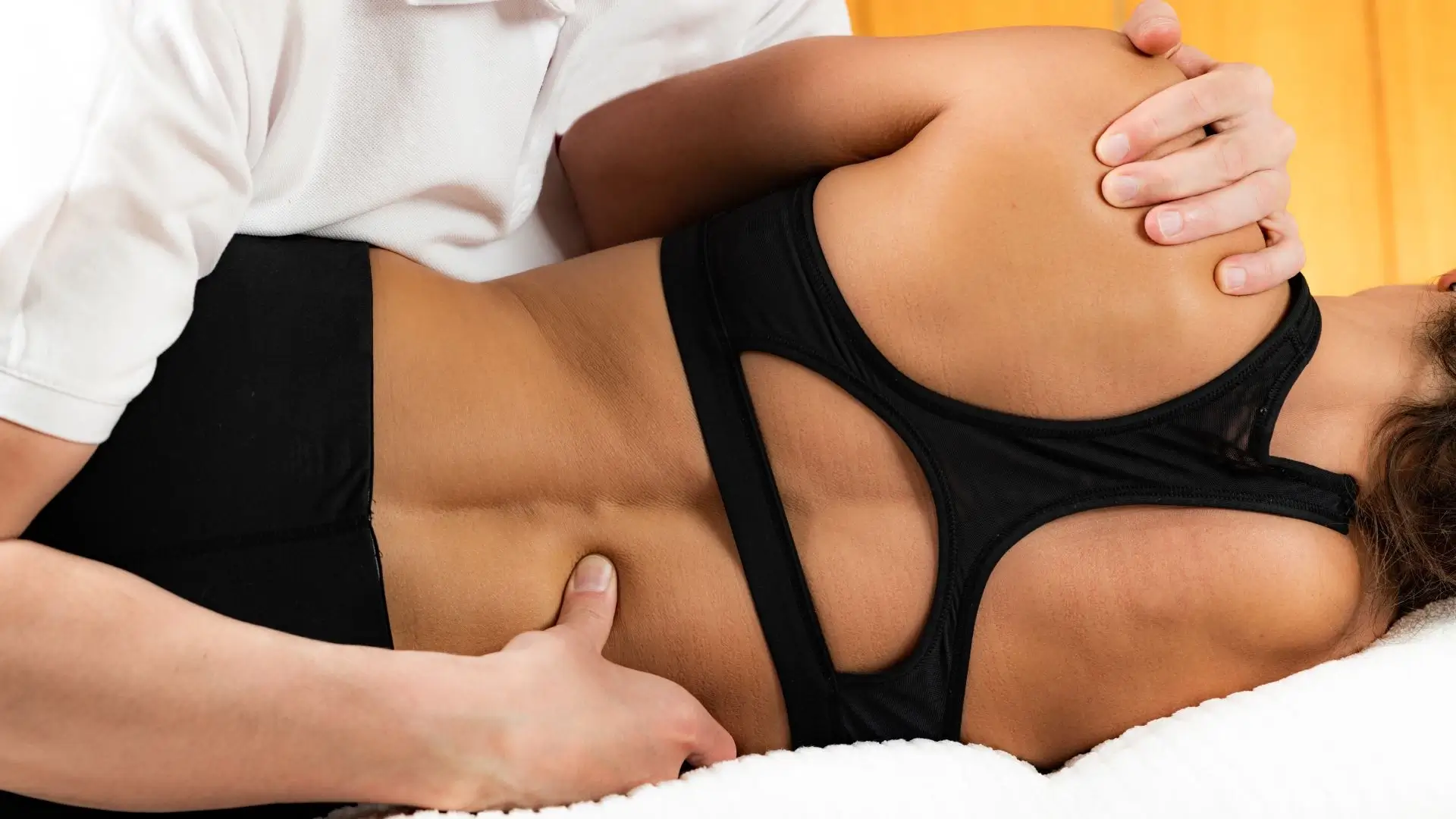
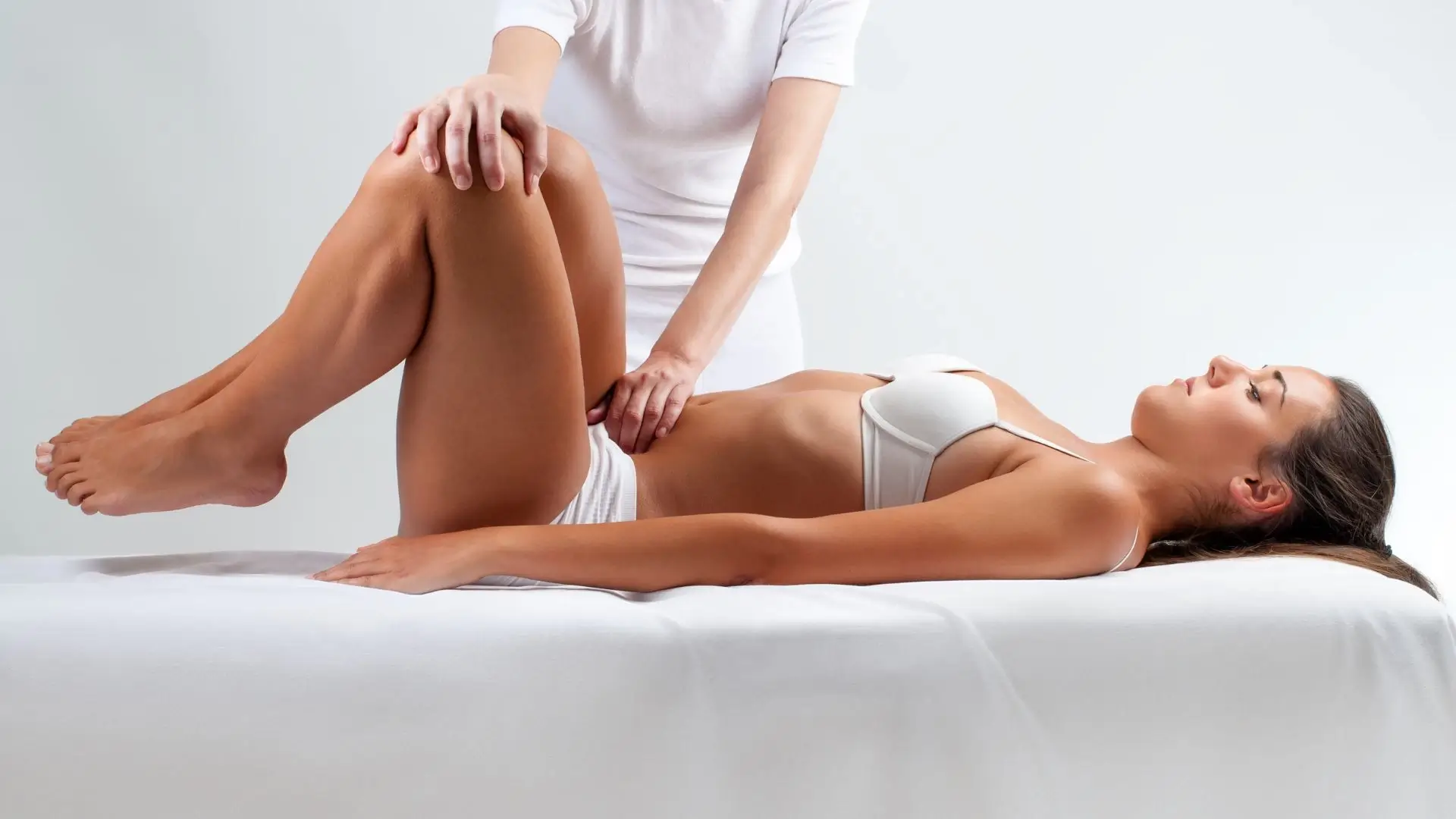
Our osteopathy services in Mississauga focuses on hands on care to restore movement, reduce pain, and improve physical function. Each session includes a full assessment of posture, mobility, and injury history to guide precise treatment. Care targets joint restriction, muscle tension, and circulation limits to support faster recovery and daily comfort. Services support injury recovery, chronic pain relief, postural correction, and long term physical balance.

Ankle Pain and Foot Injury

Ankle Pain and Foot Injury

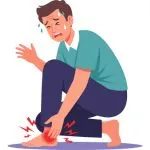
Ankle pain and foot injury disrupt walking, balance, and daily movement. Osteopathy addresses joint restriction, tissue tension, and movement imbalance to restore mobility and support stable, pain free function.

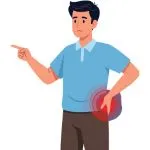
Hip Pain and Knee Injury

Hip Pain and Knee Injury

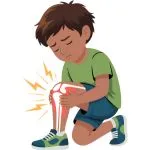
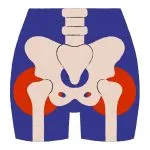
Hip pain and knee injury affect walking, sitting, and daily movement. Osteopathy focuses on joint mobility, muscle balance, and movement control to reduce strain and support long term function.

Children and Youth Injuries

Infants/Children and Youth Injuries

Infants, children, and youth injuries affect movement, posture, and development. Osteopathy focuses on gentle hands on care to address tissue tension, joint restriction, and movement imbalance for healthy growth and function.

Migraines and Headaches

Migraines and Headaches

Migraines and headaches disrupt focus, sleep, and daily function. Osteopathy focuses on reducing tension, improving circulation, and restoring movement balance to support consistent relief and long term comfort.

Maternity and Pregnancy

Maternity and Pregnancy

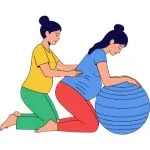
Pregnancy places increased demand on the body, affecting posture, joints, and movement. Osteopathy offers gentle hands on care to support comfort, mobility, and physical balance throughout maternity.

Upper and Lower Back Pain Injury 1

Upper and Lower Back Pain Injury

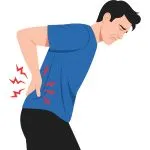
Upper and lower back pain injury affects movement, posture, and daily activity. Osteopathy focuses on joint mobility, tissue tension, and movement balance to reduce strain and restore functional comfort.

Shoulder Pain Injury

Shoulder Pain Injury

Shoulder pain injury limits arm movement and daily tasks. Osteopathy addresses joint restriction, tissue tension, and movement imbalance to restore mobility and support stable shoulder function.

Neck Pain Injury

Neck Pain Injury

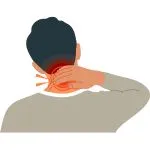
Neck pain injuries restrict movement and strain daily activity. Osteopathy focuses on joint mobility, muscle tension, and movement balance to support comfort and functional stability.

Women Pelvic Health Wellness

Women Pelvic Health Wellness

Women pelvic health wellness requires clear guidance and focused care. At Mississauga Osteopathy Clinic, you receive structured osteopathic support designed to improve pelvic function, movement, and daily comfort.

Craniosacral Therapy

Craniosacral Therapy

Our Mississauga osteopathy clinic offers Craniosacral Therapy, a gentle hands-on approach that supports natural movement of the skull and sacrum. Using light touch, your osteopath helps release restrictions, improve nervous system balance, and enhance overall body function.

About City Of Mississauga Ontario

Mississauga, Ontario, is a thriving city located along the shores of Lake Ontario, just west of Toronto. As one of Canada’s largest and fastest-growing cities, it is home to a diverse and multicultural population. With Pearson International Airport, the country’s busiest airport, and major corporate headquarters, Mississauga has established itself as a key business and economic hub in Canada. The city’s modern skyline, featuring high-rise condominiums and commercial developments, is complemented by green spaces, waterfront parks, and vibrant cultural attractions.

One of Mississauga’s most notable landmarks is Square One Shopping Centre, one of the largest malls in Canada, attracting millions of visitors each year. The downtown core is rapidly evolving, with new residential and commercial projects reshaping the city’s landscape. Meanwhile, neighborhoods like Port Credit offer a charming, lakefront lifestyle with boutique shops, cafes, and marinas, making it a popular destination for both residents and tourists. Historic Streetsville, with its small-town charm, provides a glimpse into Mississauga’s past while offering modern amenities.

About Mississauga
mississauga ontario

Mississauga is also a city committed to education and innovation, with top-rated schools, colleges, and easy access to leading universities in the Greater Toronto Area. The city’s public transit system is expanding, with new LRT and GO Transit projects aiming to enhance connectivity and reduce congestion. With a strong focus on community development and sustainability, Mississauga continues to improve its infrastructure, recreational spaces, and public services to meet the needs of its growing population.

Beyond its economic success, Mississauga is a welcoming and family-friendly city with a strong sense of community. The city hosts numerous cultural festivals, outdoor events, and recreational activities, celebrating its diverse population. Whether enjoying waterfront trails in Lakeview, exploring Erin Mills and Meadowvale’s parks, or experiencing arts and performances at the Living Arts Centre, Mississauga offers something for everyone. With its blend of urban convenience and suburban comfort, it remains a top choice for those looking to live, work, and thrive in a dynamic and inclusive environment.

Major Street Intersections
Neighbourhood
Postal Codes

Central Mississauga

  • L4Z,
  • L5B,
  • L5C

North Mississauga

  • L5N
  • L5M
  • L5V
  • L4Z
  • L5R

West Mississauga

  • L5L
  • L5M

East Mississauga

  • L4W
  • L4X
  • L4Y
  • L4Z
  • L5A

South Mississauga

  • L5G
  • L5H
  • L5J
  • L5K
  • L5E
Others

References

Cleveland Clinic. (2023, July 6). Trochanteric bursitis: Symptoms, causes & treatments. Cleveland Clinic. https://my.clevelandclinic.org/health/diseases/4964-trochanteric-bursitis

Van Rode, E., Shah, M., Van Gijsegem, G., Geernaert, L., Vanderaa, L., Snyders, W., Jackson, K., Nees, A., Lowe, R., Chukwuemeka, U., Acharya, V., van Niekerk, W., & Knott, C. (n.d.). Trochanteric bursitis. Physiopedia. https://www.physio-pedia.com/Trochanteric_Bursitis

Dean, D. D. (2024, August 7). Trochanteric bursitis. Medscape. https://emedicine.medscape.com/article/309286-overview

American Medical Association. (2025, January 10). What is osteopathic medicine? American Medical Association https://www.ama-assn.org/medical-students/preparing-medical-school/what-osteopathic-medicine

BOOK AN APPOINTMENT WITH US