
C7-T1 (Cervicothoracic Junction), Mississauga
Osteopathy prioritizes your physical well-being, fostering mobility, pain relief, vitality, and overall happiness in Mississauga.
About Mississauga Osteopathy Clinic
Top Rated Osteopathics in Mississauga focuses on helping individuals restore healthy movement and reduce pain through gentle and precise manual care. Our team takes a patient-centered approach that focuses on understanding the root cause of musculoskeletal discomfort.
We provide comprehensive osteopathic assessments that consider the spine, muscles, joints, and nervous system together. Our treatments aim to improve mobility, reduce mechanical stress, and support natural healing throughout the body.
Through personalized care plans, we work closely with each patient to improve posture, restore functional movement, and help prevent recurring pain. Our goal is to support long-term spinal health and overall physical well-being for individuals living in the Mississauga community.

Best Manual Osteopaths in Mississauga
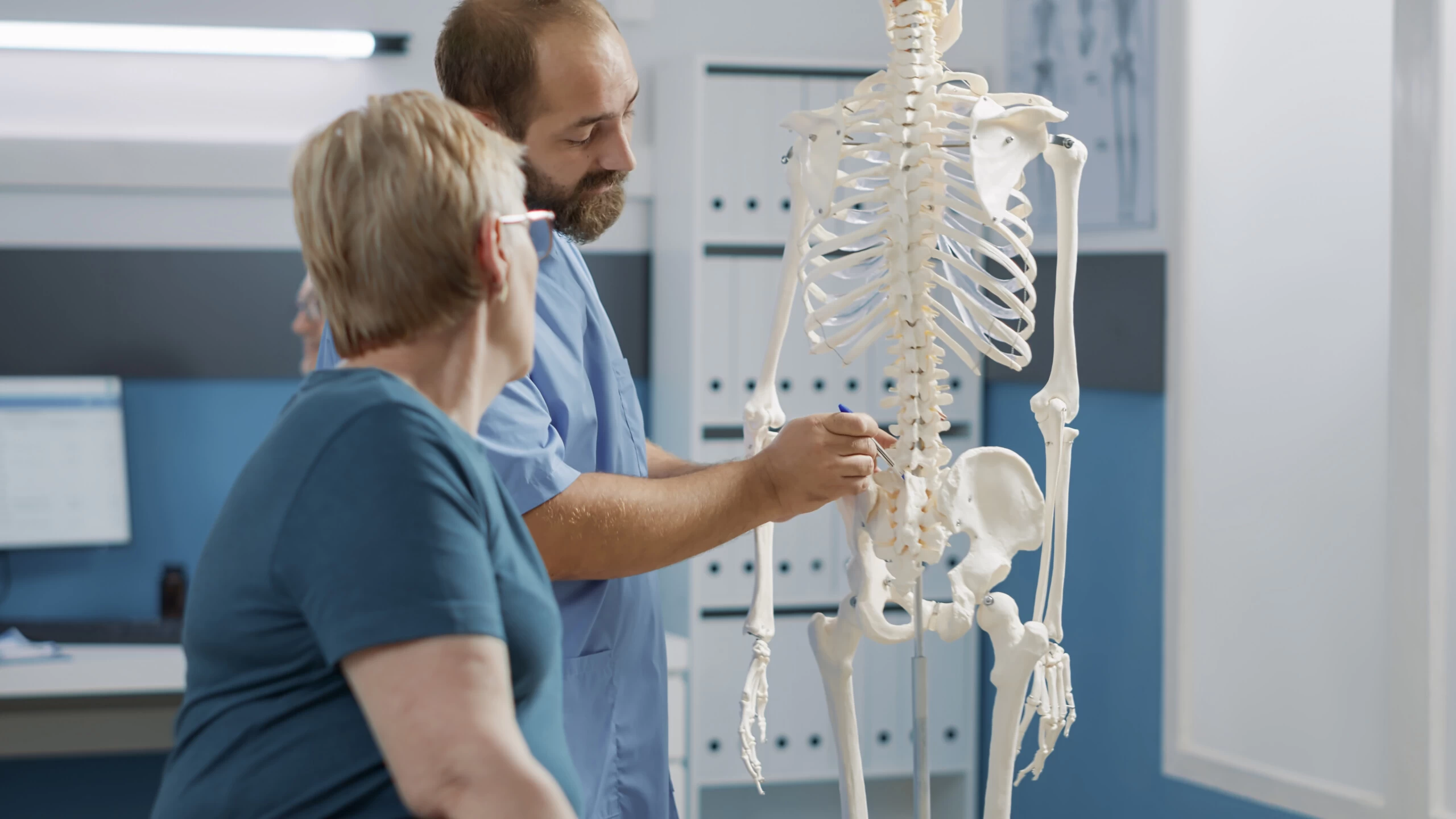
The C7–T1 spinal segment forms the transition point between the cervical spine of the neck and the thoracic spine of the upper back. This area is known as the cervicothoracic junction (CTJ) and plays an important structural role in how the neck and upper back function together.
One key characteristic of this region is the change in mobility. The cervical spine is designed for flexibility and allows the head and neck to move freely. In contrast, the thoracic spine is more rigid because it connects to the rib cage. As a result, the CTJ represents a shift from a highly mobile area to a more stable structure.
Another important feature involves spinal curvature. The cervical spine normally curves slightly backward, known as lordosis, while the thoracic spine curves forward, referred to as kyphosis. At the C7–T1 junction, this change in curvature occurs, which naturally increases mechanical stress in this area.
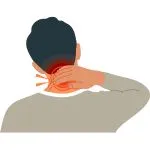
Because of these structural differences, the cervicothoracic junction can become vulnerable to dysfunction, strain, or instability. Injuries, infections, and certain spinal conditions may place additional pressure on this region, potentially leading to neck pain, stiffness, or discomfort in the upper back.
Anatomy of the C7–T1 Spinal Motion Segment
The C7–T1 motion segment includes several important anatomical structures that work together to support movement, stability, and nerve communication.
C7 and T1 Vertebrae
The C7 vertebra is the final vertebra in the cervical spine and is often called vertebra prominens because its spinous process is typically more noticeable at the base of the neck. The T1 vertebra is the first vertebra of the thoracic spine.
These vertebrae connect through paired facet joints at the back of the spine. Each vertebra contains structural elements including a vertebral body, pedicles, transverse processes, lamina, and a spinous process where muscles and ligaments attach.
A unique feature of the T1 vertebra is its connection to the first rib through costovertebral joints. This rib attachment contributes to the stability of the upper thoracic spine and reinforces the transition between neck and chest structures.
C7–T1 Intervertebral Disc
Between the C7 and T1 vertebrae lies an intervertebral disc, which acts as a shock absorber. The disc is made up of a strong outer layer called the annulus fibrosus and a soft inner core known as the nucleus pulposus. Together, these structures cushion the spine and help distribute forces during neck movements.
C8 Spinal Nerve
The C8 spinal nerve exits the spinal cord between the C7 and T1 vertebrae through an opening known as the intervertebral foramen. This nerve contains both sensory and motor components.
The C8 dermatome typically includes sensation along parts of the neck, shoulder, forearm, hand, and especially the little finger. The C8 myotome controls several muscles responsible for wrist and finger movements.
Facet joints at the back of the vertebrae allow limited bending and twisting motions, while surrounding muscles, tendons, and ligaments stabilize the spinal structures. If any of these tissues become strained or injured, symptoms such as neck stiffness, muscle tension, and restricted mobility may occur.

Common Symptoms Associated With C7–T1 Dysfunction
Problems affecting the C7–T1 region can lead to discomfort in the neck or upper back. Injuries involving the vertebrae, discs, or nearby rib structures may cause moderate to severe pain in this transitional area of the spine.
In some cases, injury to the first rib or surrounding muscles may even make breathing feel uncomfortable due to tension in the upper chest and rib cage.
If the C8 nerve becomes irritated or compressed, neurological symptoms may appear. These symptoms can include pain that radiates into the shoulder, forearm, hand, or little finger. Some individuals may experience numbness or tingling in the forearm or hand. Weakness may also develop in the wrist, fingers, or hand muscles.

Non-Surgical Treatment for C7–T1 Conditions
Most cases involving C7–T1 dysfunction are treated with conservative care. Non-surgical treatments aim to reduce pain, restore mobility, and improve spinal stability.
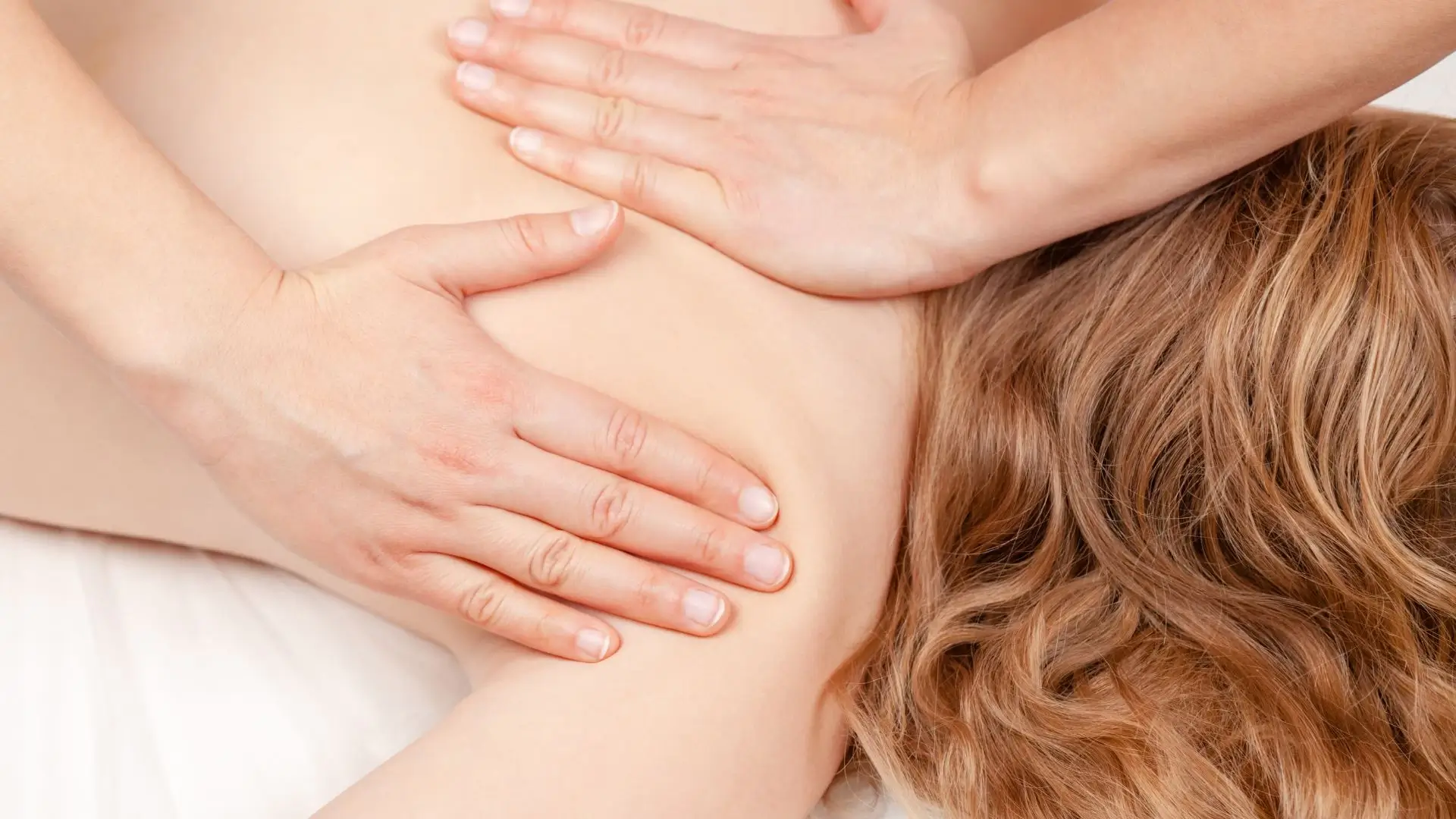
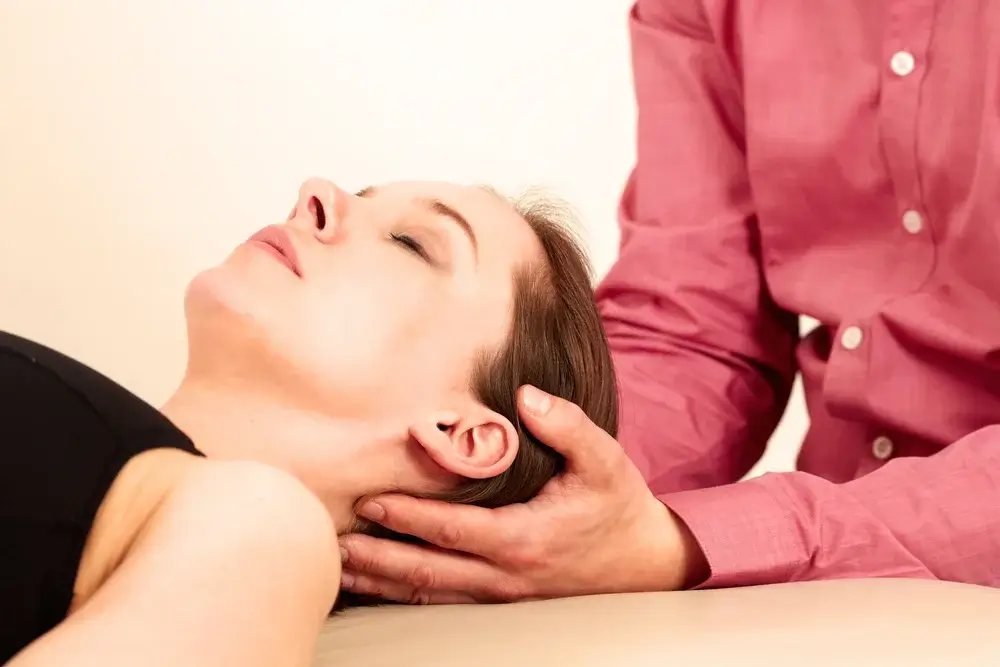
Physical therapy is often recommended to strengthen the muscles that support the neck and upper back. Therapeutic exercises may help restore posture and improve movement patterns. Manual therapy techniques may also assist with relieving tension and improving joint mobility in the cervicothoracic region.
Osteopathic care may also support recovery by addressing mechanical imbalances within the spine and surrounding tissues.

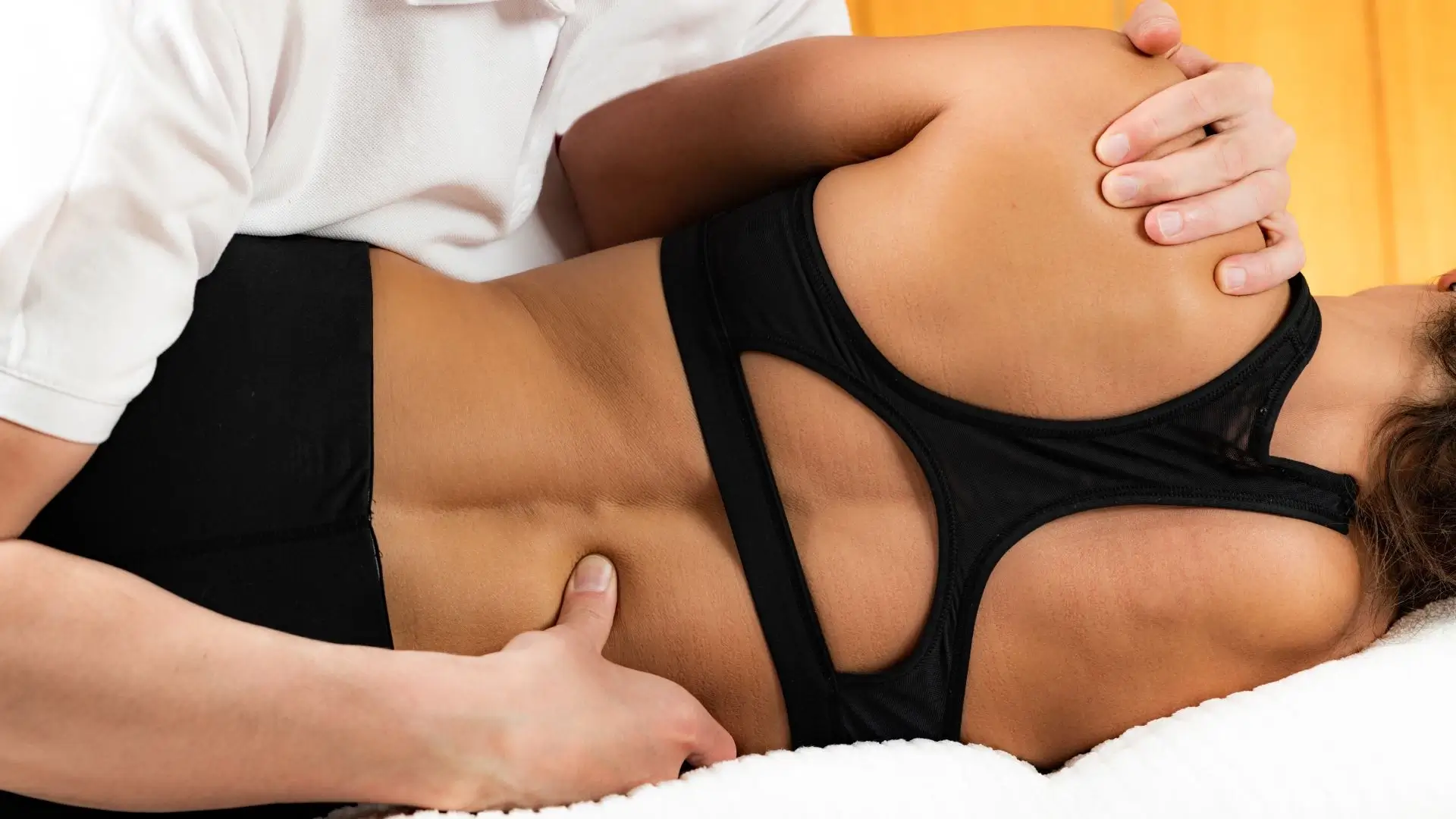
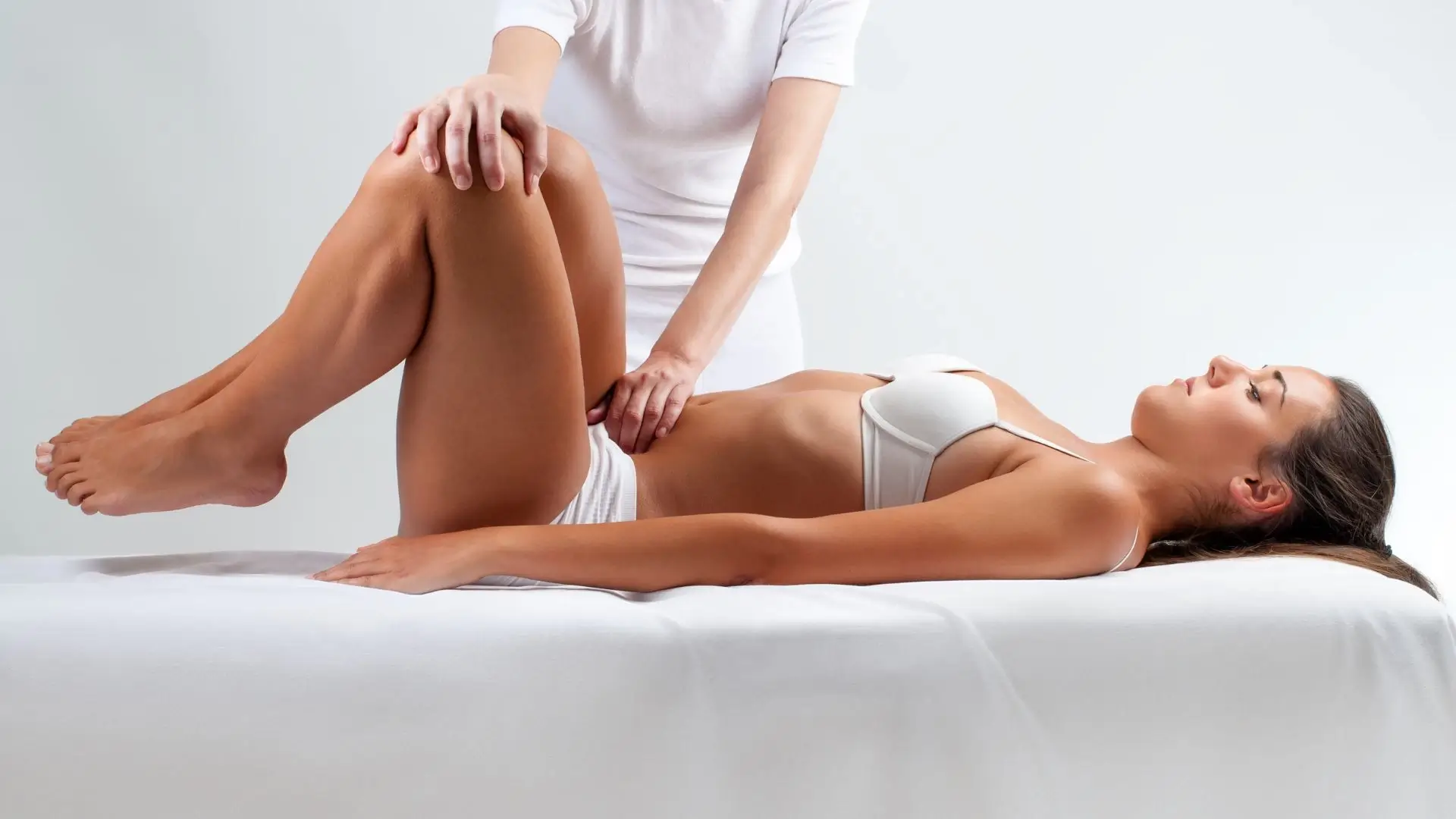
Our osteopathy services in Mississauga focuses on hands on care to restore movement, reduce pain, and improve physical function. Each session includes a full assessment of posture, mobility, and injury history to guide precise treatment. Care targets joint restriction, muscle tension, and circulation limits to support faster recovery and daily comfort. Services support injury recovery, chronic pain relief, postural correction, and long term physical balance.

Infants/Children and Youth Injuries
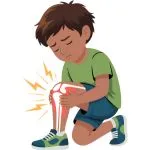
Infants, children, and youth injuries affect movement, posture, and development. Osteopathy focuses on gentle hands on care to address tissue tension, joint restriction, and movement imbalance for healthy growth and function.

Upper and Lower Back Pain Injury
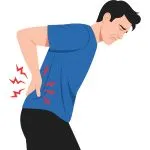
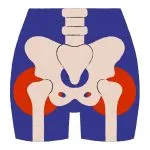
Upper and lower back pain injury affects movement, posture, and daily activity. Osteopathy focuses on joint mobility, tissue tension, and movement balance to reduce strain and restore functional comfort.
About City Of Mississauga Ontario
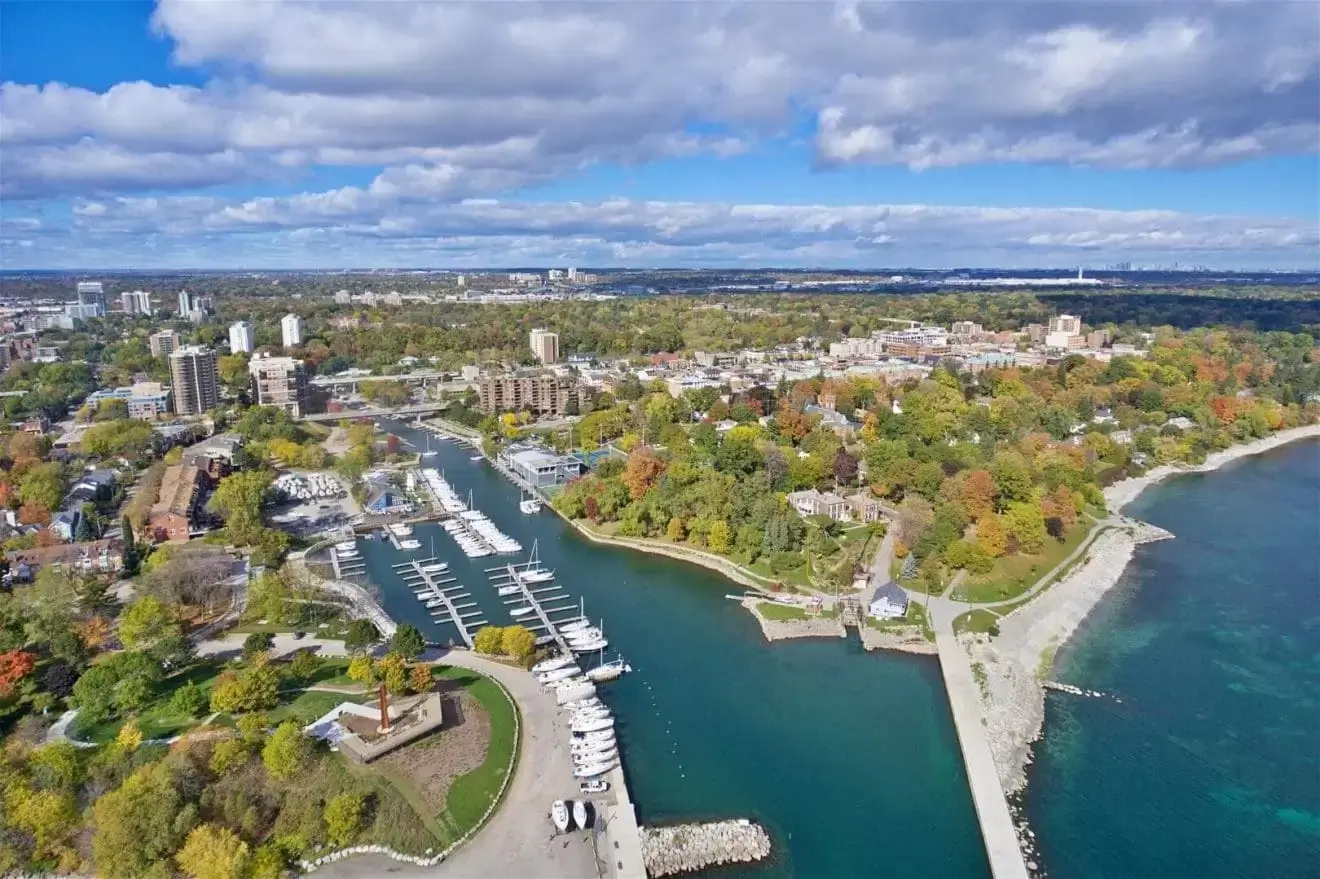
Mississauga, Ontario, is a thriving city located along the shores of Lake Ontario, just west of Toronto. As one of Canada’s largest and fastest-growing cities, it is home to a diverse and multicultural population. With Pearson International Airport, the country’s busiest airport, and major corporate headquarters, Mississauga has established itself as a key business and economic hub in Canada. The city’s modern skyline, featuring high-rise condominiums and commercial developments, is complemented by green spaces, waterfront parks, and vibrant cultural attractions.
One of Mississauga’s most notable landmarks is Square One Shopping Centre, one of the largest malls in Canada, attracting millions of visitors each year. The downtown core is rapidly evolving, with new residential and commercial projects reshaping the city’s landscape. Meanwhile, neighborhoods like Port Credit offer a charming, lakefront lifestyle with boutique shops, cafes, and marinas, making it a popular destination for both residents and tourists. Historic Streetsville, with its small-town charm, provides a glimpse into Mississauga’s past while offering modern amenities.


Mississauga is also a city committed to education and innovation, with top-rated schools, colleges, and easy access to leading universities in the Greater Toronto Area. The city’s public transit system is expanding, with new LRT and GO Transit projects aiming to enhance connectivity and reduce congestion. With a strong focus on community development and sustainability, Mississauga continues to improve its infrastructure, recreational spaces, and public services to meet the needs of its growing population.
Beyond its economic success, Mississauga is a welcoming and family-friendly city with a strong sense of community. The city hosts numerous cultural festivals, outdoor events, and recreational activities, celebrating its diverse population. Whether enjoying waterfront trails in Lakeview, exploring Erin Mills and Meadowvale’s parks, or experiencing arts and performances at the Living Arts Centre, Mississauga offers something for everyone. With its blend of urban convenience and suburban comfort, it remains a top choice for those looking to live, work, and thrive in a dynamic and inclusive environment.
- Hurontario St
- Dundas St
- Eglinton Ave
- Burnhamthorpe Rd
- Lakeshore Rd
- Britannia Rd
- Matheson Blvd
- Mavis Rd
- Dixie Rd
- Winston Churchill Blvd
- Queensway
- Cawthra Rd
- Erin Mills Pkwy
- Derry Rd
Central Mississauga
- L4Z,
- L5B,
- L5C
North Mississauga
- L5N
- L5M
- L5V
- L4Z
- L5R
West Mississauga
- L5L
- L5M
East Mississauga
- L4W
- L4X
- L4Y
- L4Z
- L5A
South Mississauga
- L5G
- L5H
- L5J
- L5K
- L5E
References
Colgan Osteopathy – C7-T1 Cervicothoracic Junction https://osteopathy.colganosteo.com/c7-t1-cervicothoracic-junction/
AO Foundation Surgery Reference – Anterior Approach to the Cervico-Thoracic Junction https://surgeryreference.aofoundation.org/spine/trauma/subaxial-cervical/approach/anterior-approach-to-the-cervico-thoracic-junction
Deuk Spine Institute – C7-T1 Bulging Disc Symptoms https://deukspine.com/blog/c7-t1-bulging-disc-symptoms
BOOK AN APPOINTMENT WITH US