
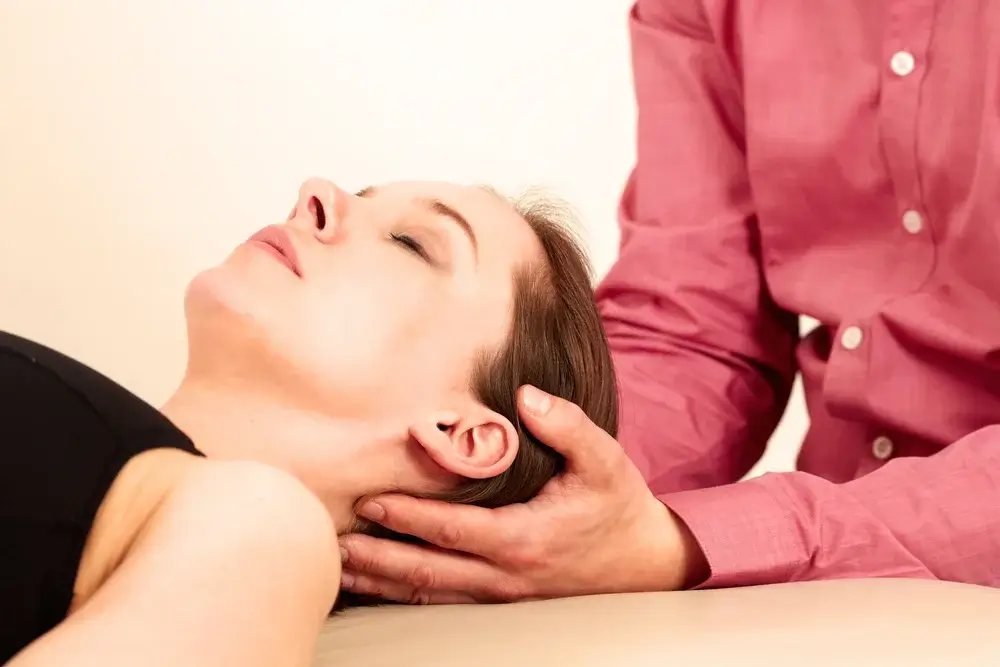
Diffuse Idiopathic Skeletal Hyperostosis

Diffuse Idiopathic Skeletal Hyperostosis, Mississauga

Osteopathy prioritizes your physical well-being, fostering mobility, pain relief, vitality, and overall happiness in Mississauga.

About Mississauga Osteopathy Clinic

Quality Osteopathy in Mississauga Ontario guides our approach to managing complex spinal conditions such as DISH. We focus on maintaining mobility while reducing mechanical stress on stiffened segments of the spine.

We assess posture, spinal alignment, ligament involvement, and overall movement patterns to design individualized care plans. Our treatments aim to preserve flexibility, support joint health, and prevent secondary complications caused by reduced motion.

With us, your care is tailored to your specific presentation. We emphasize safe manual therapy, guided exercise programs, and practical strategies you can use daily. We are committed to helping you move more comfortably, maintain independence, and protect long term spinal function.

Diffuse Idiopathic Skeletal Hyperostosis Infographic Mississauga Osteopathy Clinic

Best Manual Osteopaths in Mississauga

Amanpreet Kaur - Osteopathic Practitioner - CPMDQ Licensed Practitioner - ACMA Member

Amanpreet Kaur
(CPMDQ), ACMA
Manual Osteopathic Practitioner

Sharenpreet-Kaur-Osteopathy-in-Mississauga

Sharanpreet Kaur
(D.O.M.P)
Manual Osteopathic Practitioner

Diffuse Idiopathic Skeletal Hyperostosis, commonly known as DISH or Forestier’s disease, is a condition in which spinal ligaments gradually harden and turn into bone. It most often affects older adults and is more common in men.

Many individuals experience spinal stiffness and reduced mobility. Some have minimal or no symptoms, and the condition is discovered incidentally on imaging.

Anatomy and Spinal Involvement

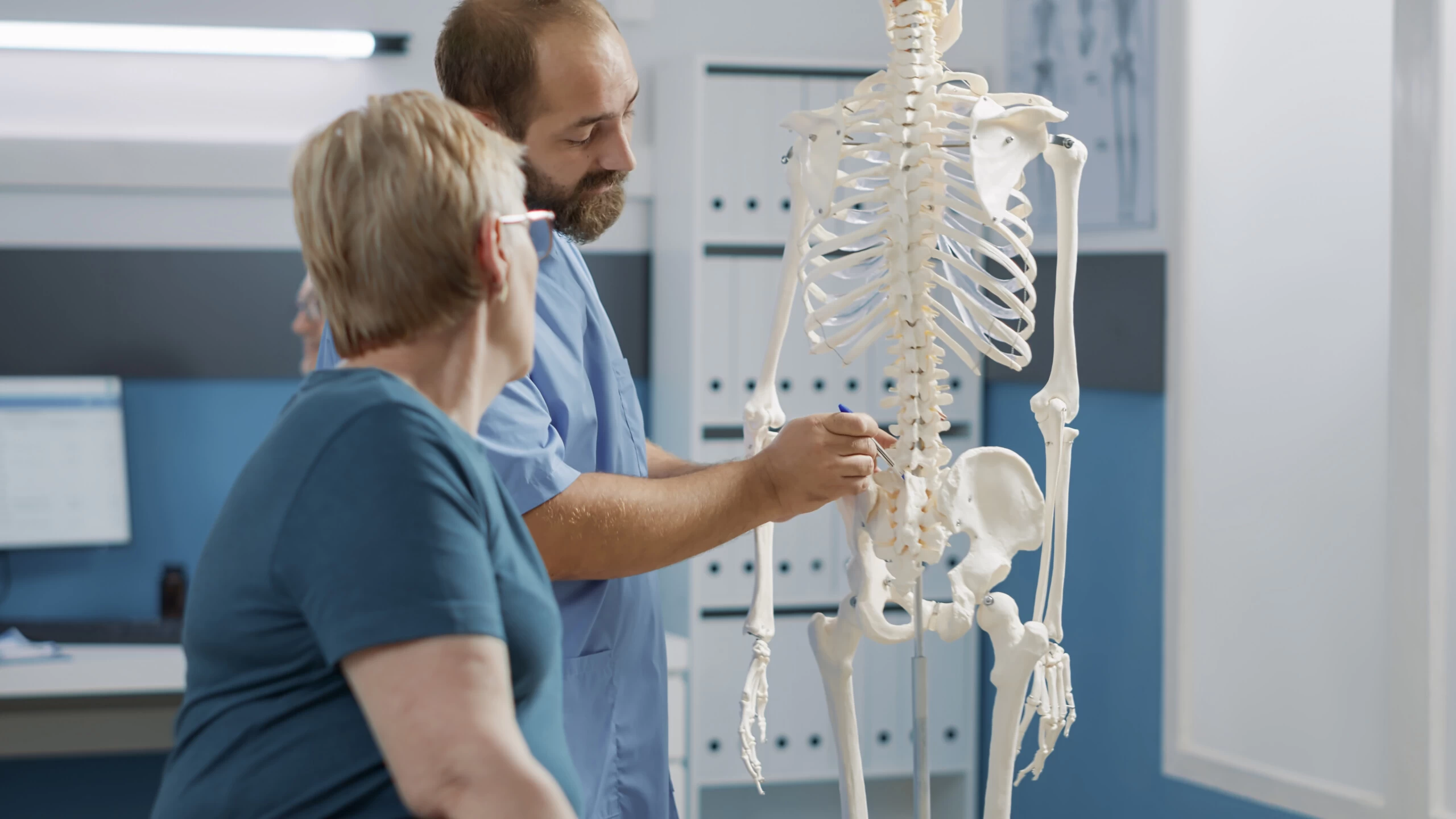
The spine is made up of stacked vertebrae forming five main regions: cervical, thoracic, lumbar, sacral, and coccygeal. Ligaments run along the front and back of the spine to provide stability.

In DISH, the anterior longitudinal ligament, which runs along the front of the vertebrae, most commonly undergoes calcification and ossification. Over time, this ligament can partially transform into bone. The posterior longitudinal ligament and other connective tissues may also be affected.

Unlike typical osteoarthritis, DISH does not primarily involve disc space narrowing or facet joint degeneration. Instead, it produces flowing bone formation along the vertebral column, often described as resembling melted candle wax on imaging.

For a diagnosis of DISH, calcification typically spans at least three or more adjacent vertebrae.

spine general DISH anatomy01

Causes and Risk Factors

The exact cause of DISH remains unknown. It most frequently appears between ages 50 and 60 and is more common in males.

Research suggests associations with:

• Diabetes
• High blood pressure
• Coronary artery disease
• Obesity

Some theories propose that increased blood supply near the spine and altered growth factors influencing calcium formation may contribute.

DISH can also cause bone formation at tendon and ligament attachment sites throughout the body. This may lead to bone spurs in areas such as the heels, elbows, knees, shoulders, and ankles.

Certain medications, including retinoids used to treat acne, may increase risk in some individuals.

Causes and Risk Factors

Symptoms

The most common symptom is spinal stiffness, especially in the morning or after prolonged rest. Reduced range of motion, particularly with side bending, is typical.

DISH most frequently affects the thoracic spine but can involve the cervical and lumbar regions. Some individuals report back pain, though pain is not always present.

When the cervical spine is involved, bone spurs may compress nearby structures. This can lead to:

• Difficulty swallowing
• Hoarseness
• Breathing discomfort in rare cases

Neurological complications are uncommon but may occur if excessive bone growth compresses the spinal cord or nerve roots. In severe cases, this can result in numbness, weakness, or even paralysis.

Symptoms for Diffuse Idiopathic Skeletal Hyperostosis

Diagnosis

Diagnosis begins with a comprehensive history and physical examination. Range of motion, tenderness, and neurological function are assessed.

X rays of the thoracic spine are commonly used to confirm diagnosis. The characteristic flowing calcification along the front of the vertebrae is often visible.

If neurological symptoms are present, magnetic resonance imaging or computed tomography may be recommended. MRI evaluates soft tissues such as discs and nerves, while CT scans provide detailed images of bone structures.

Diagnosis for Diffuse Idiopathic Skeletal Hyperostosis

Treatment Options

There is no cure for DISH, but symptom management can improve quality of life.

Conservative management includes:

• Non steroidal anti inflammatory medications
• Pain relievers such as acetaminophen
• Corticosteroid injections for significant inflammation

Surgery is rarely required. It may be considered if bone growth compresses the spinal cord, nerve roots, or esophagus.

Osteopathic and Rehabilitation Approach

Rehabilitation focuses on preserving mobility and minimizing stiffness.

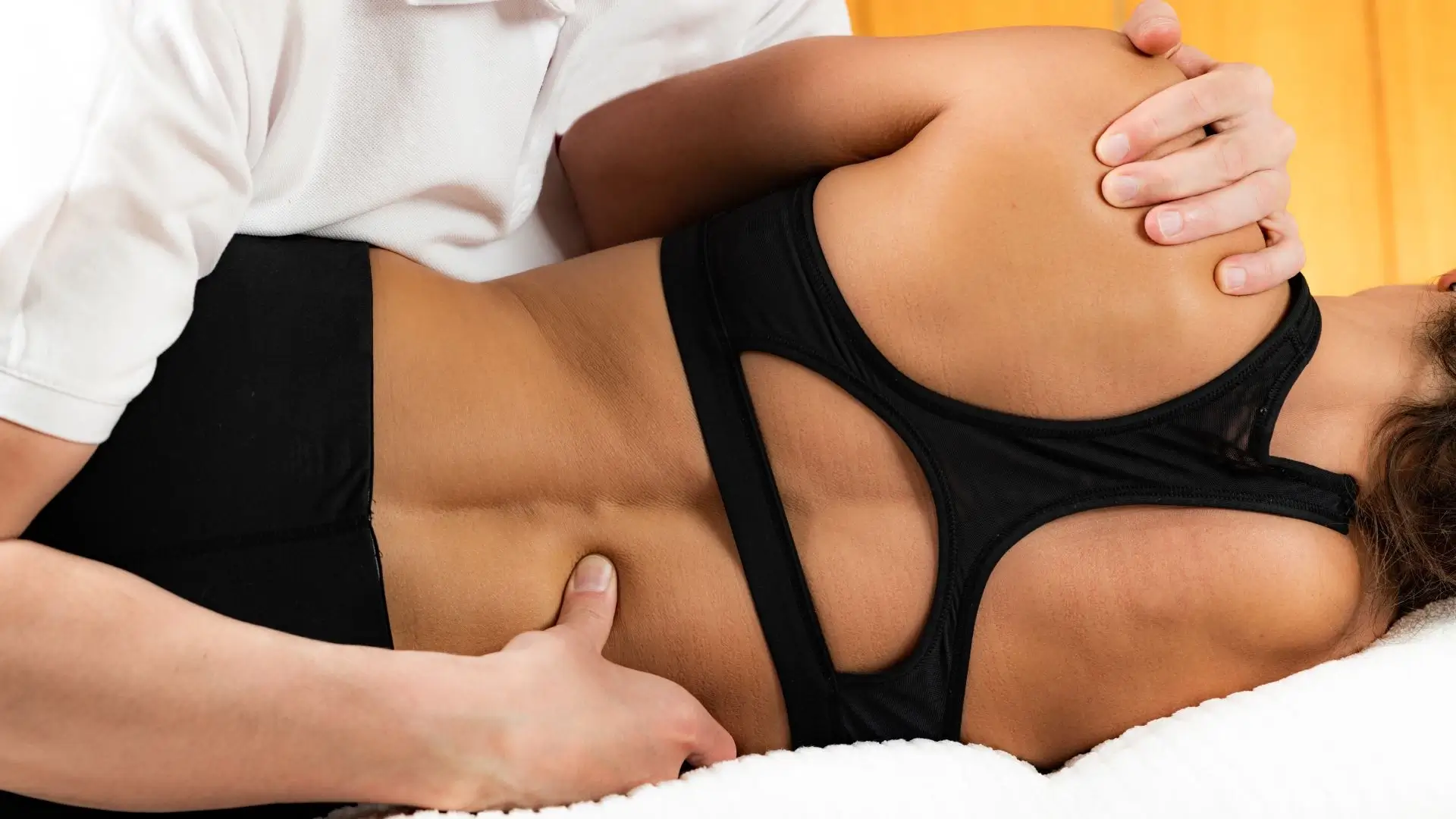
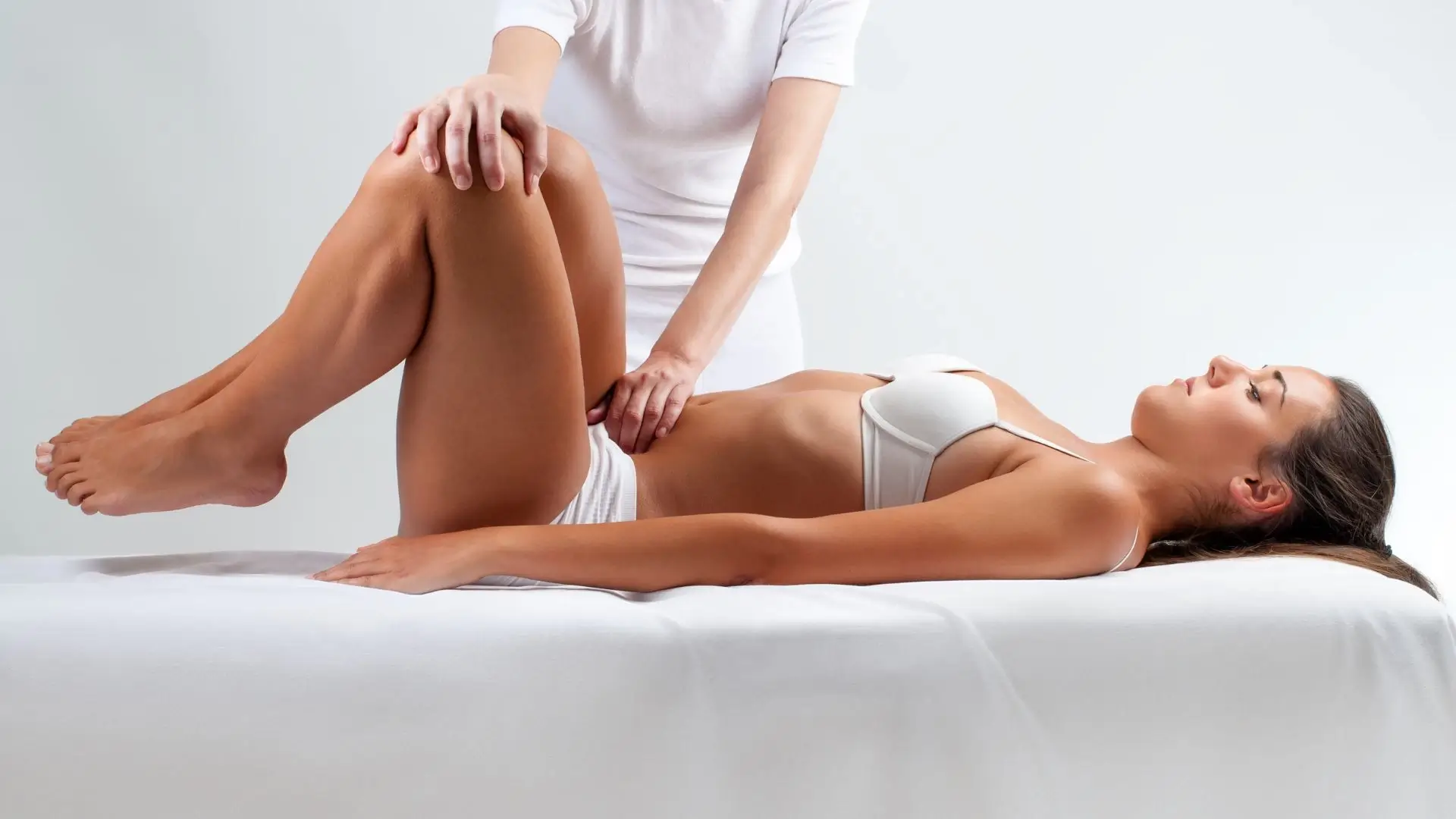
Manual osteopathic care may include:

• Gentle joint mobilization
• Soft tissue release
• Postural correction strategies
• Breathing mechanics to maintain thoracic flexibility

Structured exercise plays a key role. Walking, stretching, and controlled strengthening exercises help maintain spinal range of motion. Heat therapy may reduce stiffness in affected areas.

If surgery is required, gradual rehabilitation supports safe return to activity. Initial precautions may include lifting restrictions and temporary use of assistive devices.

Education remains essential. Learning safe movement patterns and maintaining regular activity can help prevent secondary mechanical pain caused by stiffness.

Our osteopathy services in Mississauga focuses on hands on care to restore movement, reduce pain, and improve physical function. Each session includes a full assessment of posture, mobility, and injury history to guide precise treatment. Care targets joint restriction, muscle tension, and circulation limits to support faster recovery and daily comfort. Services support injury recovery, chronic pain relief, postural correction, and long term physical balance.

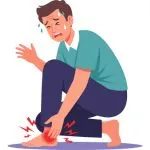
Ankle Pain and Foot Injury

Ankle Pain and Foot Injury

Ankle pain and foot injury disrupt walking, balance, and daily movement. Osteopathy addresses joint restriction, tissue tension, and movement imbalance to restore mobility and support stable, pain free function.

Hip Pain and Knee Injury

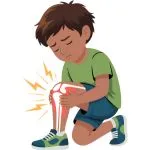
Hip Pain and Knee Injury

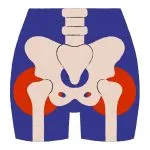
Hip pain and knee injury affect walking, sitting, and daily movement. Osteopathy focuses on joint mobility, muscle balance, and movement control to reduce strain and support long term function.

Children and Youth Injuries

Infants/Children and Youth Injuries

Infants, children, and youth injuries affect movement, posture, and development. Osteopathy focuses on gentle hands on care to address tissue tension, joint restriction, and movement imbalance for healthy growth and function.

Migraines and Headaches

Migraines and Headaches

Migraines and headaches disrupt focus, sleep, and daily function. Osteopathy focuses on reducing tension, improving circulation, and restoring movement balance to support consistent relief and long term comfort.

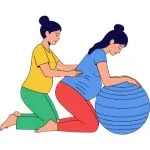
Maternity and Pregnancy

Maternity and Pregnancy

Pregnancy places increased demand on the body, affecting posture, joints, and movement. Osteopathy offers gentle hands on care to support comfort, mobility, and physical balance throughout maternity.

Upper and Lower Back Pain Injury 1

Upper and Lower Back Pain Injury

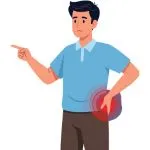
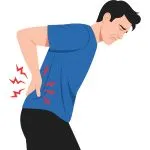
Upper and lower back pain injury affects movement, posture, and daily activity. Osteopathy focuses on joint mobility, tissue tension, and movement balance to reduce strain and restore functional comfort.

Shoulder Pain Injury

Shoulder Pain Injury

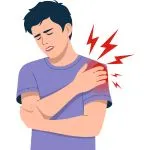
Shoulder pain injury limits arm movement and daily tasks. Osteopathy addresses joint restriction, tissue tension, and movement imbalance to restore mobility and support stable shoulder function.

Neck Pain Injury

Neck Pain Injury

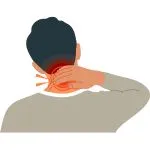
Neck pain injuries restrict movement and strain daily activity. Osteopathy focuses on joint mobility, muscle tension, and movement balance to support comfort and functional stability.

Women Pelvic Health Wellness

Women Pelvic Health Wellness

Women pelvic health wellness requires clear guidance and focused care. At Mississauga Osteopathy Clinic, you receive structured osteopathic support designed to improve pelvic function, movement, and daily comfort.

Craniosacral Therapy

Craniosacral Therapy

Our Mississauga osteopathy clinic offers Craniosacral Therapy, a gentle hands-on approach that supports natural movement of the skull and sacrum. Using light touch, your osteopath helps release restrictions, improve nervous system balance, and enhance overall body function.

About City Of Mississauga Ontario

Mississauga, Ontario, is a thriving city located along the shores of Lake Ontario, just west of Toronto. As one of Canada’s largest and fastest-growing cities, it is home to a diverse and multicultural population. With Pearson International Airport, the country’s busiest airport, and major corporate headquarters, Mississauga has established itself as a key business and economic hub in Canada. The city’s modern skyline, featuring high-rise condominiums and commercial developments, is complemented by green spaces, waterfront parks, and vibrant cultural attractions.

One of Mississauga’s most notable landmarks is Square One Shopping Centre, one of the largest malls in Canada, attracting millions of visitors each year. The downtown core is rapidly evolving, with new residential and commercial projects reshaping the city’s landscape. Meanwhile, neighborhoods like Port Credit offer a charming, lakefront lifestyle with boutique shops, cafes, and marinas, making it a popular destination for both residents and tourists. Historic Streetsville, with its small-town charm, provides a glimpse into Mississauga’s past while offering modern amenities.

About Mississauga
mississauga ontario

Mississauga is also a city committed to education and innovation, with top-rated schools, colleges, and easy access to leading universities in the Greater Toronto Area. The city’s public transit system is expanding, with new LRT and GO Transit projects aiming to enhance connectivity and reduce congestion. With a strong focus on community development and sustainability, Mississauga continues to improve its infrastructure, recreational spaces, and public services to meet the needs of its growing population.

Beyond its economic success, Mississauga is a welcoming and family-friendly city with a strong sense of community. The city hosts numerous cultural festivals, outdoor events, and recreational activities, celebrating its diverse population. Whether enjoying waterfront trails in Lakeview, exploring Erin Mills and Meadowvale’s parks, or experiencing arts and performances at the Living Arts Centre, Mississauga offers something for everyone. With its blend of urban convenience and suburban comfort, it remains a top choice for those looking to live, work, and thrive in a dynamic and inclusive environment.

Major Street Intersections
Neighbourhood
Postal Codes

Central Mississauga

  • L4Z,
  • L5B,
  • L5C

North Mississauga

  • L5N
  • L5M
  • L5V
  • L4Z
  • L5R

West Mississauga

  • L5L
  • L5M

East Mississauga

  • L4W
  • L4X
  • L4Y
  • L4Z
  • L5A

South Mississauga

  • L5G
  • L5H
  • L5J
  • L5K
  • L5E
Others

References

Cleveland Clinic – Diffuse Idiopathic Skeletal Hyperostosis (DISH)
https://my.clevelandclinic.org/health/diseases/diffuse-idiopathic-skeletal-hyperostosis-dish

NCBI Bookshelf – StatPearls: Diffuse Idiopathic Skeletal Hyperostosis
https://www.ncbi.nlm.nih.gov/books/NBK538204/

Orthobullets – DISH (Diffuse Idiopathic Skeletal Hyperostosis)
https://www.orthobullets.com/spine/2045/dish-diffuse-idiopathic-skeletal-hyperostosis

BOOK AN APPOINTMENT WITH US