

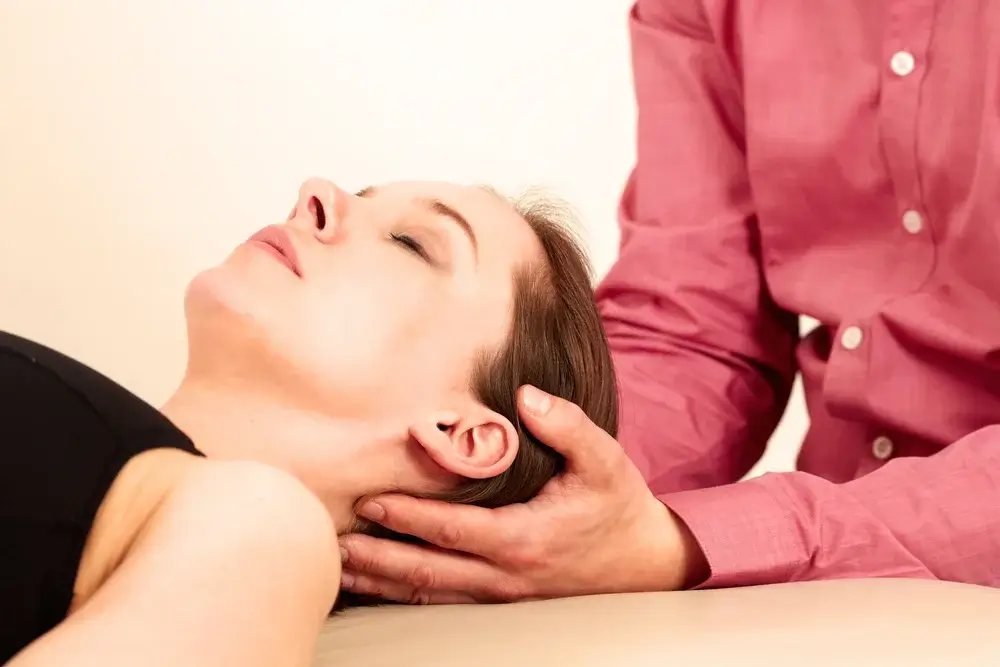
Degenerative Disc Disease, Mississauga
Osteopathy prioritizes your physical well-being, fostering mobility, pain relief, vitality, and overall happiness in Mississauga.
About Mississauga Osteopathy Clinic
Quality Osteopathy in Mississauga Ontario defines our commitment to comprehensive spinal care. We focus on understanding how disc changes, joint mechanics, and muscular imbalance contribute to your pain.
We conduct detailed structural assessments to evaluate posture, mobility, and core stability. Our treatments emphasize restoring alignment, improving movement efficiency, and reducing mechanical strain on the lumbar spine.
With us, care is individualized. We develop tailored treatment plans that combine manual therapy with corrective rehabilitation. We prioritize long term spinal health through education, strengthening strategies, and prevention focused guidance.
By addressing both the structural and functional aspects of degenerative disc disease, we help you move with greater confidence, reduce recurring pain episodes, and maintain an active lifestyle.

Best Manual Osteopaths in Mississauga
Degenerative disc disease is a common source of low back pain, especially in the lumbar spine. While the term sounds alarming, it does not mean the spine is failing or that severe disability is inevitable. It describes age related changes in the intervertebral discs and how those changes may contribute to symptoms.
Low back pain has many possible causes. Disc degeneration is only one of them. A proper assessment helps determine whether disc changes are actually responsible for discomfort.
Understanding the Lumbar Spine
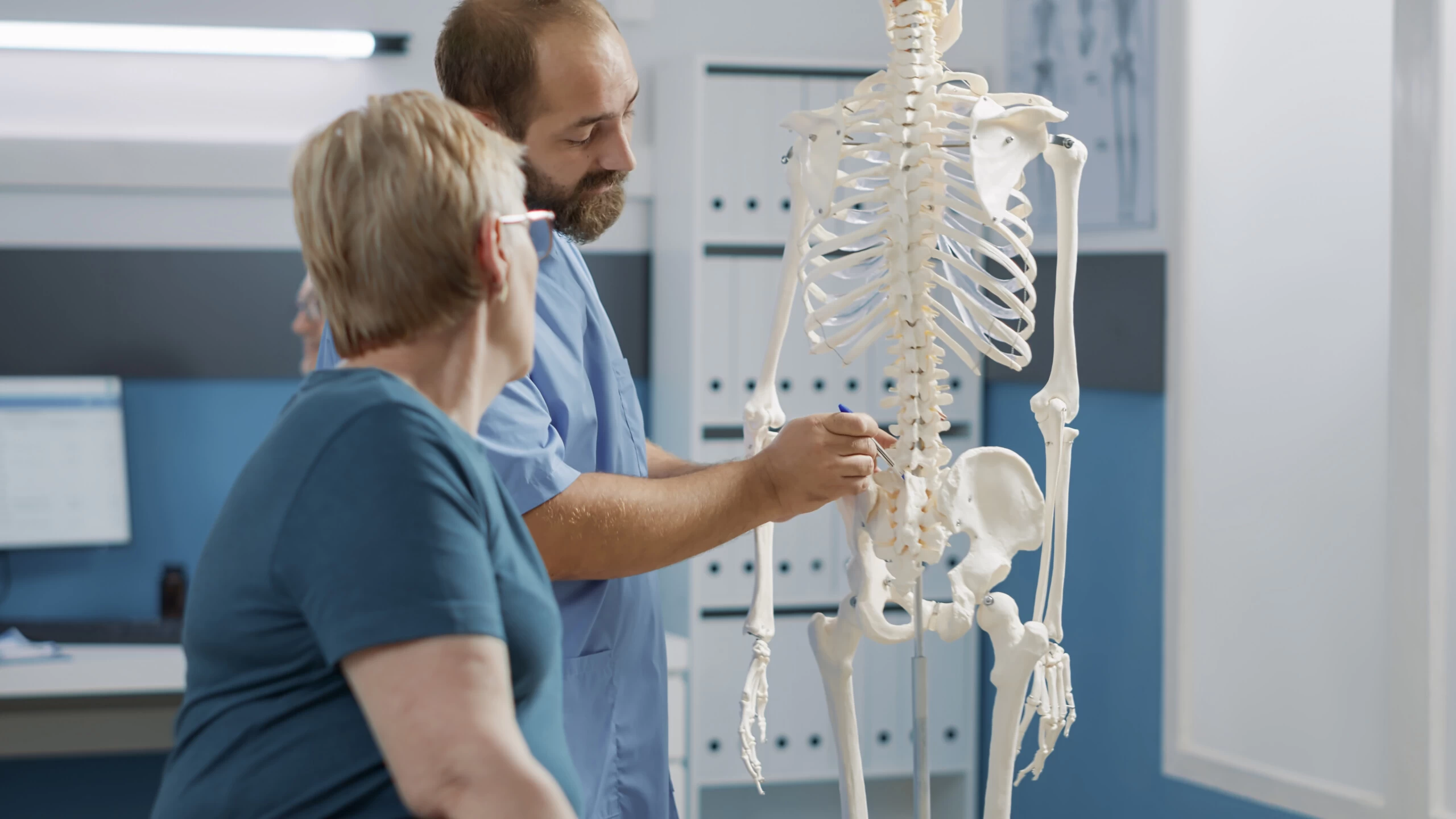
The human spine is made up of 24 movable vertebrae stacked to form the spinal column. The lower portion is called the lumbar spine. This region supports much of the body’s weight and allows bending, lifting, and rotation.
Between each pair of vertebrae sits an intervertebral disc. These discs act as shock absorbers. They cushion impact from daily activities such as walking, lifting, and running.
Each disc has two main parts. The nucleus pulposus is the soft inner core that absorbs shock. Surrounding it is the annulus fibrosus, a strong outer ring of connective tissue that keeps the nucleus contained. Together, these structures allow flexibility while maintaining stability.
Facet joints at the back of each spinal segment guide movement and help control bending and extension.

Causes of Degenerative Disc Disease
Disc degeneration is often part of the natural aging process. Over time, discs gradually lose water content. As dehydration occurs, the disc becomes less flexible and less effective at absorbing shock.
The degenerative process typically follows a pattern. The nucleus loses hydration and becomes more fibrous. Small tears can develop in the annulus. The disc may weaken and slightly collapse, increasing stress on surrounding joints and ligaments.
Several factors may accelerate these changes:
Previous spinal injuries
Repetitive strain or heavy loading
Long term vibration exposure
Smoking
Genetic predisposition
Excess body weight
Importantly, imaging findings do not always match symptoms. Many individuals show disc degeneration on MRI without experiencing pain.

Symptoms
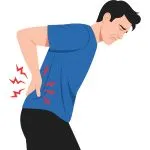
Mechanical low back pain is the most common symptom. This type of pain originates from structures involved in movement, including discs, ligaments, and facet joints.
Symptoms often include:
Pain in the center of the lower back
Discomfort that worsens after prolonged sitting or heavy activity
Stiffness in the lumbar region
Relief with rest
Pain may begin in early adulthood and recur periodically. Over time, episodes may become more frequent or intense. In some cases, discomfort can extend into the buttocks or upper thighs.

Diagnosis
Diagnosis begins with a thorough history and physical examination. Symptom patterns, posture, range of motion, and neurological function are evaluated.
X rays are not always necessary during early evaluation, as degenerative changes are common even in people without symptoms. If pain persists or neurological signs appear, imaging such as MRI may be recommended to assess disc hydration, structural integrity, and nerve involvement.
Specialized diagnostic procedures such as discography are occasionally used when surgical decisions are being considered.

Conservative Management
Most cases are managed without surgery. The primary goal is to reduce pain and restore function.
Activity modification is encouraged rather than prolonged bed rest. Short periods of rest may help during acute flare ups, but early return to controlled movement supports recovery.
Supportive braces may be used temporarily to calm mechanical irritation. Anti inflammatory strategies can assist with symptom control.
Epidural steroid injections may be considered in cases involving significant nerve irritation. These injections aim to reduce inflammation around affected nerve roots. Relief, when achieved, is often temporary.

Osteopathic Rehabilitation Approach
Rehabilitation focuses on restoring mobility, reducing mechanical stress, and strengthening supportive muscles.
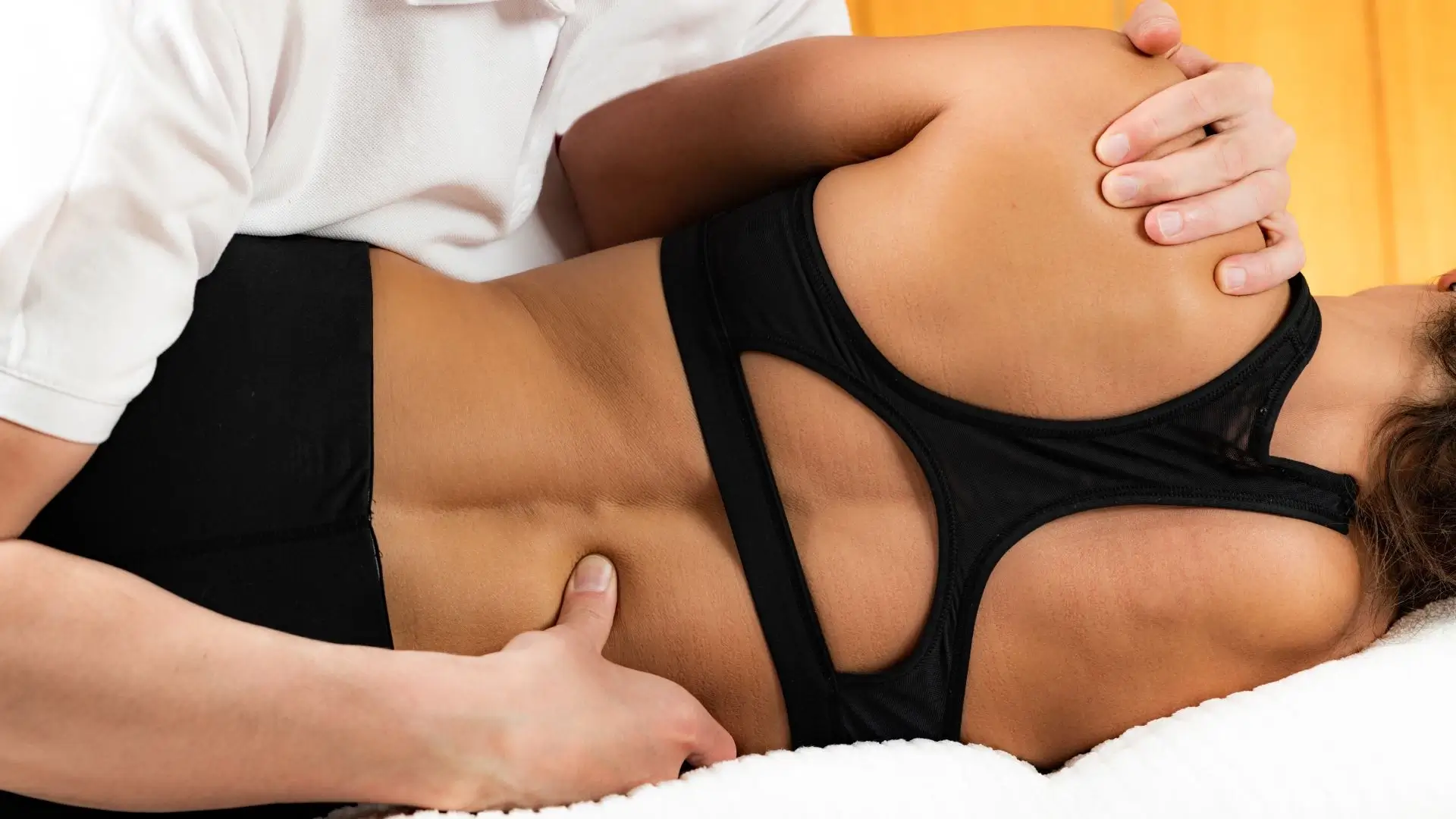
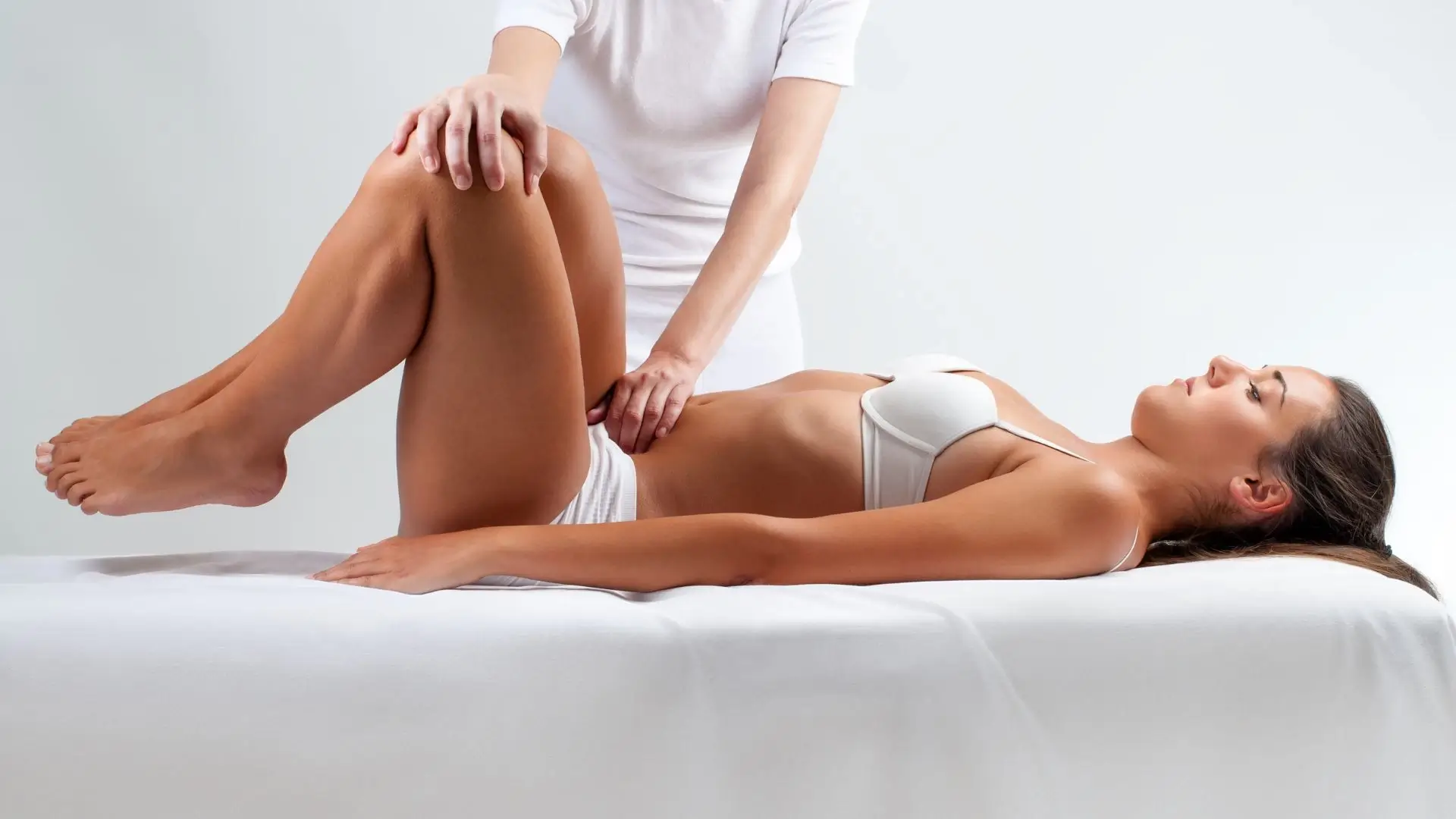
Manual osteopathic treatment may include:
• Gentle spinal mobilization
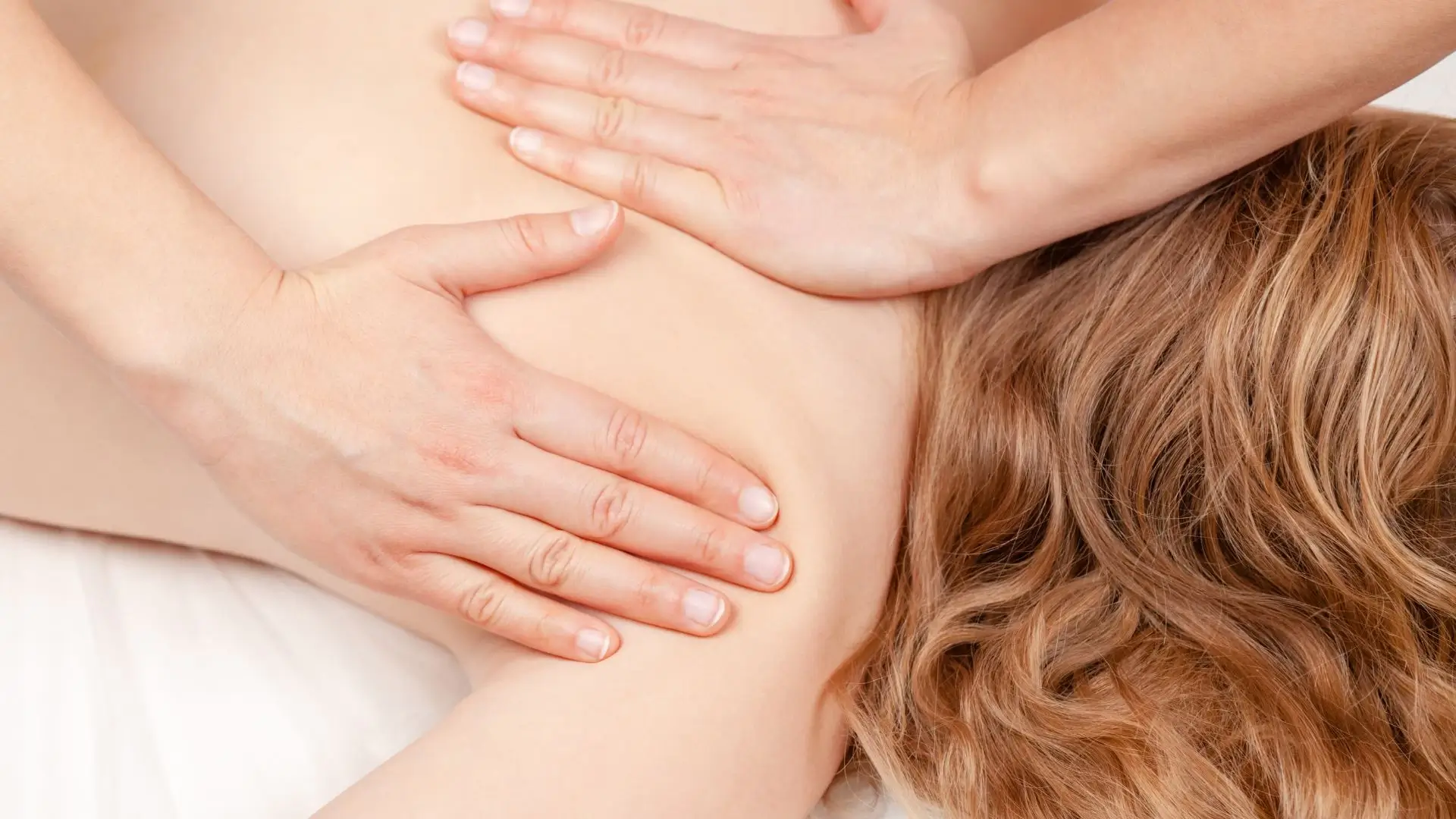
• Soft tissue release
• Myofascial techniques
• Joint alignment correction
• Guided stabilization exercises
Spinal manipulation may provide short term relief by reducing joint sensitivity and improving mobility. Traction techniques can gently decompress lumbar segments and reduce pressure.
As symptoms improve, structured strengthening of core muscles becomes essential. Strong abdominal and low back muscles improve spinal stability and decrease the likelihood of recurrent episodes.
Education plays a central role. Learning posture correction, safe lifting mechanics, and home exercises helps prevent future flare ups.

Our osteopathy services in Mississauga focuses on hands on care to restore movement, reduce pain, and improve physical function. Each session includes a full assessment of posture, mobility, and injury history to guide precise treatment. Care targets joint restriction, muscle tension, and circulation limits to support faster recovery and daily comfort. Services support injury recovery, chronic pain relief, postural correction, and long term physical balance.

Infants/Children and Youth Injuries
Infants, children, and youth injuries affect movement, posture, and development. Osteopathy focuses on gentle hands on care to address tissue tension, joint restriction, and movement imbalance for healthy growth and function.

Upper and Lower Back Pain Injury
Upper and lower back pain injury affects movement, posture, and daily activity. Osteopathy focuses on joint mobility, tissue tension, and movement balance to reduce strain and restore functional comfort.
About City Of Mississauga Ontario
Mississauga, Ontario, is a thriving city located along the shores of Lake Ontario, just west of Toronto. As one of Canada’s largest and fastest-growing cities, it is home to a diverse and multicultural population. With Pearson International Airport, the country’s busiest airport, and major corporate headquarters, Mississauga has established itself as a key business and economic hub in Canada. The city’s modern skyline, featuring high-rise condominiums and commercial developments, is complemented by green spaces, waterfront parks, and vibrant cultural attractions.
One of Mississauga’s most notable landmarks is Square One Shopping Centre, one of the largest malls in Canada, attracting millions of visitors each year. The downtown core is rapidly evolving, with new residential and commercial projects reshaping the city’s landscape. Meanwhile, neighborhoods like Port Credit offer a charming, lakefront lifestyle with boutique shops, cafes, and marinas, making it a popular destination for both residents and tourists. Historic Streetsville, with its small-town charm, provides a glimpse into Mississauga’s past while offering modern amenities.


Mississauga is also a city committed to education and innovation, with top-rated schools, colleges, and easy access to leading universities in the Greater Toronto Area. The city’s public transit system is expanding, with new LRT and GO Transit projects aiming to enhance connectivity and reduce congestion. With a strong focus on community development and sustainability, Mississauga continues to improve its infrastructure, recreational spaces, and public services to meet the needs of its growing population.
Beyond its economic success, Mississauga is a welcoming and family-friendly city with a strong sense of community. The city hosts numerous cultural festivals, outdoor events, and recreational activities, celebrating its diverse population. Whether enjoying waterfront trails in Lakeview, exploring Erin Mills and Meadowvale’s parks, or experiencing arts and performances at the Living Arts Centre, Mississauga offers something for everyone. With its blend of urban convenience and suburban comfort, it remains a top choice for those looking to live, work, and thrive in a dynamic and inclusive environment.
- Hurontario St
- Dundas St
- Eglinton Ave
- Burnhamthorpe Rd
- Lakeshore Rd
- Britannia Rd
- Matheson Blvd
- Mavis Rd
- Dixie Rd
- Winston Churchill Blvd
- Queensway
- Cawthra Rd
- Erin Mills Pkwy
- Derry Rd
Central Mississauga
- L4Z,
- L5B,
- L5C
North Mississauga
- L5N
- L5M
- L5V
- L4Z
- L5R
West Mississauga
- L5L
- L5M
East Mississauga
- L4W
- L4X
- L4Y
- L4Z
- L5A
South Mississauga
- L5G
- L5H
- L5J
- L5K
- L5E
References
Cleveland Clinic – Degenerative Disk Disease
https://my.clevelandclinic.org/health/diseases/16912-degenerative-disk-disease
Cedars-Sinai – Degenerative Disc Disease
https://www.cedars-sinai.org/health-library/diseases-and-conditions/d/degenerative-disc-disease.html
Johns Hopkins Medicine – Degenerative Disc Disease
https://www.hopkinsmedicine.org/health/conditions-and-diseases/degenerative-disc-disease
BOOK AN APPOINTMENT WITH US