

Mississauga Osteopathy Clinic | An Osteopathy approach for Pain Management

Mississauga Osteopathy Clinic

Osteopathy prioritizes your physical well-being, fostering mobility, pain relief, vitality, and overall happiness in Mississauga.

Quality Osteopathy near Mississauga

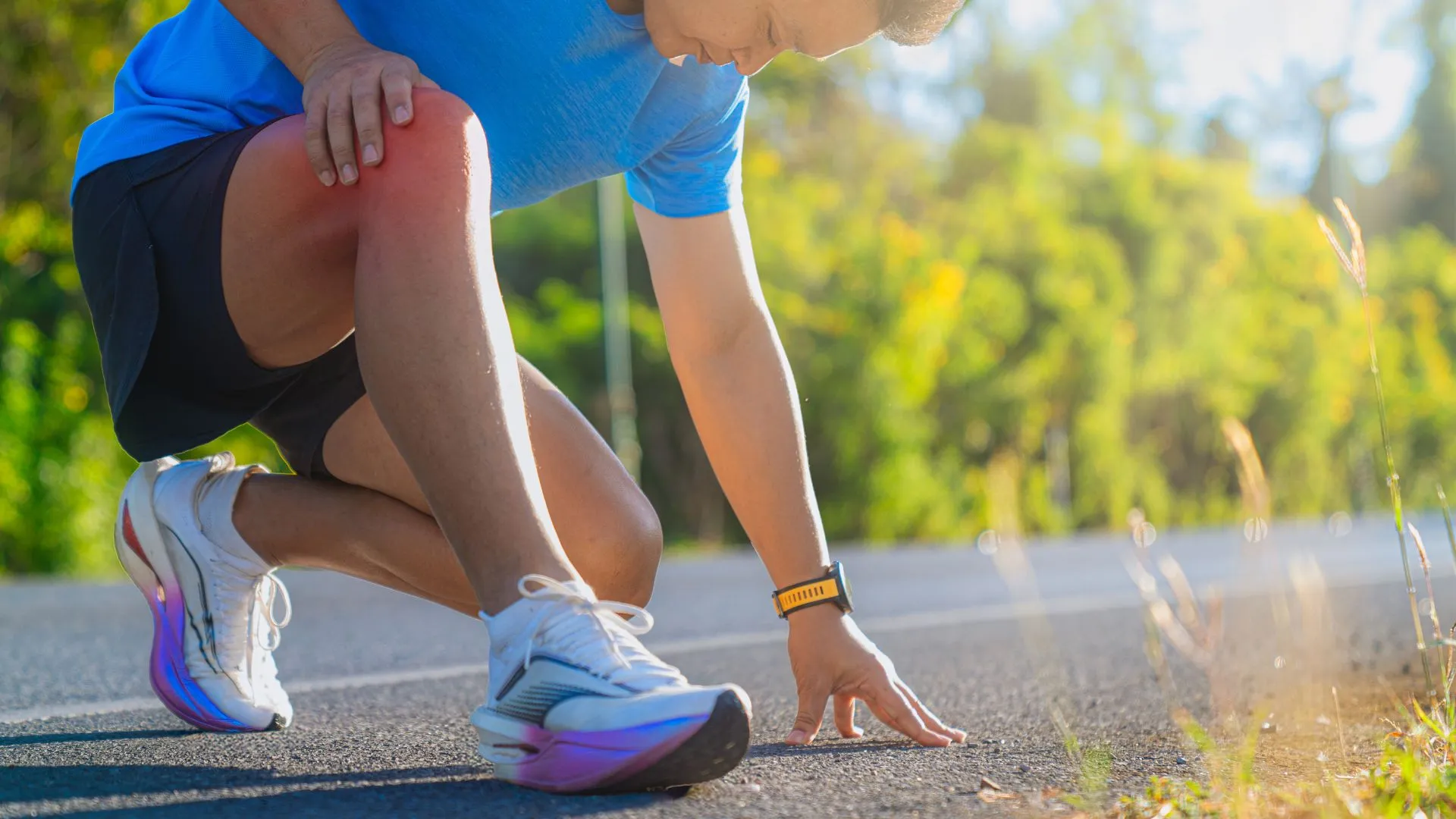
Our Quality Osteopathy in Mississauga Ontario, supports individuals with meniscal injuries and a wide range of knee conditions. We focus on understanding how your body moves and identifying the underlying causes of pain and dysfunction.

We use a hands-on, patient-centered approach combined with targeted rehabilitation strategies to help reduce pain, improve joint stability, and restore natural movement. Our goal is to guide your recovery while helping you build long-term strength and resilience to prevent future knee issues.

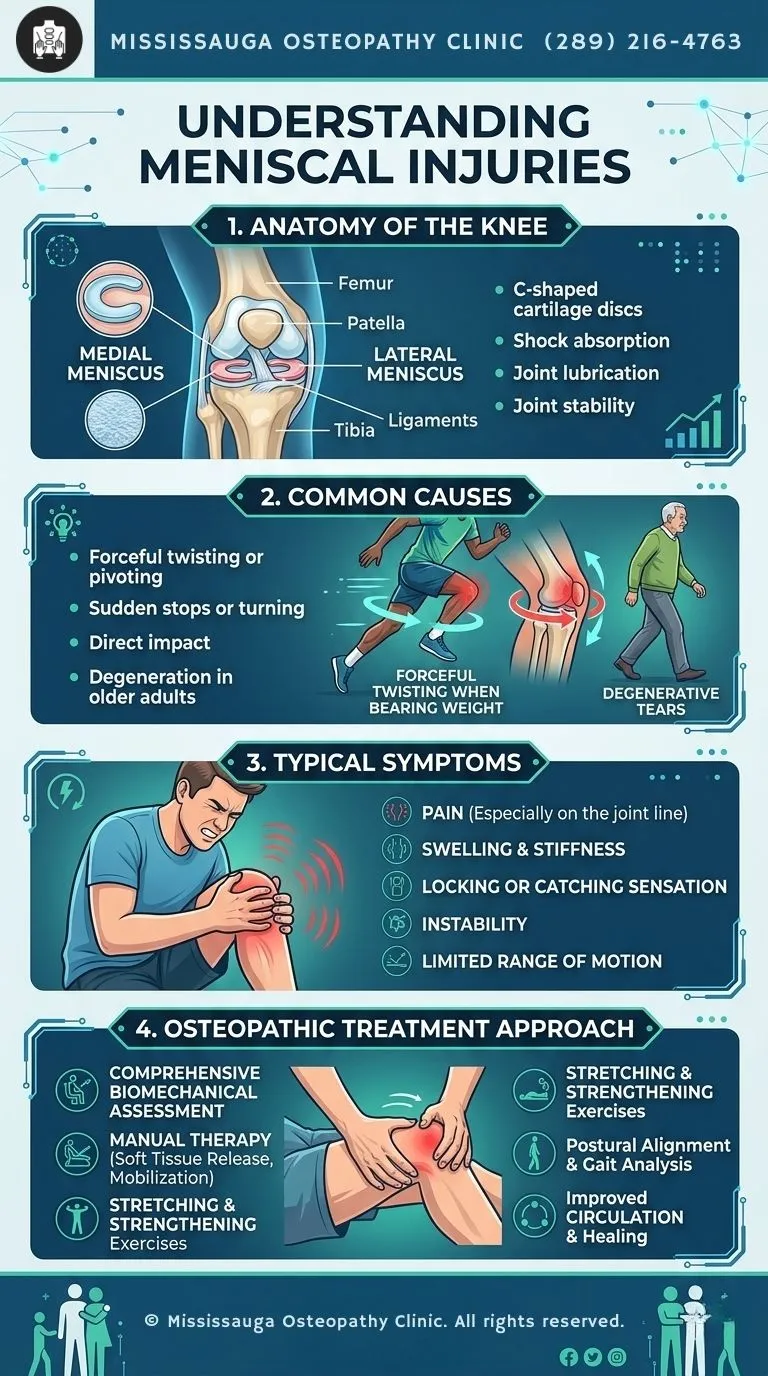
Meniscal Injuries - Infographic - Mississauga Osteopathy Clinic

Top-Rated Mississauga Osteopathic Manual Practitioners

Amanpreet Kaur - Osteopathic Practitioner - CPMDQ Licensed Practitioner - ACMA Member

Amanpreet Kaur (CPMDQ), ACMA Manual Osteopathic Practitioner

Sharenpreet-Kaur-Osteopathy-in-Mississauga

Sharanpreet Kaur (D.O.M.P), Manual Osteopathic Practitioner

Meniscal injuries are among the most common knee problems and can affect individuals of all ages, often resulting in knee pain and discomfort during movement. The meniscus is a durable, cartilage-like structure that plays a key role in protecting and stabilizing the knee joint.

In younger individuals, the meniscus is strong and flexible, and injuries typically occur due to sudden twisting or forceful movements, often during sports. As the body ages, the meniscus gradually becomes less resilient, making it more vulnerable to tears—even during simple activities like squatting or bending.

Understanding how the meniscus functions and how injuries develop can help guide effective treatment and recovery.
Anatomy

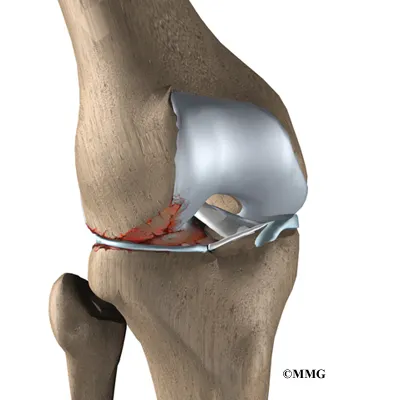
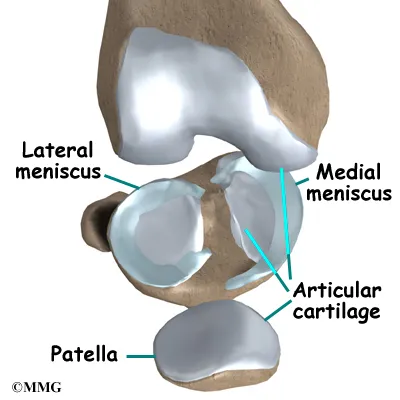
The knee contains two menisci, which sit between the femur (thighbone) and tibia (shinbone). These structures act as shock absorbers, helping to distribute forces evenly across the joint.

The medial meniscus is located on the inner side of the knee, while the lateral meniscus sits on the outer side. Together, they form a cushioning system that protects the joint during movement.

The knee joint is also lined with articular cartilage, a smooth surface that allows bones to glide over one another without friction. The menisci play a crucial role in protecting this cartilage by preventing excessive pressure from concentrating in one area.

In addition to absorbing shock, the menisci contribute to joint stability by helping the femur sit more securely on the tibia. Without them, the knee would be less stable and more prone to wear and degeneration.

Knee Osteoarthritis Anatomy

Causes

Meniscal injuries can occur in different ways depending on age and activity level.

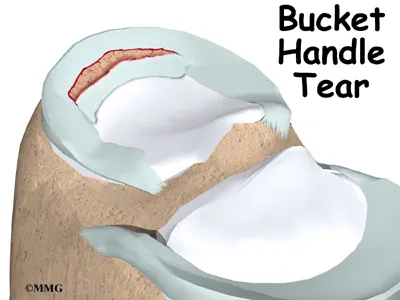
In younger individuals, tears are usually caused by sudden twisting movements, particularly during sports. These injuries may result in specific tear patterns, such as flap tears or bucket-handle tears, where a portion of the meniscus becomes displaced.

In older adults, the meniscus gradually weakens over time. Degenerative changes can lead to tears from relatively minor movements, often without a clear injury event. These types of tears are commonly associated with the early stages of knee osteoarthritis.

knee meniscus cause01

Symptoms

The most common symptom of a meniscal injury is knee pain. This pain may be localized along the joint line or felt more diffusely throughout the knee.

Swelling is also common and may cause the knee to feel stiff or tight. This is often due to fluid buildup within the joint, sometimes referred to as “water on the knee.”

In more severe cases, the knee may lock or become difficult to fully straighten. This can occur when a fragment of the torn meniscus interferes with normal joint movement.

Clicking, popping, or a sensation of instability may also be present. Over time, untreated meniscal injuries can contribute to joint wear and increase the risk of developing osteoarthritis.

Meniscal Injuries Symptoms

Diagnosis

Diagnosis begins with a thorough clinical assessment, including a review of symptoms and a physical examination of the knee.

While X-rays do not show meniscal tears, they may be used to rule out other conditions such as fractures or arthritis. Magnetic resonance imaging (MRI) is the most effective tool for identifying meniscal injuries, as it provides detailed images of soft tissues within the knee.

In some cases, arthroscopy may be recommended. This minimally invasive procedure allows direct visualization of the structures inside the knee and can also be used to treat the injury at the same time.

Treatment

Nonsurgical Care

Initial treatment focuses on reducing pain and inflammation. Rest, activity modification, and anti-inflammatory medications are commonly recommended. In some cases, assistive devices such as crutches may be used temporarily to reduce strain on the knee.

Physical therapy plays a key role in recovery. Treatment may include exercises to restore range of motion, improve strength, and support joint stability. Techniques such as ice therapy and electrical stimulation may also be used to manage symptoms.

Surgical Options

Surgery may be considered if symptoms persist or if the knee becomes mechanically unstable, such as in cases of locking.

A common procedure is a partial meniscectomy, where the damaged portion of the meniscus is carefully removed while preserving as much healthy tissue as possible.

Whenever possible, surgeons aim to repair the meniscus rather than remove it. Repair involves stitching the torn edges together to promote healing. This approach is more common in younger individuals or in cases where the tear is suitable for repair.

In select cases, meniscal transplantation may be considered. This involves replacing the damaged meniscus with donor tissue, although this procedure is still being studied for long-term outcomes.

Rehabilitation

Nonsurgical Rehabilitation

Recovery without surgery typically takes several weeks. Rehabilitation focuses on gradually restoring movement, strength, and function.

Exercises are introduced progressively to rebuild muscle support around the knee, particularly in the quadriceps and hamstrings. Return to physical activity is guided by the absence of pain, swelling, and instability.

Post-Surgical Rehabilitation

Rehabilitation after surgery varies depending on the procedure performed. Recovery following a partial meniscectomy is generally quicker, with a gradual return to weight-bearing activities.

Meniscal repair requires a more cautious approach, often involving limited weight-bearing and the use of a brace to protect the healing tissue.

A structured rehabilitation plan ensures proper healing, restores mobility, and helps prevent future injury.

Our osteopathy services in Mississauga focuses on hands on care to restore movement, reduce pain, and improve physical function. Each session includes a full assessment of posture, mobility, and injury history to guide precise treatment. Care targets joint restriction, muscle tension, and circulation limits to support faster recovery and daily comfort. Services support injury recovery, chronic pain relief, postural correction, and long term physical balance.

Ankle Pain and Foot Injury

Ankle Pain and Foot Injury

Ankle pain and foot injury disrupt walking, balance, and daily movement. Osteopathy addresses joint restriction, tissue tension, and movement imbalance to restore mobility and support stable, pain free function.

Hip Pain and Knee Injury

Hip Pain and Knee Injury

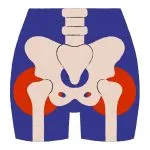
Hip pain and knee injury affect walking, sitting, and daily movement. Osteopathy focuses on joint mobility, muscle balance, and movement control to reduce strain and support long term function.

Children and Youth Injuries

Infants/Children and Youth Injuries

Infants, children, and youth injuries affect movement, posture, and development. Osteopathy focuses on gentle hands on care to address tissue tension, joint restriction, and movement imbalance for healthy growth and function.

Migraines and Headaches

Migraines and Headaches

Migraines and headaches disrupt focus, sleep, and daily function. Osteopathy focuses on reducing tension, improving circulation, and restoring movement balance to support consistent relief and long term comfort.

Maternity and Pregnancy

Maternity and Pregnancy

Pregnancy places increased demand on the body, affecting posture, joints, and movement. Osteopathy offers gentle hands on care to support comfort, mobility, and physical balance throughout maternity.

Upper and Lower Back Pain Injury 1

Upper and Lower Back Pain Injury

Upper and lower back pain injury affects movement, posture, and daily activity. Osteopathy focuses on joint mobility, tissue tension, and movement balance to reduce strain and restore functional comfort.

Shoulder Pain Injury

Shoulder Pain Injury

Shoulder pain injury limits arm movement and daily tasks. Osteopathy addresses joint restriction, tissue tension, and movement imbalance to restore mobility and support stable shoulder function.

Neck Pain Injury

Neck Pain Injury

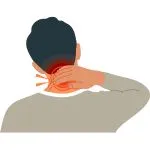
Neck pain injuries restrict movement and strain daily activity. Osteopathy focuses on joint mobility, muscle tension, and movement balance to support comfort and functional stability.

Women Pelvic Health Wellness

Women Pelvic Health Wellness

Women pelvic health wellness requires clear guidance and focused care. At Mississauga Osteopathy Clinic, you receive structured osteopathic support designed to improve pelvic function, movement, and daily comfort.

Craniosacral Therapy

Craniosacral Therapy

Our Mississauga osteopathy clinic offers Craniosacral Therapy, a gentle hands-on approach that supports natural movement of the skull and sacrum. Using light touch, your osteopath helps release restrictions, improve nervous system balance, and enhance overall body function.

About City Of Mississauga Ontario

Mississauga, Ontario, is a thriving city located along the shores of Lake Ontario, just west of Toronto. As one of Canada’s largest and fastest-growing cities, it is home to a diverse and multicultural population. With Pearson International Airport, the country’s busiest airport, and major corporate headquarters, Mississauga has established itself as a key business and economic hub in Canada. The city’s modern skyline, featuring high-rise condominiums and commercial developments, is complemented by green spaces, waterfront parks, and vibrant cultural attractions.

One of Mississauga’s most notable landmarks is Square One Shopping Centre, one of the largest malls in Canada, attracting millions of visitors each year. The downtown core is rapidly evolving, with new residential and commercial projects reshaping the city’s landscape. Meanwhile, neighborhoods like Port Credit offer a charming, lakefront lifestyle with boutique shops, cafes, and marinas, making it a popular destination for both residents and tourists. Historic Streetsville, with its small-town charm, provides a glimpse into Mississauga’s past while offering modern amenities.

About Mississauga
mississauga ontario

Mississauga is also a city committed to education and innovation, with top-rated schools, colleges, and easy access to leading universities in the Greater Toronto Area. The city’s public transit system is expanding, with new LRT and GO Transit projects aiming to enhance connectivity and reduce congestion. With a strong focus on community development and sustainability, Mississauga continues to improve its infrastructure, recreational spaces, and public services to meet the needs of its growing population.

Beyond its economic success, Mississauga is a welcoming and family-friendly city with a strong sense of community. The city hosts numerous cultural festivals, outdoor events, and recreational activities, celebrating its diverse population. Whether enjoying waterfront trails in Lakeview, exploring Erin Mills and Meadowvale’s parks, or experiencing arts and performances at the Living Arts Centre, Mississauga offers something for everyone. With its blend of urban convenience and suburban comfort, it remains a top choice for those looking to live, work, and thrive in a dynamic and inclusive environment.

Major Street Intersections
Neighbourhood
Postal Codes

Central Mississauga

  • L4Z,
  • L5B,
  • L5C

North Mississauga

  • L5N
  • L5M
  • L5V
  • L4Z
  • L5R

West Mississauga

  • L5L
  • L5M

East Mississauga

  • L4W
  • L4X
  • L4Y
  • L4Z
  • L5A

South Mississauga

  • L5G
  • L5H
  • L5J
  • L5K
  • L5E
Others

References

Cleveland Clinic. (2025, February 14). Torn meniscus. Cleveland Clinic. https://my.clevelandclinic.org/health/diseases/17219-torn-meniscus

Mayo Clinic Staff. (2024, February 1). Torn meniscus: Symptoms & causes. Mayo Clinic. https://www.mayoclinic.org/diseases-conditions/torn-meniscus/symptoms-causes/syc-20354818

Physiopedia contributors. (n.d.). Meniscal lesions. Physiopedia. https://www.physio-pedia.com/Meniscal_Lesions

Mass General Brigham. (n.d.). Meniscus injuries. https://www.massgeneral.org/orthopaedics/sports-medicine/conditions-and-treatments/meniscus-injuries

Orthobullets. (2025, April 20). Meniscal tears. Orthobullets. https://www.orthobullets.com/knee-and-sports/3005/meniscal-tears

Osteopathy Australia. (n.d.). What is osteopathy? https://osteopathy.org.au/Web/Web/find-an-osteo/what-is-osteopathy.aspx

BOOK AN APPOINTMENT WITH US