Osteopathy prioritizes your physical well-being, fostering mobility, pain relief, vitality, and overall happiness in Mississauga.

Professional Osteopathy in Mississauga

Our Top Rated Osteopathics in Mississauga provides comprehensive care for tarsal tunnel syndrome by addressing nerve compression, reducing inflammation, and improving overall foot and ankle function. Our approach combines hands-on osteopathic treatment, targeted rehabilitation, and individualized care plans designed to relieve pain and restore mobility. We are dedicated to helping you move comfortably and prevent recurring issues.

Tarsal Tunnel Syndrome Mississauga Osteopathy Clinic

Top-Rated Mississauga Osteopathic Manual Practitioners

Amanpreet Kaur - Osteopathic Practitioner - CPMDQ Licensed Practitioner - ACMA Member
Amanpreet Kaur (CPMDQ), ACMA
Sharenpreet-Kaur-Osteopathy-in-Mississauga
Sharanpreet Kaur (D.O.M.P),

Tarsal tunnel syndrome is a condition caused by increased pressure on a nerve in the foot and can often lead to foot pain along with other sensory symptoms. It is often compared to carpal tunnel syndrome in the wrist, as both involve nerve compression within a confined space. Although relatively uncommon, this condition can be challenging to diagnose due to its varied symptoms.

Anatomy

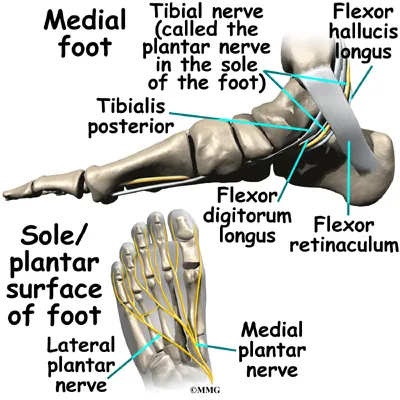
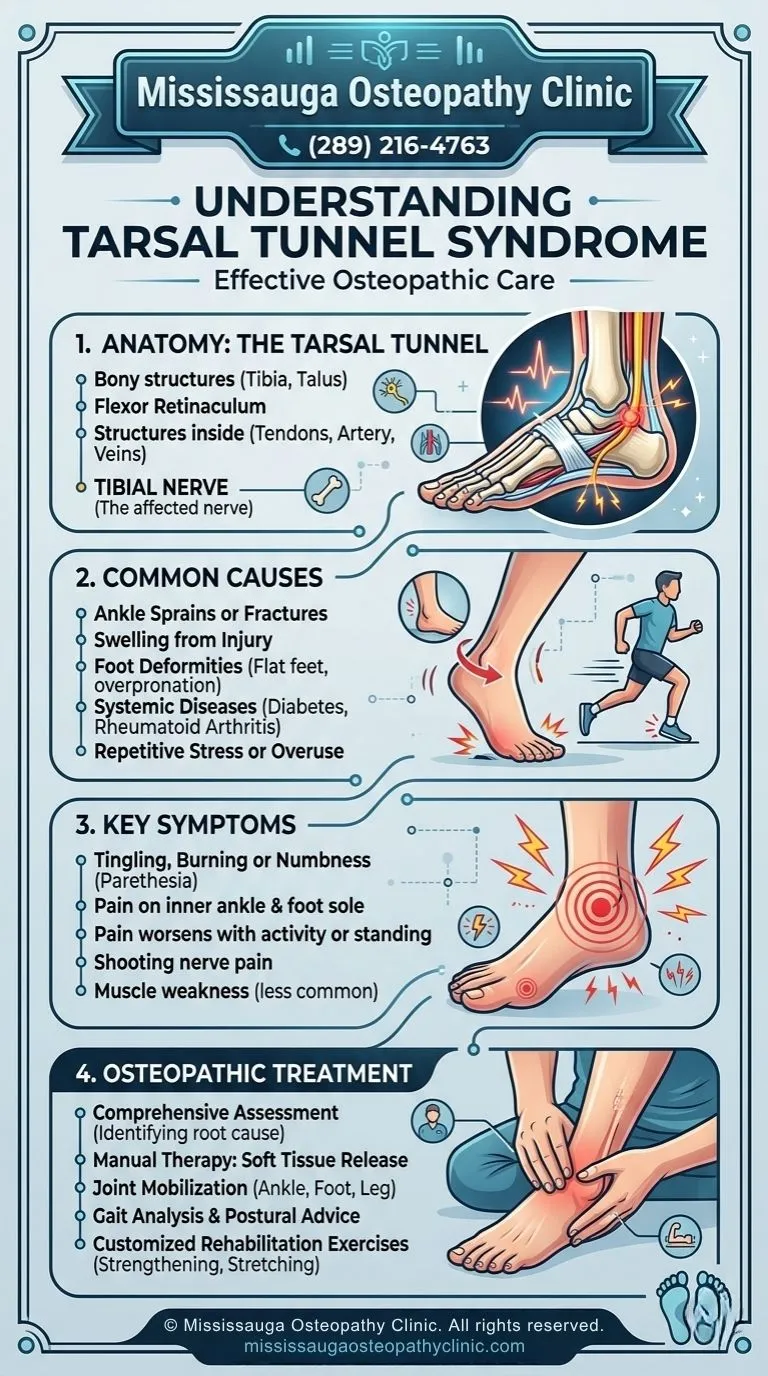
The tibial nerve travels down the leg and passes behind the bony prominence on the inside of the ankle, known as the medial malleolus. As it enters the foot, it moves beneath a strong band of tissue called the flexor retinaculum.

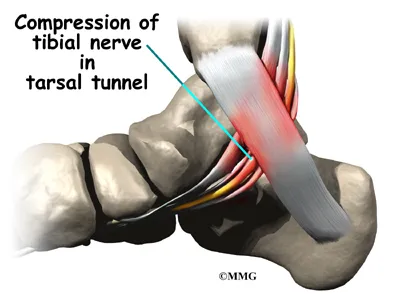
This structure forms a narrow passageway known as the tarsal tunnel. Within this confined space, tendons, blood vessels, and the tibial nerve travel together toward the bottom of the foot. The tunnel is bordered by bone on one side and the flexor retinaculum on the other, creating a tight environment where even minor swelling can affect the nerve.

foot tarsal tunnel anat01

Causes

In many cases, the exact cause remains unclear. However, inflammation around the tibial nerve can lead to swelling and increased pressure within the tunnel.

Any condition that reduces the available space in the tarsal tunnel may contribute to nerve compression. This can include varicose veins, benign growths, or swelling related to systemic conditions such as diabetes. Because the surrounding tissues have limited ability to stretch, even small changes can significantly increase pressure on the nerve.

When the nerve becomes compressed, it may not function properly. This can lead to altered sensation in the skin and weakness in the muscles it supplies. Pain may also develop along the path of the nerve.

Foot Tarsal Tunnel Syndrome Causes

Symptoms

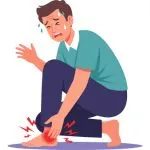
This condition typically causes discomfort along the sole of the foot. Many individuals describe the sensation as burning, tingling, or similar to an electric shock.

Symptoms often worsen with prolonged standing or walking and tend to improve with rest. Sensitivity may be present along the inner ankle where the nerve passes. In more advanced cases, numbness or weakness in the foot may develop, affecting mobility and stability.

Diagnosis

A detailed history and physical examination are essential in diagnosing tarsal tunnel syndrome. One commonly used clinical test is Tinel’s sign, where tapping over the nerve produces a tingling sensation radiating into the foot.

If further confirmation is needed, nerve conduction studies may be recommended. These tests measure how quickly electrical signals travel through the nerve. Slower conduction across the ankle can indicate nerve compression within the tarsal tunnel.

Treatment

Nonsurgical Treatment
Treatment depends on the underlying cause of the nerve compression. Rest and anti-inflammatory medications are often recommended initially to reduce irritation around the tibial nerve.

For individuals with flat feet or excessive pronation, custom orthotics may be beneficial. These inserts help support the arch, improve alignment, and reduce strain on the nerve within the tunnel.

Corticosteroid injections may also be used to decrease inflammation and provide temporary symptom relief.

If conservative measures are not effective, surgical intervention may be considered.

Surgical Treatment
Surgery aims to relieve pressure on the tibial nerve by releasing the flexor retinaculum. This procedure creates more space within the tunnel and reduces compression on the nerve.

A small incision is made along the inside of the ankle, following the path of the tibial nerve. The surgeon carefully releases the tight band of tissue and ensures that the nerve is free along its course into the foot. The area is then closed with stitches.

This procedure is typically performed on an outpatient basis, allowing you to return home the same day.

Rehabilitation

Nonsurgical Rehabilitation
When treated conservatively, improvement may begin within a few days, although full relief can take longer. Anti-inflammatory medications may require up to a week to reach full effectiveness, while orthotic adjustments may take several weeks to show benefits.

Physical therapy can play a key role in recovery. Stretching exercises help improve calf flexibility and encourage proper nerve movement within the tarsal tunnel. Additional treatments such as ultrasound, heat therapy, and soft tissue techniques may help reduce pain and inflammation.

Post-Surgical Rehabilitation
After surgery, symptoms often begin to improve, although some tenderness around the incision site may persist for a period of time. The ankle is typically supported with a splint for the first 10 days, and crutches may be required to limit weight-bearing.

Keeping the foot elevated and gently moving the ankle and toes during recovery can help reduce swelling and maintain mobility. Stitches are usually removed after about 10 days, after which a supportive walking boot may be introduced.

Rehabilitation may continue for several weeks, focusing on restoring range of motion, strength, and proper walking mechanics. Exercises gradually progress to include everyday functional movements such as walking, climbing stairs, and standing on the toes.

The goal throughout recovery is to reduce pain, restore normal function, and help you return to daily activities while minimizing the risk of recurrence.

Our osteopathy services in Mississauga focuses on hands on care to restore movement, reduce pain, and improve physical function. Each session includes a full assessment of posture, mobility, and injury history to guide precise treatment. Care targets joint restriction, muscle tension, and circulation limits to support faster recovery and daily comfort. Services support injury recovery, chronic pain relief, postural correction, and long term physical balance.

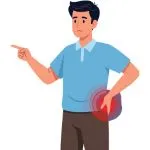
Ankle Pain and Foot Injury

Ankle Pain and Foot Injury

Ankle pain and foot injury disrupt walking, balance, and daily movement. Osteopathy addresses joint restriction, tissue tension, and movement imbalance to restore mobility and support stable, pain free function.
Hip Pain and Knee Injury

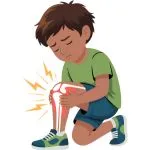
Hip Pain and Knee Injury

Hip pain and knee injury affect walking, sitting, and daily movement. Osteopathy focuses on joint mobility, muscle balance, and movement control to reduce strain and support long term function.
Children and Youth Injuries

Infants/Children and Youth Injuries

Infants, children, and youth injuries affect movement, posture, and development. Osteopathy focuses on gentle hands on care to address tissue tension, joint restriction, and movement imbalance for healthy growth and function.

Migraines and Headaches

Migraines and Headaches

Migraines and headaches disrupt focus, sleep, and daily function. Osteopathy focuses on reducing tension, improving circulation, and restoring movement balance to support consistent relief and long term comfort.

Maternity and Pregnancy

Maternity and Pregnancy

Pregnancy places increased demand on the body, affecting posture, joints, and movement. Osteopathy offers gentle hands on care to support comfort, mobility, and physical balance throughout maternity.
Upper and Lower Back Pain Injury 1

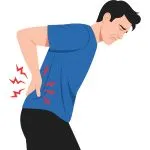
Upper and Lower Back Pain Injury

Upper and lower back pain injury affects movement, posture, and daily activity. Osteopathy focuses on joint mobility, tissue tension, and movement balance to reduce strain and restore functional comfort.

Shoulder Pain Injury

Shoulder Pain Injury

Shoulder pain injury limits arm movement and daily tasks. Osteopathy addresses joint restriction, tissue tension, and movement imbalance to restore mobility and support stable shoulder function.
Neck Pain Injury

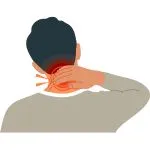
Neck Pain Injury

Neck pain injuries restrict movement and strain daily activity. Osteopathy focuses on joint mobility, muscle tension, and movement balance to support comfort and functional stability.
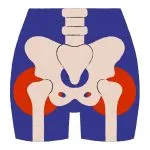
Women Pelvic Health Wellness

Women Pelvic Health Wellness

Women pelvic health wellness requires clear guidance and focused care. At Mississauga Osteopathy Clinic, you receive structured osteopathic support designed to improve pelvic function, movement, and daily comfort.

Craniosacral Therapy

Craniosacral Therapy

Our Mississauga osteopathy clinic offers Craniosacral Therapy, a gentle hands-on approach that supports natural movement of the skull and sacrum. Using light touch, your osteopath helps release restrictions, improve nervous system balance, and enhance overall body function.


About City Of Mississauga Ontario

Mississauga, Ontario, is a thriving city located along the shores of Lake Ontario, just west of Toronto. As one of Canada’s largest and fastest-growing cities, it is home to a diverse and multicultural population. With Pearson International Airport, the country’s busiest airport, and major corporate headquarters, Mississauga has established itself as a key business and economic hub in Canada. The city’s modern skyline, featuring high-rise condominiums and commercial developments, is complemented by green spaces, waterfront parks, and vibrant cultural attractions.

One of Mississauga’s most notable landmarks is Square One Shopping Centre, one of the largest malls in Canada, attracting millions of visitors each year. The downtown core is rapidly evolving, with new residential and commercial projects reshaping the city’s landscape. Meanwhile, neighborhoods like Port Credit offer a charming, lakefront lifestyle with boutique shops, cafes, and marinas, making it a popular destination for both residents and tourists. Historic Streetsville, with its small-town charm, provides a glimpse into Mississauga’s past while offering modern amenities.

About Mississauga
mississauga ontario

Mississauga is also a city committed to education and innovation, with top-rated schools, colleges, and easy access to leading universities in the Greater Toronto Area. The city’s public transit system is expanding, with new LRT and GO Transit projects aiming to enhance connectivity and reduce congestion. With a strong focus on community development and sustainability, Mississauga continues to improve its infrastructure, recreational spaces, and public services to meet the needs of its growing population.

Beyond its economic success, Mississauga is a welcoming and family-friendly city with a strong sense of community. The city hosts numerous cultural festivals, outdoor events, and recreational activities, celebrating its diverse population. Whether enjoying waterfront trails in Lakeview, exploring Erin Mills and Meadowvale’s parks, or experiencing arts and performances at the Living Arts Centre, Mississauga offers something for everyone. With its blend of urban convenience and suburban comfort, it remains a top choice for those looking to live, work, and thrive in a dynamic and inclusive environment.

Major Street Intersections
Neighbourhoods
Postal Codes

Central Mississauga

  • L4Z,
  • L5B,
  • L5C

North Mississauga

  • L5N
  • L5M
  • L5V
  • L4Z
  • L5R

West Mississauga

  • L5L
  • L5M

East Mississauga

  • L4W
  • L4X
  • L4Y
  • L4Z
  • L5A

South Mississauga

  • L5G
  • L5H
  • L5J
  • L5K
  • L5E
Others

References

Cleveland Clinic. (2021, September 20). Tarsal tunnel syndrome. https://my.clevelandclinic.org/health/diseases/22200-tarsal-tunnel-syndrome

Johns Hopkins Medicine. (n.d.). Tarsal tunnel syndrome. https://www.hopkinsmedicine.org/health/conditions-and-diseases/tarsal-tunnel-syndrome

Kiel, J., & Kaiser, K. (2024, February 9). Tarsal tunnel syndrome. In StatPearls. StatPearls Publishing. https://www.ncbi.nlm.nih.gov/books/NBK513273/

American College of Foot and Ankle Surgeons. (n.d.). Tarsal tunnel syndrome. Foot Health Facts. https://www.foothealthfacts.org/conditions/tarsal-tunnel-syndrome

Wigan Osteopath. (n.d.). What is osteopathy? https://wiganosteopath.co.uk/what-is-osteopathy/

Book an Osteopath Appointment With Us