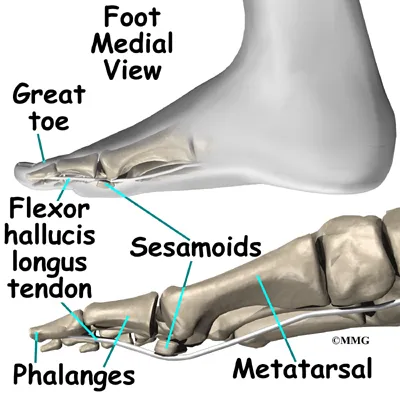
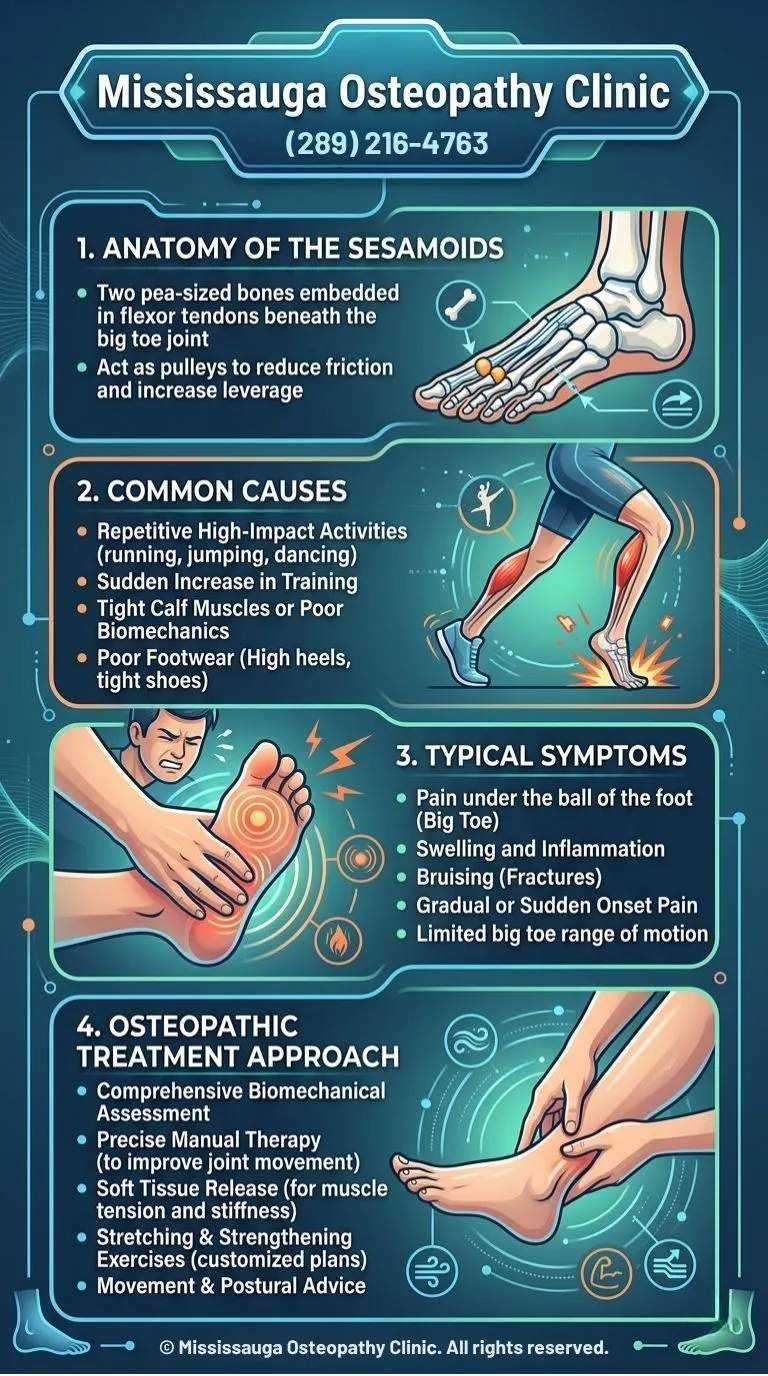
Beneath the joint of the big toe are two small, pea-shaped bones known as sesamoids. Despite their size, these structures play a crucial role in foot mechanics, particularly in weight-bearing and movement. When injured or irritated, the sesamoids can lead to significant foot pain and limitations in daily activities.
Osteopathy prioritizes your physical well-being, fostering mobility, pain relief, vitality, and overall happiness in Mississauga.
Top Osteopath in Mississauga
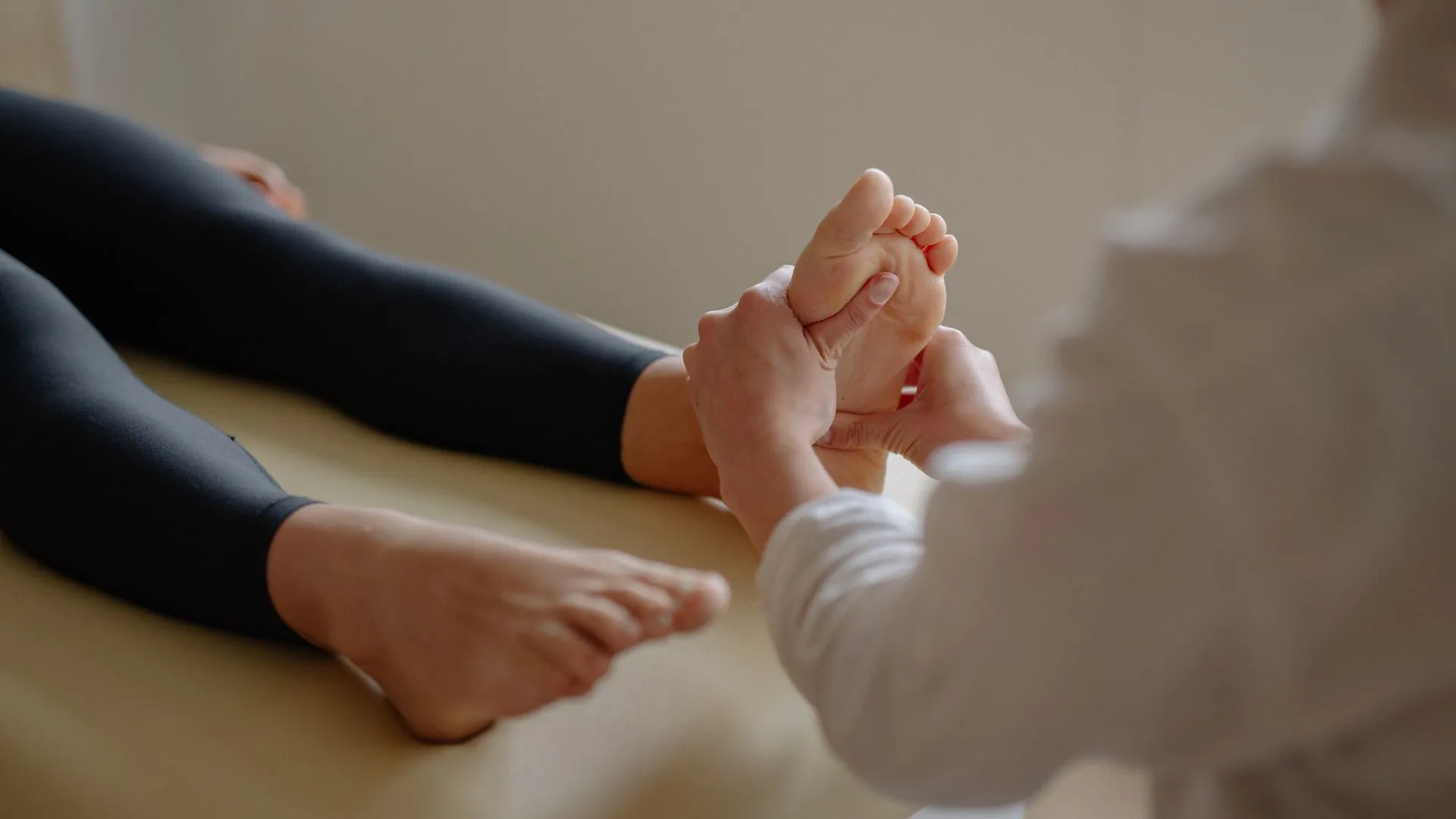
Our Top Rated Osteopathics in Mississauga provides personalized care for sesamoid-related foot pain, focusing on reducing inflammation, restoring mobility, and improving overall foot function. Our approach integrates hands-on osteopathic techniques, rehabilitation strategies, and tailored treatment plans designed to support recovery and long-term foot health. We are committed to helping you move comfortably and return to your daily activities with confidence.

Top-Rated Mississauga Osteopathic Manual Practitioners
Anatomy
The primary joint of the big toe forms part of the ball of the foot. Directly beneath this joint sit the two sesamoid bones—one positioned on each side.
These bones act as a pulley system for the tendons that bend the big toe downward. By creating a fulcrum, they enhance leverage and efficiency of movement. In addition, the sesamoids help absorb pressure during standing and walking while reducing friction within the surrounding soft tissues as the toe moves.

Causes
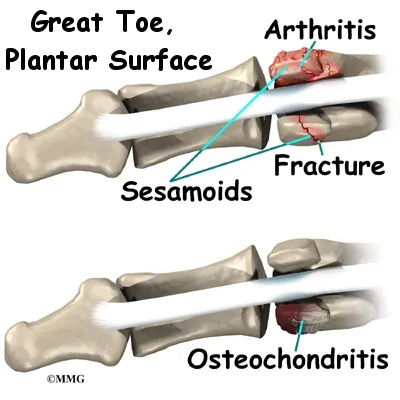
Pain involving the sesamoids can arise in several ways. One common condition is sesamoiditis, which refers to inflammation of the surrounding tissues. This often develops from repetitive stress, especially in activities such as running or dancing.
Fractures are another cause of pain. These may occur suddenly from direct impact or gradually as stress fractures due to repeated strain. Athletes are particularly susceptible due to the high demands placed on the forefoot.
Arthritic changes can also affect the joint formed between the sesamoids and the big toe. Individuals with high arches may be more prone to this, as increased rigidity in the joint concentrates pressure on these small bones.
In some cases, reduced blood supply to the sesamoid leads to a condition called osteochondritis, where part of the bone begins to deteriorate. Additionally, thickened skin or tissue beneath the toe—known as plantar keratosis—can contribute to discomfort in this region.

Symptoms
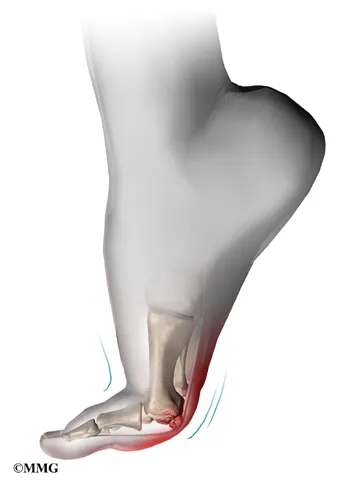
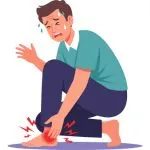
Individuals with sesamoid issues typically experience discomfort beneath the ball of the foot, directly under the big toe joint. The area may feel tender to touch, and movement of the toe can become restricted.
Pain often intensifies when the big toe bends upward during walking. Some individuals notice clicking or popping sensations in the joint, sometimes followed by temporary increases in pain. Others may experience numbness or tingling between the first and second toes.

Diagnosis
A thorough clinical assessment is essential. This includes reviewing your symptoms, medical history, and performing a physical examination of the foot and toe. Movement testing helps identify the source of pain and assess joint function.
X-rays are commonly used to evaluate the sesamoid bones, particularly with specialized angled views. These images help determine whether abnormalities such as fractures are present.
In certain cases, additional imaging may be required. Bone scans can identify areas of increased stress within the bone, while MRI scans provide detailed views of soft tissues and can help rule out infection or other underlying conditions.
Treatment
Nonsurgical Treatment
Most sesamoid conditions respond well to conservative care. Anti-inflammatory medications may be used to reduce pain and swelling. Footwear modifications, including low-heeled shoes and specialized padding such as J-shaped cushions, help relieve pressure on the sesamoids.
Reducing weight-bearing activities may also be necessary during recovery. In some cases, corticosteroid injections may be used to manage inflammation.
Fractures may require immobilization. Some practitioners recommend casting for several weeks, followed by the use of a stiff-soled shoe to prevent excessive toe movement. Others may opt for immediate use of supportive footwear without casting.
Stress fractures require careful management, as failure to heal properly can result in a nonunion. In such cases, prolonged rest or surgical intervention may be necessary.
Surgical Treatment
Surgery is typically reserved for persistent or severe cases that do not respond to conservative care.
Sesamoid Removal
In some cases, part or all of a sesamoid bone may be removed. Surgeons generally aim to preserve at least one sesamoid to maintain proper toe function and avoid deformity.
Debridement and Smoothing
For conditions like plantar keratosis, excess tissue may be removed and the bone surface smoothed to reduce irritation while preserving structural function.
Bone Grafting
For non-healing fractures, bone grafting may be performed to encourage proper healing. This procedure involves placing bone material into the affected area to support regeneration and restore stability.
Rehabilitation
Nonsurgical Rehabilitation
Physical therapy can be highly beneficial. Techniques such as ultrasound therapy, soft tissue work, and heat treatments help manage pain and inflammation. Therapists may also recommend padding strategies and footwear adjustments to reduce pressure on the affected area.
Many individuals can return to normal walking with proper modifications, though high-impact activities should be temporarily reduced. In more severe cases, crutches may be required to offload the foot.
Post-Surgical Rehabilitation
Recovery following surgery depends on the procedure performed. Patients are often placed in a rigid shoe or cast for several weeks and may need to limit weight-bearing with the use of crutches.
Bone graft procedures require a more gradual recovery, often involving extended immobilization followed by progressive rehabilitation. Imaging such as CT scans may be used to monitor healing over time.
As recovery progresses, rehabilitation focuses on restoring strength, flexibility, and proper walking mechanics. The ultimate goal is to reduce pain, improve function, and help you safely return to your normal activities.
Our osteopathy services in Mississauga focuses on hands on care to restore movement, reduce pain, and improve physical function. Each session includes a full assessment of posture, mobility, and injury history to guide precise treatment. Care targets joint restriction, muscle tension, and circulation limits to support faster recovery and daily comfort. Services support injury recovery, chronic pain relief, postural correction, and long term physical balance.

Infants/Children and Youth Injuries
Infants, children, and youth injuries affect movement, posture, and development. Osteopathy focuses on gentle hands on care to address tissue tension, joint restriction, and movement imbalance for healthy growth and function.
Upper and Lower Back Pain Injury
Upper and lower back pain injury affects movement, posture, and daily activity. Osteopathy focuses on joint mobility, tissue tension, and movement balance to reduce strain and restore functional comfort.
About City Of Mississauga Ontario
Mississauga, Ontario, is a thriving city located along the shores of Lake Ontario, just west of Toronto. As one of Canada’s largest and fastest-growing cities, it is home to a diverse and multicultural population. With Pearson International Airport, the country’s busiest airport, and major corporate headquarters, Mississauga has established itself as a key business and economic hub in Canada. The city’s modern skyline, featuring high-rise condominiums and commercial developments, is complemented by green spaces, waterfront parks, and vibrant cultural attractions.
One of Mississauga’s most notable landmarks is Square One Shopping Centre, one of the largest malls in Canada, attracting millions of visitors each year. The downtown core is rapidly evolving, with new residential and commercial projects reshaping the city’s landscape. Meanwhile, neighborhoods like Port Credit offer a charming, lakefront lifestyle with boutique shops, cafes, and marinas, making it a popular destination for both residents and tourists. Historic Streetsville, with its small-town charm, provides a glimpse into Mississauga’s past while offering modern amenities.


Mississauga is also a city committed to education and innovation, with top-rated schools, colleges, and easy access to leading universities in the Greater Toronto Area. The city’s public transit system is expanding, with new LRT and GO Transit projects aiming to enhance connectivity and reduce congestion. With a strong focus on community development and sustainability, Mississauga continues to improve its infrastructure, recreational spaces, and public services to meet the needs of its growing population.
Beyond its economic success, Mississauga is a welcoming and family-friendly city with a strong sense of community. The city hosts numerous cultural festivals, outdoor events, and recreational activities, celebrating its diverse population. Whether enjoying waterfront trails in Lakeview, exploring Erin Mills and Meadowvale’s parks, or experiencing arts and performances at the Living Arts Centre, Mississauga offers something for everyone. With its blend of urban convenience and suburban comfort, it remains a top choice for those looking to live, work, and thrive in a dynamic and inclusive environment.
Major Street Intersections
- Hurontario St
- Dundas St
- Eglinton Ave
- Burnhamthorpe Rd
- Lakeshore Rd
- Britannia Rd
- Matheson Blvd
- Mavis Rd
- Dixie Rd
- Winston Churchill Blvd
- Queensway
- Cawthra Rd
- Erin Mills Pkwy
- Derry Rd
Neighbourhoods
Postal Codes
Central Mississauga
- L4Z,
- L5B,
- L5C
North Mississauga
- L5N
- L5M
- L5V
- L4Z
- L5R
West Mississauga
- L5L
- L5M
East Mississauga
- L4W
- L4X
- L4Y
- L4Z
- L5A
South Mississauga
- L5G
- L5H
- L5J
- L5K
- L5E
Others
References
Chu, E., & Resnick, D. (2014, June). Sesamoid bones: Normal and abnormal. Radsource. https://radsource.us/sesamoid-bones/
Yeung, A. Y., Arbor, T. C., & Garg, R. (2023, April 4). Anatomy, sesamoid bones. In StatPearls. StatPearls Publishing. https://www.ncbi.nlm.nih.gov/books/NBK578171/
Stable Health. (n.d.). What is osteopathy? https://stablehealth.org/what-is-osteopathy/
Book an Osteopath Appointment With Us