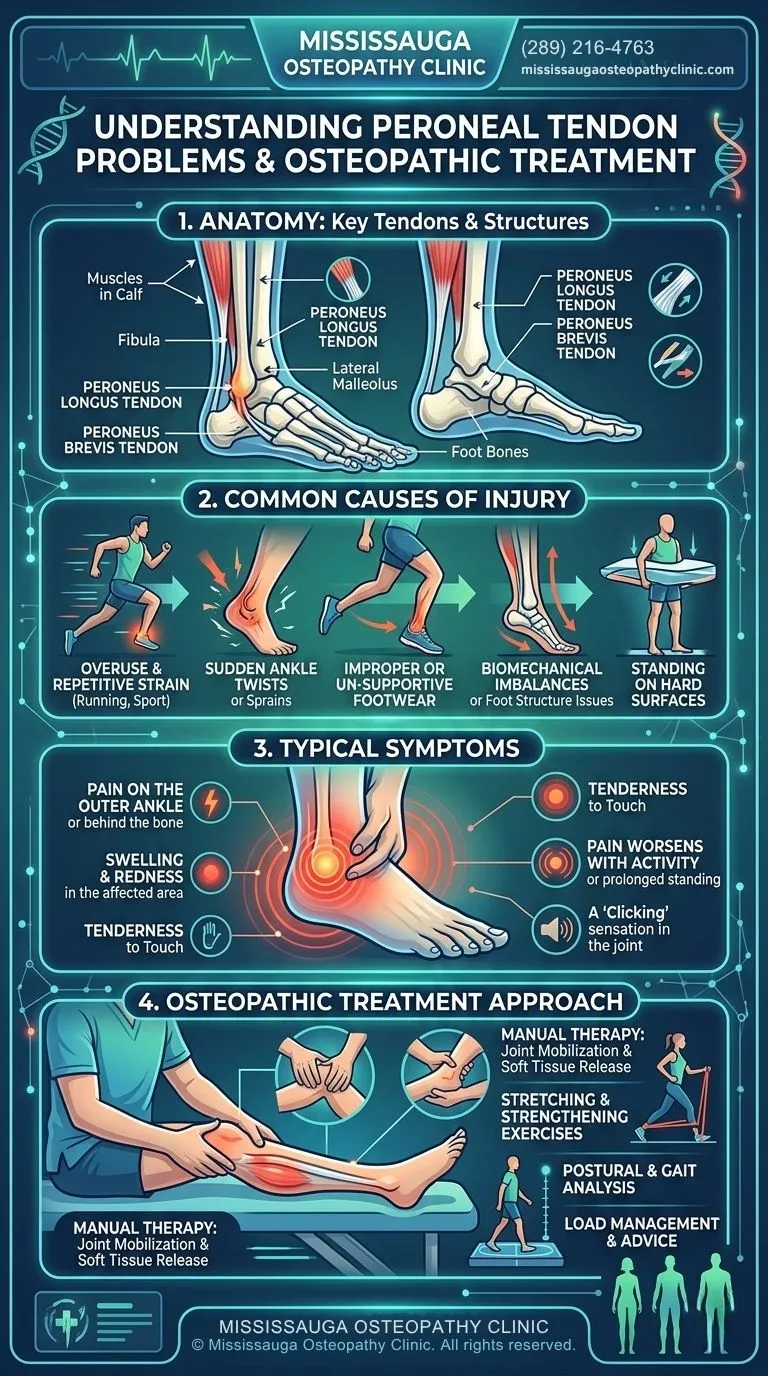
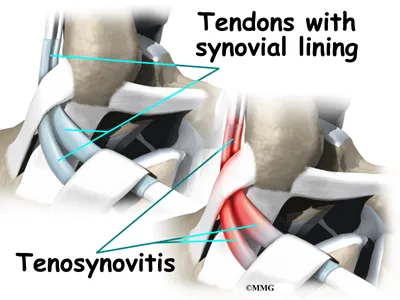
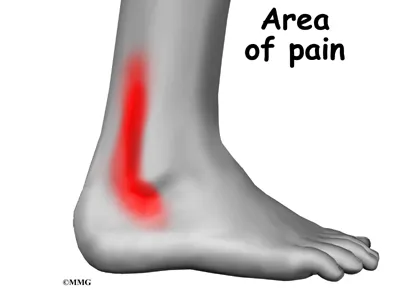
Peroneal tendon problems often arise from irritation within the tendon sheath, a condition known as tenosynovitis. This irritation may develop from repetitive motion, overuse, or direct trauma such as an ankle sprain or impact to the outer ankle.
Sports that involve running, jumping, and rapid directional changes place repeated strain on these tendons. Structural factors, such as having a high arch, can also increase tension and contribute to dysfunction.
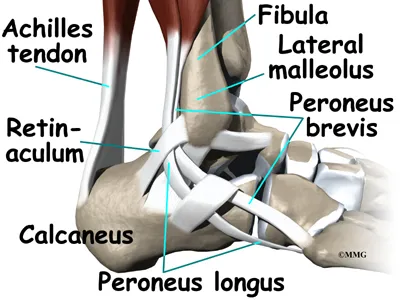
A common cause is an inversion ankle sprain, where the foot rolls inward. This motion not only affects the ligaments but can also overstretch the peroneal tendons, sometimes leading to small tears. In some cases, the tendons may slip out of their normal position, a condition referred to as subluxation.
In addition to inflammatory conditions, some individuals develop tendon degeneration, known as tendonosis. In this state, the tendon weakens due to changes in its internal structure. The collagen fibers lose their normal alignment, reducing strength and increasing the risk of tearing. Over time, scar tissue may build up, thickening the tendon but making it less resilient.