

Mississauga Osteopathy Clinic | An Osteopathy approach for Pain Management

Mississauga Osteopathy Clinic

Osteopathy prioritizes your physical well-being, fostering mobility, pain relief, vitality, and overall happiness in Mississauga.

Recommended Osteopaths in Mississauga

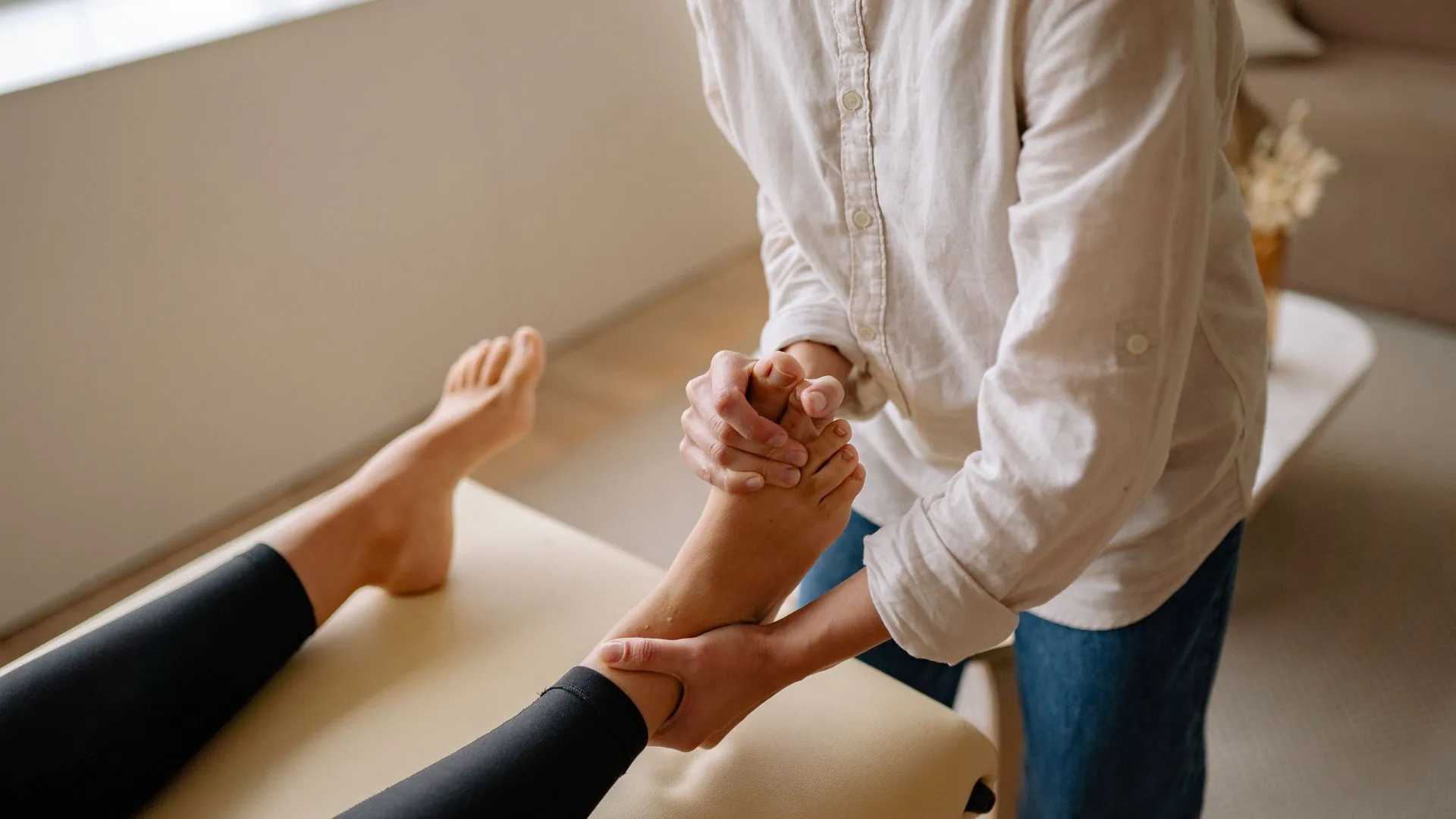
Our Top Rated Osteopathics in Mississauga is committed to helping you move comfortably and live without persistent foot pain. We focus on identifying the root cause of your condition and delivering personalized, hands-on care tailored to your needs.

Our approach emphasizes restoring balance, improving alignment, and supporting long-term recovery through evidence-informed osteopathic treatment. We work closely with you to reduce discomfort, enhance mobility, and help you return to your daily activities with confidence.

Bunions - Mississauga Osteopathy Clinic
Top-Rated Mississauga Osteopathic Manual Practitioners
Amanpreet Kaur - Osteopathic Practitioner - CPMDQ Licensed Practitioner - ACMA Member
Amanpreet Kaur (CPMDQ), ACMA
Sharenpreet-Kaur-Osteopathy-in-Mississauga
Sharanpreet Kaur (D.O.M.P),

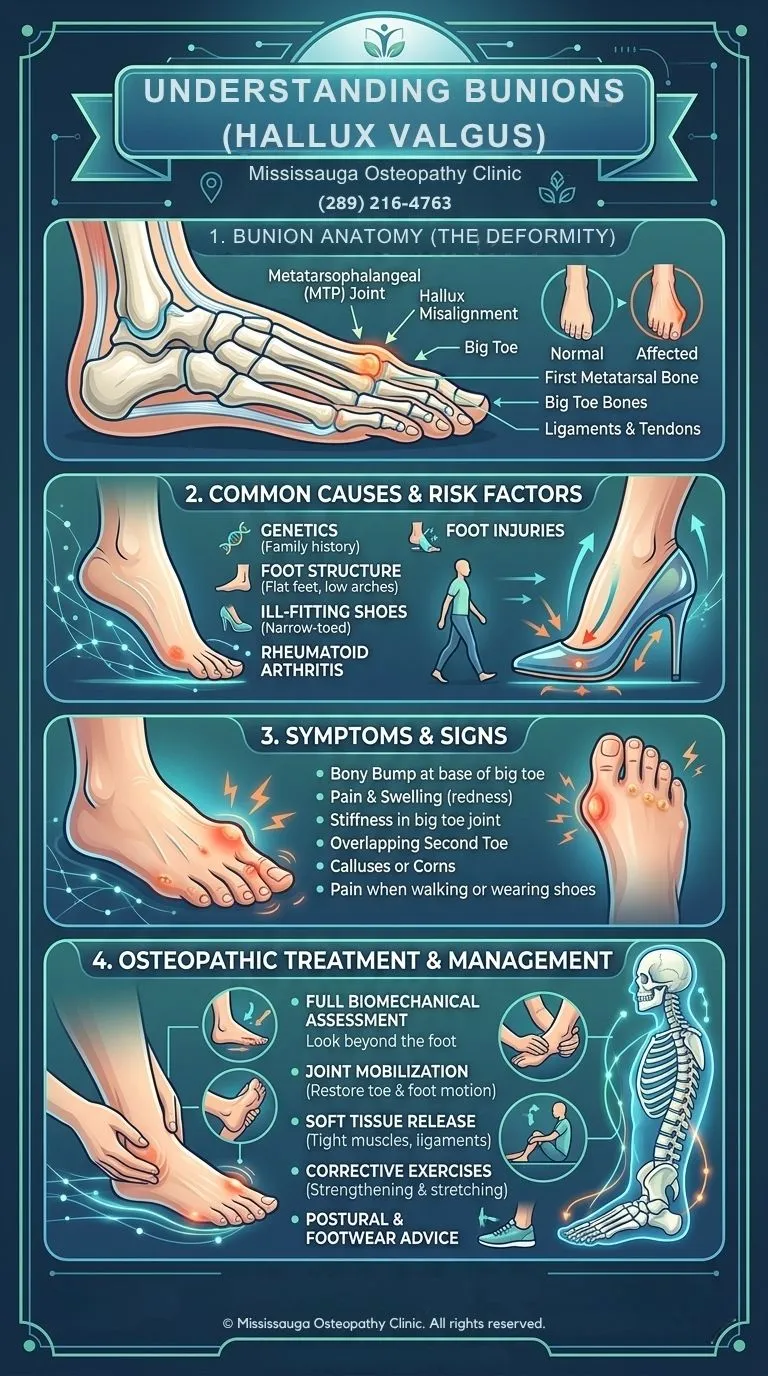
Bunions, medically known as Hallux Valgus, affect the joint at the base of the big toe and are a common cause of foot pain. While many people think a bunion is simply a bump on the side of the foot, the condition is actually more complex and involves structural changes within the joint. The visible bump forms at the first metatarsophalangeal (MTP) joint and often develops gradually over time.

Interestingly, bunions are far less common in populations that do not regularly wear shoes. Footwear such as high heels, narrow toe boxes, and pointed shoes can increase pressure on the forefoot, contributing to the development of this condition. On the other hand, supportive footwear with a wider fit can help reduce irritation and slow progression.

This guide will help you understand how bunions develop, why they cause discomfort, and what treatment options are available to support recovery.
Anatomy

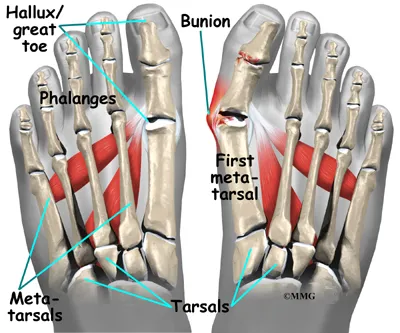
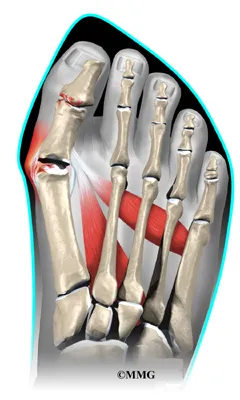
The term hallux valgus describes a deviation of the big toe away from the midline of the body. As the condition progresses, the big toe begins to angle toward the smaller toes. This shift places stress on surrounding structures and leads to further structural changes in the foot.

One of these changes involves the first metatarsal bone, which may angle inward in a condition known as metatarsus primus varus. Together, these misalignments create a prominent angle at the base of the big toe, which becomes the bunion.

Initially, the bump consists of inflamed soft tissue caused by repeated pressure between the bone and footwear. Over time, this constant irritation can lead to thickening of the bone itself, making the bunion more pronounced and increasingly uncomfortable.

foot bunion anat01

Causes

Bunions often result from prolonged pressure and friction on the foot. The foot can be thought of as a structure where bone lies beneath layers of soft tissue, all enclosed within footwear. When abnormal pressure is applied—especially from tight or poorly fitting shoes—the tissues between the bone and shoe become irritated.

As a response to repeated stress, the skin may develop calluses, while the underlying tissues thicken and become inflamed. Any bony prominence intensifies this process. Over time, both soft tissue irritation and bone changes contribute to pain and visible deformity.

Reducing pressure is key to managing symptoms. This can be achieved externally by modifying footwear or internally through surgical correction when necessary.

foot bunion causes01

Symptoms

The most common symptom is pain at the site of the bunion. The area may become tender, swollen, and irritated—especially when wearing tight shoes. As the condition progresses, the deformity may also become a cosmetic concern for some individuals.

Footwear can become increasingly difficult to tolerate, particularly for those who prefer narrow or fashionable styles. In more advanced cases, the shifting alignment of the big toe may push the second toe upward, leading to additional discomfort and friction within the shoe.

Diagnosis

Diagnosis typically begins with a detailed history and physical examination. Attention is given to footwear habits, symptom progression, and foot structure.

Imaging, such as X-rays, is often recommended to assess the alignment of the bones and measure key angles within the foot. These findings help guide appropriate treatment decisions and determine the severity of the deformity.

Treatment

Nonsurgical Treatment

Conservative care is usually the first step in managing bunions. Adjusting footwear to reduce pressure on the forefoot is often highly effective in the early stages. Shoes with a wider toe box can help relieve stress on the bunion and slow progression.

Additional support options may include padding, orthotics, and toe spacers designed to reduce friction and improve alignment. These approaches aim to relieve discomfort and support overall foot function without invasive procedures.

Surgical Treatment

When conservative measures are no longer effective, surgical intervention may be considered. There are many surgical techniques available, each tailored to the severity and structure of the deformity.

Common surgical goals include removing the bunion, realigning the bones of the big toe, and restoring balance to the surrounding muscles and soft tissues.

Procedures such as bunionectomy focus on removing the bony prominence, while osteotomy techniques involve cutting and repositioning bones to correct alignment. These procedures may use small incisions and fixation devices like pins to stabilize the bone during healing.

Soft tissue adjustments are also performed to ensure the toe remains properly aligned and to prevent recurrence.

Rehabilitation

Nonsurgical Rehabilitation

Non-surgical recovery often includes guided exercises, footwear modifications, and supportive care to reduce pain and inflammation. With proper adjustments, many individuals can return to normal walking quickly, though high-impact activities may need to be limited temporarily.

Therapeutic treatments such as soft tissue therapy, ultrasound, and targeted exercises can further support recovery and improve mobility.

Post-Surgical Recovery

Following surgery, healing typically takes several weeks. Protective footwear or a cast may be used to stabilize the foot while tissues recover. Crutches may be needed briefly to reduce weight-bearing.

Dressings are usually removed within a week, and stitches are taken out after 10 to 14 days unless absorbable sutures are used. Follow-up imaging helps monitor healing and ensure proper alignment correction.

Our osteopathy services in Mississauga focuses on hands on care to restore movement, reduce pain, and improve physical function. Each session includes a full assessment of posture, mobility, and injury history to guide precise treatment. Care targets joint restriction, muscle tension, and circulation limits to support faster recovery and daily comfort. Services support injury recovery, chronic pain relief, postural correction, and long term physical balance.

Ankle Pain and Foot Injury

Ankle Pain and Foot Injury

Ankle pain and foot injury disrupt walking, balance, and daily movement. Osteopathy addresses joint restriction, tissue tension, and movement imbalance to restore mobility and support stable, pain free function.

Hip Pain and Knee Injury

Hip Pain and Knee Injury

Hip pain and knee injury affect walking, sitting, and daily movement. Osteopathy focuses on joint mobility, muscle balance, and movement control to reduce strain and support long term function.

Children and Youth Injuries

Infants/Children and Youth Injuries

Infants, children, and youth injuries affect movement, posture, and development. Osteopathy focuses on gentle hands on care to address tissue tension, joint restriction, and movement imbalance for healthy growth and function.

Migraines and Headaches

Migraines and Headaches

Migraines and headaches disrupt focus, sleep, and daily function. Osteopathy focuses on reducing tension, improving circulation, and restoring movement balance to support consistent relief and long term comfort.

Maternity and Pregnancy

Maternity and Pregnancy

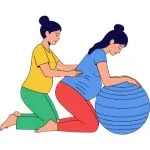
Pregnancy places increased demand on the body, affecting posture, joints, and movement. Osteopathy offers gentle hands on care to support comfort, mobility, and physical balance throughout maternity.

Upper and Lower Back Pain Injury 1

Upper and Lower Back Pain Injury

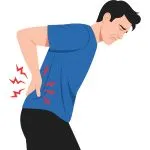
Upper and lower back pain injury affects movement, posture, and daily activity. Osteopathy focuses on joint mobility, tissue tension, and movement balance to reduce strain and restore functional comfort.

Shoulder Pain Injury

Shoulder Pain Injury

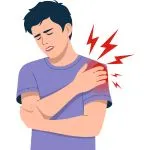
Shoulder pain injury limits arm movement and daily tasks. Osteopathy addresses joint restriction, tissue tension, and movement imbalance to restore mobility and support stable shoulder function.

Neck Pain Injury

Neck Pain Injury

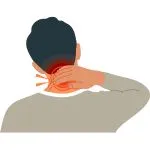
Neck pain injuries restrict movement and strain daily activity. Osteopathy focuses on joint mobility, muscle tension, and movement balance to support comfort and functional stability.

Women Pelvic Health Wellness

Women Pelvic Health Wellness

Women pelvic health wellness requires clear guidance and focused care. At Mississauga Osteopathy Clinic, you receive structured osteopathic support designed to improve pelvic function, movement, and daily comfort.

Craniosacral Therapy

Craniosacral Therapy

Our Mississauga osteopathy clinic offers Craniosacral Therapy, a gentle hands-on approach that supports natural movement of the skull and sacrum. Using light touch, your osteopath helps release restrictions, improve nervous system balance, and enhance overall body function.

About City Of Mississauga Ontario

Mississauga, Ontario, is a thriving city located along the shores of Lake Ontario, just west of Toronto. As one of Canada’s largest and fastest-growing cities, it is home to a diverse and multicultural population. With Pearson International Airport, the country’s busiest airport, and major corporate headquarters, Mississauga has established itself as a key business and economic hub in Canada. The city’s modern skyline, featuring high-rise condominiums and commercial developments, is complemented by green spaces, waterfront parks, and vibrant cultural attractions.

One of Mississauga’s most notable landmarks is Square One Shopping Centre, one of the largest malls in Canada, attracting millions of visitors each year. The downtown core is rapidly evolving, with new residential and commercial projects reshaping the city’s landscape. Meanwhile, neighborhoods like Port Credit offer a charming, lakefront lifestyle with boutique shops, cafes, and marinas, making it a popular destination for both residents and tourists. Historic Streetsville, with its small-town charm, provides a glimpse into Mississauga’s past while offering modern amenities.

About Mississauga
mississauga ontario

Mississauga is also a city committed to education and innovation, with top-rated schools, colleges, and easy access to leading universities in the Greater Toronto Area. The city’s public transit system is expanding, with new LRT and GO Transit projects aiming to enhance connectivity and reduce congestion. With a strong focus on community development and sustainability, Mississauga continues to improve its infrastructure, recreational spaces, and public services to meet the needs of its growing population.

Beyond its economic success, Mississauga is a welcoming and family-friendly city with a strong sense of community. The city hosts numerous cultural festivals, outdoor events, and recreational activities, celebrating its diverse population. Whether enjoying waterfront trails in Lakeview, exploring Erin Mills and Meadowvale’s parks, or experiencing arts and performances at the Living Arts Centre, Mississauga offers something for everyone. With its blend of urban convenience and suburban comfort, it remains a top choice for those looking to live, work, and thrive in a dynamic and inclusive environment.

Major Street Intersections
Neighbourhood
Postal Codes

Central Mississauga

  • L4Z,
  • L5B,
  • L5C

North Mississauga

  • L5N
  • L5M
  • L5V
  • L4Z
  • L5R

West Mississauga

  • L5L
  • L5M

East Mississauga

  • L4W
  • L4X
  • L4Y
  • L4Z
  • L5A

South Mississauga

  • L5G
  • L5H
  • L5J
  • L5K
  • L5E
Others

References

Cleveland Clinic. (2023, September 18). Bunions (hallux valgus). https://my.clevelandclinic.org/health/diseases/14386-bunions-hallux-valgus

Mayo Clinic. (2025, May 8). Bunions: Symptoms and causes. https://www.mayoclinic.org/diseases-conditions/bunions/symptoms-causes/syc-20354799

American Academy of Orthopaedic Surgeons. (n.d.). Bunions. OrthoInfo. https://orthoinfo.aaos.org/en/diseases–conditions/bunions/

Canadian Federation of Osteopaths. (n.d.). Osteopathy. https://www.osteopathy.ca/

Book an Osteopath Appointment With Us