
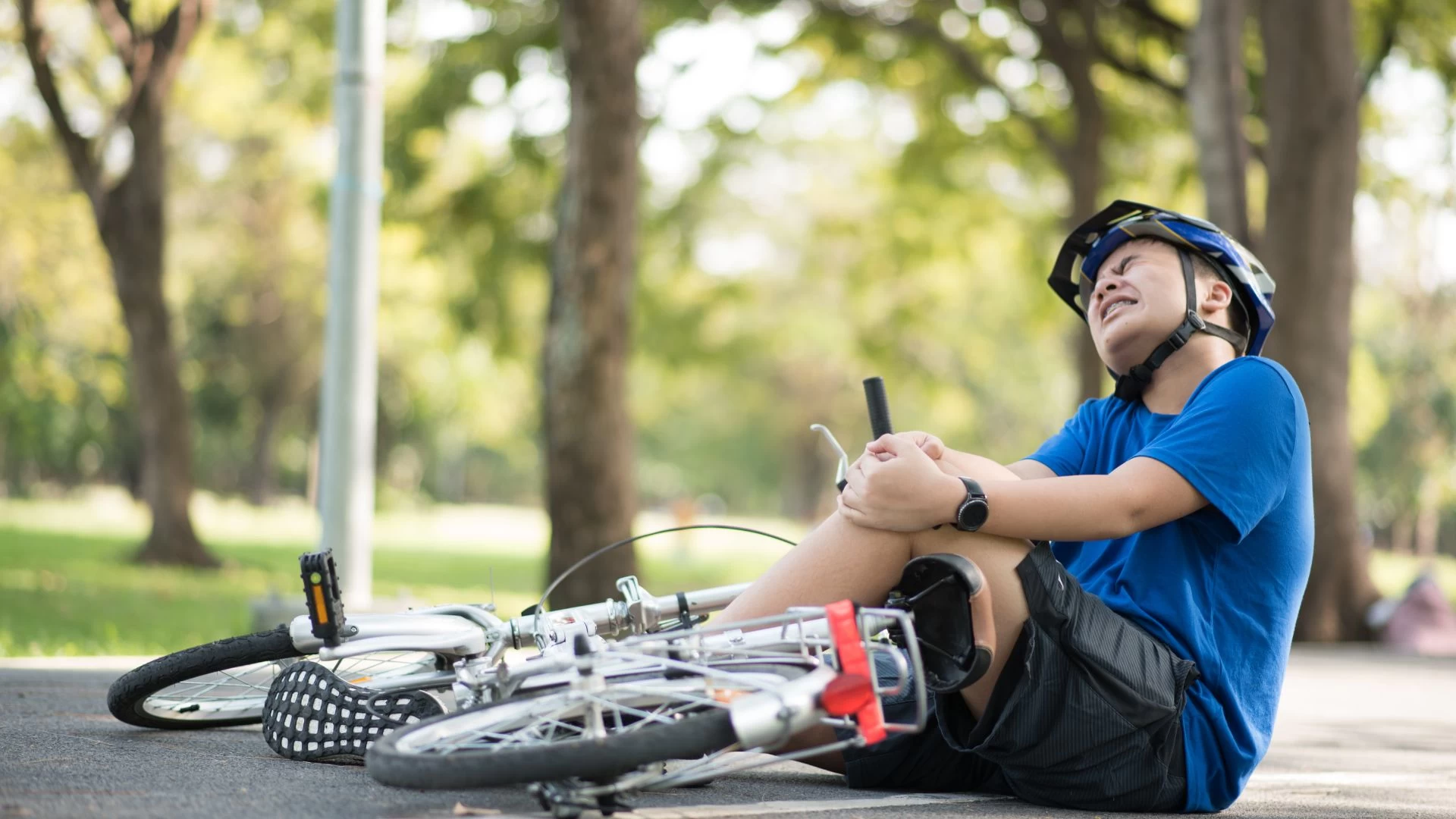
Sports injuries happen fast. A sprint feels off. A knee aches after practice. An ankle rolls. A shoulder starts to pinch during lifts. Many active people in Mississauga search for a “Mississauga Osteopath” when pain blocks training, work, or school sports.
Return-to-play needs structure. Rest alone rarely solves the problem. Pushing through pain often makes it worse. A Mississauga osteopath assesses movement, joint mechanics, tissue sensitivity, and training load. Care often includes hands-on treatment plus a staged plan to rebuild capacity.
This guide covers common sports injury patterns in Mississauga, return-to-play basics for active adults and teens, warning signs to take seriously, and what to do next. This guide also explains when to book with Mississauga Osteopathy Clinic.
Common sports injuries in active adults and teens
Different sports create different loads, but a few injuries show up often across gyms, fields, courts, and rinks.
- Lower body patterns
– Ankle sprains from basketball, soccer, volleyball, and trail running
– Knee pain from running volume, jumping, and direction changes
– Hamstring strains from sprinting and speed sessions
– Hip and groin pain from soccer, hockey, and martial arts
– Shin pain from running load spikes and footwear changes
– Achilles tendon pain from jumping and sudden volume increases - Upper body patterns
– Shoulder impingement-type pain from overhead sports and lifting
– Rotator cuff irritation from pressing and throwing
– Elbow pain from racket sports, baseball, and weight training
– Wrist and hand pain from falls, gymnastics, and combat sports - Back and rib patterns
– Low back pain from lifting, hockey, and long sitting between sessions
– Rib pain from contact, falls, and breathing mechanics issues
– Neck pain and headaches from contact, posture, and stress load
A Mississauga osteopath looks beyond the painful spot. The plan targets the movement chain that drives overload.
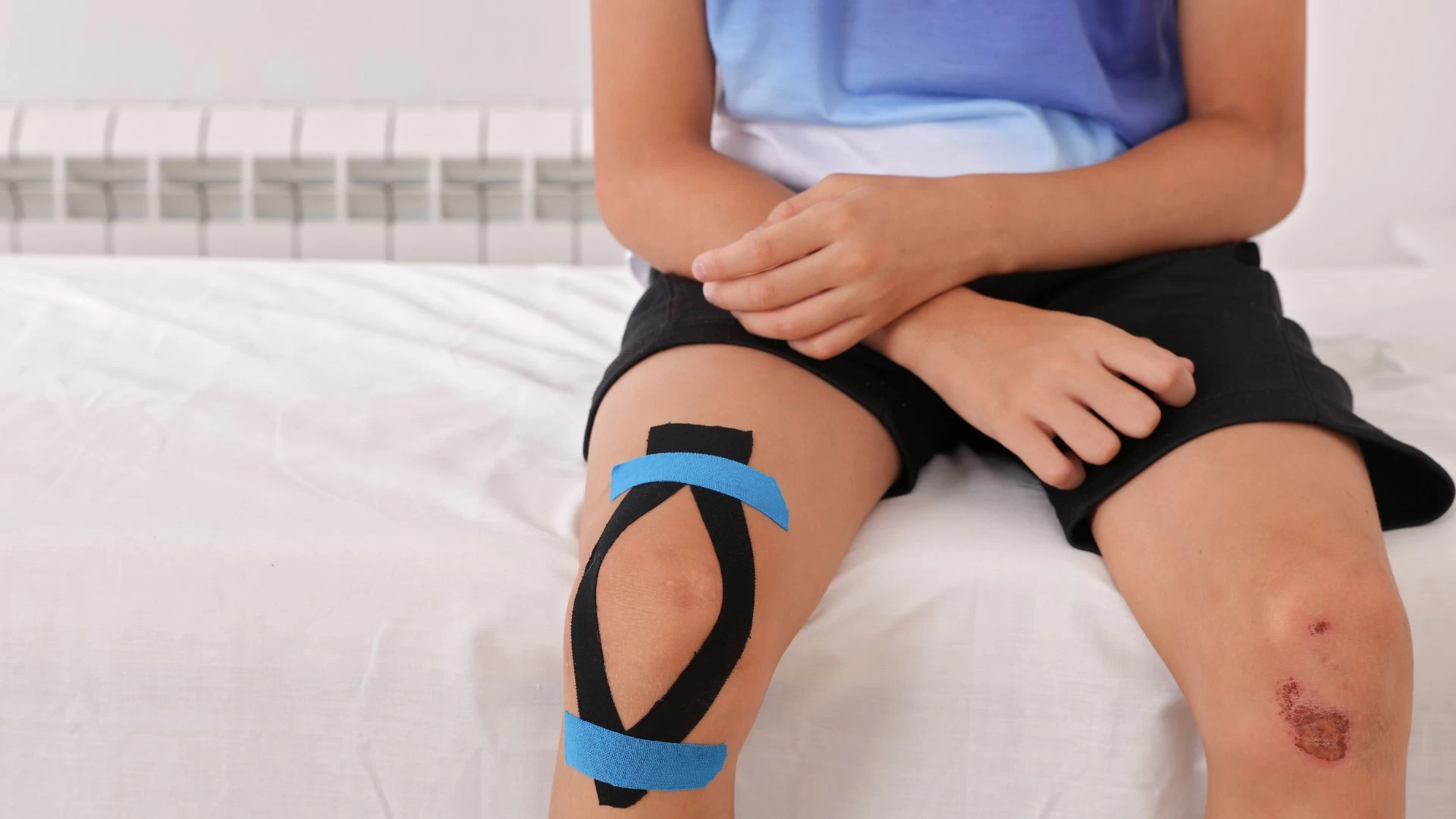
Why sports injuries keep coming back
Most recurring sports injuries follow the same cycle:
- Load rises fast
- Recovery drops
- Sleep quality drops
- Tissues get irritated
- Movement compensations appear
- The same tissue gets overloaded again
Teens face extra factors:
- Growth spurts change limb length and coordination
- School stress reduces sleep
- Tournament schedules increase load spikes
- Strength training often lags behind sport demands
Adults face extra factors:
- Desk work reduces mobility and strength
- Commutes increase stiffness
- Weekend warrior training spikes load
- Old injuries change movement patterns
Return-to-play needs a plan that matches real life in Mississauga.
Return-to-play basics. What matters most
Return-to-play means you return to sport with low risk of re-injury. A good plan focuses on these pillars:
- Pain control and symptom stability
- Restored range of motion
- Restored strength and endurance
- Restored speed and power
- Restored coordination and confidence
- Gradual exposure to sport-specific drills
A “Mississauga Osteopath” can help organize these steps and keep progression safe.
The return-to-play timeline depends on the injury. The principles stay the same.
Step 1. Protect the injury without shutting down movement
In the first few days, reduce activities that spike pain. Keep safe movement to prevent stiffness and loss of control.
Examples:
- After ankle sprain, use short walks and gentle range work
- After hamstring strain, avoid sprinting and long strides, keep light movement
- After shoulder irritation, pause heavy pressing, keep pain-free mobility
Step 2. Get symptoms stable
- Aim for predictable symptoms.
- Pain stays mild during daily tasks
- Pain returns to baseline by the next morning
- Swelling does not increase day by day
- Sleep improves
If symptoms keep rising, you need a change in load or a medical assessment.
Step 3. Restore range of motion
Range loss changes mechanics and increases overload elsewhere. Restore motion first, then strengthen into that motion.
Common examples:
- Ankle dorsiflexion after ankle sprain
- Hip rotation after groin strain
- Thoracic extension after shoulder pain
- Shoulder external rotation after overhead injury
A Mississauga osteopathy checks which ranges matter for your sport.
Step 4. Rebuild strength and endurance
Strength protects joints and tendons. Endurance protects you late in games and practices.
Start with:
- Isometrics when pain stays sensitive
- Slow controlled strength through a comfortable range
- Single-leg control drills for lower body injuries
- Scapular control and rotator cuff endurance for shoulder injuries
Keep effort moderate at first. Build weekly.
Step 5. Rebuild speed, power, and deceleration
Many re-injuries happen when athletes return to high-speed work too soon.
Progression examples:
- Walk to jog
- Jog to stride
- Stride to sprint
- Sprinting in straight line before cutting
- Jumping in place before jumping and landing with direction change
- Light contact before full contact
Teens need special care with jumping, sprinting, and cutting volume.
Step 6. Restore sport-specific skills
Sport-specific skills include:
- Cutting, pivoting, and acceleration
- Throwing, serving, and overhead work
- Contact tolerance in hockey, football, and martial arts
- Change of direction under fatigue
Return-to-play must include these drills before full return.
Step 7. Return to full practice, then games
- Return to full practice first. Games add intensity, unpredictability, and emotion. Games increase risk.
- A simple rule works well: Practice at full intensity without flare-up for 1 to 2 weeks before full game return
- For tournament schedules, a Mississauga osteopath can help manage load between games.
Simple checks before you return to play
These checks guide readiness. Do not force them if pain spikes sharply.
- Lower body readiness checks
– Single-leg balance for 30 seconds without wobble
– Single-leg calf raises, 20 reps with good form
– Step-down control, 10 reps without knee collapse
– Single-leg hop in place, 10 hops without pain, wobble, or fear
– Jog for 10 minutes without symptoms increasing next morning - Upper body readiness checks
– Full shoulder range without sharp pain
– Pain-free push-up or incline push-up set
– Pain-free overhead reach and controlled lowering
– Band external rotation endurance without flare-up
– Throwing or serving progressions without pain increase next day - Back readiness checks
– Pain-free hinge and squat pattern
– Walking tolerance for 30 minutes
– Light lifting without next-day flare-up
– Rotation tolerance for sport demands
A Mississauga osteopath can choose tests that match your sport.

Warning signs that need medical assessment
Seek medical assessment when you notice:
- Severe swelling after injury
- Inability to bear weight after ankle or knee injury
- A pop with immediate loss of function
- Knee locking, giving way, or catching
- Visible deformity
- Severe pain after trauma
- Numbness, weakness, or symptoms spreading down an arm or leg
- Suspected concussion symptoms after contact, such as headache, dizziness, confusion, nausea, or vision issues
For concussion concerns, stop sport and seek medical care. Do not return the same day.
What a Mississauga osteopath does for sports injuries
A Mississauga osteopath assesses the whole movement chain and the training context. This matters for return-to-play.
Assessment often includes:
- Injury history and sport demands
- Movement testing and range of motion
- Strength and control testing
- Balance and coordination testing
- Joint mechanics testing
- Tendon and muscle sensitivity checks
- Load review, such as practices per week, minutes played, and recent spikes
Treatment often includes:
- Soft tissue work to reduce guarding
- Joint mobilization to restore key range
- Rib and thoracic work to improve breathing and upper body mechanics
- Guidance on return-to-run or return-to-lift progression
- Simple home plan for mobility and strength
Mississauga Osteopathy Clinic builds plans for active adults and teens with real schedules.
Common mistakes that delay return-to-play
Avoid these:
- Returning when pain still rises the next morning
- Skipping strength and going straight to sport drills
- Returning to cutting and sprinting too soon
- Ignoring sleep and recovery
- Doing random exercises without a clear goal
- Changing shoes, technique, and training volume all at once
- Training through pain due to pressure from schedules
Progress needs structure. Small increases work better than big jumps.
Return-to-play tips for teens
Teens often feel pressure to return fast. Use these tips:
- Track training minutes weekly
- Avoid two hard days in a row during return phase
- Prioritize sleep and food intake
- Build strength twice weekly, even in-season
- Avoid sudden spikes after exams or holidays
A Mississauga osteopath can help set a plan that reduces risk during growth and high schedules.
Return-to-play tips for active adults
Adults often juggle work and family. Use these tips:
- Warm up longer, especially after desk work
- Break up sitting during the day to protect hips and ankles
- Strength train two days per week for injury resilience
- Build running volume slowly, especially after time off
- Use recovery days after intense sessions
- Respect early warning signals, especially next-day pain spikes
When to book at Mississauga Osteopathy Clinic
Book with a Mississauga osteopath when:
- Pain lasts more than 7 to 14 days
- A sprain or strain keeps returning
- You feel weakness, instability, or loss of confidence
- You want a structured return-to-play plan
- You want sport-specific progression and movement testing
- You want guidance for a teen athlete with a busy schedule
Mississauga Osteopathy Clinic can assess your injury, identify the key movement and load drivers, and guide return-to-play steps safely.
Mississauga Osteopathy Clinic
https://www.mississaugaosteopathyclinic.com/