

Osteopathy prioritizes your physical well-being, fostering mobility, pain relief, vitality, and overall happiness in Mississauga.

About Mississauga Osteopathy

Our Excellent Osteopathy Service in Mississauga for individuals experiencing shoulder pain, joint dysfunction, and musculoskeletal injuries such as weightlifter’s shoulder.

Our approach focuses on identifying the underlying cause of shoulder stress and restoring natural joint mechanics. We use osteopathic manual therapy techniques to improve mobility, reduce inflammation, and support the body’s natural healing process.

Through comprehensive assessment and personalized care, we work to relieve shoulder pain, restore movement, and help patients safely return to daily activities, sports, and strength training.

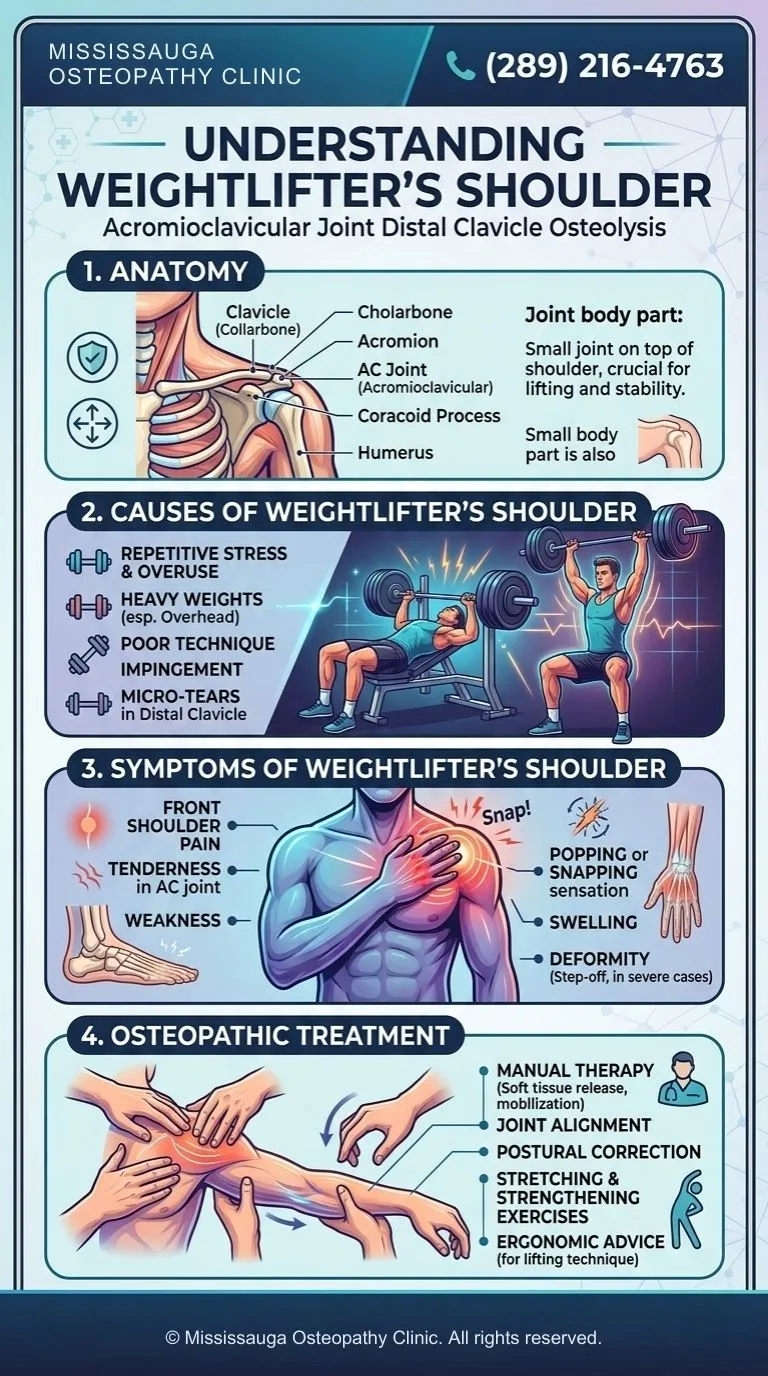
Weightlifter’s Shoulder - Infographic - Mississauga Osteopathy Clinic

Top-Rated Mississauga Osteopathic Manual Practitioners

Amanpreet Kaur - Osteopathic Practitioner - CPMDQ Licensed Practitioner - ACMA Member

Amanpreet Kaur (CPMDQ), ACMA Manual Osteopathic Practitioner

Sharenpreet-Kaur-Osteopathy-in-Mississauga

Sharanpreet Kaur (D.O.M.P), Manual Osteopathic Practitioner

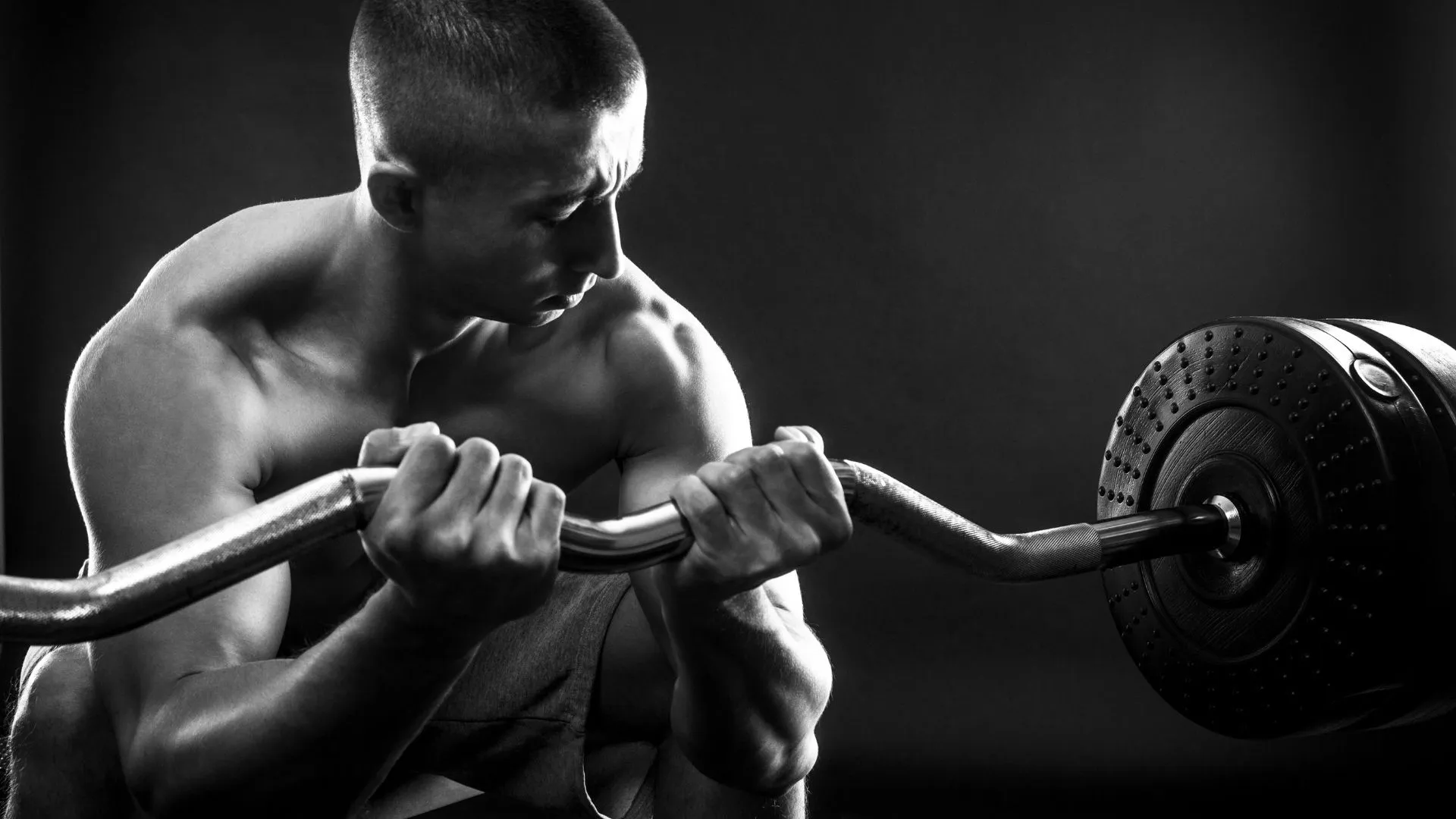
Weightlifter’s shoulder refers to a painful condition involving the distal end of the clavicle, commonly known as the collarbone. The condition occurs when repeated stress causes tiny fractures in the end portion of the clavicle near the shoulder. Over time, these repeated micro-injuries can lead to bone breakdown, a process known as osteolysis.

Although the condition is frequently seen in weightlifters, it can also affect many other individuals who perform repetitive upper-body activities. Female bodybuilders, soldiers, construction workers who operate air hammers, and athletes involved in throwing or overhead sports may also develop this problem. Because of this, the condition is often referred to medically as distal clavicular osteolysis (DCO).

Understanding how this condition develops, how it is diagnosed, and which treatments are available can help patients manage symptoms and return safely to normal activity.
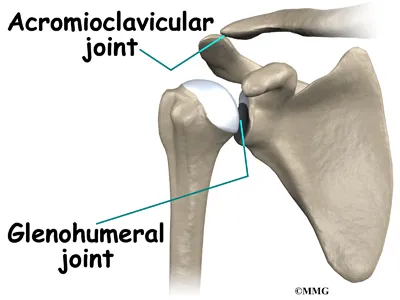
Anatomy

The shoulder joint is formed by three important bones:

  • The scapula (shoulder blade)

  • The humerus (upper arm bone)

  • The clavicle (collarbone)

Weightlifter’s shoulder primarily affects the acromioclavicular (AC) joint, which is the connection between the clavicle and a part of the shoulder blade called the acromion. The acromion forms the top of the shoulder and extends outward from the scapula.

When the clavicle meets the acromion, the AC joint is formed at the front and top portion of the shoulder. This joint allows subtle movement that helps coordinate shoulder motion during lifting, reaching, and pushing activities.

Several ligaments and soft tissues stabilize this joint. These include the coracoclavicular ligament, the superior and inferior AC ligaments, and the AC joint capsule. Between the clavicle and the acromion lies a small fibrocartilaginous disc that acts as a cushion and helps distribute forces placed on the joint during movement.

Shoulder Distal Clav Osteolysis Anatomy

Causes of Weightlifter’s Shoulder

Weightlifter’s shoulder is typically caused by repetitive stress and overuse of the AC joint. Activities that place repeated strain on the shoulder can lead to microscopic fractures at the end of the clavicle.

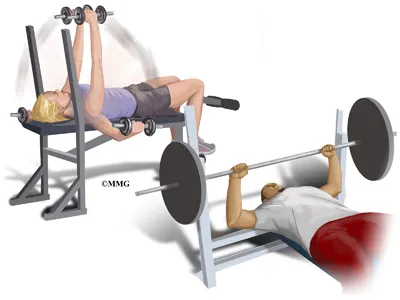
Exercises such as bench presses, chest fly movements, dips, and heavy overhead lifts can place significant traction on the AC joint. When the elbows drop below the level of the torso during these movements, the shoulder moves into excessive extension. This position increases stress at the end of the clavicle.

If the bone does not have enough time to recover between training sessions, the body may not fully repair the small fractures. Instead, the bone may gradually break down and become resorbed.

In some individuals, the condition develops after a previous AC joint injury. However, many people experience distal clavicular osteolysis without a specific traumatic event. Repetitive activity affecting the upper extremity is usually the primary factor.

During the body’s attempt to repair the injured area, new blood vessels develop around the damaged bone. Chronic inflammation may occur, and scar tissue called fibrosis can form in the surrounding structures.

The lining of the joint, known as the synovial membrane, may also begin to thicken and grow excessively. Over time, this process can invade nearby bone structures and eventually lead to degenerative joint changes in the AC joint.

Shoulder Distal Clav Osteolysis Causes

Symptoms of Weightlifter’s Shoulder

The most common symptom is aching pain at the front and top of the shoulder, specifically around the AC joint.

Pressing on the joint often produces tenderness and discomfort. Because the condition involves gradual bone deterioration, patients may also experience weakness in the shoulder.

Pain is frequently most noticeable after intense training sessions, particularly the night following a heavy workout or competition.

Certain movements may worsen symptoms. Activities that bring the arm across the body, such as reaching or lifting, often trigger discomfort. Exercises that place heavy loads on the shoulders can also increase pain.

Movements that may aggravate symptoms include:

  • Bench presses

  • Push-ups

  • Parallel bar dips

  • Power cleans

  • Throwing activities

Sleeping on the affected shoulder may also cause pain and disrupt sleep.

Diagnosis

Diagnosis typically begins with a detailed medical history and physical examination. The physician will ask questions about training habits, past shoulder injuries, and the types of activities that trigger symptoms.

During the physical examination, the doctor carefully moves and palpates the shoulder joint to determine the exact source of pain. Although this evaluation may cause temporary discomfort, it helps identify the structures involved.

Imaging tests are often used to confirm the diagnosis. X-rays can reveal bone changes at the end of the clavicle. In some cases, additional tests such as a bone scan (scintigraphy) may be used to detect areas of increased bone activity.

A steroid injection into the AC joint may also be used as a diagnostic tool. When the injection relieves pain, it confirms that the AC joint is the source of the symptoms. In some cases, a CT-guided injection may be performed to provide both diagnostic information and temporary symptom relief.

Nonsurgical Treatment

Initial treatment for weightlifter’s shoulder usually focuses on conservative care. This includes modifying activities that place excessive stress on the AC joint.

Resting the shoulder and adjusting weightlifting techniques are important first steps. Avoiding overtraining and stopping activities that cause pain can significantly improve recovery.

Working with a physical therapist or experienced trainer may help modify lifting techniques. For example, narrowing hand placement during barbell exercises can reduce stress on the distal clavicle.

Some athletes shorten the range of motion during bench presses by stopping slightly above the chest. Placing a folded towel on the chest can act as a reminder to maintain the correct movement depth.

Other modifications may include adjusting power clean techniques or temporarily avoiding exercises such as dips, push-ups, and heavy presses.

Applying ice after workouts and using anti-inflammatory medication, such as ibuprofen, may help reduce pain and inflammation.

Athletes must follow these modifications carefully. Continuing to train through pain without adjusting technique can worsen the condition.

Nonsurgical Rehabilitation

Patients treated without surgery typically experience gradual improvement as inflammation decreases and the shoulder heals.

Rehabilitation focuses on restoring shoulder strength, flexibility, and proper movement patterns. A therapist may guide exercises that help stabilize the shoulder blade and improve overall shoulder mechanics.

Gradually returning to normal activity while avoiding excessive stress on the joint is an important part of the recovery process.

Some athletes who continue training despite pain may unknowingly cause the bone to gradually break down further. In such cases, the body may effectively perform its own form of bone resection, though this may cause increased inflammation and delayed recovery.

Recovery After Surgery

Many experienced athletes can resume careful training shortly after surgery. Some may return to light activity within several days and resume more intensive training within a week.

Pain relief is achieved in the majority of patients, allowing them to return to previous levels of strength training. Some individuals even report improved lifting performance once the pain has resolved.

Manual laborers may also return to work relatively quickly after recovery.

However, patients should be aware that complications can occur. Abnormal movement of the AC joint may lead to persistent symptoms. Other potential risks include muscle injury, bleeding, infection, or fracture of the clavicle during the procedure.

Smoking can increase the risk of poor wound healing and unsuccessful surgical outcomes.

Our osteopathy services in Mississauga focuses on hands on care to restore movement, reduce pain, and improve physical function. Each session includes a full assessment of posture, mobility, and injury history to guide precise treatment. Care targets joint restriction, muscle tension, and circulation limits to support faster recovery and daily comfort. Services support injury recovery, chronic pain relief, postural correction, and long term physical balance.

Ankle Pain and Foot Injury

Ankle Pain and Foot Injury

Ankle pain and foot injury disrupt walking, balance, and daily movement. Osteopathy addresses joint restriction, tissue tension, and movement imbalance to restore mobility and support stable, pain free function.

Hip Pain and Knee Injury

Hip Pain and Knee Injury

Hip pain and knee injury affect walking, sitting, and daily movement. Osteopathy focuses on joint mobility, muscle balance, and movement control to reduce strain and support long term function.

Children and Youth Injuries

Infants/Children and Youth Injuries

Infants, children, and youth injuries affect movement, posture, and development. Osteopathy focuses on gentle hands on care to address tissue tension, joint restriction, and movement imbalance for healthy growth and function.

Migraines and Headaches

Migraines and Headaches

Migraines and headaches disrupt focus, sleep, and daily function. Osteopathy focuses on reducing tension, improving circulation, and restoring movement balance to support consistent relief and long term comfort.

Maternity and Pregnancy

Maternity and Pregnancy

Pregnancy places increased demand on the body, affecting posture, joints, and movement. Osteopathy offers gentle hands on care to support comfort, mobility, and physical balance throughout maternity.

Upper and Lower Back Pain Injury 1

Upper and Lower Back Pain Injury

Upper and lower back pain injury affects movement, posture, and daily activity. Osteopathy focuses on joint mobility, tissue tension, and movement balance to reduce strain and restore functional comfort.

Shoulder Pain Injury

Shoulder Pain Injury

Shoulder pain injury limits arm movement and daily tasks. Osteopathy addresses joint restriction, tissue tension, and movement imbalance to restore mobility and support stable shoulder function.

Neck Pain Injury

Neck Pain Injury

Neck pain injuries restrict movement and strain daily activity. Osteopathy focuses on joint mobility, muscle tension, and movement balance to support comfort and functional stability.

Women Pelvic Health Wellness

Women Pelvic Health Wellness

Women pelvic health wellness requires clear guidance and focused care. At Mississauga Osteopathy Clinic, you receive structured osteopathic support designed to improve pelvic function, movement, and daily comfort.

Craniosacral Therapy

Craniosacral Therapy

Our Mississauga osteopathy clinic offers Craniosacral Therapy, a gentle hands-on approach that supports natural movement of the skull and sacrum. Using light touch, your osteopath helps release restrictions, improve nervous system balance, and enhance overall body function.

About City Of Mississauga Ontario

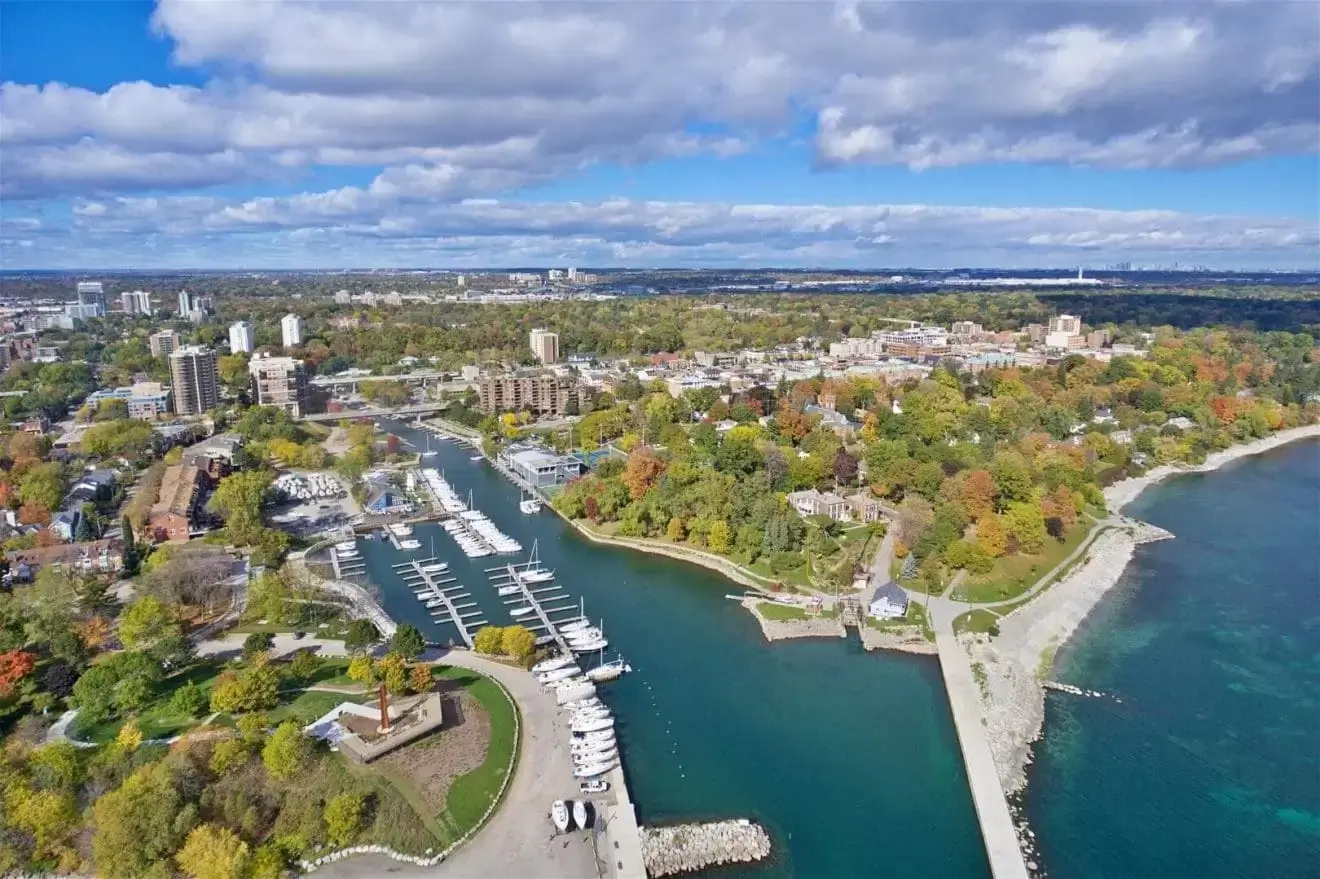
Mississauga, Ontario, is a thriving city located along the shores of Lake Ontario, just west of Toronto. As one of Canada’s largest and fastest-growing cities, it is home to a diverse and multicultural population. With Pearson International Airport, the country’s busiest airport, and major corporate headquarters, Mississauga has established itself as a key business and economic hub in Canada. The city’s modern skyline, featuring high-rise condominiums and commercial developments, is complemented by green spaces, waterfront parks, and vibrant cultural attractions.

One of Mississauga’s most notable landmarks is Square One Shopping Centre, one of the largest malls in Canada, attracting millions of visitors each year. The downtown core is rapidly evolving, with new residential and commercial projects reshaping the city’s landscape. Meanwhile, neighborhoods like Port Credit offer a charming, lakefront lifestyle with boutique shops, cafes, and marinas, making it a popular destination for both residents and tourists. Historic Streetsville, with its small-town charm, provides a glimpse into Mississauga’s past while offering modern amenities.

About Mississauga
mississauga ontario

Mississauga is also a city committed to education and innovation, with top-rated schools, colleges, and easy access to leading universities in the Greater Toronto Area. The city’s public transit system is expanding, with new LRT and GO Transit projects aiming to enhance connectivity and reduce congestion. With a strong focus on community development and sustainability, Mississauga continues to improve its infrastructure, recreational spaces, and public services to meet the needs of its growing population.

Beyond its economic success, Mississauga is a welcoming and family-friendly city with a strong sense of community. The city hosts numerous cultural festivals, outdoor events, and recreational activities, celebrating its diverse population. Whether enjoying waterfront trails in Lakeview, exploring Erin Mills and Meadowvale’s parks, or experiencing arts and performances at the Living Arts Centre, Mississauga offers something for everyone. With its blend of urban convenience and suburban comfort, it remains a top choice for those looking to live, work, and thrive in a dynamic and inclusive environment.

Major Street Intersections
Neighbourhood
Postal Codes

Central Mississauga

  • L4Z,
  • L5B,
  • L5C

North Mississauga

  • L5N
  • L5M
  • L5V
  • L4Z
  • L5R

West Mississauga

  • L5L
  • L5M

East Mississauga

  • L4W
  • L4X
  • L4Y
  • L4Z
  • L5A

South Mississauga

  • L5G
  • L5H
  • L5J
  • L5K
  • L5E
Others

References

Backcountry Physical Therapy – Weightlifter’s Shoulder https://www.backcountry.physio/weightlifters-shoulder/

Shoulder & Elbow Specialist – Weightlifter’s Shoulder (Distal Clavicular Osteolysis) https://www.shoulderandelbowspecialist.co.uk/weightlifters-shoulder-consultant-orthopaedic-surgeon-hertfordshire.html

Revere Health – What You Need to Know About Weightlifter’s Shoulder https://reverehealth.com/live-better/what-you-need-to-know-about-weightlifters-shoulder/

BOOK AN APPOINTMENT WITH US