Mississauga Osteopathy Clinic, Call: (289) 216-4763 | An Osteopathy approach for Pain Management

Triangular Interval & Quadrilateral Space Syndrome

Triangular Interval & Quadrilateral Space Syndrome, Mississauga

Osteopathy prioritizes your physical well-being, fostering mobility, pain relief, vitality, and overall happiness in Mississauga.

Professional Osteopathy in Mississauga

Our Excellent Osteopathy Service in Mississauga for individuals experiencing shoulder pain, nerve compression conditions, and musculoskeletal dysfunctions affecting the shoulder and upper extremity.

Our approach focuses on identifying the underlying mechanical causes of nerve irritation and joint dysfunction. Through detailed assessment and osteopathic manual therapy techniques, we work to restore healthy movement patterns, reduce tissue tension, and support the body’s natural healing process.

By improving shoulder mobility, muscle balance, and overall joint function, we help patients reduce pain, regain stability, and safely return to daily activities, sports, and work.

 
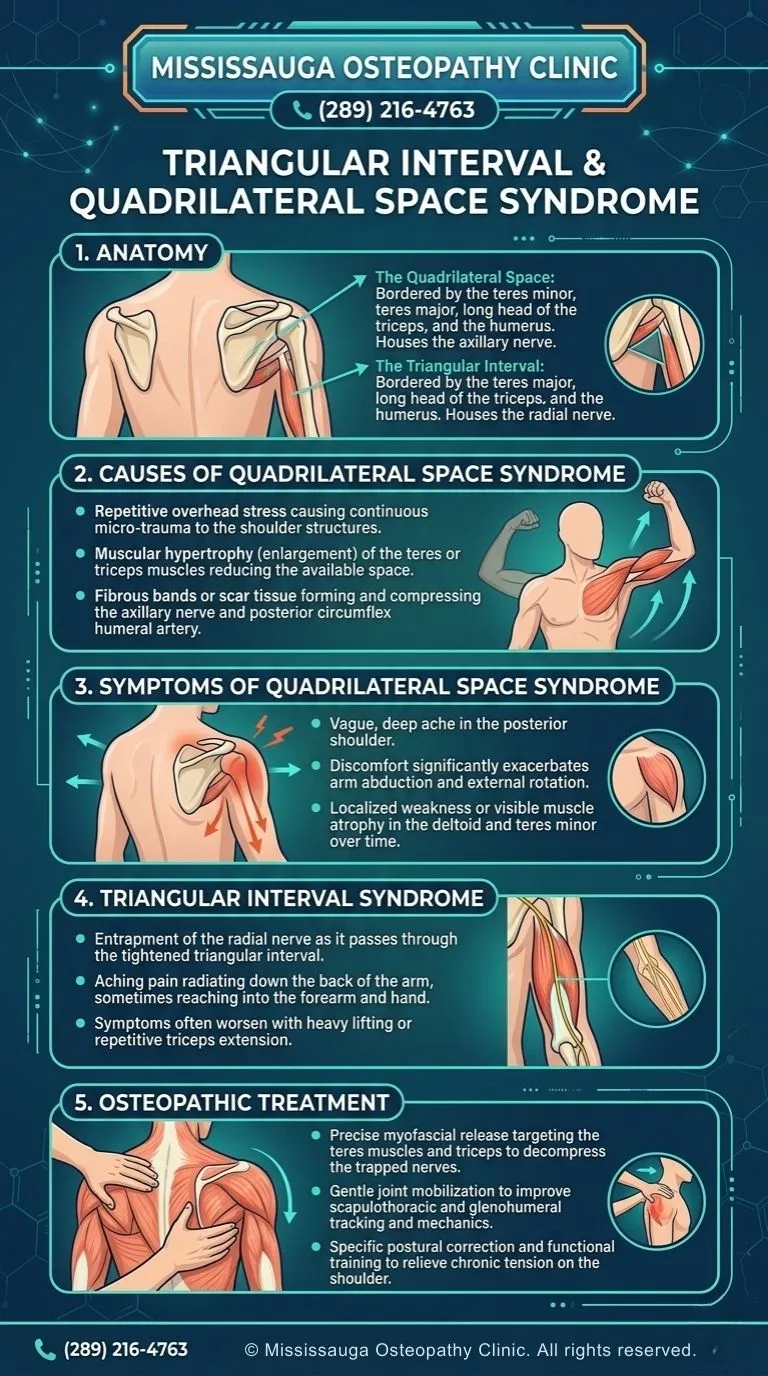
Triangular Interval Quadrilateral Space Syndrome Infographic Mississauga Osteopathy Clinic

Top-Rated Mississauga Osteopathic Manual Practitioners

Amanpreet Kaur - Osteopathic Practitioner - CPMDQ Licensed Practitioner - ACMA Member

Amanpreet Kaur (CPMDQ), ACMA Manual Osteopathic Practitioner

Sharenpreet-Kaur-Osteopathy-in-Mississauga

Sharanpreet Kaur (D.O.M.P), Manual Osteopathic Practitioner

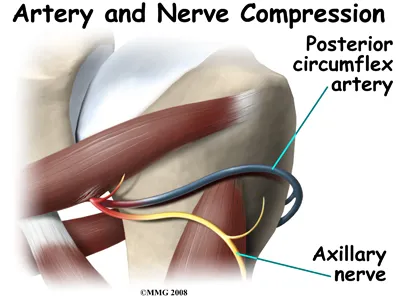
Quadrilateral Space Syndrome (QSS) is a condition that occurs when the axillary nerve becomes compressed or irritated in the back portion of the shoulder, often leading to shoulder pain and discomfort in the affected area. In some cases, the symptoms may also involve compression of the posterior circumflex humeral artery, which travels through the same anatomical region.

This condition is often associated with repetitive overhead activities. Athletes who participate in sports such as throwing, swimming, or other overhead movements may develop the syndrome due to repeated stress on the shoulder structures. Quadrilateral space syndrome may also occur after a traumatic injury, including shoulder dislocation.

When the nerve or surrounding structures become compressed, individuals may experience pain, weakness, or altered sensation around the shoulder and upper arm.

Anatomy

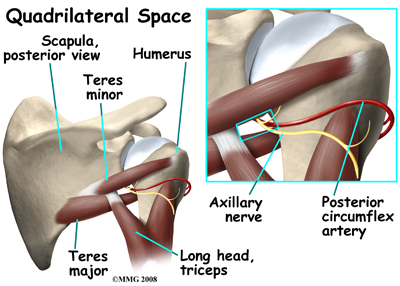
The quadrilateral space is a small anatomical region located at the back of the shoulder where the shoulder meets the upper arm. The name “quadrilateral” refers to the four-sided shape of this space.

The borders of the quadrilateral space are formed by several structures:

  • The teres minor muscle forms the upper boundary

  • The teres major muscle forms the lower boundary

  • The long head of the triceps muscle creates the inner boundary

  • The humerus (upper arm bone) forms the outer boundary

Two important structures pass through this space: the axillary nerve and the posterior circumflex humeral artery. When either structure becomes compressed or irritated within this confined area, symptoms associated with quadrilateral space syndrome can develop.

The axillary nerve is a peripheral nerve, meaning it travels outside the spinal cord to supply muscles and sensation to specific areas of the body. Peripheral nerves in the shoulder originate from nerve roots in the cervical spine, which combine to form a network called the brachial plexus.

The axillary nerve is primarily formed from the C5 and C6 cervical nerve roots. This nerve provides motor control to the deltoid muscle and the teres minor muscle, both of which are essential for shoulder movement and stability. It also provides sensation to part of the shoulder joint.

The main shoulder joint is called the glenohumeral joint, a ball-and-socket structure formed by the head of the humerus and the glenoid portion of the scapula.

The shoulder joint relies heavily on surrounding muscles for stability. Among the most important stabilizers are the rotator cuff muscles, which include:

  • Supraspinatus

  • Infraspinatus

  • Teres minor

  • Subscapularis

These muscles form a supportive cuff around the shoulder joint. Because the symptoms of quadrilateral space syndrome may resemble rotator cuff injuries, the condition is sometimes initially mistaken for rotator cuff dysfunction.

2

Causes of Quadrilateral Space Syndrome

One of the most common causes of quadrilateral space syndrome is repetitive stress on the shoulder. Activities that involve repeated overhead arm movement place continuous strain on the structures surrounding the quadrilateral space.

Sports such as baseball pitching, swimming, and other overhead athletics frequently involve movements that can contribute to nerve compression.

Young athletes who specialize in a single sport at an early age may face a higher risk due to repeated use of the same movement patterns. Improper training techniques may also increase stress on the shoulder joint and surrounding muscles.

Compression of the axillary nerve often occurs when fibrous bands or abnormal tissue formations develop in the quadrilateral space. These bands may reduce the available space and compress the nerve or nearby artery.

In many cases, nerve damage associated with this condition is a mild injury called neuropraxia. This form of nerve injury usually recovers completely over time because the nerve structure remains intact.

The axillary nerve is relatively short, which allows it to recover more quickly compared with longer nerves in the body.

Quadrilateral space syndrome may also develop after certain injuries or external pressure. Carrying a heavy backpack for prolonged periods can compress the nerve in some individuals. Improper use of crutches may also place pressure on the axillary nerve.

A common traumatic cause of quadrilateral space syndrome is shoulder dislocation. Studies suggest that this syndrome may occur in approximately 10 to 60 percent of shoulder dislocation cases, depending on the type of injury and surrounding tissue damage.

Direct trauma to the back of the shoulder can also irritate the nerve and contribute to the development of this condition.

6 1

Symptoms of Quadrilateral Space Syndrome

The symptoms of quadrilateral space syndrome can vary but typically involve pain and sensory changes around the shoulder and upper arm.

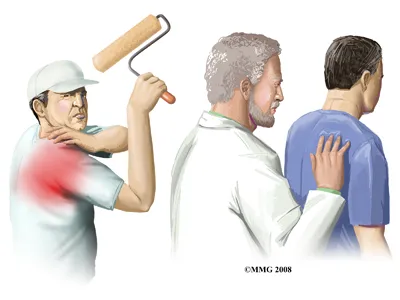
Many individuals experience a dull, aching pain in the back or side of the shoulder. The discomfort may increase when the arm is raised repeatedly above the head.

Other symptoms may include:

  • Numbness or tingling in the upper arm

  • Tenderness when pressure is applied over the quadrilateral space

  • Shoulder weakness during certain movements

  • Reduced stability in the shoulder joint

Because these symptoms are similar to those seen in other shoulder conditions, quadrilateral space syndrome can sometimes be overlooked or misdiagnosed.

9

Diagnosis

A healthcare provider typically begins the diagnostic process with a detailed medical history and physical examination.

Questions may focus on recent injuries, sports participation, repetitive activities, and the specific symptoms experienced by the patient.

During the physical examination, shoulder movement and strength are carefully evaluated. The physician may test the range of motion, reflexes, and sensation in the shoulder and arm.

Pressure may also be applied to different areas of the shoulder to identify regions of tenderness or nerve irritation.

In some cases, weakness of the teres minor muscle or deltoid muscle may be observed. Muscle wasting in these areas can provide clues that the axillary nerve is involved.

The physician may also evaluate the stability of the glenohumeral joint, as instability can sometimes occur alongside nerve compression.

Additional diagnostic tests may be recommended to better understand the underlying cause of the symptoms.

Nonsurgical Treatment

In most cases, quadrilateral space syndrome improves with conservative treatment.

Resting the shoulder and temporarily stopping activities that trigger symptoms is often the first step in recovery. Athletes may benefit from adjusting their throwing mechanics or training techniques.

Anti-inflammatory medications, such as ibuprofen or naproxen, may help reduce pain and inflammation. Applying heat or cold packs to the shoulder may also provide symptom relief.

Physical therapy is commonly recommended to restore shoulder mobility, improve muscle balance, and reduce pressure on the axillary nerve.

Rehabilitation programs typically focus on improving shoulder stability, flexibility, and strength, which helps protect the nerve from further irritation.

Triangular Interval Syndrome

Triangular Interval Syndrome (TIS) is another condition involving nerve compression in the shoulder region. In this condition, the radial nerve becomes entrapped within a structure known as the triangular interval.

The triangular interval is a small anatomical passage in the posterior shoulder region through which the radial nerve and the profunda brachii artery travel. Because these structures pass through a confined space, they may become compressed when surrounding tissues change in size or tension.

Research based on anatomical studies suggests that fibrous bands often exist between the teres major muscle and the triceps muscle. When these bands are present, shoulder movement may reduce the size of the triangular interval, increasing pressure on the radial nerve.

Certain resting shoulder positions may also contribute to this condition. When the arm remains in adduction and internal rotation with forward scapular positioning, the teres major muscle can remain in a shortened state. Over time, this shortened position may lead to muscle tightness or contracture.

Muscle hypertrophy from weight training may also narrow the triangular interval. Enlargement of the teres major or triceps muscles can place additional pressure on the radial nerve.

Shoulder stiffness caused by capsular tightness may further contribute to this process by limiting external rotation and encouraging adaptive shortening of the shoulder’s internal rotator muscles, particularly the teres major and subscapularis.

These structural changes may create tension along the radial nerve. As a result, some individuals experience lateral arm pain that may originate from nerve irritation rather than from the shoulder joint itself.

The triceps brachii muscle may also contribute to radial nerve compression when the muscle becomes enlarged or hypertrophied. In some individuals, a fibrous arch between the long head and lateral head of the triceps may further narrow the triangular interval.

Activities involving repeated forceful elbow extension, such as punching motions in sports or intense weight training exercises, may increase the risk of nerve compression within this region.


Our osteopathy services in Mississauga focuses on hands on care to restore movement, reduce pain, and improve physical function. Each session includes a full assessment of posture, mobility, and injury history to guide precise treatment. Care targets joint restriction, muscle tension, and circulation limits to support faster recovery and daily comfort. Services support injury recovery, chronic pain relief, postural correction, and long term physical balance.

Ankle Pain and Foot Injury

Ankle Pain and Foot Injury

Ankle pain and foot injury disrupt walking, balance, and daily movement. Osteopathy addresses joint restriction, tissue tension, and movement imbalance to restore mobility and support stable, pain free function.

Hip Pain and Knee Injury

Hip Pain and Knee Injury

Hip pain and knee injury affect walking, sitting, and daily movement. Osteopathy focuses on joint mobility, muscle balance, and movement control to reduce strain and support long term function.

Children and Youth Injuries

Infants/Children and Youth Injuries

Infants, children, and youth injuries affect movement, posture, and development. Osteopathy focuses on gentle hands on care to address tissue tension, joint restriction, and movement imbalance for healthy growth and function.

Migraines and Headaches

Migraines and Headaches

Migraines and headaches disrupt focus, sleep, and daily function. Osteopathy focuses on reducing tension, improving circulation, and restoring movement balance to support consistent relief and long term comfort.

Maternity and Pregnancy

Maternity and Pregnancy

Pregnancy places increased demand on the body, affecting posture, joints, and movement. Osteopathy offers gentle hands on care to support comfort, mobility, and physical balance throughout maternity.

Upper and Lower Back Pain Injury 1

Upper and Lower Back Pain Injury

Upper and lower back pain injury affects movement, posture, and daily activity. Osteopathy focuses on joint mobility, tissue tension, and movement balance to reduce strain and restore functional comfort.

Shoulder Pain Injury

Shoulder Pain Injury

Shoulder pain injury limits arm movement and daily tasks. Osteopathy addresses joint restriction, tissue tension, and movement imbalance to restore mobility and support stable shoulder function.

Neck Pain Injury

Neck Pain Injury

Neck pain injuries restrict movement and strain daily activity. Osteopathy focuses on joint mobility, muscle tension, and movement balance to support comfort and functional stability.

Women Pelvic Health Wellness

Women Pelvic Health Wellness

Women pelvic health wellness requires clear guidance and focused care. At Mississauga Osteopathy Clinic, you receive structured osteopathic support designed to improve pelvic function, movement, and daily comfort.

Craniosacral Therapy

Craniosacral Therapy

Our Mississauga osteopathy clinic offers Craniosacral Therapy, a gentle hands-on approach that supports natural movement of the skull and sacrum. Using light touch, your osteopath helps release restrictions, improve nervous system balance, and enhance overall body function.

About City Of Mississauga Ontario

Mississauga, Ontario, is a thriving city located along the shores of Lake Ontario, just west of Toronto. As one of Canada’s largest and fastest-growing cities, it is home to a diverse and multicultural population. With Pearson International Airport, the country’s busiest airport, and major corporate headquarters, Mississauga has established itself as a key business and economic hub in Canada. The city’s modern skyline, featuring high-rise condominiums and commercial developments, is complemented by green spaces, waterfront parks, and vibrant cultural attractions.

One of Mississauga’s most notable landmarks is Square One Shopping Centre, one of the largest malls in Canada, attracting millions of visitors each year. The downtown core is rapidly evolving, with new residential and commercial projects reshaping the city’s landscape. Meanwhile, neighborhoods like Port Credit offer a charming, lakefront lifestyle with boutique shops, cafes, and marinas, making it a popular destination for both residents and tourists. Historic Streetsville, with its small-town charm, provides a glimpse into Mississauga’s past while offering modern amenities.

About Mississauga
mississauga ontario

Mississauga is also a city committed to education and innovation, with top-rated schools, colleges, and easy access to leading universities in the Greater Toronto Area. The city’s public transit system is expanding, with new LRT and GO Transit projects aiming to enhance connectivity and reduce congestion. With a strong focus on community development and sustainability, Mississauga continues to improve its infrastructure, recreational spaces, and public services to meet the needs of its growing population.

Beyond its economic success, Mississauga is a welcoming and family-friendly city with a strong sense of community. The city hosts numerous cultural festivals, outdoor events, and recreational activities, celebrating its diverse population. Whether enjoying waterfront trails in Lakeview, exploring Erin Mills and Meadowvale’s parks, or experiencing arts and performances at the Living Arts Centre, Mississauga offers something for everyone. With its blend of urban convenience and suburban comfort, it remains a top choice for those looking to live, work, and thrive in a dynamic and inclusive environment.

Major Street Intersections
Neighbourhood
Postal Codes

Central Mississauga

  • L4Z,
  • L5B,
  • L5C

North Mississauga

  • L5N
  • L5M
  • L5V
  • L4Z
  • L5R

West Mississauga

  • L5L
  • L5M

East Mississauga

  • L4W
  • L4X
  • L4Y
  • L4Z
  • L5A

South Mississauga

  • L5G
  • L5H
  • L5J
  • L5K
  • L5E
Others

References

Physio-Pedia – Quadrilateral Space Syndrome Physio-Pedia. (n.d.). Quadrilateral space syndrome. https://www.physio-pedia.com/Quadrilateral_Space_Syndrome

Orthobullets – Quadrilateral Space Syndrome Orthobullets. (2021, June 4). Quadrilateral space syndrome. https://www.orthobullets.com/shoulder-and-elbow/3066/quadrilateral-space-syndrome

TeachMeAnatomy – Triangular Interval Jones, O. (2026). The triangular interval: Borders and contents. TeachMeAnatomy. https://teachmeanatomy.info/upper-limb/areas/triangular-interval/

Colgan Osteopathy – Triangular Interval Syndrome Colgan Osteopathy & Physiotherapy. (n.d.). Triangular interval syndrome. https://osteopathy.colganosteo.com/triangular-interval-syndrome/

WebMD. (2024, October 8). Osteopathic medicine: Benefits, treatment & what to expect. https://www.webmd.com/pain-management/osteopathic-medicine

BOOK AN APPOINTMENT WITH US