


Osteopathy prioritizes your physical well-being, fostering mobility, pain relief, vitality, and overall happiness in Mississauga.

About Osteopathy In Mississauga, ON

Excellent Osteopathy Service in Mississauga focuses on helping individuals recover from musculoskeletal conditions through personalized osteopathic care.

We focus on understanding the root cause of pain rather than only treating symptoms. Our approach supports natural healing by improving joint mobility, reducing muscular tension, and restoring balance throughout the body.

Our goal is to help patients improve movement, reduce discomfort, and return to their daily activities with greater comfort and confidence. Through careful assessment and hands-on treatment, we provide supportive care for a wide range of conditions affecting the muscles, joints, and connective tissues.

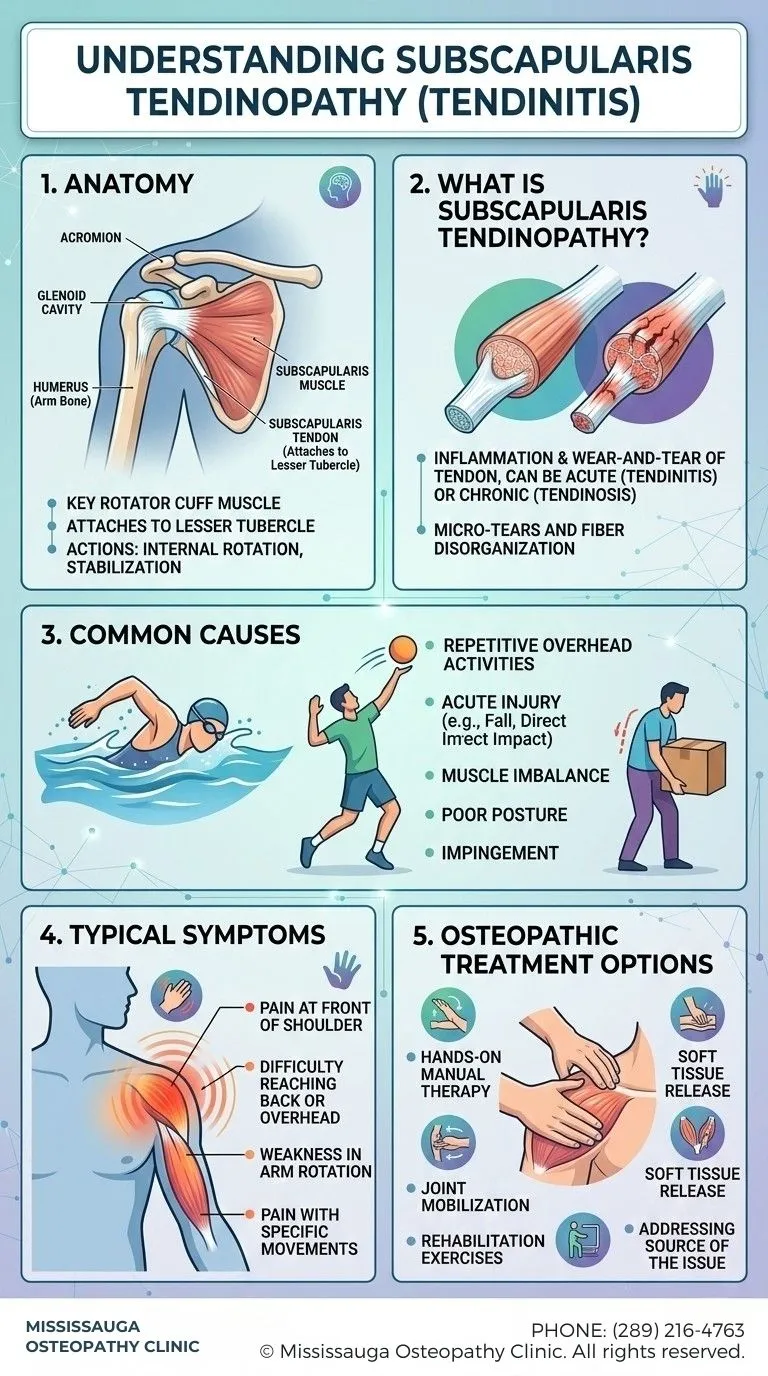
Subscapularis Tendinopathy Infographic Mississauga Osteopathy Clinic

Top-Rated Mississauga Osteopathic Manual Practitioners

Amanpreet Kaur - Osteopathic Practitioner - CPMDQ Licensed Practitioner - ACMA Member

Amanpreet Kaur (CPMDQ), ACMA Manual Osteopathic Practitioner

Sharenpreet-Kaur-Osteopathy-in-Mississauga

Sharanpreet Kaur (D.O.M.P), Manual Osteopathic Practitioner

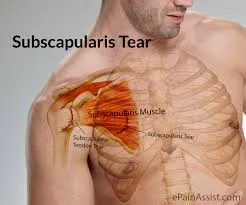
The subscapularis is located at the front of the shoulder and is one of the four muscles that form the rotator cuff. It is the most powerful of the rotator cuff muscles and plays a vital role in shoulder movement and stability. The muscle helps produce strong internal rotation movements, such as pulling the arm toward the body during activities like swimming or a tennis stroke.

When this muscle or its tendon becomes irritated or damaged, it can lead to a condition known as subscapularis tendinopathy, which can cause shoulder pain, weakness, and reduced shoulder mobility.
Anatomy

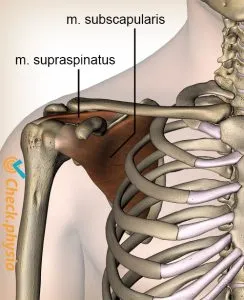
The subscapularis is a large triangular muscle that fills the subscapular fossa on the front surface of the scapula (shoulder blade). From this area, the muscle extends outward and attaches to the lesser tubercle of the humerus, the upper arm bone.

The lesser tubercle is a small rounded prominence located at the front of the humerus, positioned beside the larger greater tubercle. The subscapularis also attaches to the front portion of the shoulder joint capsule, helping stabilize the shoulder during movement.

Subscapularis tendon injuries are relatively uncommon compared with other rotator cuff injuries. Most rotator cuff problems affect the supraspinatus or infraspinatus tendons. When subscapularis injuries occur, they are often related to trauma, such as a fall or sudden force to the shoulder. These injuries are more frequently seen in younger individuals compared to typical rotator cuff tears.

subscapularis2 244x300 1

Nerve Supply

The subscapularis muscle receives nerve supply from the upper and lower subscapular nerves, which originate from the posterior cord of the brachial plexus.

  • The upper subscapular nerve supplies the upper portion of the muscle.

  • The lower subscapular nerve divides into branches that supply the lower portion of the muscle.

These nerves are primarily associated with the C5 and C6 spinal nerve roots.

What Does the Subscapularis Do?

The subscapularis muscle performs several important functions:

Internal (Medial) Rotation of the Arm
This movement turns the upper arm inward, such as when closing a door or performing certain swimming strokes.

Arm Movement Toward the Body
The muscle assists in moving the upper arm downward and toward the torso.

Shoulder Joint Stabilization
It helps keep the head of the humerus securely positioned in the shoulder socket during arm movement.

What Does the Subscapularis Do?

What Is Subscapularis Tendinitis?

Subscapularis tendinitis occurs when the tendon of the subscapularis muscle becomes inflamed. Because this muscle plays a major role in shoulder movement and stability, inflammation can significantly affect mobility and comfort.

This condition is commonly seen in people who participate in sports that involve repetitive throwing motions, such as baseball, swimming, or tennis. Due to the location and function of the tendon, the condition can sometimes be difficult to treat without proper assessment and care.

What Is Subscapularis Tendinitis?

Causes of Subscapularis Tendinitis

Subscapularis tendinitis can occur due to several factors, including:

  • Direct trauma to the shoulder or arm

  • Falling onto the shoulder

  • Repetitive overhead sports or throwing activities

  • Surgical procedures involving the shoulder, such as shoulder replacement surgery

  • Overuse of the rotator cuff muscles

In some cases, the tendon may partially or completely rupture following trauma or surgery.

Diagnosis

Diagnosis typically begins with a detailed assessment of shoulder movement and strength. A healthcare professional may evaluate range of motion by asking the patient to raise the elbows and rotate the forearms inward.

Muscle weakness or restricted movement may suggest involvement of the subscapularis tendon. Imaging tests may also be recommended to confirm the diagnosis, including:

  • X-rays

  • MRI scans

  • CT scans

These tests help identify tendon damage, inflammation, or other structural issues in the shoulder.

Symptoms of Subscapularis Tendinitis

Common symptoms include:

  • Shoulder pain during movement

  • Pain when lifting the arm above shoulder level

  • Discomfort with internal arm rotation

  • Pain during sleep, especially when lying on the affected shoulder

  • Weakness when lifting or rotating the arm

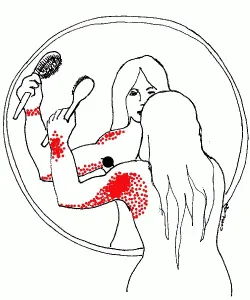
Pain may also radiate to nearby areas such as the armpit, shoulder blade, or upper arm. In some individuals, referred pain may even be felt around the wrist, which may seem unrelated to the shoulder condition.

Tenderness is often present when pressure is applied to the tendon insertion on the inside of the upper arm.

An overworked or inflamed subscapularis muscle may also contribute to restricted shoulder mobility and may even be associated with frozen shoulder symptoms.

7 250x300 1

Treatment

Most cases of subscapularis tendon inflammation are mild to moderate and respond well to conservative treatment approaches.

Treatment options may include:

Rest
Avoid activities that aggravate the shoulder until pain subsides.

Ice Therapy
Applying ice can help reduce inflammation and relieve pain during the early stages.

Massage Techniques
Gentle massage of the subscapularis muscle can help release tension. Care should be taken to massage the muscle tissue rather than nearby nerves to avoid irritation.

A thumb-pressure technique is often used to safely release tight muscle tissue.

Exercises

1. Assisted External Rotation Stretch

Wrap a belt or resistance band around a stick.

Hold the belt with the affected arm while holding the stick with the unaffected arm. Use the healthy arm to tilt the stick so the affected arm moves into external rotation.

Gently push the affected arm backward to increase the stretch, then return to the starting position and repeat.

2. Towel Stretch

Stand with the affected arm raised overhead.

Hold a towel behind your back with one hand on each end. Use the lower arm to gently pull the towel downward, which brings the upper arm into external rotation.

Slowly return to the starting position and repeat.

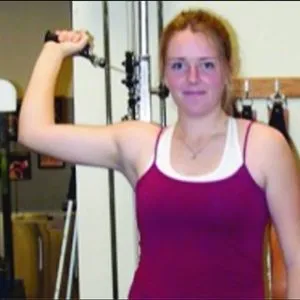
3. Side-Lying Internal Rotation Exercise

Lie on your side on a flat bench or table while holding a light dumbbell in the top hand. Keep the elbow tucked against the side of the body and the forearm extended outward.

Rotate the forearm inward until it touches the abdomen, then slowly lower it back to the starting position.

Repeat for at least eight repetitions before switching sides.

subscap1 300x220 1

Our osteopathy services in Mississauga focuses on hands on care to restore movement, reduce pain, and improve physical function. Each session includes a full assessment of posture, mobility, and injury history to guide precise treatment. Care targets joint restriction, muscle tension, and circulation limits to support faster recovery and daily comfort. Services support injury recovery, chronic pain relief, postural correction, and long term physical balance.

Ankle Pain and Foot Injury

Ankle Pain and Foot Injury

Ankle pain and foot injury disrupt walking, balance, and daily movement. Osteopathy addresses joint restriction, tissue tension, and movement imbalance to restore mobility and support stable, pain free function.

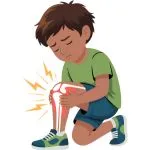
Hip Pain and Knee Injury

Hip Pain and Knee Injury

Hip pain and knee injury affect walking, sitting, and daily movement. Osteopathy focuses on joint mobility, muscle balance, and movement control to reduce strain and support long term function.

Children and Youth Injuries

Infants/Children and Youth Injuries

Infants, children, and youth injuries affect movement, posture, and development. Osteopathy focuses on gentle hands on care to address tissue tension, joint restriction, and movement imbalance for healthy growth and function.

Migraines and Headaches

Migraines and Headaches

Migraines and headaches disrupt focus, sleep, and daily function. Osteopathy focuses on reducing tension, improving circulation, and restoring movement balance to support consistent relief and long term comfort.

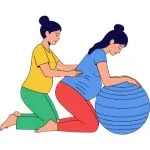
Maternity and Pregnancy

Maternity and Pregnancy

Pregnancy places increased demand on the body, affecting posture, joints, and movement. Osteopathy offers gentle hands on care to support comfort, mobility, and physical balance throughout maternity.

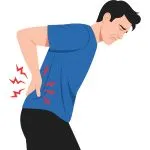
Upper and Lower Back Pain Injury 1

Upper and Lower Back Pain Injury

Upper and lower back pain injury affects movement, posture, and daily activity. Osteopathy focuses on joint mobility, tissue tension, and movement balance to reduce strain and restore functional comfort.

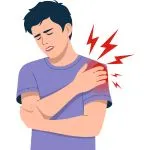
Shoulder Pain Injury

Shoulder Pain Injury

Shoulder pain injury limits arm movement and daily tasks. Osteopathy addresses joint restriction, tissue tension, and movement imbalance to restore mobility and support stable shoulder function.

Neck Pain Injury

Neck Pain Injury

Neck pain injuries restrict movement and strain daily activity. Osteopathy focuses on joint mobility, muscle tension, and movement balance to support comfort and functional stability.

Women Pelvic Health Wellness

Women Pelvic Health Wellness

Women pelvic health wellness requires clear guidance and focused care. At Mississauga Osteopathy Clinic, you receive structured osteopathic support designed to improve pelvic function, movement, and daily comfort.

Craniosacral Therapy

Craniosacral Therapy

Our Mississauga osteopathy clinic offers Craniosacral Therapy, a gentle hands-on approach that supports natural movement of the skull and sacrum. Using light touch, your osteopath helps release restrictions, improve nervous system balance, and enhance overall body function.

About City Of Mississauga Ontario

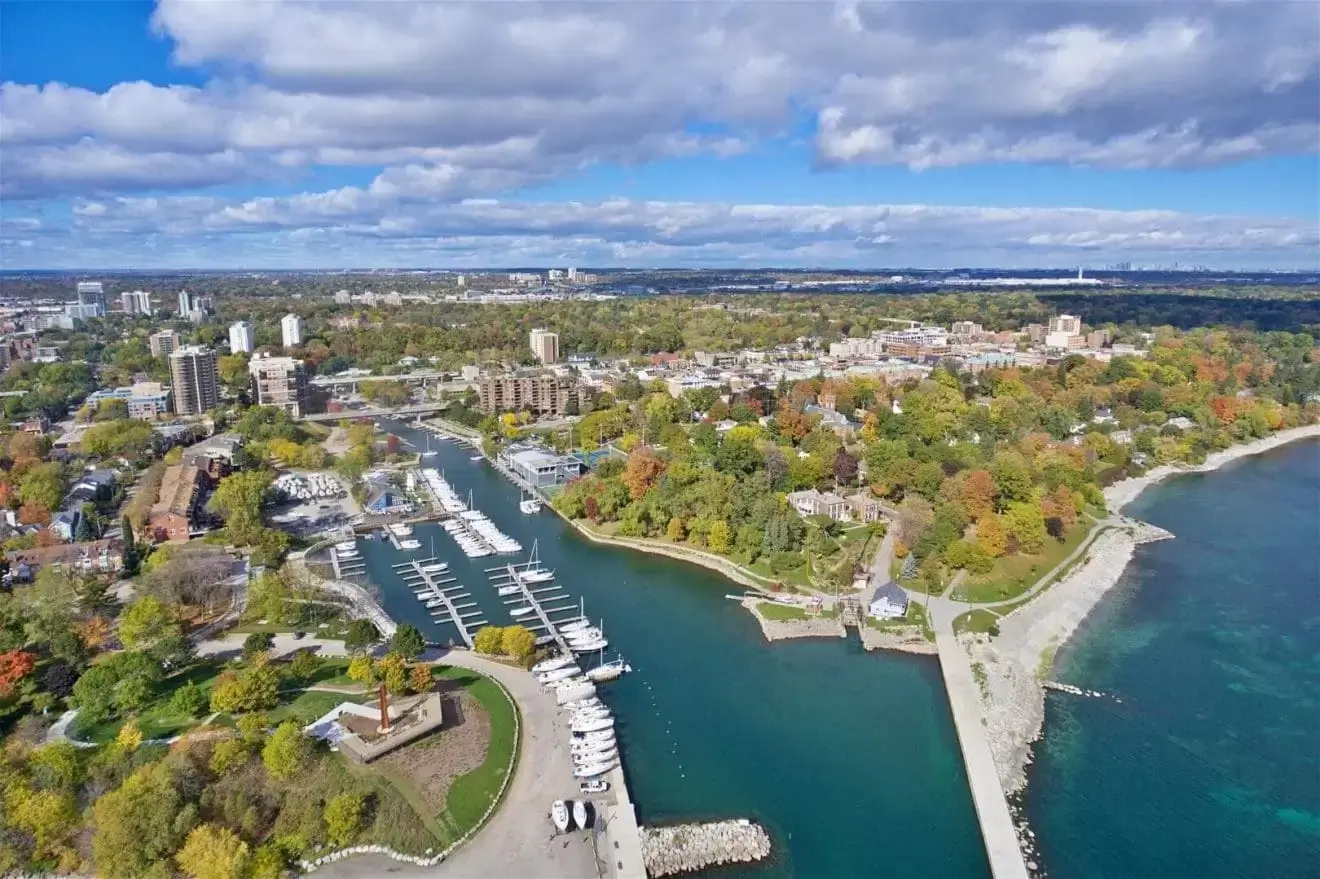
Mississauga, Ontario, is a thriving city located along the shores of Lake Ontario, just west of Toronto. As one of Canada’s largest and fastest-growing cities, it is home to a diverse and multicultural population. With Pearson International Airport, the country’s busiest airport, and major corporate headquarters, Mississauga has established itself as a key business and economic hub in Canada. The city’s modern skyline, featuring high-rise condominiums and commercial developments, is complemented by green spaces, waterfront parks, and vibrant cultural attractions.

One of Mississauga’s most notable landmarks is Square One Shopping Centre, one of the largest malls in Canada, attracting millions of visitors each year. The downtown core is rapidly evolving, with new residential and commercial projects reshaping the city’s landscape. Meanwhile, neighborhoods like Port Credit offer a charming, lakefront lifestyle with boutique shops, cafes, and marinas, making it a popular destination for both residents and tourists. Historic Streetsville, with its small-town charm, provides a glimpse into Mississauga’s past while offering modern amenities.

About Mississauga
mississauga ontario

Mississauga is also a city committed to education and innovation, with top-rated schools, colleges, and easy access to leading universities in the Greater Toronto Area. The city’s public transit system is expanding, with new LRT and GO Transit projects aiming to enhance connectivity and reduce congestion. With a strong focus on community development and sustainability, Mississauga continues to improve its infrastructure, recreational spaces, and public services to meet the needs of its growing population.

Beyond its economic success, Mississauga is a welcoming and family-friendly city with a strong sense of community. The city hosts numerous cultural festivals, outdoor events, and recreational activities, celebrating its diverse population. Whether enjoying waterfront trails in Lakeview, exploring Erin Mills and Meadowvale’s parks, or experiencing arts and performances at the Living Arts Centre, Mississauga offers something for everyone. With its blend of urban convenience and suburban comfort, it remains a top choice for those looking to live, work, and thrive in a dynamic and inclusive environment.

Major Street Intersections
Neighbourhood
Postal Codes

Central Mississauga

  • L4Z,
  • L5B,
  • L5C

North Mississauga

  • L5N
  • L5M
  • L5V
  • L4Z
  • L5R

West Mississauga

  • L5L
  • L5M

East Mississauga

  • L4W
  • L4X
  • L4Y
  • L4Z
  • L5A

South Mississauga

  • L5G
  • L5H
  • L5J
  • L5K
  • L5E
Others

References

PhysioCheck – Subscapularis Tendinopathy https://www.physiocheck.co.uk/condition/31/subscapularis-tendinopathy

Burlington Sports Therapy – Subscapularis Tendinopathy https://burlingtonsportstherapy.com/blog/subscapularis-tendinopathy/

Colgan Osteopathy – Subscapular Tendinopathy https://www.colganosteo.com/subscapular-tendinopathy/

National Health Service. (n.d.). Osteopathy. NHS. https://www.nhs.uk/tests-and-treatments/osteopathy/

BOOK AN APPOINTMENT WITH US