Osteopathy prioritizes your physical well-being, fostering mobility, pain relief, vitality, and overall happiness in Mississauga.

About Osteopathy In Mississauga, ON

Excellent Osteopathy Service in Mississauga focuses on supporting individuals experiencing joint instability, shoulder pain, and mobility limitations. Our approach emphasizes careful assessment of movement patterns, posture, and musculoskeletal balance to identify factors contributing to shoulder instability.

We work closely with patients to support recovery through personalized osteopathic care. Our goal is to help improve joint stability, restore comfortable movement, and support long-term shoulder health so individuals can return to their normal activities with greater confidence and reduced discomfort.

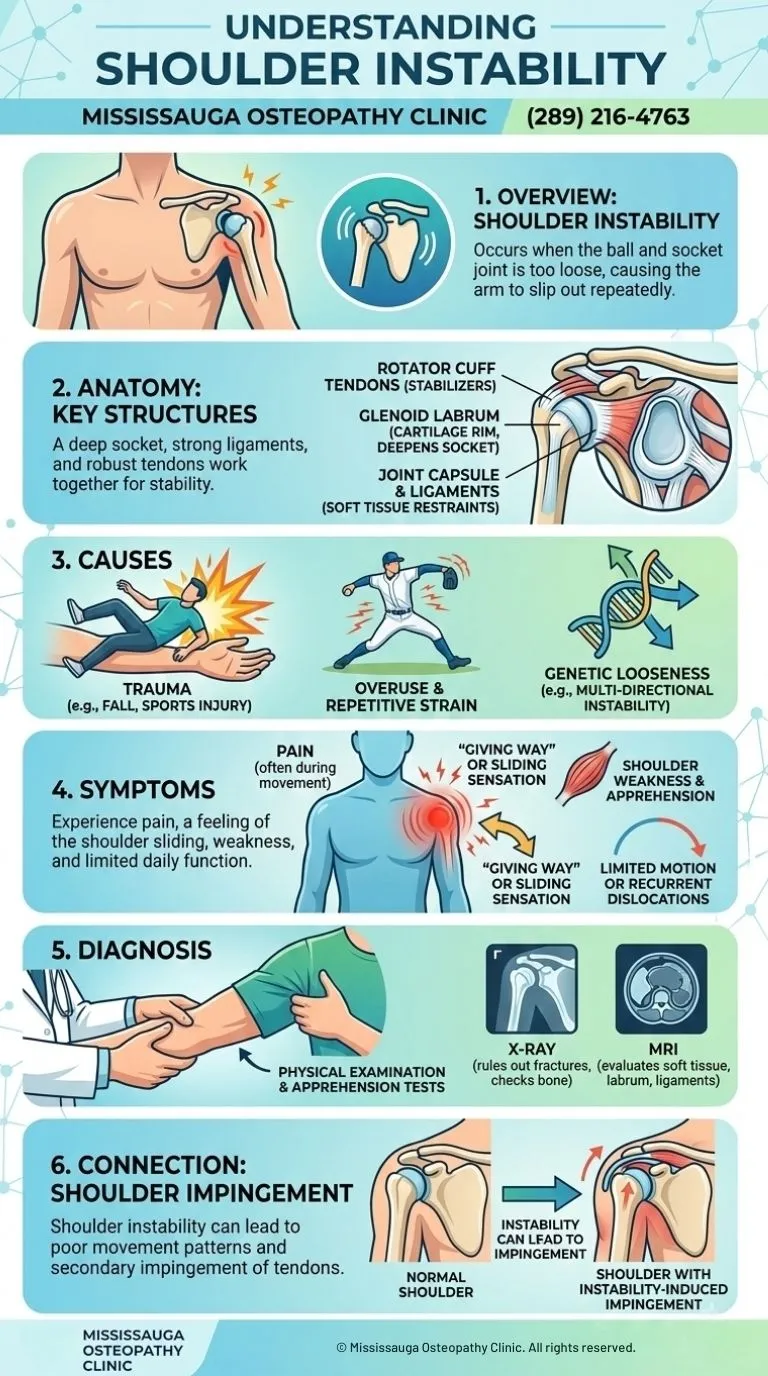
Shoulder Instability Infographic Mississauga Osteopathy Clinic

Top-Rated Mississauga Osteopathic Manual Practitioners

Amanpreet Kaur - Osteopathic Practitioner - CPMDQ Licensed Practitioner - ACMA Member

Amanpreet Kaur (CPMDQ), ACMA Manual Osteopathic Practitioner

Sharenpreet-Kaur-Osteopathy-in-Mississauga

Sharanpreet Kaur (D.O.M.P), Manual Osteopathic Practitioner

Shoulder instability occurs when the shoulder joint becomes too loose, allowing the ball of the upper arm bone to move excessively within the socket, often leading to shoulder pain and discomfort during movement. In some cases, the shoulder may partially slip out of place, while in more severe situations it may completely dislocate. When the shoulder repeatedly moves out of position and is not properly treated, it can eventually contribute to degenerative changes and arthritis within the joint.

Anatomy

The shoulder is one of the most mobile joints in the human body. It is formed by three main bones: the scapula (shoulder blade), the humerus (upper arm bone), and the clavicle (collarbone). Together, these structures allow the shoulder to move in many directions while supporting everyday activities such as lifting, reaching, and rotating the arm.

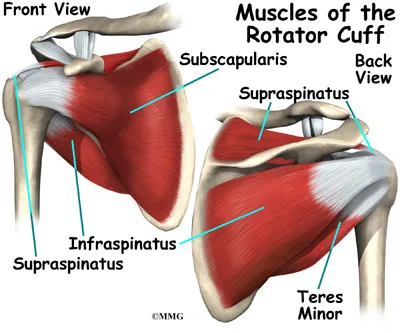
The rotator cuff plays a key role in stabilizing the shoulder joint. This structure is made up of four muscles and their tendons: the supraspinatus, infraspinatus, teres minor, and subscapularis. These tendons attach muscles to bone and allow the arm to move while keeping the head of the humerus firmly positioned within the socket of the scapula.

The socket portion of the shoulder is called the glenoid. Because the glenoid is relatively shallow and flat, the body relies on surrounding tissues to help maintain stability. A ring of soft cartilage known as the labrum surrounds the rim of the glenoid and deepens the socket, helping the joint hold the humeral head more securely.

The entire joint is enclosed within a structure called the joint capsule, which contains lubricating fluid that allows smooth movement. Ligaments form part of this capsule and connect bones together, helping to limit excessive movement. The capsule normally contains some looseness so the shoulder can move through its wide range of motion. However, if the capsule or ligaments become overstretched or damaged, the shoulder may begin to move too freely, leading to instability.

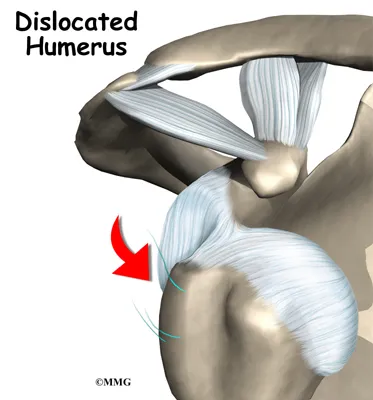
Dislocations occur when the force applied to the shoulder exceeds the strength of the muscles and ligaments that stabilize it. Most shoulder dislocations happen toward the front of the joint, known as anterior dislocations. In a smaller number of cases, the humerus may move backward, which is called a posterior dislocation.

Sometimes the shoulder only partially slips out of place before returning to its normal position. This event is known as subluxation.

Shoulder Instability Anatomy

Causes

Shoulder instability frequently develops after a traumatic injury that forces the shoulder out of its socket. Once a dislocation occurs, the ligaments and the labrum may stretch or tear. Even after the joint is repositioned, these structures may remain weakened, increasing the likelihood of repeated instability.

Repeated episodes of instability can occur during daily movements or physical activity if the supporting tissues are unable to maintain proper alignment of the joint. Even smaller injuries can sometimes lead to instability if they gradually stretch the stabilizing tissues of the shoulder.

Certain activities that involve repetitive overhead motion may also contribute to this condition. Athletes who frequently perform overhead movements—such as pitchers, swimmers, or volleyball players—may gradually stretch the joint capsule over time. When this happens, the muscles responsible for stabilizing the shoulder may struggle to maintain proper control of the humerus within the socket.

In some individuals, shoulder instability develops without a clear injury. This may occur when the connective tissues in the body are naturally more elastic than normal. When ligaments stretch too easily, they may not adequately stabilize the joints. As a result, some people experience generalized joint looseness, sometimes referred to as being double-jointed, and may be more prone to shoulder instability or dislocation.

Shoulder Instability Causes

Symptoms

Chronic shoulder instability can produce a variety of symptoms that interfere with everyday movement and physical activity. One of the most common experiences is recurrent subluxation, where the shoulder partially slips out of position during certain motions. This often occurs when the arm is raised above the head or during throwing movements.

People with shoulder instability frequently describe a sensation that the joint feels loose or as though it may slip out of place. When subluxation occurs, there is often a sudden sharp pain or a brief pinching sensation within the shoulder. Over time, individuals may begin avoiding certain arm positions that trigger these episodes.

In more severe cases, the shoulder may dislocate repeatedly. A full dislocation is typically extremely painful and can cause visible changes in the shape of the shoulder. Movement becomes very limited, and medical attention may be required to reposition the joint properly.

Repeated instability may also affect nearby nerves. If nerves are stretched during a dislocation, numbness can develop along the outer portion of the upper arm. Temporary weakness in the shoulder muscles may also occur until the nerve recovers.

shoulder instability symptoms01

Diagnosis

Doctors usually diagnose shoulder instability by reviewing a patient’s medical history and performing a detailed physical examination. You may be asked about previous shoulder injuries, patterns of pain, and activities that seem to trigger symptoms.

During the physical examination, the shoulder’s strength, mobility, and stability are carefully assessed. Specific movements may be used to test how the ligaments respond to stress. In some cases, the shoulder may feel as though it is about to dislocate during these tests. This response is called the apprehension sign and is an important indicator of instability.

Additional imaging tests may be recommended if there is concern about structural damage within the joint.

Diagnosis

Treatment

Nonsurgical Treatment

Treatment for shoulder instability usually begins with conservative approaches designed to reduce pain and restore joint stability. Initial care often focuses on rest and anti-inflammatory medications such as aspirin or ibuprofen to help control swelling and discomfort. In some situations, a cortisone injection may be recommended to manage persistent inflammation.

Rehabilitation through physical therapy is an essential part of recovery. Early stages of therapy focus on avoiding positions that may provoke instability or place excessive strain on the shoulder joint. For athletes who perform repetitive overhead motions, supportive braces or straps may be used temporarily to limit harmful movements.

Therapists may use heat, ice, and manual treatment techniques to relieve muscle tension and reduce inflammation. Gradually, targeted exercises are introduced to restore shoulder mobility and strengthen the muscles responsible for stabilizing the joint.

Later stages of rehabilitation focus on strengthening the rotator cuff and the muscles around the shoulder blade. Improving the strength and coordination of these muscles helps keep the humeral head centered in the socket, improving joint stability and reducing the risk of further dislocations.

Most people participate in therapy for approximately six to eight weeks. With proper rehabilitation, many patients are able to return to their usual activities with improved shoulder strength and function.

Our osteopathy services in Mississauga focuses on hands on care to restore movement, reduce pain, and improve physical function. Each session includes a full assessment of posture, mobility, and injury history to guide precise treatment. Care targets joint restriction, muscle tension, and circulation limits to support faster recovery and daily comfort. Services support injury recovery, chronic pain relief, postural correction, and long term physical balance.

Ankle Pain and Foot Injury

Ankle Pain and Foot Injury

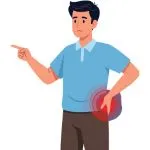
Ankle pain and foot injury disrupt walking, balance, and daily movement. Osteopathy addresses joint restriction, tissue tension, and movement imbalance to restore mobility and support stable, pain free function.
Hip Pain and Knee Injury

Hip Pain and Knee Injury

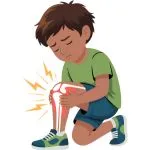
Hip pain and knee injury affect walking, sitting, and daily movement. Osteopathy focuses on joint mobility, muscle balance, and movement control to reduce strain and support long term function.
Children and Youth Injuries

Infants/Children and Youth Injuries

Infants, children, and youth injuries affect movement, posture, and development. Osteopathy focuses on gentle hands on care to address tissue tension, joint restriction, and movement imbalance for healthy growth and function.

Migraines and Headaches

Migraines and Headaches

Migraines and headaches disrupt focus, sleep, and daily function. Osteopathy focuses on reducing tension, improving circulation, and restoring movement balance to support consistent relief and long term comfort.
Maternity and Pregnancy

Maternity and Pregnancy

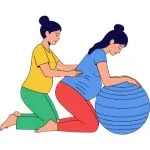
Pregnancy places increased demand on the body, affecting posture, joints, and movement. Osteopathy offers gentle hands on care to support comfort, mobility, and physical balance throughout maternity.
Upper and Lower Back Pain Injury 1

Upper and Lower Back Pain Injury

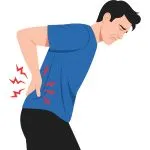
Upper and lower back pain injury affects movement, posture, and daily activity. Osteopathy focuses on joint mobility, tissue tension, and movement balance to reduce strain and restore functional comfort.
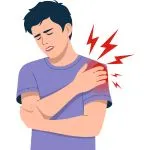
Shoulder Pain Injury

Shoulder Pain Injury

Shoulder pain injury limits arm movement and daily tasks. Osteopathy addresses joint restriction, tissue tension, and movement imbalance to restore mobility and support stable shoulder function.
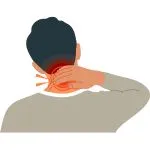
Neck Pain Injury

Neck Pain Injury

Neck pain injuries restrict movement and strain daily activity. Osteopathy focuses on joint mobility, muscle tension, and movement balance to support comfort and functional stability.
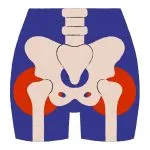
Women Pelvic Health Wellness

Women Pelvic Health Wellness

Women pelvic health wellness requires clear guidance and focused care. At Mississauga Osteopathy Clinic, you receive structured osteopathic support designed to improve pelvic function, movement, and daily comfort.
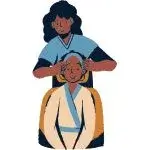
Craniosacral Therapy

Craniosacral Therapy

Our Mississauga osteopathy clinic offers Craniosacral Therapy, a gentle hands-on approach that supports natural movement of the skull and sacrum. Using light touch, your osteopath helps release restrictions, improve nervous system balance, and enhance overall body function.


About City Of Mississauga Ontario

Mississauga, Ontario, is a thriving city located along the shores of Lake Ontario, just west of Toronto. As one of Canada’s largest and fastest-growing cities, it is home to a diverse and multicultural population. With Pearson International Airport, the country’s busiest airport, and major corporate headquarters, Mississauga has established itself as a key business and economic hub in Canada. The city’s modern skyline, featuring high-rise condominiums and commercial developments, is complemented by green spaces, waterfront parks, and vibrant cultural attractions.

One of Mississauga’s most notable landmarks is Square One Shopping Centre, one of the largest malls in Canada, attracting millions of visitors each year. The downtown core is rapidly evolving, with new residential and commercial projects reshaping the city’s landscape. Meanwhile, neighborhoods like Port Credit offer a charming, lakefront lifestyle with boutique shops, cafes, and marinas, making it a popular destination for both residents and tourists. Historic Streetsville, with its small-town charm, provides a glimpse into Mississauga’s past while offering modern amenities.

About Mississauga
mississauga ontario

Mississauga is also a city committed to education and innovation, with top-rated schools, colleges, and easy access to leading universities in the Greater Toronto Area. The city’s public transit system is expanding, with new LRT and GO Transit projects aiming to enhance connectivity and reduce congestion. With a strong focus on community development and sustainability, Mississauga continues to improve its infrastructure, recreational spaces, and public services to meet the needs of its growing population.

Beyond its economic success, Mississauga is a welcoming and family-friendly city with a strong sense of community. The city hosts numerous cultural festivals, outdoor events, and recreational activities, celebrating its diverse population. Whether enjoying waterfront trails in Lakeview, exploring Erin Mills and Meadowvale’s parks, or experiencing arts and performances at the Living Arts Centre, Mississauga offers something for everyone. With its blend of urban convenience and suburban comfort, it remains a top choice for those looking to live, work, and thrive in a dynamic and inclusive environment.

Major Street Intersections
Neighbourhood
Postal Codes

Central Mississauga

  • L4Z,
  • L5B,
  • L5C

North Mississauga

  • L5N
  • L5M
  • L5V
  • L4Z
  • L5R

West Mississauga

  • L5L
  • L5M

East Mississauga

  • L4W
  • L4X
  • L4Y
  • L4Z
  • L5A

South Mississauga

  • L5G
  • L5H
  • L5J
  • L5K
  • L5E
Others

References

Johns Hopkins Medicine – Shoulder Instability https://www.hopkinsmedicine.org/health/conditions-and-diseases/shoulder-instability

Physio-Pedia – Shoulder Instability https://www.physio-pedia.com/Shoulder_Instability

Orthobullets – Traumatic Anterior Shoulder Instability (TUBS) https://www.orthobullets.com/shoulder-and-elbow/3050/traumatic-anterior-shoulder-instability-tubs

Healthdirect Australia. (n.d.). Osteopathy. Healthdirect Australia. https://www.healthdirect.gov.au/osteopathy

BOOK AN APPOINTMENT WITH US