





Osteopathy prioritizes your physical well-being, fostering mobility, pain relief, vitality, and overall happiness in Mississauga.

About Mississauga Osteopathy Clinic

Top Rated Osteopathics in Mississauga focuses on helping people recover from neck injuries such as whiplash through a comprehensive and patient-centered approach. Our goal is to help restore healthy spinal movement, reduce inflammation, and support the body’s natural healing process. At Mississauga Osteopathy Clinic, care is designed to address both the immediate symptoms of whiplash and the underlying structural imbalances that may develop after an accident. Our team works closely with each patient to improve posture, mobility, and long-term spinal health through individualized osteopathic treatment.

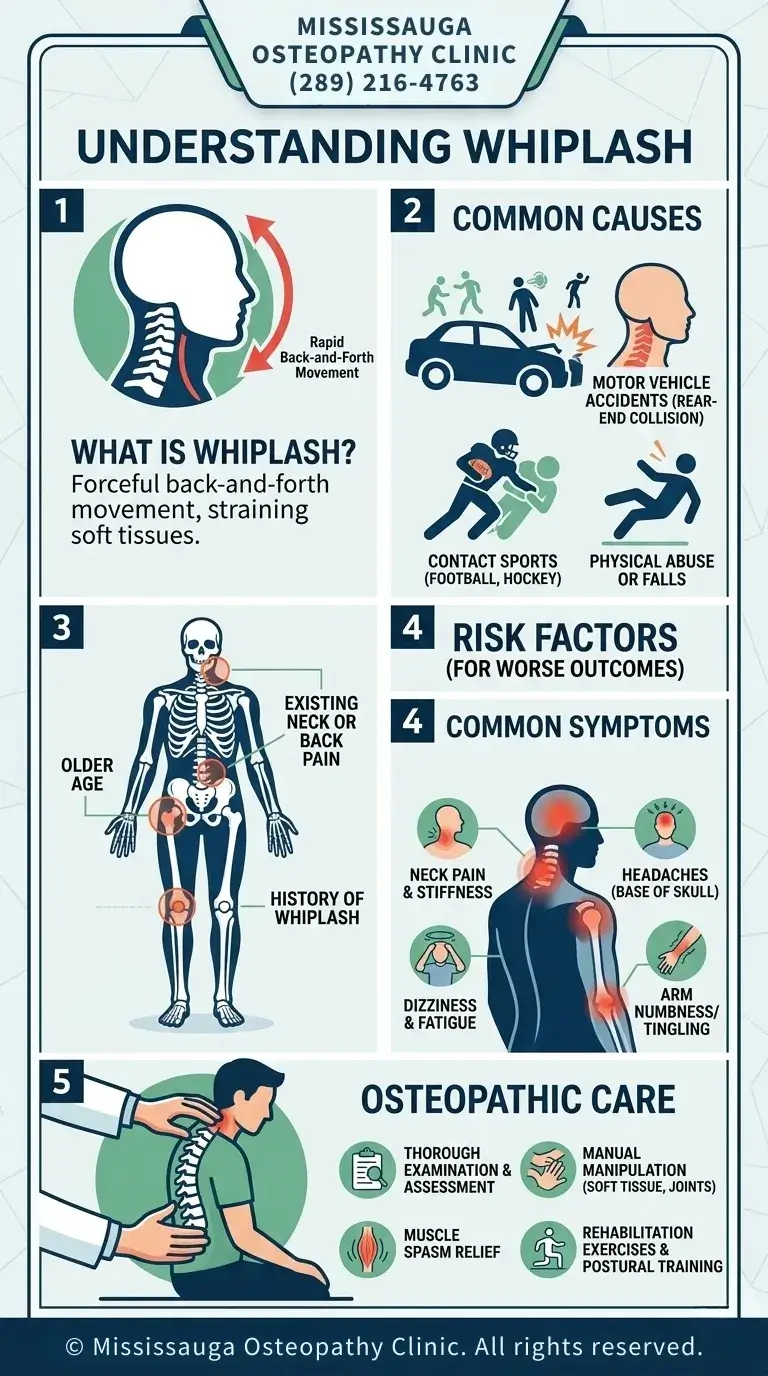
Whiplash - Infographic - Mississauga Osteopathy Clinic

Best Manual Osteopaths in Mississauga

Amanpreet Kaur - Osteopathic Practitioner - CPMDQ Licensed Practitioner - ACMA Member

Amanpreet Kaur
(CPMDQ), ACMA
Manual Osteopathic Practitioner

Sharenpreet-Kaur-Osteopathy-in-Mississauga

Sharanpreet Kaur
(D.O.M.P)
Manual Osteopathic Practitioner

Whiplash is a neck injury caused by a sudden backward and forward movement of the cervical spine. This rapid motion places stress on the muscles, ligaments, tendons, joints, and discs in the neck. The injury is commonly referred to as a cervical acceleration-deceleration (CAD) injury.

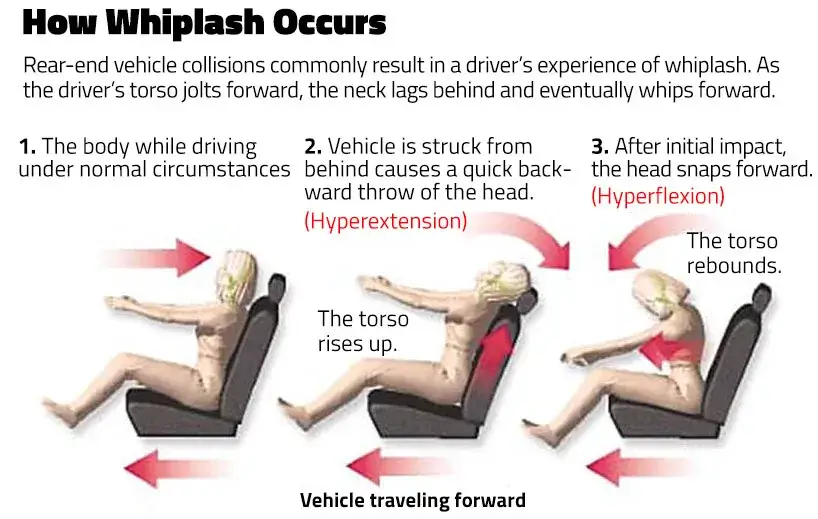
Rear-end and side-impact motor vehicle collisions are the most common causes of whiplash. During the collision, the neck is forced into rapid extension and flexion, which can strain soft tissues and affect spinal alignment. Although many cases improve with time, untreated injuries can lead to ongoing discomfort, stiffness, and reduced mobility.

Anatomy

The human spine consists of 24 vertebrae stacked on top of one another to create the spinal column. This structure forms the body’s main support system and protects the spinal cord.

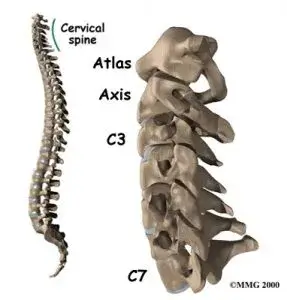
The cervical spine is made up of the first seven vertebrae, labeled C1 through C7. It begins where the top vertebra connects to the base of the skull and ends where the cervical region meets the thoracic spine at the upper back. The cervical spine naturally curves slightly inward and allows the head and neck to move freely.

Behind each vertebral body is a ring of bone. When these rings align together, they form a protective canal around the spinal cord. Similar to how the skull protects the brain, the spinal column protects this vital nervous system structure.

As the spinal cord travels down the spine, it sends out branches known as nerve roots between each vertebra. In the cervical region, these nerves travel to the shoulders, arms, and hands.

Each spinal segment contains:

  • Two vertebrae

  • An intervertebral disc between them

  • Facet joints that guide movement

  • Nerve roots that exit the spinal canal

The intervertebral disc acts as a shock absorber for the spine. It contains a soft inner center called the nucleus and a strong outer ring known as the annulus. Together they help distribute pressure and protect the spine during movement such as lifting, running, or bending.

Facet joints connect each vertebra to the next. Their smooth cartilage surfaces allow the neck to bend, rotate, and tilt without pain.

Anatomy

Causes

Whiplash occurs when the head and neck are suddenly forced forward and backward. This movement places significant stress on the structures of the cervical spine.

In many cases, the trauma may cause soft tissue damage, ligament strain, or disc injury. The cartilage between the vertebra and the disc can also crack, which is known as a rim lesion.

Disc damage may place pressure on nearby nerves. When nerves become irritated or compressed, symptoms may appear along the nerve pathway. This condition is known as cervical radiculopathy, often described as a pinched nerve.

Facet joints can also become inflamed or irritated after trauma. Since many of the spine’s pain-sensing nerves are located in these joints, injury to them is a common source of neck pain after whiplash.

Muscles surrounding the neck react quickly to sudden stress. Small sensory structures within the muscles detect rapid changes in tension and activate protective contractions. This often leads to muscle spasms, which restrict movement and create stiffness as the body attempts to stabilize the injured area.

Lower back discomfort may also develop after a whiplash injury. Studies suggest that muscles in the lumbar spine may become more active as the body attempts to compensate for weakness or instability in the neck.

How whiplash occurs

Risk Factors

Several factors can influence the severity of injury and recovery after a motor vehicle collision. These include:

  • Turning the head at the moment of impact

  • Being struck from behind in a rear-impact collision

  • Previous neck injuries or chronic headaches

  • Being unaware of the impending crash

  • Poor posture at the moment of impact

  • Improperly positioned headrest

  • Lower-speed crashes under 10 mph

  • Sitting in the front seat instead of the back

  • Being in a collision with a larger vehicle

  • Having a smaller body frame

While wearing a seatbelt is essential for safety, certain crash conditions can still lead to neck strain due to the sudden motion of the body during impact.

Symptoms

Neck pain is the most common symptom reported after a whiplash injury. The discomfort may spread into the upper back, shoulders, or arms.

Common symptoms may include:

  • Neck pain or stiffness

  • Pain traveling into the arms (radiculopathy)

  • Headaches

  • Low back pain

  • Jaw pain related to temporomandibular joint irritation

  • Dizziness or balance problems

Jaw discomfort may develop if the temporomandibular joint (TMJ) becomes strained during the injury. This joint connects the lower jaw to the skull and allows the jaw to open, close, and move side to side.

Dizziness can occur when the joints of the neck are injured, particularly the facet joints. It is important to distinguish this sensation from vertigo, which originates from the inner ear.

Other symptoms may include shoulder pain, numbness or tingling in the arms or hands, fatigue, difficulty concentrating, irritability, sleep disturbances, and visual discomfort.

Symptoms do not always appear immediately after an accident. In many cases, inflammation takes 24 to 72 hours to develop, which means pain and stiffness may begin a few days after the event. Some disc injuries may remain unnoticed for weeks before symptoms appear.

Even when there is little visible damage to a vehicle, significant force may still be transferred to the body, leading to injury.

16 1 300x298 1

Diagnosis

Diagnosing a whiplash injury begins with a detailed medical history and a discussion about the accident. Patients are often asked to describe their symptoms and how the pain affects daily activities.

A physical examination will evaluate:

  • Neck alignment

  • Range of motion

  • Areas of tenderness or pain

  • Muscle strength

  • Nerve function and reflexes

These findings help determine whether imaging tests such as X-rays or other diagnostic studies are necessary.

15 768x432 1

Treatment

Nonsurgical Treatment

Most cases of whiplash are treated without surgery. The primary goal of treatment is to reduce pain and restore healthy movement.

Care plans focus on improving neck strength, posture, and flexibility so patients can safely return to normal daily activities.

Whiplash Treatment

Osteopathic Care

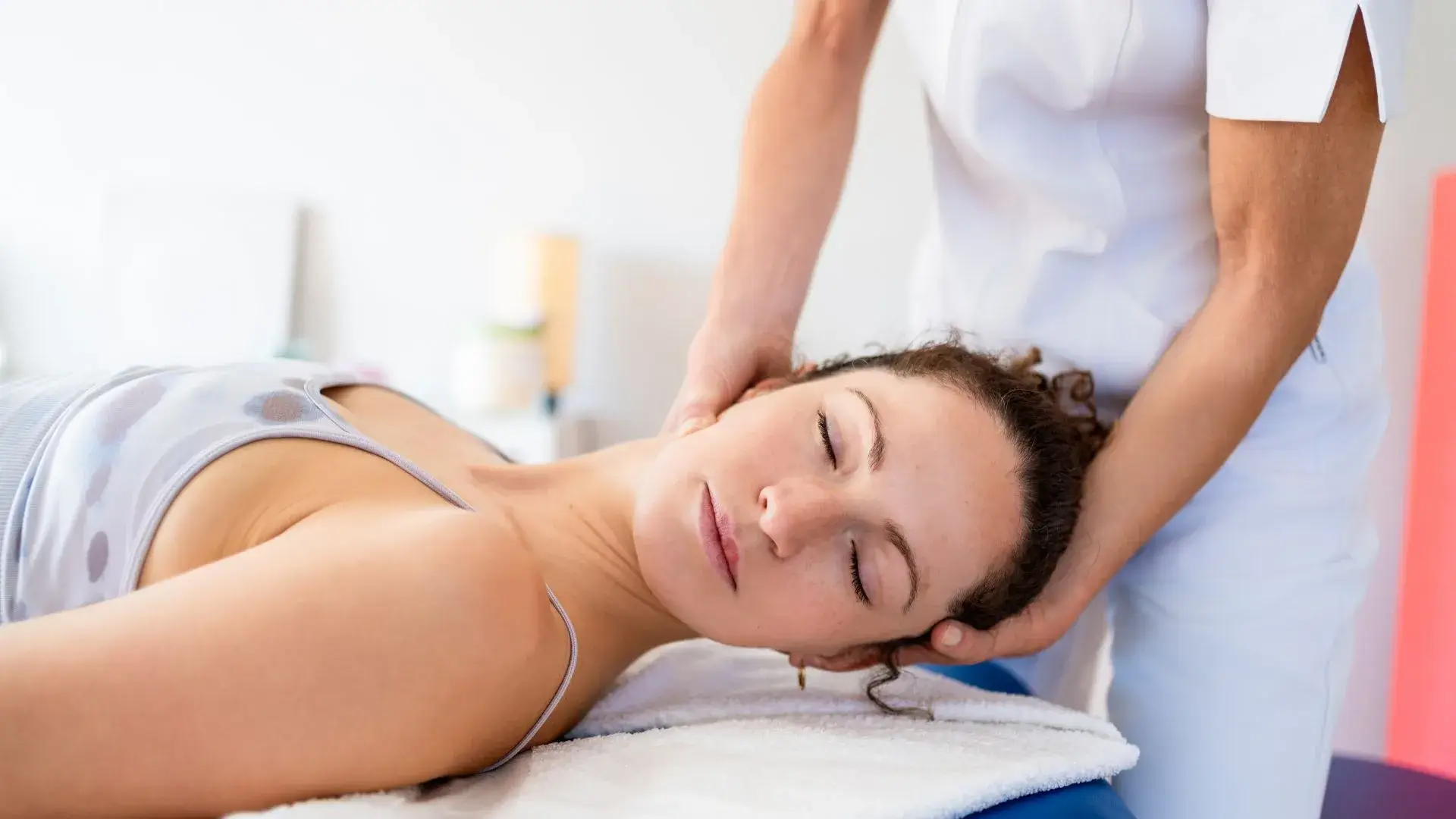
Osteopathic treatment can play a supportive role in recovery from whiplash injuries. Manual techniques may be used to address spinal misalignments, reduce joint restrictions, and improve nerve function.

Our osteopathic treatments aim to restore proper spinal motion while supporting the body’s natural healing processes. By assessing posture, daily habits, and environmental factors, we also provide guidance that helps patients maintain healthier spinal alignment throughout everyday activities.

Our osteopathy services in Mississauga focuses on hands on care to restore movement, reduce pain, and improve physical function. Each session includes a full assessment of posture, mobility, and injury history to guide precise treatment. Care targets joint restriction, muscle tension, and circulation limits to support faster recovery and daily comfort. Services support injury recovery, chronic pain relief, postural correction, and long term physical balance.

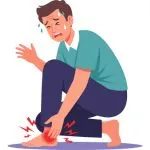
Ankle Pain and Foot Injury

Ankle Pain and Foot Injury

Ankle pain and foot injury disrupt walking, balance, and daily movement. Osteopathy addresses joint restriction, tissue tension, and movement imbalance to restore mobility and support stable, pain free function.
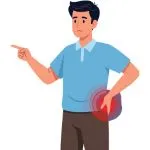
Hip Pain and Knee Injury

Hip Pain and Knee Injury

Hip pain and knee injury affect walking, sitting, and daily movement. Osteopathy focuses on joint mobility, muscle balance, and movement control to reduce strain and support long term function.
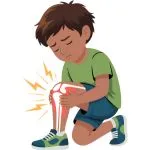
Children and Youth Injuries

Infants/Children and Youth Injuries

Infants, children, and youth injuries affect movement, posture, and development. Osteopathy focuses on gentle hands on care to address tissue tension, joint restriction, and movement imbalance for healthy growth and function.

Migraines and Headaches

Migraines and Headaches

Migraines and headaches disrupt focus, sleep, and daily function. Osteopathy focuses on reducing tension, improving circulation, and restoring movement balance to support consistent relief and long term comfort.
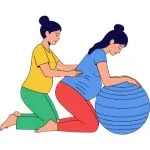
Maternity and Pregnancy

Maternity and Pregnancy

Pregnancy places increased demand on the body, affecting posture, joints, and movement. Osteopathy offers gentle hands on care to support comfort, mobility, and physical balance throughout maternity.
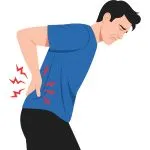
Upper and Lower Back Pain Injury 1

Upper and Lower Back Pain Injury

Upper and lower back pain injury affects movement, posture, and daily activity. Osteopathy focuses on joint mobility, tissue tension, and movement balance to reduce strain and restore functional comfort.
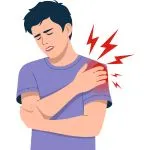
Shoulder Pain Injury

Shoulder Pain Injury

Shoulder pain injury limits arm movement and daily tasks. Osteopathy addresses joint restriction, tissue tension, and movement imbalance to restore mobility and support stable shoulder function.
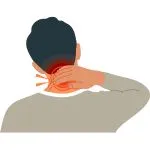
Neck Pain Injury

Neck Pain Injury

Neck pain injuries restrict movement and strain daily activity. Osteopathy focuses on joint mobility, muscle tension, and movement balance to support comfort and functional stability.
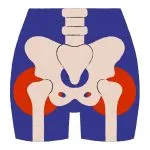
Women Pelvic Health Wellness

Women Pelvic Health Wellness

Women pelvic health wellness requires clear guidance and focused care. At Mississauga Osteopathy Clinic, you receive structured osteopathic support designed to improve pelvic function, movement, and daily comfort.

Craniosacral Therapy

Craniosacral Therapy

Our Mississauga osteopathy clinic offers Craniosacral Therapy, a gentle hands-on approach that supports natural movement of the skull and sacrum. Using light touch, your osteopath helps release restrictions, improve nervous system balance, and enhance overall body function.


About City Of Mississauga Ontario

Mississauga, Ontario, is a thriving city located along the shores of Lake Ontario, just west of Toronto. As one of Canada’s largest and fastest-growing cities, it is home to a diverse and multicultural population. With Pearson International Airport, the country’s busiest airport, and major corporate headquarters, Mississauga has established itself as a key business and economic hub in Canada. The city’s modern skyline, featuring high-rise condominiums and commercial developments, is complemented by green spaces, waterfront parks, and vibrant cultural attractions.

One of Mississauga’s most notable landmarks is Square One Shopping Centre, one of the largest malls in Canada, attracting millions of visitors each year. The downtown core is rapidly evolving, with new residential and commercial projects reshaping the city’s landscape. Meanwhile, neighborhoods like Port Credit offer a charming, lakefront lifestyle with boutique shops, cafes, and marinas, making it a popular destination for both residents and tourists. Historic Streetsville, with its small-town charm, provides a glimpse into Mississauga’s past while offering modern amenities.

About Mississauga
mississauga ontario

Mississauga is also a city committed to education and innovation, with top-rated schools, colleges, and easy access to leading universities in the Greater Toronto Area. The city’s public transit system is expanding, with new LRT and GO Transit projects aiming to enhance connectivity and reduce congestion. With a strong focus on community development and sustainability, Mississauga continues to improve its infrastructure, recreational spaces, and public services to meet the needs of its growing population.

Beyond its economic success, Mississauga is a welcoming and family-friendly city with a strong sense of community. The city hosts numerous cultural festivals, outdoor events, and recreational activities, celebrating its diverse population. Whether enjoying waterfront trails in Lakeview, exploring Erin Mills and Meadowvale’s parks, or experiencing arts and performances at the Living Arts Centre, Mississauga offers something for everyone. With its blend of urban convenience and suburban comfort, it remains a top choice for those looking to live, work, and thrive in a dynamic and inclusive environment.

Major Street Intersections
Neighbourhood
Postal Codes

Central Mississauga

  • L4Z,
  • L5B,
  • L5C

North Mississauga

  • L5N
  • L5M
  • L5V
  • L4Z
  • L5R

West Mississauga

  • L5L
  • L5M

East Mississauga

  • L4W
  • L4X
  • L4Y
  • L4Z
  • L5A

South Mississauga

  • L5G
  • L5H
  • L5J
  • L5K
  • L5E
Others

References

Johns Hopkins Medicine. (n.d.). https://www.hopkinsmedicine.org/health/conditions-and-diseases/whiplash-injury

Mayo Clinic Staff. (2023, May 24). Whiplash: Symptoms and causes. Mayo Clinic. https://www.mayoclinic.org/diseases-conditions/whiplash/symptoms-causes/syc-20378921

Australian Government Department of Health. (n.d.). Whiplash. Healthdirect Australia. https://www.healthdirect.gov.au/whiplash

BOOK AN APPOINTMENT WITH US