



Osteopathy prioritizes your physical well-being, fostering mobility, pain relief, vitality, and overall happiness in Mississauga.

About Mississauga Osteopathy Clinic

Top Rated Osteopathics in Mississauga on helping people address musculoskeletal pain and restore healthy movement patterns. Our goal is to identify the underlying causes of neck, shoulder, and spinal discomfort rather than only managing symptoms.

We use osteopathic assessment to understand how posture, joint mobility, muscle tension, and daily habits contribute to conditions such as levator scapulae syndrome. Through individualized osteopathic treatment, we aim to reduce muscular strain, improve mobility, and support long-term recovery.

Our approach emphasizes whole-body balance, gentle manual therapy, and practical strategies that help you move more comfortably in daily life.

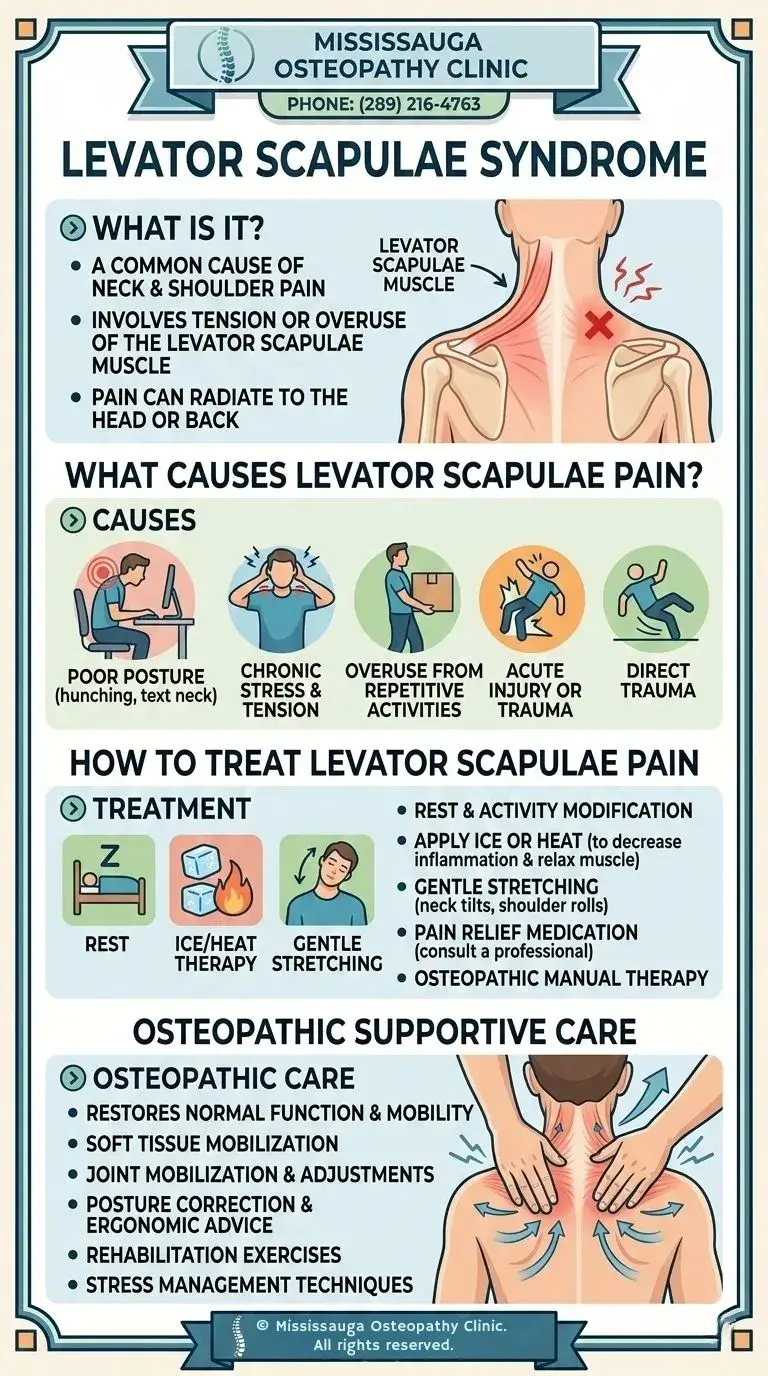
Levator Scapulae Syndrome Infographic Mississauga Osteopathy Clinic

Best Manual Osteopaths in Mississauga

Amanpreet Kaur - Osteopathic Practitioner - CPMDQ Licensed Practitioner - ACMA Member

Amanpreet Kaur
(CPMDQ), ACMA
Manual Osteopathic Practitioner

Sharenpreet-Kaur-Osteopathy-in-Mississauga

Sharanpreet Kaur
(D.O.M.P)
Manual Osteopathic Practitioner

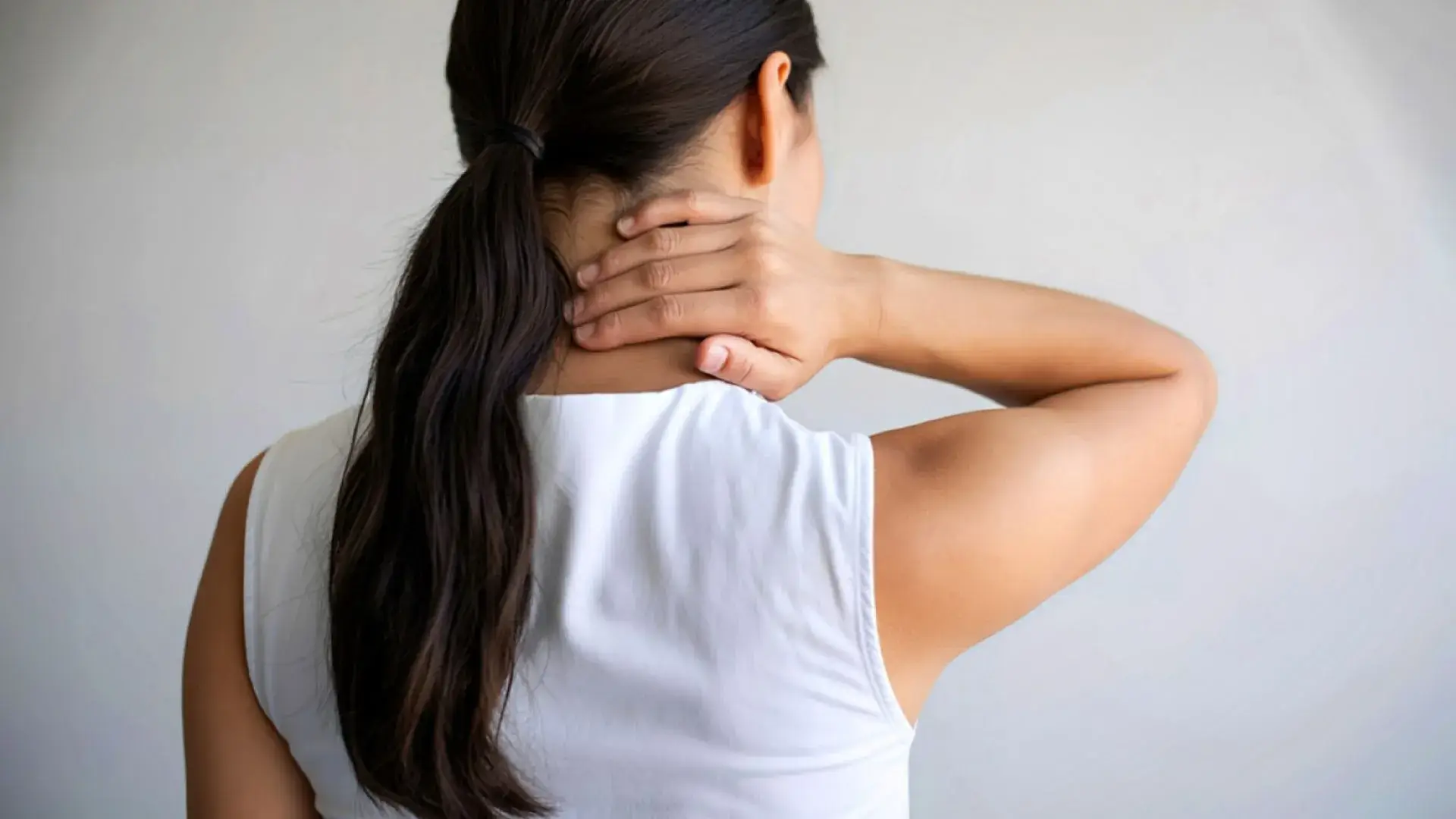
Levator Scapulae Syndrome is a term historically used to describe pain that develops around the upper inner corner of the shoulder blade. The discomfort usually appears near the upper medial angle of the scapula and can extend into the neck and shoulder region.

Pain involving the levator scapulae muscle is one of the most common muscular complaints affecting the neck and upper back. When this muscle becomes strained or irritated, it can create persistent stiffness and discomfort. Understanding how the levator scapulae works can help you recognize symptoms early and support proper treatment and prevention.

Anatomy

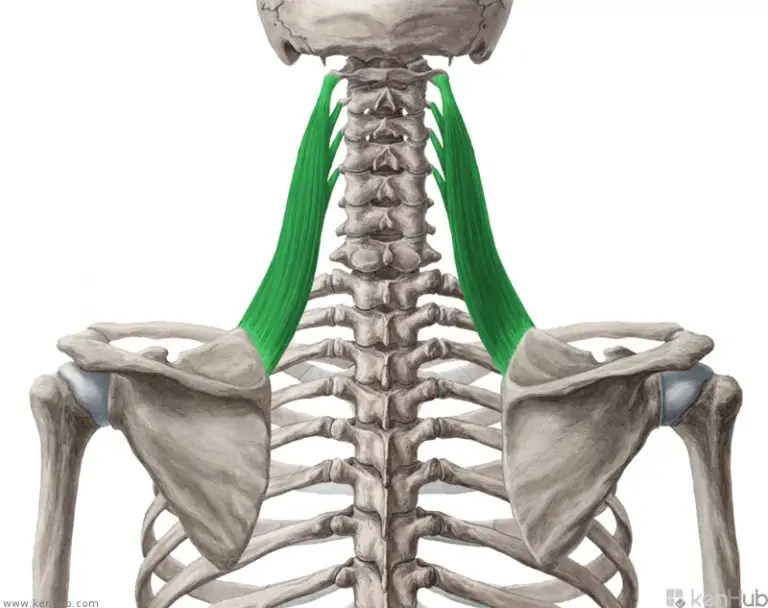
The levator scapulae muscles are located on each side of the neck. They attach from the upper corner of the shoulder blade, known as the superior angle of the scapula, to the first four vertebrae of the cervical spine.

Levator Scapulae Function

This muscle plays an important role in several everyday movements. As its name suggests, the levator scapulae helps elevate the shoulder and rotate the shoulder blade downward.

When both levator muscles contract together, they assist with bending the neck backward and stabilizing it when the head moves forward or downward. The muscle also helps rotate and bend the neck toward the same side that is active. Nerves from the cervical spine control this muscle, allowing it to assist with coordinated neck and shoulder movement.

levator scapulae 768x608 1

Signs and Symptoms

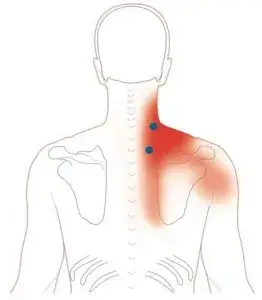
The levator scapulae muscle can produce pain directly at its location and also send discomfort to nearby areas. The most common pain zones include the side of the neck and the top of the shoulder. In some cases, pain may extend along the inner border of the shoulder blade.

Some healthcare providers describe people with severe levator scapulae pain as moving stiffly, sometimes resembling a rigid posture similar to the fictional character Frankenstein. This description simply illustrates how limited neck mobility can become when the muscle is severely irritated.

Common symptoms may include:

Deep aching pain or tightness in the upper back, shoulder blade, or neck.
Difficulty turning the head or lifting the neck while lying down.
Neck pain that may extend into the head and trigger headaches.
Pain between the shoulder blades.
One shoulder appearing slightly higher than the other due to muscle tension.

levscap6 262x300 1

What Causes Levator Scapulae Pain?

Because the levator scapulae muscle is involved in many everyday activities, it can easily become strained. Levator Scapulae Syndrome occurs when the muscle becomes irritated or inflamed, often due to repeated stress or poor posture.

People experiencing chronic levator scapulae pain may limit certain activities because movement can trigger painful muscle spasms or trigger points.

Common causes include:

• Working at a computer with the head turned to one side.
• Emotional or mental stress that causes muscle tension.
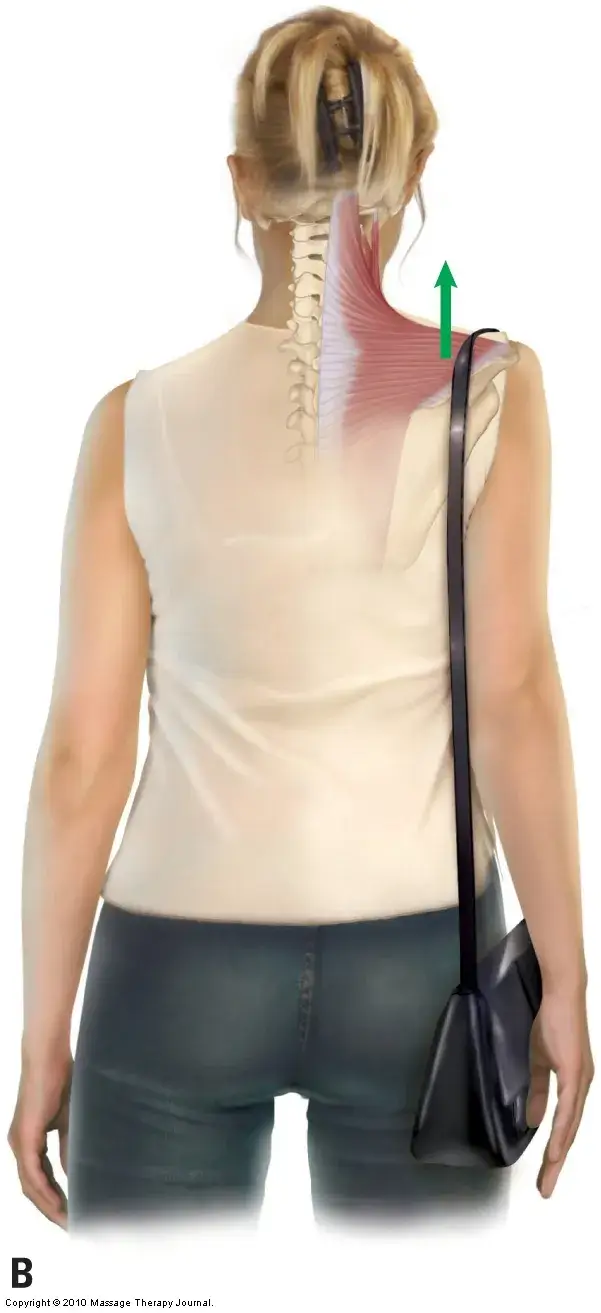
• Carrying heavy bags on one shoulder.
• Cold air exposure from fans or air conditioning during sleep.
• Holding a phone between the shoulder and ear for extended periods.
• Sleeping on the stomach with the head rotated.
• Forward head posture.
• Cervical spine dysfunction.
• Repetitive arm motions such as swimming, throwing, or racquet sports.

In many cases, the problem develops from everyday strain rather than a single injury. Prolonged muscle contraction can create tension and tightness that gradually restrict movement in the neck, shoulders, and upper back. Over time, this tension may also contribute to tension headaches, fatigue, anxiety, or reduced overall comfort.

Holding a phone between the ear and shoulder is a frequent source of strain. Small mobile phones can make this position even more uncomfortable, leading to increased muscle stiffness. Carrying shoulder bags or purses on the same side repeatedly may also trigger levator scapulae irritation.

When the muscle becomes overworked, turning the head to the side can become difficult or painful. Many people describe a stiff neck that makes simple movements uncomfortable. Even lifting the head from a pillow while lying down can cause discomfort, forcing some individuals to support their head with their hands.

levscap4

Understanding Everyday Strain

Heavy lifting and carrying objects place additional stress on the shoulders and the levator scapulae muscles. These activities pull the shoulders downward while the levator muscles attempt to stabilize them. If the load becomes too heavy or the strain continues for long periods, the muscle may tighten as a protective response.

Looking upward for long periods can also strain the neck muscles. Activities such as rock climbing belaying or prolonged overhead work require the levator scapulae to remain active, which can eventually lead to tightness or cramping.

Conversely, looking downward for extended periods while reading or working on devices places another type of stress on the muscle. The levator scapulae must stabilize the neck to prevent it from falling forward. When this posture continues for several hours, the muscle can become overworked and painful.

Often it is not a single action that causes the problem but the duration of the activity.

Understanding Everyday Strain

How to Treat Levator Scapulae Pain

Treatment for levator scapulae pain typically involves several conservative approaches aimed at relaxing the muscle, reducing inflammation, and improving posture.

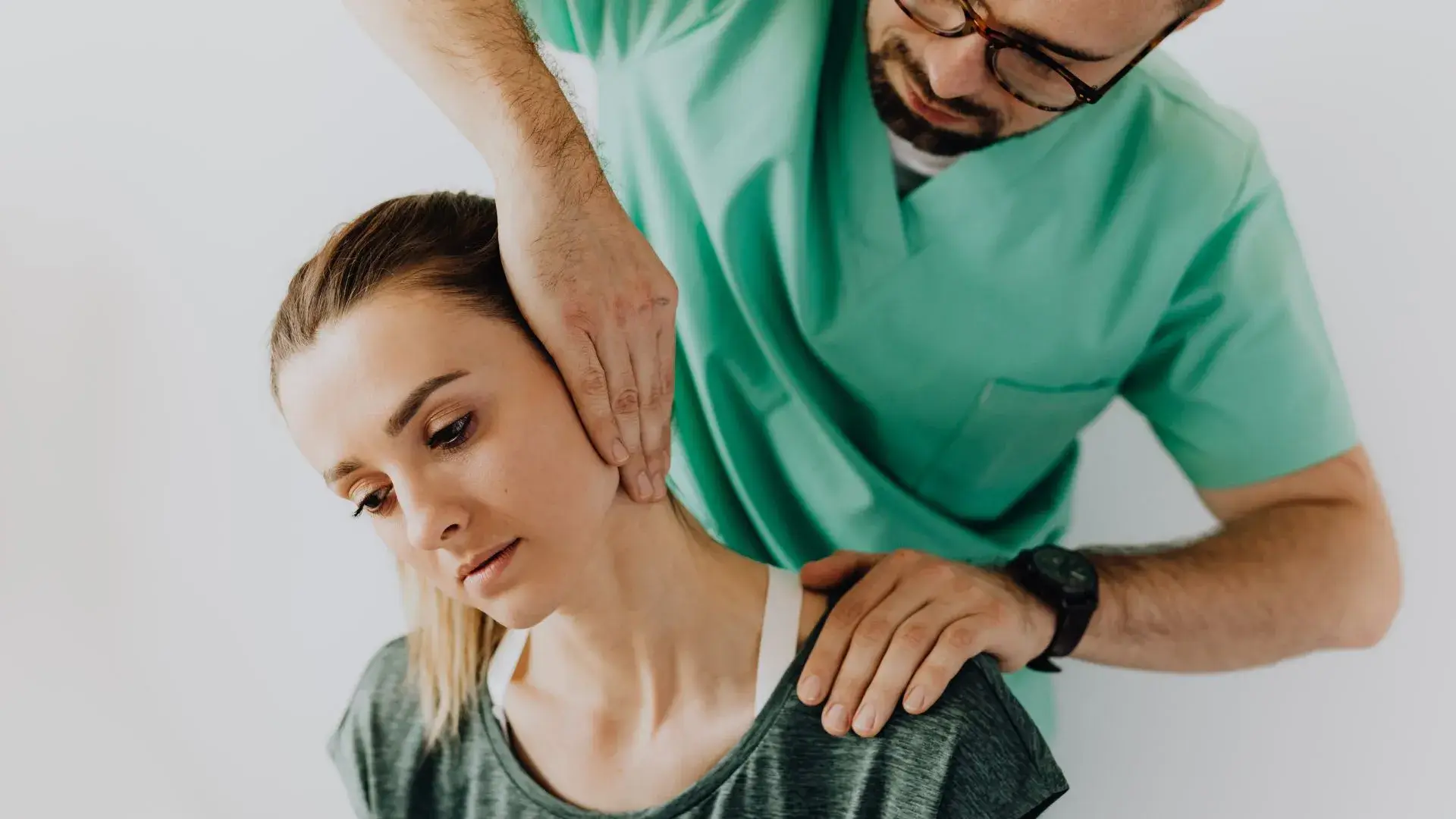
Common treatment options include electrical stimulation, which uses mild electrical currents to help relax tight muscles. Therapeutic massage is often very effective at releasing tension in the levator scapulae and surrounding tissues. Osteopathic treatment may also help restore proper alignment and mobility within the neck and shoulder structures.

Gentle stretching can improve flexibility and reduce muscle tightness. Postural correction is also essential, particularly when symptoms are related to prolonged sitting or computer work. Maintaining proper neck and shoulder alignment while sitting can significantly reduce strain.

Over-the-counter pain medications may also help control discomfort during flare-ups.

How to Treat Levator Scapulae Pain

Helpful Exercises

Exercise can play an important role in reducing levator scapulae strain and improving posture. Shoulder shrug exercises using light weights or resistance bands can strengthen the muscles that support the shoulder blades.

Shoulder circles performed with the arms relaxed at the sides can also help maintain mobility in the shoulder joint. Rotating the shoulders slowly forward and backward several times encourages circulation and reduces tension.

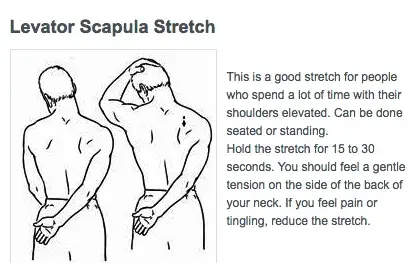
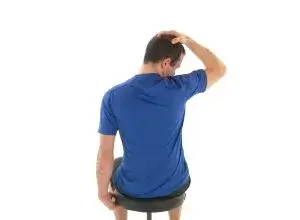
Stretching the levator scapulae is also beneficial. Tilting the head slightly to one side while lowering the opposite shoulder can create a gentle stretch along the back and side of the neck. Holding the stretch for about thirty seconds and repeating it on both sides may improve flexibility and relieve tightness.

Levscap Stretch

Sit Up Straight

Proper posture plays a crucial role in maintaining a healthy neck and spine. Long hours at a desk or computer often lead to forward head posture and rounded shoulders, which place constant stress on the levator scapulae muscle.

Maintaining correct alignment helps reduce this strain. Ideally, the ears should remain aligned over the shoulders, the shoulders should stay relaxed and slightly back, and the pelvis should remain in a neutral position.

Taking short movement breaks every thirty to forty-five minutes during desk work can also help reduce muscle fatigue. Walking briefly, stretching the neck, and resetting posture throughout the day may prevent chronic tension from developing.

Sit Up Straight for Levscap

Our osteopathy services in Mississauga focuses on hands on care to restore movement, reduce pain, and improve physical function. Each session includes a full assessment of posture, mobility, and injury history to guide precise treatment. Care targets joint restriction, muscle tension, and circulation limits to support faster recovery and daily comfort. Services support injury recovery, chronic pain relief, postural correction, and long term physical balance.

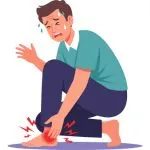
Ankle Pain and Foot Injury

Ankle Pain and Foot Injury

Ankle pain and foot injury disrupt walking, balance, and daily movement. Osteopathy addresses joint restriction, tissue tension, and movement imbalance to restore mobility and support stable, pain free function.
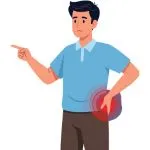
Hip Pain and Knee Injury

Hip Pain and Knee Injury

Hip pain and knee injury affect walking, sitting, and daily movement. Osteopathy focuses on joint mobility, muscle balance, and movement control to reduce strain and support long term function.
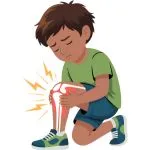
Children and Youth Injuries

Infants/Children and Youth Injuries

Infants, children, and youth injuries affect movement, posture, and development. Osteopathy focuses on gentle hands on care to address tissue tension, joint restriction, and movement imbalance for healthy growth and function.
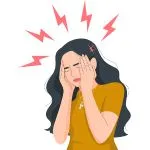
Migraines and Headaches

Migraines and Headaches

Migraines and headaches disrupt focus, sleep, and daily function. Osteopathy focuses on reducing tension, improving circulation, and restoring movement balance to support consistent relief and long term comfort.
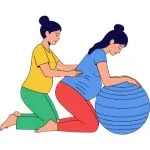
Maternity and Pregnancy

Maternity and Pregnancy

Pregnancy places increased demand on the body, affecting posture, joints, and movement. Osteopathy offers gentle hands on care to support comfort, mobility, and physical balance throughout maternity.
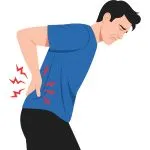
Upper and Lower Back Pain Injury 1

Upper and Lower Back Pain Injury

Upper and lower back pain injury affects movement, posture, and daily activity. Osteopathy focuses on joint mobility, tissue tension, and movement balance to reduce strain and restore functional comfort.

Shoulder Pain Injury

Shoulder Pain Injury

Shoulder pain injury limits arm movement and daily tasks. Osteopathy addresses joint restriction, tissue tension, and movement imbalance to restore mobility and support stable shoulder function.
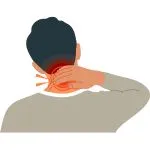
Neck Pain Injury

Neck Pain Injury

Neck pain injuries restrict movement and strain daily activity. Osteopathy focuses on joint mobility, muscle tension, and movement balance to support comfort and functional stability.
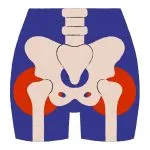
Women Pelvic Health Wellness

Women Pelvic Health Wellness

Women pelvic health wellness requires clear guidance and focused care. At Mississauga Osteopathy Clinic, you receive structured osteopathic support designed to improve pelvic function, movement, and daily comfort.
Craniosacral Therapy

Craniosacral Therapy

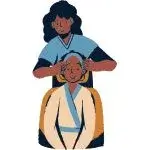
Our Mississauga osteopathy clinic offers Craniosacral Therapy, a gentle hands-on approach that supports natural movement of the skull and sacrum. Using light touch, your osteopath helps release restrictions, improve nervous system balance, and enhance overall body function.


About City Of Mississauga Ontario

Mississauga, Ontario, is a thriving city located along the shores of Lake Ontario, just west of Toronto. As one of Canada’s largest and fastest-growing cities, it is home to a diverse and multicultural population. With Pearson International Airport, the country’s busiest airport, and major corporate headquarters, Mississauga has established itself as a key business and economic hub in Canada. The city’s modern skyline, featuring high-rise condominiums and commercial developments, is complemented by green spaces, waterfront parks, and vibrant cultural attractions.

One of Mississauga’s most notable landmarks is Square One Shopping Centre, one of the largest malls in Canada, attracting millions of visitors each year. The downtown core is rapidly evolving, with new residential and commercial projects reshaping the city’s landscape. Meanwhile, neighborhoods like Port Credit offer a charming, lakefront lifestyle with boutique shops, cafes, and marinas, making it a popular destination for both residents and tourists. Historic Streetsville, with its small-town charm, provides a glimpse into Mississauga’s past while offering modern amenities.

About Mississauga
mississauga ontario

Mississauga is also a city committed to education and innovation, with top-rated schools, colleges, and easy access to leading universities in the Greater Toronto Area. The city’s public transit system is expanding, with new LRT and GO Transit projects aiming to enhance connectivity and reduce congestion. With a strong focus on community development and sustainability, Mississauga continues to improve its infrastructure, recreational spaces, and public services to meet the needs of its growing population.

Beyond its economic success, Mississauga is a welcoming and family-friendly city with a strong sense of community. The city hosts numerous cultural festivals, outdoor events, and recreational activities, celebrating its diverse population. Whether enjoying waterfront trails in Lakeview, exploring Erin Mills and Meadowvale’s parks, or experiencing arts and performances at the Living Arts Centre, Mississauga offers something for everyone. With its blend of urban convenience and suburban comfort, it remains a top choice for those looking to live, work, and thrive in a dynamic and inclusive environment.

Major Street Intersections
Neighbourhood
Postal Codes

Central Mississauga

  • L4Z,
  • L5B,
  • L5C

North Mississauga

  • L5N
  • L5M
  • L5V
  • L4Z
  • L5R

West Mississauga

  • L5L
  • L5M

East Mississauga

  • L4W
  • L4X
  • L4Y
  • L4Z
  • L5A

South Mississauga

  • L5G
  • L5H
  • L5J
  • L5K
  • L5E
Others

References

Physio-Pedia – Levator Scapulae Syndrome https://www.physio-pedia.com/Levator_Scapulae_Syndrome

StatPearls (NCBI Bookshelf) – Anatomy, Head and Neck, Levator Scapulae Muscles https://www.ncbi.nlm.nih.gov/books/NBK553120/

Colgan Osteopathy – Levator Scapulae Syndrome https://osteopathy.colganosteo.com/levator-scapulae-syndrome/

BOOK AN APPOINTMENT WITH US