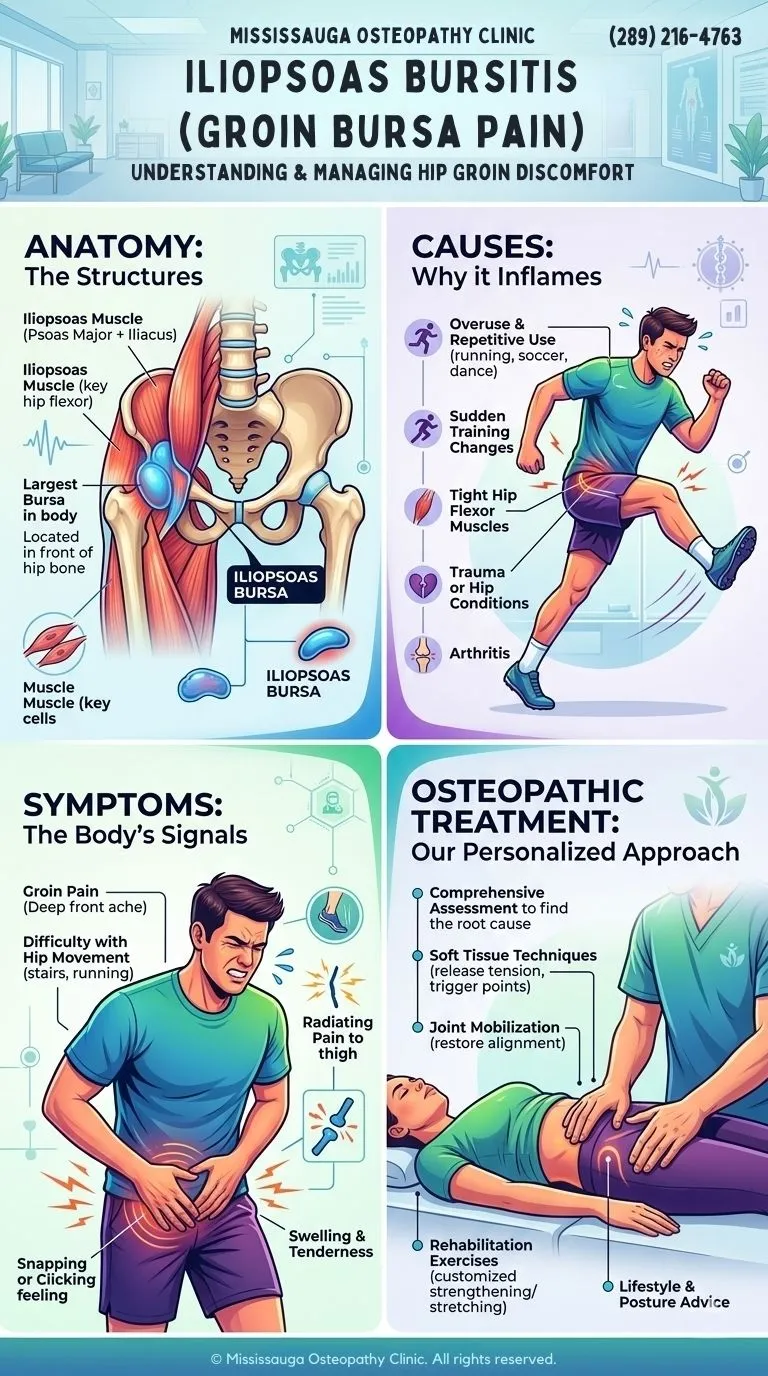
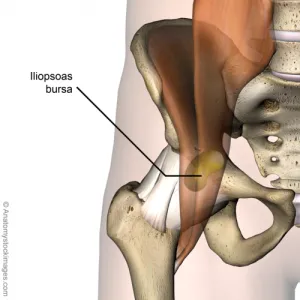
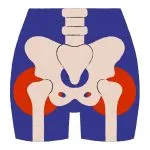
Iliopsoas bursitis often develops as a result of repetitive hip flexion. Activities that require frequent bending of the hip can place repeated stress on the iliopsoas muscle and the underlying bursa.
Athletes who participate in running, dancing, gymnastics, and track and field activities are commonly affected because these sports involve repetitive hip movements.
However, the condition is not limited to competitive athletes. Recreational athletes and individuals with sedentary occupations may also develop iliopsoas bursitis.
People who spend long hours sitting at a desk or driving often develop tight hip flexor muscles. Sitting keeps the hip in a flexed position for extended periods, which encourages shortening and tightness in the hip flexors.
When a person with tight hip flexors suddenly begins activities such as running, hiking, or intense exercise, the iliopsoas muscle repeatedly moves across the underlying bursa. This increased friction can lead to irritation and inflammation.
Poor movement mechanics, muscle imbalances, or direct trauma to the hip region may also contribute to the development of this condition.