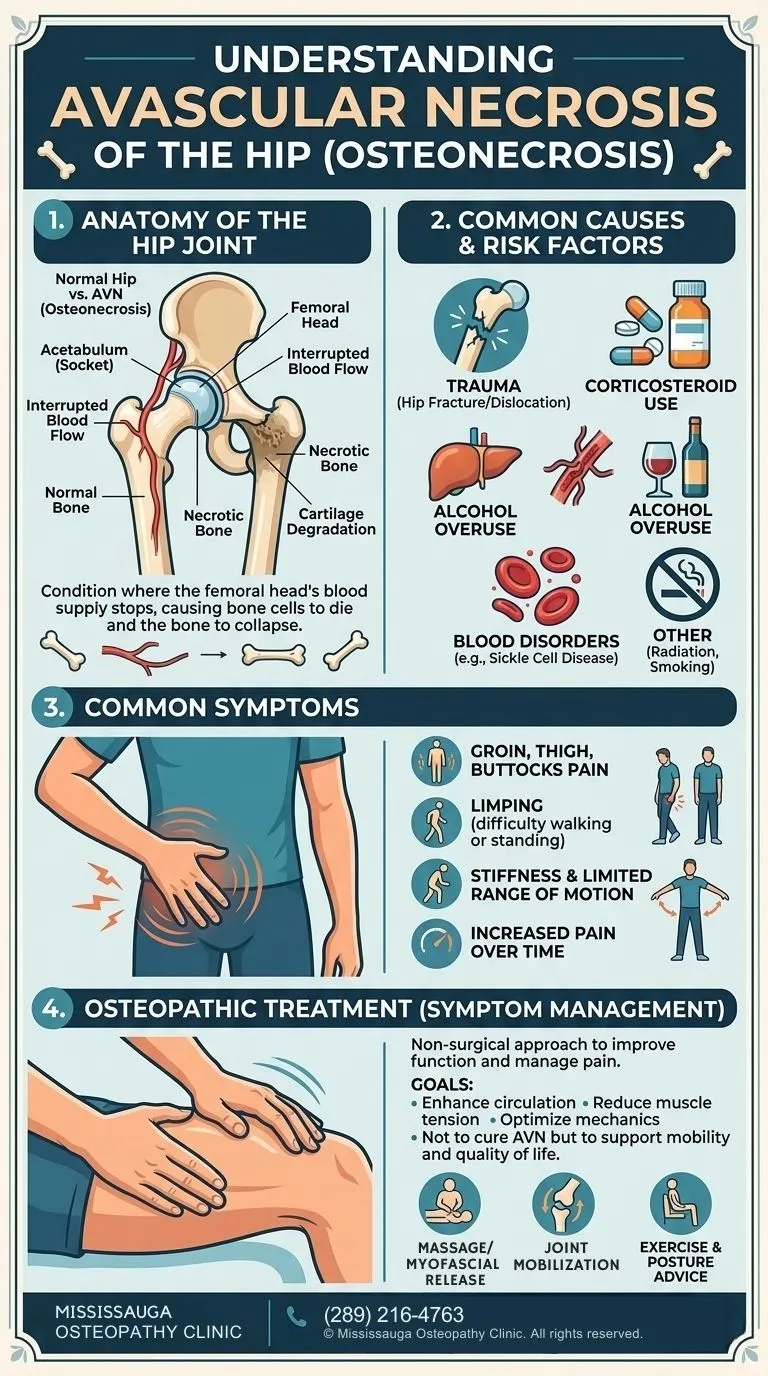
Many factors can interfere with the blood supply to the hip and lead to avascular necrosis.
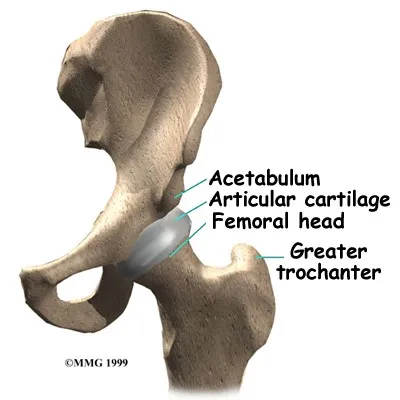
Direct injury to the hip joint is one of the most common causes. A fracture of the femoral neck can damage the small blood vessels that supply the femoral head. A hip dislocation can also tear or compress these vessels. In many cases, AVN develops months after the original injury and sometimes appears up to two years later.
Certain medications are also associated with avascular necrosis. Corticosteroid medications such as prednisone or methylprednisolone are the most frequently linked drugs. These medications are often prescribed to treat severe inflammation, autoimmune disease, or to prevent rejection after organ transplantation.
In some cases, AVN develops in patients who must take corticosteroids for extended periods. Research has also shown that individuals who use corticosteroids together with cholesterol-lowering medications known as statins may have a higher risk of developing femoral head osteonecrosis.
Lifestyle factors may also contribute. Smoking can narrow blood vessels and reduce circulation to areas that already have a limited blood supply, such as the hip joint. Excessive alcohol use can also damage blood vessels and interfere with normal blood flow to the bone.
Certain occupations carry increased risk. Divers and miners who work under high atmospheric pressure may develop tiny gas bubbles in the bloodstream. These bubbles can block small blood vessels and reduce blood flow to the hip.
A number of medical conditions are also linked to avascular necrosis. These include blood disorders such as leukemia and sickle cell disease, infections such as HIV, and metabolic conditions like Gaucher disease or hyperuricemia, which is commonly known as gout. Caisson disease, which is related to decompression illness, may also affect blood circulation to the bones.