Pregnancy changes how your body moves. Your pelvis shifts. Your ribs expand. Your breathing pattern changes. Your center of mass moves forward. Postpartum adds another shift. Sleep drops. Feeding positions increase neck and upper back strain. Carrying a baby adds load.
Many people in Mississauga search for a “Mississauga osteopath” during pregnancy or after delivery because pelvic pain, back pain, or rib pain starts to affect daily life. A Mississauga osteopath focuses on movement, joint mechanics, muscle tension, and load patterns. Care often includes hands-on treatment plus practical steps you can use at home.
This guide explains common pregnancy and postpartum body changes, common pain patterns, warning signs to take seriously, and support options. This guide also explains when to book at Mississauga Osteopathy Clinic.
Important note on care during pregnancy and postpartum
Osteopathy supports comfort, movement, and function. Osteopathy does not replace prenatal or postpartum medical care. Always discuss new symptoms with your midwife, obstetric provider, or family doctor, especially when symptoms feel intense, change fast, or include red flags.
Why pregnancy changes movement and load
Several changes create new strain patterns.
- Increased ligament laxity
Hormonal changes increase joint mobility. This helps the pelvis adapt for birth, but it can reduce stability. Muscles must work harder to stabilize joints. - Center of mass shifts forward
The growing belly shifts load toward the lower back. Many people increase low back arch and rib flare to balance. - Rib cage expands and breathing changes
Ribs expand as the uterus grows. Many people switch to more chest breathing. Neck and upper back muscles can become overworked. - Pelvic floor and abdominal wall load
The pelvic floor supports more weight. The abdominal wall stretches and changes function. Pressure management becomes harder during lifting and rolling in bed. - Activity changes and fatigue
Less sleep and less recovery can increase sensitivity. Muscles guard more. Pain can spread faster.
A Mississauga osteopath considers these changes when building a plan.
Common pregnancy pain patterns
Pattern 1. Pelvic girdle pain
This can show up at the front of the pelvis near the pubic bone, at the back near the sacroiliac joints, or on one side.
Common triggers:
- Turning in bed
- Getting in and out of a car
- Stairs
- Single-leg standing, such as putting on pants
- Long walking
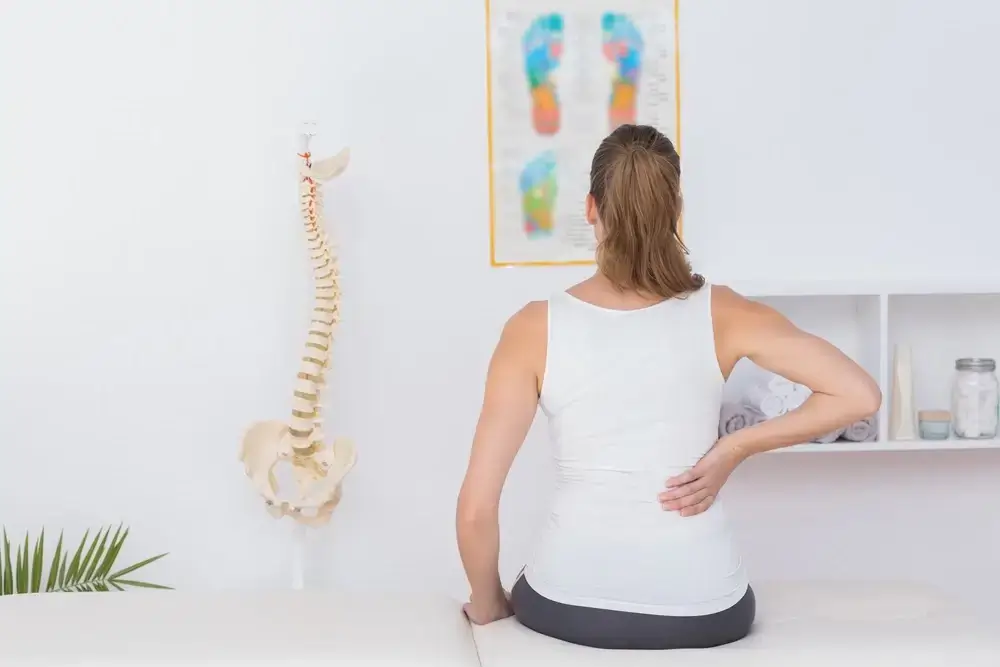
Pattern 2. Low back pain
This often feels like a dull ache or sharp pinch with bending and standing. It often increases after long sitting or long standing.
Common triggers:
- Long periods in one position
- Lifting, carrying, or bending
- Poor sleep and fatigue
- Weak hip control or stiff hips
Pattern 3. Rib pain and upper back pain
Many people feel tightness around the ribs, pain under the bra line, or pain at the side ribs. Some people feel sharp discomfort with deep breaths or rolling.
Common triggers:
- Sitting in a rounded posture
- Long laptop or phone use
- Carrying older children on one hip
- Shallow breathing
- Rib flare posture
Pattern 4. Hip pain and groin tightness
Hip flexors often tighten. The pelvis often tips forward. This can increase back and pelvic stress.
Pattern 5. Neck and shoulder pain
Sleep changes, stress, and desk work often create neck tension. Breast growth and posture changes can increase upper trap overload.
Postpartum changes that drive pain
Postpartum recovery varies. Vaginal delivery, assisted delivery, and C-section recovery all change movement needs.
Common postpartum drivers:
- Feeding posture, especially prolonged forward head and rounded shoulders
- Carrying a baby and car seat, often on one side
- Sleep loss and higher pain sensitivity
- Abdominal wall recovery and pressure management challenges
- Pelvic floor tension or weakness
- Return to walking and exercise too fast
Common postpartum pain patterns include:
- Pelvic pain with walking or stairs
- Low back pain during bending and lifting
- Rib pain and upper back tightness from feeding posture
- Wrist and thumb pain from holding and feeding positions
- Neck pain and headaches from poor posture and stress
A “Mississauga Osteopath” supports movement and comfort while you rebuild capacity.
Warning signs in pregnancy and postpartum that need urgent medical care
Seek urgent medical care if you experience:
- Vaginal bleeding, sudden fluid leakage, or reduced fetal movement
- Severe abdominal pain or contractions before term
- Severe headache, vision changes, chest pain, or shortness of breath
- Sudden swelling in face or hands, or high blood pressure concerns
- Fever or signs of infection
- Calf swelling, redness, or severe calf pain
- Sudden severe pelvic pain after a fall
- Postpartum heavy bleeding, fever, or severe abdominal pain
- Postpartum signs of preeclampsia, such as severe headache, vision changes, high blood pressure symptoms
If you feel unsure, contact your care provider. Do not wait.
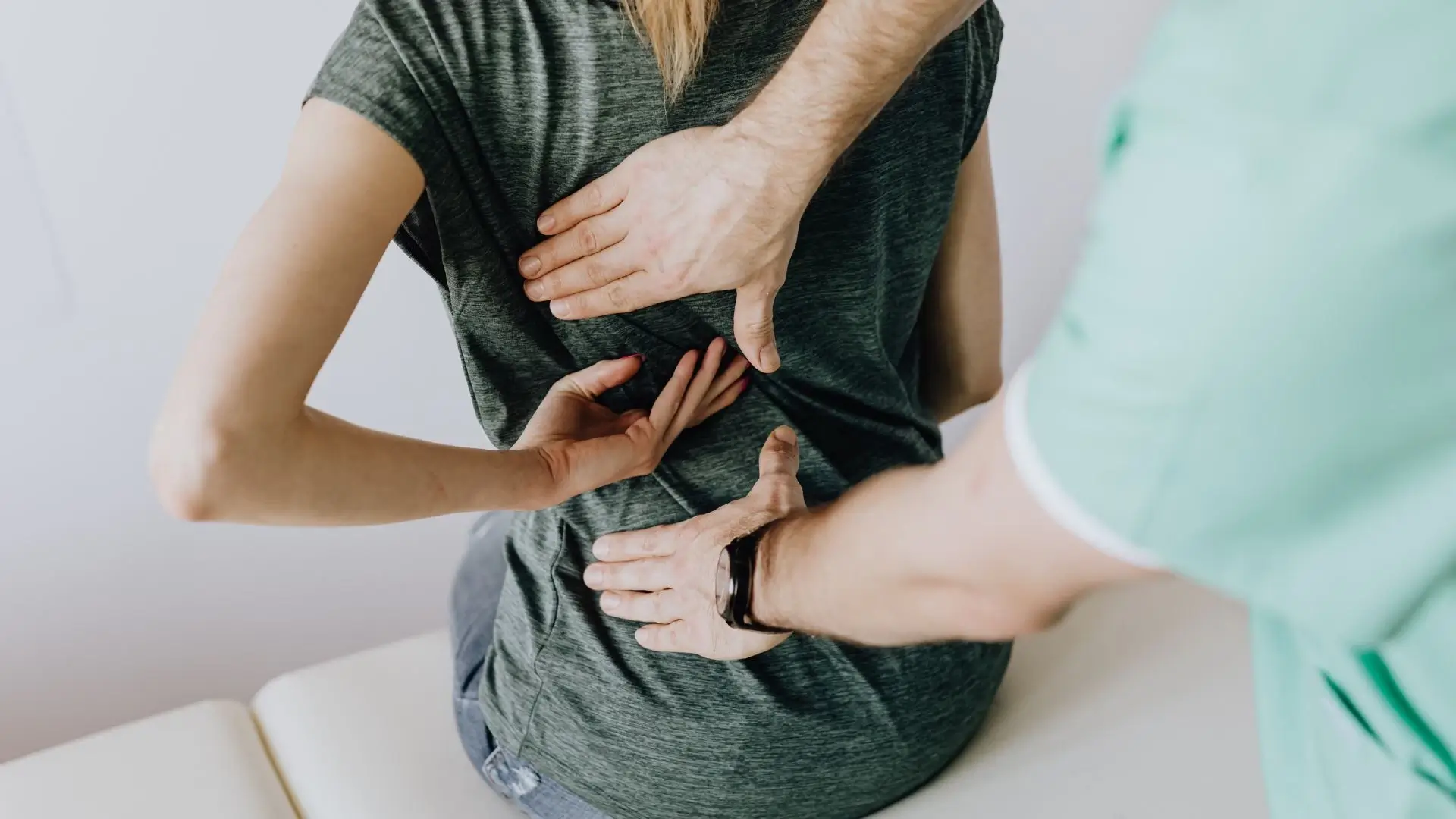
Simple movement checks and self-tests
These checks help you spot patterns. Stop if pain spikes sharply.
- Pelvic girdle pain checks
- Does pain increase when you stand on one leg
- Does pain increase during stairs
- Does pain increase when rolling in bed
These often suggest pelvic load sensitivity.
- Rib pain checks
- Does pain increase with deep breaths
- Does pain increase when sitting slumped
- Does pain reduce when you sit tall and breathe into ribs
These often suggest rib mechanics and posture drivers.
- Back pain checks
- Does pain increase after long standing
- Does pain reduce with short walks
- Does pain increase when lifting and carrying
These often suggest load tolerance and fatigue drivers.
Home tips for pregnancy pelvic, back, and rib pain
These tips focus on comfort and safer load.
- Pelvic pain tips
– Keep legs together when getting in and out of the car
– Roll as one unit when turning in bed, use a pillow between knees
– Avoid standing on one leg when dressing, sit down to put on pants
– Use hand support during stairs
– Shorten walking and add breaks - Low back tips
– Use a small lumbar support while sitting
– Avoid long standing, take microbreaks
– Hinge at hips for lifting, keep the load close
– Use heat on the low back for 15 minutes when muscles feel guarded - Rib and upper back tips
– Raise your phone and avoid looking down for long periods
– Support your arms with pillows during feeding
– Use a small towel roll behind upper back while sitting
– Take 5 slow breaths into side ribs, twice daily - Breathing reset for pregnancy and postpartum
– Sit tall.
– Place hands on side ribs.
– Inhale through the nose and expand ribs into hands.
– Exhale slowly and let ribs soften down.
– Repeat for 5 breaths.
– Do this twice daily.
This helps rib comfort and reduces neck-driven breathing.
Postpartum feeding posture tips
Feeding posture often drives neck, rib, and upper back pain.
Use these setup steps:
- Bring the baby to you, do not bend your neck down
- Use pillows under both arms
- Support your feet on a stool if needed
- Keep shoulders relaxed
- Take a 30-second posture reset every 10 minutes
These changes often reduce pain within days.
When to book a Mississauga osteopath
Book with a Mississauga osteopath when:
- Pelvic pain affects walking, stairs, or rolling in bed
- Back pain disrupts sleep or daily care tasks
- Rib pain affects breathing comfort or posture
- Symptoms last more than 7 to 14 days
- Pain increases week after week
- You feel unsure how to exercise safely
- You want a plan for postpartum return to activity
Mississauga Osteopathy Clinic can tailor care for pregnancy and postpartum comfort and give simple steps that fit your schedule.
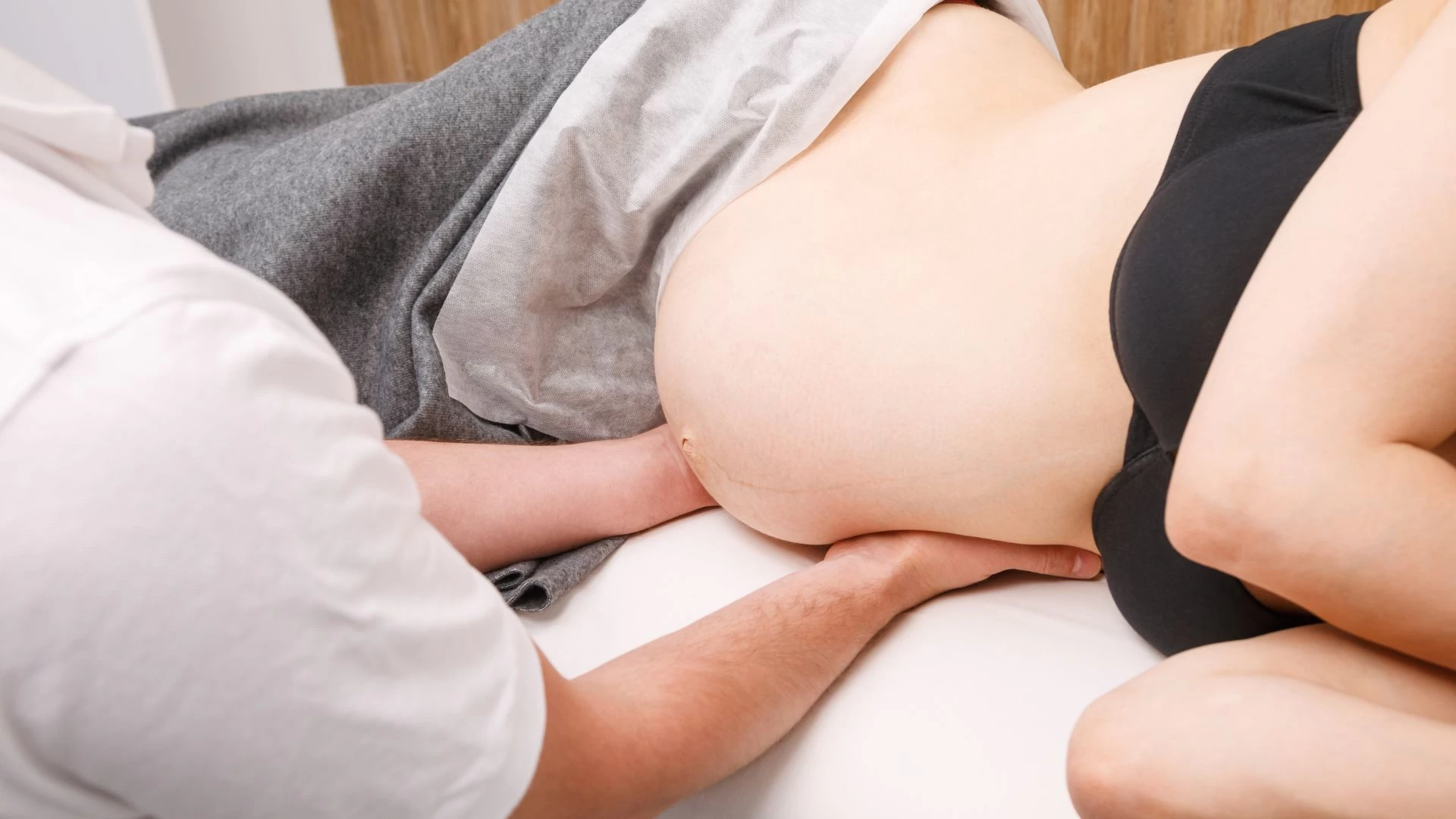
What to expect in an osteopathy visit during pregnancy or postpartum
A visit often includes:
- A detailed intake about symptoms and daily triggers
- Comfortable positioning with pillows and side-lying options
- Movement assessment of hips, pelvis, ribs, and spine
- Gentle hands-on treatment within tolerance
- A short home plan focused on daily function
- Clear guidance on activity and lifting
A Mississauga osteopath also coordinates with your healthcare team when needed.
When to book at Mississauga Osteopathy Clinic
If pregnancy or postpartum changes cause pelvic pain, back pain, or rib pain, book with Mississauga Osteopathy Clinic. An assessment identifies the key movement and load drivers. You leave with a safe plan for comfort, function, and recovery.
Mississauga Osteopathy Clinic
https://www.mississaugaosteopathyclinic.com/